Discover Marbella: Your Ultimate Travel Guide
So, you’re thinking about Marbella, huh? Good choice. It’s not just a playground for the rich and famous, though there’s certainly a bit of that. Beyond the glitz…
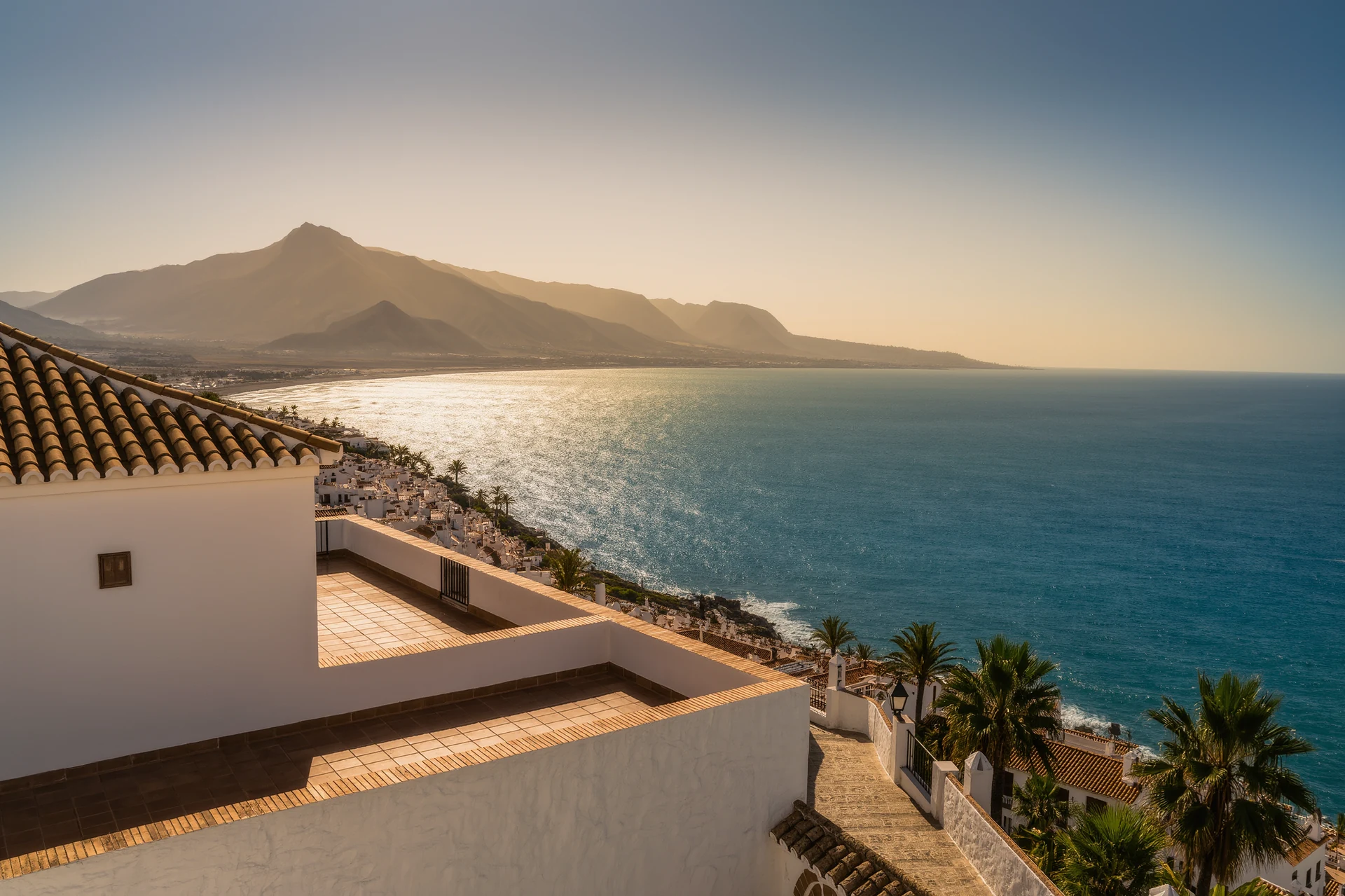
So, you’re thinking about Marbella, huh? Good choice. It’s not just a playground for the rich and famous, though there’s certainly a bit of that. Beyond the glitz, Marbella offers a genuine slice of Andalusian charm, stunning beaches, and a vibrant culture that often gets overlooked. This guide will help you navigate it all, whether you’re looking for sun-soaked relaxation, a historical deep dive, or a taste of the legendary nightlife. We’ll cut through the fluff and tell you what you actually need to know to make your trip enjoyable and memorable.
Figuring out how to get to Marbella and then move around once you’re there is usually the first headache for any traveler. Let’s make it easy.
Flying In
Your main gateway is Malaga Airport (AGP), officially known as Malaga-Costa del Sol Airport. It’s a busy international hub and probably where you’ll land. From there, Marbella is about a 40-minute to an hour drive, depending on traffic and your specific destination within Marbella.
- Taxis: Readily available right outside the terminal. It’s convenient but the most expensive option. Expect to pay around €70-€85 to Marbella centro or Puerto Banús.
- Pre-booked Transfers: Often a good middle-ground. Companies like Malaga Transfers or Solhop offer competitive rates and a driver waiting for you. This is particularly good if you’re traveling with luggage or arriving late.
- Buses: The most economical way. The Avanza bus company runs direct services from Malaga Airport to Marbella bus station several times a day. Check their website for updated schedules. The journey takes about 45 minutes to an hour and costs around €8-€10.
- Car Rental: If you plan on exploring beyond Marbella, renting a car is highly recommended. All major rental companies (Hertz, Avis, Europcar, Sixt, etc.) have desks at Malaga Airport. Book in advance for better rates, especially during peak season. Driving in Spain is generally straightforward, but be aware of toll roads (AP-7) versus non-toll roads (A-7). The AP-7 is faster but comes with a cost.
Getting Around Marbella Itself
Once you’re in Marbella, getting from place to place depends on where you’re staying and what you plan to do.
- Walking: The Old Town (Casco Antiguo) is best explored on foot. Much of the beachfront promenade is also perfect for a leisurely stroll.
- Local Buses: Marbella has a decent local bus network. It’s affordable and connects different parts of the town, including Puerto Banús and the bus station. Look for the ‘Urbanos de Marbella’ buses.
- Taxis: Plentiful, especially in tourist areas. They’re metered, but it’s always a good idea to confirm the approximate fare for longer journeys. A ride from Marbella Old Town to Puerto Banús will typically cost €10-€15.
- Ride-sharing Apps (Bolt/Cabify): Uber doesn’t operate in this region of Spain, but Bolt and Cabify do work in Marbella and are often slightly cheaper than traditional taxis, especially if you pre-book.
- Car: If you rented a car, it’s great for day trips. However, parking in Marbella Centro and Puerto Banús can be a challenge and expensive (underground car parks). Consider leaving the car at your accommodation for local exploration.
Where to Stay: Finding Your Perfect Base
Marbella isn’t a one-size-fits-all destination when it comes to accommodation. Your choice depends heavily on your budget and what kind of vibe you’re after.
Old Town (Casco Antiguo)
If you’re after charm, history, and an authentic feel, the Old Town is your spot. It’s a maze of narrow, cobblestone streets, whitewashed buildings, and orange trees. You’ll find boutique hotels, guesthouses, and apartments here. It’s perfect for couples or those who prefer a quieter evening vibe with plenty of great dining options.
Marbella Centre & Promenade
This area stretches from the Old Town along the beachfront. It offers a mix of hotel types, from mid-range to luxury, and many apartments. You’ll be close to the beach, restaurants, shops, and have easy access to the marina. It’s a good balance of activity and relaxation.
The Golden Mile
This iconic stretch between Marbella town and Puerto Banús is where luxury truly shines. Expect five-star hotels like Puente Romano and Marbella Club, exclusive villas, and high-end dining. If your budget allows, and you’re seeking opulence, this is your prime location. It’s about prestige and exclusive experiences.
Puerto Banús
For those who crave nightlife, designer shopping, and a perpetual party atmosphere, Puerto Banús is the place. It’s lively, sometimes loud, and always bustling. You’ll find luxury hotels and numerous apartments. Be prepared for a higher price tag on everything here, from drinks to accommodation. It’s ideal for groups and those looking to see and be seen.
Nueva Andalucía (The Golf Valley)
Just inland from Puerto Banús, Nueva Andalucía is residential and spacious, known for its golf courses and stunning mountain views. It’s popular with families and golfers, offering larger villas and quieter apartment complexes. You’ll likely need a car to get around easily from here, but it offers a more relaxed pace away from the immediate hustle and bustle.
Eating and Drinking: A Culinary Journey
Marbella’s food scene is surprisingly diverse, offering everything from traditional Spanish fare to Michelin-starred dining. Forget what you think you know about resort food; there’s real quality here.
Traditional Spanish & Andalusian Cuisine
You can’t come to Marbella and not try the local flavors. Look for smaller, independent restaurants, especially in the Old Town.
- Tapas Bars: Essential to the Spanish experience. Don’t be afraid to hop between a few. Try classics like patatas bravas, boquerones fritos (fried anchovies), gambas pil pil (sizzling garlic prawns), and jamón ibérico.
- Paella: While traditionally from Valencia, you’ll find excellent paella here, especially seafood versions (paella mariscos).
- Espetos (Sardines): A Malaga specialty. You’ll see these sardines skewered and grilled over an open wood fire in beachside chiringuitos. Simple, smoky, and delicious.
- Ajoblanco: A cold almond and garlic soup, often served with grapes. Perfect for a warm day.
Fine Dining & Contemporary Cuisine
Marbella boasts a significant number of high-end restaurants, many of them Michelin-starred. The Golden Mile is the epicenter for this.
- Dani García: While Dani García’s three-Michelin-starred restaurant closed, he still has several excellent establishments in Marbella, such as Leña (steakhouse) and BiBo (more casual, global cuisine).
- El Lago: A Michelin-starred restaurant with beautiful lake views, focusing on modern Andalusian cuisine.
- Skina: Another Michelin-starred spot in the Old Town, offering an intimate setting and innovative dishes.
Beach Clubs & Chiringuitos
For a more casual, yet quintessential Marbella dining experience, head to a beachside restaurant.
- Chiringuitos: These are casual beach bars/restaurants, perfect for lunch or a relaxed dinner. Many offer fresh seafood, salads, and grilled dishes.
- Beach Clubs: More upscale than chiringuitos, combining dining with lounging, music, and often a pool. Nikki Beach and Ocean Club are famous (and expensive) for their party vibe, while others like La Cabane offer a more relaxed, luxurious experience.
Nightlife: From Quiet Drinks to Pumping Clubs
Marbella’s nightlife is legendary, catering to various tastes.
- Old Town: Quieter bars, perfect for a pre-dinner drink or a relaxed cocktail. Look for hidden gems like Bar El Estrecho.
- Puerto Banús: This is the heart of the party. Expect high-energy clubs like Pangea, Tibu, and Aqwa Mist, as well as chic cocktail bars. Dress to impress.
- Golden Mile: Offers some sophisticated bars within the luxury hotels, ideal for a refined cocktail or an evening of live music.
- Marbella Centre: A mix of local bars and some more lively spots, especially around the marina.
Things To Do: Beyond the Beach
While the beaches are undeniably a draw, Marbella offers much more than just sunbathing.
Explore the Old Town (Casco Antiguo)
This is a must-do. Lose yourself in the narrow, winding streets.
- Plaza de los Naranjos (Orange Square): The heart of the Old Town, a picturesque square filled with orange trees, cafes, and restaurants. It’s a great spot for people-watching.
- Marbella Castle Walls: Discover the remnants of the old Moorish castle walls, offering a glimpse into the town’s history.
- Iglesia de Nuestra Señora de la Encarnación: The main church of Marbella, an impressive building with a beautiful interior.
- Art Galleries & Boutiques: The Old Town is home to several small art galleries and independent boutiques selling unique clothing and crafts.
Relax on the Beaches
Marbella boasts 27 kilometers of coastline, so you’ll find a beach to suit your mood.
- Playa de la Fontanilla: Very central, popular, and well-equipped with amenities, restaurants, and sunbeds.
- Playa de Puerto Banús: Adjacent to the marina, often lively with beach clubs and water sports.
- Playa Real de Zaragoza: East of Marbella, known for its golden sand and slightly more laid-back vibe. Often considered one of the best.
- Cabopino Beach: Further east, this beach is famous for its natural dunes and a more secluded, often clothing-optional section.
Indulge in Retail Therapy
Marbella is a shopper’s paradise, especially if you have a taste for luxury.
- Puerto Banús Marina: Home to flagship stores of major international designer brands like Louis Vuitton, Gucci, Versace, and more. It’s also great for window shopping and supercar spotting.
- La Cañada Shopping Centre: Just inland from Marbella Centre, this is one of the largest shopping centers in Andalusia. You’ll find high-street brands, department stores, a cinema, and plenty of eateries.
- Boutiques in Old Town: For unique finds, local crafts, and independent fashion labels, explore the charming shops in the Casco Antiguo.
Hit the Golf Course
Marbella is renowned as a golf destination, often called “Costa del Golf.”
- Dozens of Courses: There are over 70 golf courses along the Costa del Sol, with many high-quality ones right in and around Marbella and Nueva Andalucía.
- Marbella Club Golf Resort: A challenging course with stunning views.
- Las Brisas Golf: A highly regarded, well-established course in the “Golf Valley.”
- Valderrama Golf Club: While a bit further west (near Sotogrande), it’s one of Europe’s top courses and well worth the drive for serious golfers.
Explore Nature & Adventure
Beyond the beaches and golf, there are plenty of outdoor activities.
- Sierra Nevada Hiking: While a drive (about 2 hours), the Sierra Nevada mountains offer incredible hiking in summer and skiing in winter.
- Senda Litoral: A coastal path, partly boardwalk, that’s being developed to eventually connect the entire Costa del Sol. Great for walking or cycling sections of it.
- Water Sports: Jet skiing, paddleboarding, parasailing, and boat trips are available from the marinas (Marbella, Puerto Banús, and Cabopino).
- Cable Car to Mount Calamorro (Benalmádena): A fun day trip, offering panoramic views of the coast, a bird of prey show, and hiking trails at the top.
Day Trips from Marbella: Expanding Your Horizons
Marbella is an excellent base for exploring more of Andalusia.
Ronda
About an hour’s drive inland, Ronda is a dramatically situated town famous for its Puente Nuevo bridge spanning a deep gorge. It also boasts one of Spain’s oldest bullrings and a charming Old Town. It’s absolutely picturesque and worth the drive.
Mijas Pueblo
A classic whitewashed Andalusian village nestled in the mountains, about 30 minutes drive east. Explore its narrow streets, enjoy panoramic views of the coast, and perhaps take a donkey taxi (though opinions on ethical treatment vary, so look into it first).
Nerja & Frigiliana
Roughly an hour’s drive east of Marbella. Nerja has beautiful beaches and the famous Caves of Nerja. Nearby Frigiliana is another stunning ‘white village’ with Moorish influences, often considered one of the prettiest in Spain.
Estepona
Just a 20-minute drive west, Estepona offers a more traditional Andalusian experience than Marbella. Its Old Town is beautifully preserved, full of flowers, and a delight to wander through. It also has lovely beaches and a great marina.
Gibraltar
About an hour and a half drive to the west, Gibraltar is a British Overseas Territory known for its Rock, Barbary macaques, and duty-free shopping. Remember your passport, as you’ll be crossing a border! Parking can be tricky on the Spanish side; consider parking in La Línea de la Concepción and walking across.
Seville & Granada
These require a longer drive (2-3 hours each way) and are probably better suited for an overnight stay or very long day trips. Both are must-sees for their historical significance, stunning architecture (the Alhambra in Granada, Seville Cathedral and Alcázar), and vibrant culture.
Practical Tips for a Smooth Trip
A few essential bits of information to ensure your trip goes off without a hitch.
- Language: Spanish is the official language. Although English is widely spoken in tourist areas, especially in Marbella Centre and Puerto Banús, a few basic Spanish phrases will go a long way and are always appreciated by locals.
- Currency: The Euro (€).
- Tipping: Tipping isn’t as ingrained as in some countries. It’s polite to leave a few euros for good service in restaurants (5-10% is generous), rounded-up taxi fares, or a small tip for bartenders. It’s not mandatory.
- Siesta: While less observed in bustling tourist areas, many smaller shops and businesses in Marbella Old Town might close for a few hours in the early afternoon (typically 2 PM – 5 PM). Plan your shopping accordingly.
- Sun Protection: The sun in Andalusia is strong. Always use high-factor sunscreen, wear a hat, and stay hydrated, especially during the summer.
- Water: Tap water in Marbella is generally safe to drink, though many locals and visitors prefer bottled water for taste.
- Safety: Marbella is generally a safe place for tourists. However, as with any popular destination, be mindful of your belongings, especially in crowded areas like Puerto Banús at night, and watch out for pickpockets.
- Booking in Advance: During peak season (June-August), it’s highly advisable to book accommodation, popular restaurants, and any desired activities or transfers well in advance.
- August: August is the busiest month, and it gets incredibly hot. If you’re not a fan of crowds or extreme heat, consider visiting in May, June, September, or October when the weather is still beautiful, and it’s slightly less hectic.
Marbella offers a fantastic blend of luxury, culture, and natural beauty. With this guide, you’re well-equipped to experience it all, authentically and without unnecessary fuss. Enjoy your trip!
FAQs
1. What is the best time to visit Marbella?
The best time to visit Marbella is during the spring (April to June) and fall (September to October) when the weather is pleasant and the tourist crowds are smaller.2. What are the must-see attractions in Marbella?
Must-see attractions in Marbella include the historic Old Town, the beautiful beaches, the Marbella Club Hotel, Puerto Banús, and the Bonsai Museum.3. What are the popular activities to do in Marbella?
Popular activities in Marbella include sunbathing and swimming at the beaches, exploring the Old Town’s narrow streets, dining at beachfront restaurants, and enjoying the vibrant nightlife in Puerto Banús.4. What is the local cuisine in Marbella known for?
Marbella is known for its delicious seafood dishes, traditional Andalusian cuisine, and tapas. Some popular local dishes include pescaíto frito (fried fish), gazpacho (cold tomato soup), and paella.5. What are the transportation options in Marbella?
Transportation options in Marbella include taxis, buses, and rental cars. The city is also pedestrian-friendly, making it easy to explore on foot. Additionally, there are bike rental services available for those who prefer cycling.More from Marbella & Puerto Banús

Marbella Luxury Lifestyle Guide
Marbella luxury lifestyle guide: explore the Golden Mile, Puerto Banus, Michelin dining, Golf Valley, La Zagaleta and the Costa del Sol’s most e…
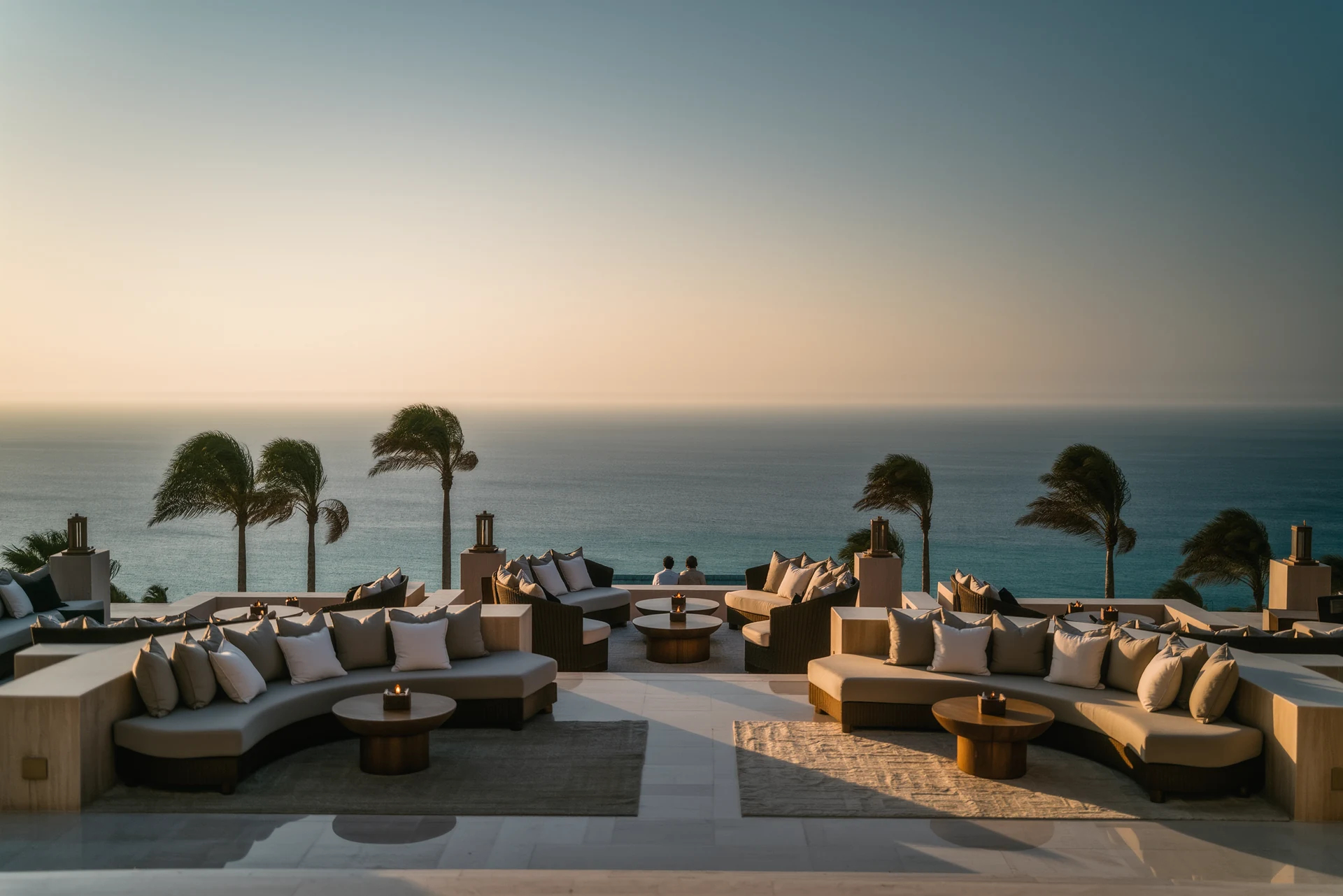
Ultimate Luxury: Marbella’s Top Hotels
Looking for an unforgettable stay in Marbella? You’ve landed in the right place. Marbella, a stunning slice of the Costa del Sol, is renowned fo…
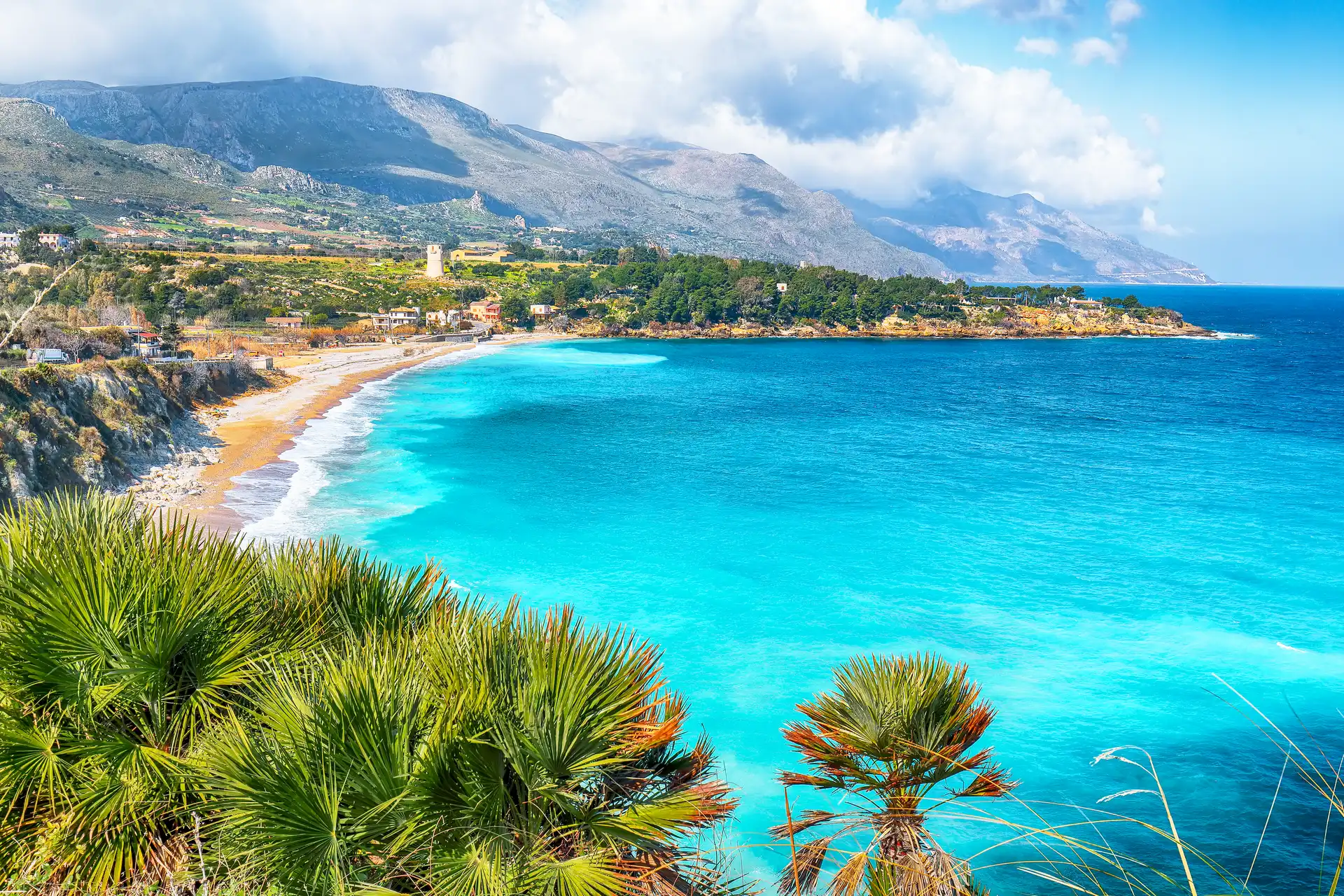
Ultimate Marbella Shopping Guide: Where to Find the Best Fashion, Jewelry, and Home Decor
Heading to Marbella and looking to do some serious retail therapy? You’re in luck. Marbella isn’t just about beautiful beaches and glamoro…