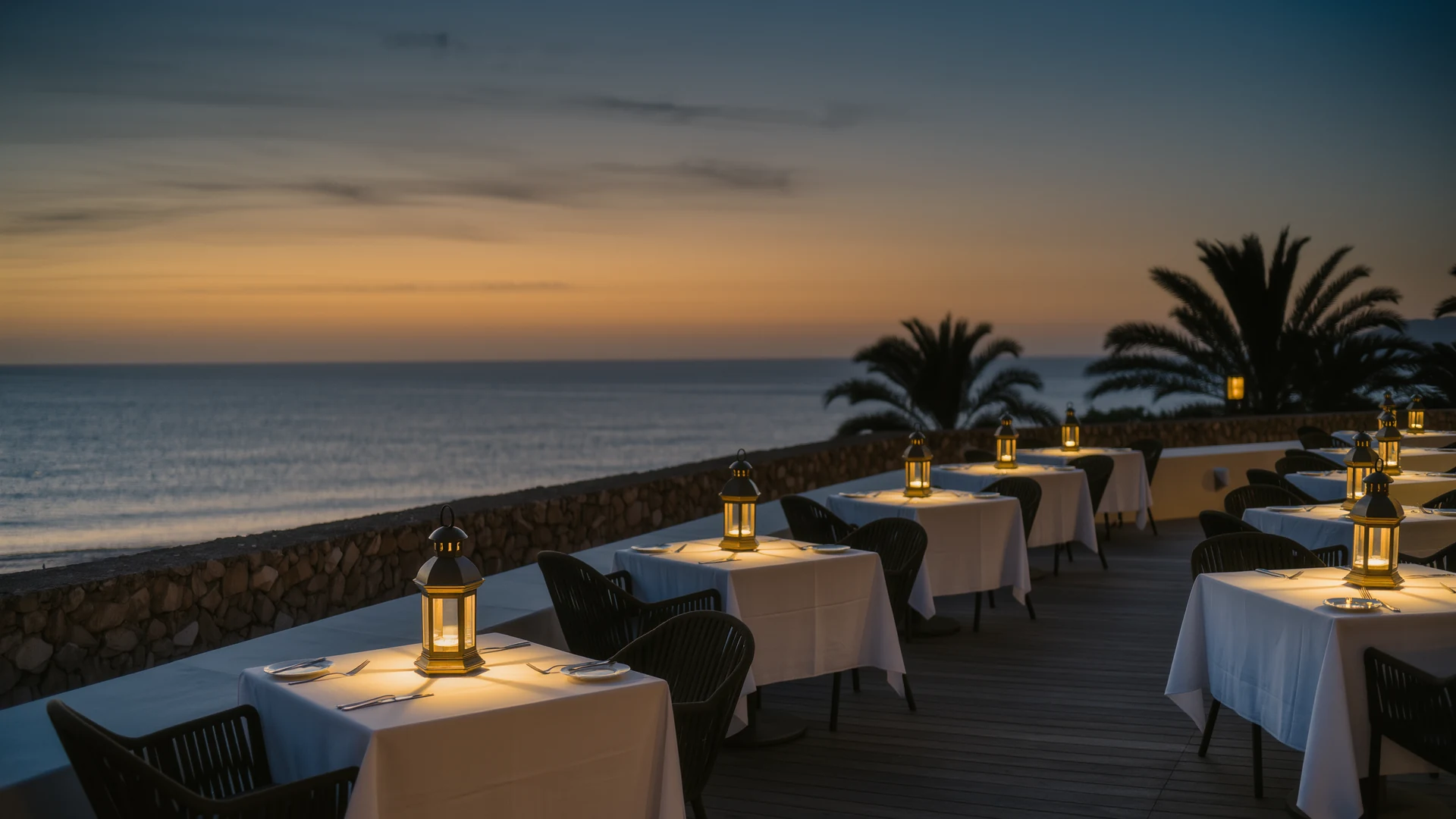
Costa del Sol

Costa del Sol Investment Guide: The Definitive Analysis of Opportunities, Sectors, and Strategies

Costa del Sol Investment Guide: The Definitive Analysis of Opportunities, Sectors, and Strategies

The Costa del Sol is not merely a desirable place to live — it is a significant economic region with a mature, transparent, and increasingly diverse investment landscape. While the property market remains the cornerstone of international investment interest, the region’s economy has expanded well beyond real estate into technology, tourism infrastructure, renewable energy, agribusiness, and the silver economy. For investors willing to look beyond the obvious, the Costa del Sol in 2026 offers a compelling blend of lifestyle, strong and sustained demand fundamentals, a stable legal and political environment, and, in certain sectors, above-average returns.

This guide provides a comprehensive analysis of the investment opportunities currently available on the Costa del Sol, covering the property market in detail, the growing technology and startup ecosystem, tourism and hospitality, the regulated short-term rental sector, the “silver economy” driven by affluent retirees, and the practical framework — legal, tax, and regulatory — within which foreign investors operate in Spain.

Real Estate Investment: The Cornerstone

Real estate remains the most accessible and popular investment class on the Costa del Sol, and for good reason. The fundamentals are robust: a finite supply of land in the prime coastal strip, sustained international demand from buyers across Europe and increasingly the Middle East and North America, a transparent legal framework that protects property rights, and capital appreciation that has averaged 4–8% annually in prime areas since 2014.

Capital appreciation strategy: The classic approach — buying a good property in an established prime location and holding for 5–10 years — has delivered consistent returns. The key is location. The Marbella Golden Mile, Puerto Banús, frontline Estepona, and Málaga’s historic centre are the safest bets for appreciation. These are areas where land is genuinely scarce, demand is international, and the “brand” of the address adds value independently of the quality of the individual property. A well-located apartment on the Golden Mile bought for €800,000 in 2019 could reasonably be expected to be worth €1,050,000–€1,200,000 in 2026, representing annualised appreciation of approximately 6–8%. Villas in prime positions have performed even more strongly, driven by a pandemic-era shift in buyer preferences toward private outdoor space.

Rental yield strategy: The calculation differs markedly between long-term residential lets, short-term tourist lets, and the high-end luxury rental market. Long-term residential rentals yield 3–5% gross annually, with the strongest demand in Málaga city (driven by the tech sector and digital nomads), Marbella and San Pedro (international professionals and families), and Estepona. Short-term tourist rentals, where legally permitted and correctly licensed, can yield 5–10% gross annually but come with higher operating costs (cleaning, laundry, management, platform fees) and significant seasonality. A well-located two-bedroom apartment in Marbella or Estepona with a valid tourist licence can generate €25,000–€40,000 in gross annual revenue, translating to a net yield of 4–7% after costs and management fees. The luxury rental market — villas renting for €10,000–€40,000 per week in high season — is a different category altogether, requiring professional management, sophisticated marketing, and a property that is genuinely exceptional. Net yields in this segment are typically 3–5%, but the absolute returns are substantial and the capital appreciation potential is superior.

Off-plan and development opportunities: Buying off-plan — purchasing a property before or during construction — can offer attractive entry prices and staged payment plans that reduce the upfront capital requirement. However, this strategy carries risks. Buyers must ensure the developer has a track record of successful delivery, that all funds are protected by a bank guarantee or insurance policy (mandatory under Spanish Law 57/1968, also known as Law 20/2015), and that all planning licences are in place. The most promising areas for off-plan development in 2026 include the Estepona western expansion zone, the Málaga western district around Huelin and La Princesa (benefiting from the city’s growth and the expansion of the port), and selected pockets of the eastern Costa del Sol where new infrastructure is planned.

Golden Visa property investment: The Spanish Golden Visa programme, which grants residency to non-EU nationals who invest at least €500,000 in real estate, remains available in 2026, though political pressure for its modification or abolition has increased. Investors considering the Golden Visa route should move promptly if it is central to their plans. The investment can be split across multiple properties. Only the first €500,000 of investment is required to qualify; returns above that can be structured for maximum financial efficiency. Note that the Golden Visa grants residency, not citizenship, and requires the investment to be maintained for the duration of the visa.

Technology and Startup Ecosystem

Málaga is emerging as one of southern Europe’s most dynamic technology hubs. The Málaga TechPark (Parque Tecnológico de Andalucía, PTA), located on the western edge of the city, hosts more than 650 companies — including Google, Oracle, Vodafone, CGI, and a large ecosystem of smaller firms and startups — employing over 22,000 people. The PTA is currently expanding, with new land and facilities being developed to accommodate demand. The presence of the University of Málaga, with its strong computer science and engineering faculties, provides a steady pipeline of talent.

For investors, the tech sector offers several entry points. Direct investment in startups and scale-ups is possible through the growing network of angel investors, venture capital firms, and accelerator programmes in the region. Andalucía Open Future, an initiative of Telefónica and the Junta de Andalucía, runs an accelerator programme in Málaga. BIC Euronova, the European Business and Innovation Centre, provides incubation and investment-readiness support. The Demium startup incubator has a Málaga presence. For those without the expertise or appetite for direct startup investment, the sector can be accessed indirectly through investment in commercial real estate serving the tech ecosystem — office space, co-living developments, and residential property aimed at the influx of well-paid tech workers.

Tourism and Hospitality Infrastructure

The Costa del Sol’s tourism sector has demonstrated remarkable resilience and adaptability. After the pandemic-era disruption, tourist arrivals have rebounded strongly, and the trend is toward higher-value, longer-stay visitors. Investment opportunities in the tourism sector include: boutique hotels and guesthouses in the €1 million–€5 million range, particularly in Málaga city and the up-and-coming towns like Estepona and Frigiliana; specialist tourism operators catering to high-value niches — cycling tourism, gastronomic tourism, wellness retreats, and golf packages; and beach-club and chiringuito operations, which require relatively modest capital investment (€200,000–€800,000 for a leasehold fit-out) and can generate strong cash flows if well-managed and well-located. The regulatory environment for tourism businesses in Andalusia is stable and transparent, with clear licensing pathways administered by the Junta de Andalucía.

The Silver Economy

The Costa del Sol has one of Europe’s largest concentrations of affluent retirees, a demographic trend that is not slowing. This “silver economy” creates investment opportunities across multiple sectors: residential developments designed for older residents (single-level living, adapted bathrooms, community support services); home-care and assisted-living services for the large population of elderly expatriates who wish to remain in their own homes; healthcare and wellness services tailored to age-related conditions; and leisure and travel services designed for the over-60s market, which has both time and disposable income. The demographic tailwind behind these sectors is powerful and multi-decade in nature.

Renewable Energy and Sustainability

Andalusia is Spain’s leading region for solar energy, with the highest number of sunshine hours and a supportive regulatory environment. The Costa del Sol and its hinterland offer opportunities for investment in solar photovoltaic installations — both utility-scale and distributed generation — as well as in the supply chain and services that support the energy transition. The Andalusian Energy Strategy 2030 sets ambitious targets for renewable generation, and significant public and private capital is being deployed to meet them. For individual investors, the installation of solar panels on residential and commercial properties offers attractive payback periods (typically 4–7 years) given the region’s solar resource and the increasing cost of grid electricity.

Legal, Tax, and Regulatory Framework for Investors

Spain offers a stable, transparent, and investor-friendly legal framework. Foreign investors can own property and businesses on the same terms as Spanish nationals, with no restrictions on capital repatriation. The Spanish tax system, while not the lowest in Europe, is clear and manageable with professional advice. Key points for investors include:

  • Corporate tax: The standard rate is 25%. Small companies may benefit from reduced rates.
  • Personal income tax (IRPF): Rates range from 19% to 47% for tax residents, depending on income level. Non-residents pay a flat 24% on Spanish-source income (19% for EU/EEA residents).
  • Capital gains tax: For residents, capital gains are taxed as savings income at 19–28%. For non-residents, the rate is 19% (or the applicable double-taxation treaty rate).
  • The Beckham Law: A special tax regime for individuals who become Spanish tax residents through employment, allowing them to be taxed as non-residents (flat 24% on Spanish income, no tax on foreign income) for up to six years. This regime also applies to digital nomads under certain conditions.
  • Double taxation treaties: Spain has treaties with most major countries, preventing double taxation and often reducing withholding tax rates.
  • Inheritance and gift tax: Andalusia has generous allowances — a 99% reduction for inheritances between spouses and direct descendants up to €1 million, effectively eliminating the tax for most families.
  • Wealth tax: Andalusia offers a 100% rebate, meaning residents do not pay wealth tax.

The most critical advice for any investor considering the Costa del Sol is to engage excellent local professional advisers — a lawyer, a tax adviser (asesor fiscal), and, depending on the investment, a property consultant, a financial adviser, and/or a business consultant — before committing capital. The Spanish system rewards proper structuring and punishes improvisation. The cost of professional advice is modest relative to the sums at stake and the potential cost of mistakes.

Sector-by-Sector Summary and Outlook

The Costa del Sol’s investment outlook for the remainder of the 2020s is positive. The property market, underpinned by scarcity in prime locations and sustained international demand, is expected to continue delivering steady capital appreciation, though at a potentially moderating pace as prices reach levels that test affordability for some buyer segments. The technology and innovation sector is the region’s most exciting growth story, with Málaga positioning itself as a genuine southern European tech hub. Tourism and hospitality will continue to benefit from the Costa del Sol’s enduring appeal and the global trend toward experiential, high-quality travel. The silver economy offers a multi-decade investment thesis backed by unarguable demographics. And the energy transition creates opportunities in a sector supported by both market forces and public policy.

For investors who combine thorough due diligence with professional local advice and a patient, long-term perspective, the Costa del Sol offers a rare combination: a place where capital can work hard, and where the investor might reasonably choose to enjoy the fruits of that work in person.

Investing in Agribusiness and the Food Supply Chain

Andalusia is one of Europe’s most important agricultural regions, and the Costa del Sol’s hinterland is rich in productive farmland. The subtropical microclimate of the Axarquía region east of Málaga supports one of Europe’s largest concentrations of tropical fruit production: mangoes, avocados, cherimoyas, and nísperos thrive in the valleys between Nerja and Almuñécar. The olive groves of Antequera produce some of Spain’s finest extra-virgin olive oil under the DOP Antequera designation. The vineyards of Ronda and the Málaga Mountains produce increasingly respected wines. Investment in agribusiness on the Costa del Sol can take several forms: direct ownership of productive farmland with existing trees and contracts with distributors; investment in processing and packaging facilities (olive mills, fruit-packing plants, wineries); or investment in agritourism — farm stays, vineyard tours, oil-tasting experiences — which is a growing sector as culinary tourism expands. Farmland with established subtropical orchards in the Axarquía currently trades for approximately €30,000–€60,000 per hectare depending on water rights, tree age, and varietal mix. Net returns from a well-managed subtropical fruit farm can range from 4% to 8% annually, though returns are weather-dependent and cyclical. The regulatory environment for agricultural investment is straightforward: foreign ownership is unrestricted, though water rights are a critical and complex issue that requires thorough due diligence with a specialist lawyer.

Alternative Investment Structures and Asset Protection

Sophisticated investors often structure their Costa del Sol property holdings through Spanish or international corporate vehicles for tax efficiency, asset protection, and succession planning. A Spanish Sociedad Limitada (SL, equivalent to a limited company) can own property and pay corporation tax at 25% rather than the personal income-tax rates (up to 47%) that would apply to an individual resident. However, the benefits must be weighed against the costs of company administration, accounting, and the potential loss of certain individual tax allowances. For non-residents, owning property directly as an individual is often the simplest and most cost-effective structure, though for multi-property portfolios or properties intended for rental, a company structure may be advantageous. International structures — companies incorporated in jurisdictions such as Malta, Luxembourg, or the UK — are also used, though the Spanish tax authorities scrutinise these arrangements carefully, particularly in light of EU anti-tax-avoidance directives. Spanish inheritance law and succession planning are areas where professional advice is essential: the cross-border dimension of many Costa del Sol property holdings can create complex tax and legal scenarios. A well-drafted Spanish will, clear ownership structures, and coordination between Spanish and home-country legal and tax advisers are non-negotiable for any investor with significant assets on the Costa del Sol.

Sotogrande: A Special Case for Investment

Sotogrande, at the western edge of the Costa del Sol in Cádiz province, deserves separate consideration as an investment destination. This 2,000-hectare private estate, developed from the 1960s onward, is one of Europe’s most exclusive residential and sporting communities, combining several exceptional assets: the Real Club Valderrama golf course, the La Reserva Club, the Santa María Polo Club (one of the world’s premier polo venues, hosting the annual International Polo Tournament), a marina, a beach club, and extensive protected green space. Sotogrande attracts a different profile of buyer from Marbella: more private, less sceney, often families seeking a secure, controlled environment. Property prices have risen strongly: frontline golf apartments at La Reserva from €800,000, villas from €2 million to over €15 million. The Sotogrande S.A. development company continues to release small numbers of building plots and new phases, which are typically sold to existing residents and their networks before reaching the open market. For investors, Sotogrande offers a unique combination of scarcity (geographic and planning constraints limit future supply), a powerful brand, and a demographic trend toward privacy, security, and sport-oriented lifestyles that shows no sign of weakening.

Practical Steps for the New Investor

For an investor new to the Costa del Sol, the recommended sequence is: first, define the investment objective and budget clearly (capital appreciation, income yield, business acquisition, lifestyle, residency). Second, engage a reputable, independent, English-speaking Spanish lawyer with specific expertise in the relevant sector (property, corporate, tax, agricultural). Third, conduct an exploratory visit that includes meetings with the lawyer, a property or business consultant, a tax adviser, and visits to the locations and assets under consideration. Fourth, commission thorough due diligence — do not rely on vendor-provided information; verify everything independently through the land registry, the commercial registry, the tax authority, and the relevant municipal planning department. Fifth, structure the investment correctly from the outset: the cost of restructuring after the fact is almost always higher than the cost of getting it right the first time. Finally, maintain a long-term perspective: the Costa del Sol is not a get-rich-quick market; it is a market that rewards patience, quality, and professional advice with steady, compounding returns and the inestimable bonus of a genuinely enviable quality of life.

Lifestyle Marketing Club

Member & Friends