Costa del Sol Gastronomy Guide
Costa del Sol gastronomy guide: discover Málaga’s Michelin stars, espeto chiringuitos, tapas crawls, food markets, and sweet Málaga wines across Andalusia.…
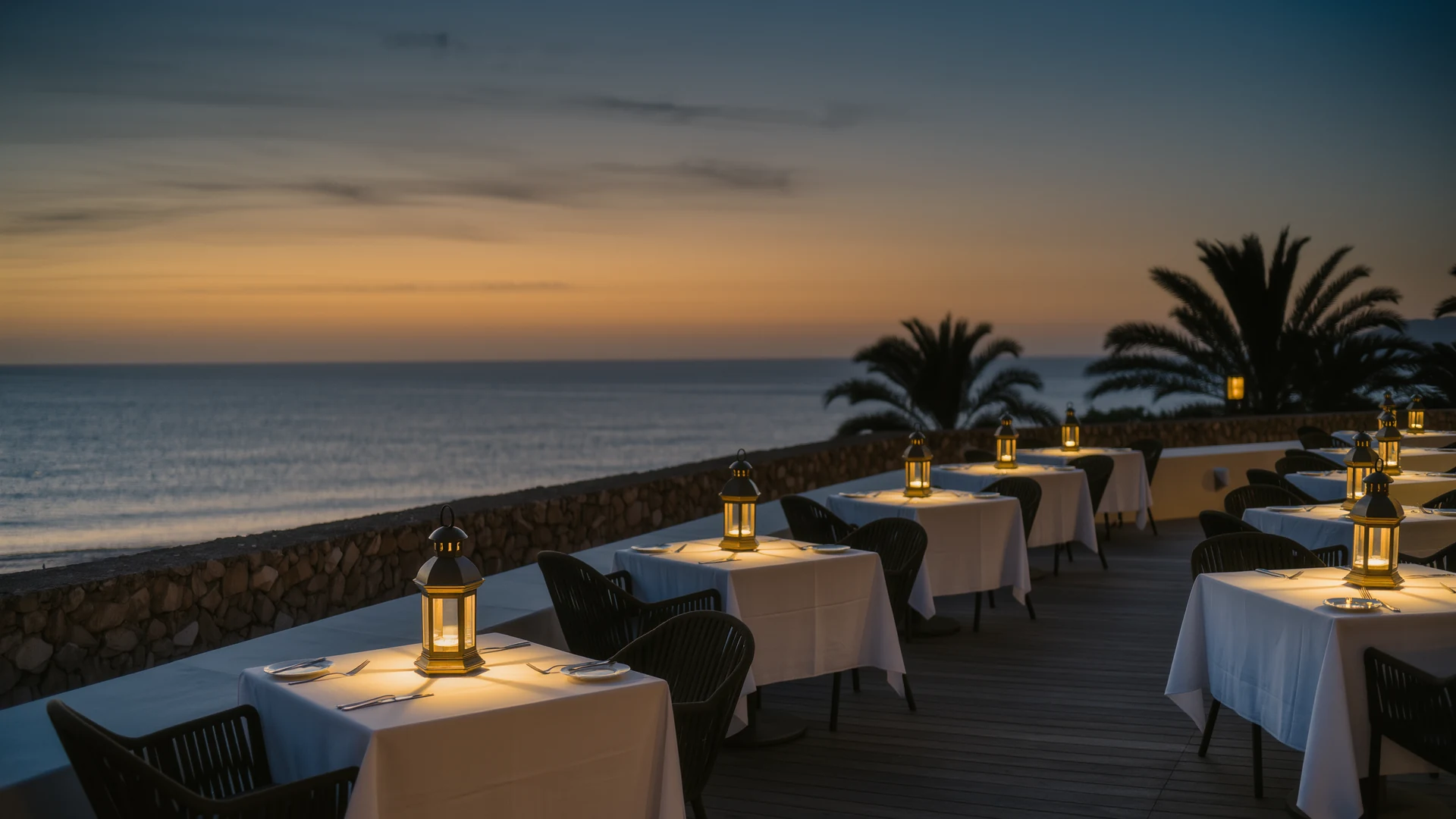
The Costa del Sol is one of Europe's most exciting gastronomic regions, with over a dozen Michelin-starred restaurants, beachfront espeto chiringuitos, vibrant tapas culture, and renowned Málaga produce.
Key Takeaways
- The province of Málaga now boasts more than a dozen Michelin-starred restaurants alongside traditional Andalusian cooking, tapas culture, and a new generation of chefs.
- Signature dishes include the espeto de sardinas grilled over olive wood, porra antequerana, ajo blanco, pescaíto frito, and pipirrana.
- Prized local ingredients include DOP Antequera olive oil from Hojiblanca and Picual olives, Alborán Sea seafood like gambas rojas, and Málaga's subtropical mangoes and avocados.
- Málaga's tapeo (tapas crawl) centres on Calle Granada, Calle Álamos and the Soho district, with bars like El Pimpi, Casa Lola and Cortijo de Pepe.
- Standout Michelin-starred fine dining includes Skina and Nintai in Marbella, plus José Carlos García and Kaleja in Málaga city.
- The Mercado Central de Atarazanas, a 19th-century iron-and-glass market built on a Moorish shipyard, is Málaga's food cathedral.
- Málaga has its own DO with sweet Pedro Ximénez and Moscatel wines, while the high-altitude Ronda wine route produces elegant reds and whites at 600bis900 metres.
🌐 Also available in: Deutsch
The Costa del Sol is one of Europe’s most exciting gastronomic regions. For decades, it was unfairly dismissed as a land of tourist menus and overcooked paella, a stereotype that was never entirely accurate and is now completely obsolete. Today, the province of Málaga boasts more than a dozen Michelin-starred restaurants, a deep tradition of humble but brilliant Andalusian cooking, a vibrant tapas culture, exceptional produce from both land and sea, and a new generation of chefs who are remixing tradition with technique drawn from the world’s great kitchens.
This guide covers the full spectrum of Costa del Sol gastronomy: the foundational ingredients and traditional dishes, the best tapas bars and chiringuitos, the fine-dining temples, the food markets worth seeking out, and the wine and drink culture that complements it all.
The Foundations: Local Ingredients and Traditional Dishes
Andalusia’s Prize Ingredients: Olive Oil, Seafood, and Mountain Produce
The Costa del Sol’s culinary identity rests on a handful of extraordinary ingredients. The olive oil of Antequera and the surrounding mountains, Denominación de Origen Protegida Antequera, is among Spain’s finest, made primarily from Hojiblanca and Picual olives, with a grassy, peppery character that elevates everything it touches. The seafood of the Alborán Sea, a transitional zone between the Mediterranean and the Atlantic, is exceptional in its variety and freshness: red mullet, sea bass, John Dory, cuttlefish, octopus, sardines, anchovies (boquerones), and the prized gambas rojas (red prawns) of the deep waters off the coast. Málaga’s subtropical microclimate produces mangoes, avocados, cherimoyas, and nísperos (loquats) in abundance, particularly in the valleys between Nerja and Almuñécar. The Serranía de Ronda is a high-altitude enclave of chestnuts, wild mushrooms, game, and excellent Iberian pork. And the goats and sheep of the sierras produce the milk for Málaga’s excellent cheeses, including the pungent, blue-veined Queso de Cabra Malagueño.
Signature Dishes of the Costa del Sol
The region’s most iconic dishes begin with the espeto de sardinas, sardines skewered onto thin bamboo canes and grilled upright over an open fire of olive wood on the beach, seasoned only with coarse salt. This is the taste of a Costa del Sol summer, best consumed standing at a chiringuito with a plastic cup of chilled fino sherry or a cold beer. The porra antequerana is a thicker, heartier cousin of gazpacho, a cold soup of tomato, bread, garlic, olive oil, and green pepper, garnished with hard-boiled egg and jamón serrano. Ajo blanco, an almond-and-garlic cold soup dating from Moorish times, is typically served with green grapes or slices of melon, a combination that sounds strange and tastes sublime. Pescaíto frito, mixed small fish, from anchovies to squid rings, dusted in flour and flash-fried in olive oil until crisp, is a staple of every chiringuito and casual restaurant along the coast. Pipirrana is a refreshing salad of chopped tomato, onion, green pepper, and cucumber, dressed with olive oil and vinegar, often topped with tinned tuna or salt cod.
Tapas Culture: The Art of Eating Standing Up
The Tapeo: Málaga’s Sacred Tapas Crawl
Tapas is not just food on the Costa del Sol; it is a way of life. In Málaga city, the tapeo (tapas crawl) is a sacred ritual, particularly along Calle Granada, Calle Álamos, the streets around the Mercado de Atarazanas, and in the bohemian Soho district. The unwritten rule: you order a drink (a caña of beer, a glass of wine, or a vermut), and at most traditional bars, a small tapa comes with it, included in the price. This practice has survived in Málaga far more robustly than in other Spanish cities, where the free tapa has become a rarity.
The Costa del Sol’s Most Essential Tapas Bars
The essential Málaga tapas bars include: El Pimpi, the grande dame in a restored 18th-century mansion on Calle Granada, with its famous barrel-signed by celebrities (Antonio Banderas is a regular), excellent jamón, and a terrace with views of the Alcazaba. Casa Lola, around the corner, is more modern but equally beloved, famous for its miniature montaditos (small filled rolls) and its vermut de grifo (vermouth on tap). Cortijo de Pepe, near the Mercado de Atarazanas, is an old-school standing-room-only joint where the tapas are generous and the atmosphere is pure Málaga. In Marbella, the Old Town’s Taberna La Niña del Pisto serves spectacular traditional tapas, the rabo de toro (oxtail stew) is legendary. In Estepona, La Cueva is a tiny, cave-like bar where the tapas are inventive and the sherry list is excellent. In Nerja, El Pulguilla serves cold beer and perfect seafood tapas on a bustling terrace in the town centre.
Chiringuitos: Beachfront Dining Done Right
What Defines a True Chiringuito
Legendary Chiringuitos Across the Coast
El Palo: Spiritual Home of the Espeto
The chiringuito is the Costa del Sol’s most characteristic eating establishment: a casual, often family-run restaurant on the beach, specialising in grilled fish and seafood. The best chiringuitos are not always the most obvious. Beyond the famous Ayo’s in Nerja and El Tintero in Málaga (the latter a chaotic and wonderful experience where waiters walk around shouting the names of dishes and you flag down what you want), there are dozens of smaller, higher-quality operations. In Marbella, Chiringuito La Pesquera on Playa de la Fontanilla combines prime beachfront location with genuinely excellent grilled fish. In Estepona, La Escollera on Playa de la Rada serves fresh-caught sea bass and perfectly dressed salads. In Fuengirola, Los Marinos José on the Paseo Marítimo is run by a family of fishermen and serves some of the best seafood on the coast, including enormous carabineros (scarlet prawns) cooked on the plancha. In the village of El Palo, east of Málaga city, a string of chiringuitos, including El Cachalote and Gabi, specialise in espetos cooked over open fires on the sand, literally steps from where the boats land their catch each morning.
Fine Dining: The Michelin Constellation
The Dani García Revolution and Its Legacy
The Costa del Sol’s fine-dining scene has undergone a revolution over the past two decades, driven initially by the Marbella-born chef Dani García. Although García closed his three-Michelin-star namesake restaurant in 2018 to focus on more accessible concepts, his influence is everywhere. His steakhouse, Leña, at the Puente Romano resort in Marbella, is a dark, dramatic temple to charcoal-grilled meat where the menu spans Galician blonde beef, Wagyu, and an extraordinary vegetarian option, a whole celeriac roasted in a salt crust. His tapas concept, BiBo, at the Marbella Club, is a globe-trotting take on tapas that runs from Iberian ham croquetas to tuna tartare with wasabi, served in a beautiful garden setting under a canopy of trees.
Marbella’s Michelin-Starred Gems: Skina and Nintai
Skina, in Marbella’s Old Town, remains one of the coast’s most intimate and prestigious fine-dining experiences. With just a handful of tables and a kitchen visible from the dining room, chef Marcos Granda crafts tasting menus that draw deeply on Andalusian tradition while embracing modern techniques. The wine list is one of the best in southern Spain. Nintai, also in Marbella, is widely regarded as the best Japanese restaurant on the Costa del Sol, a small, minimalist counter where the omakase menu showcases the finest fish from Japanese and Spanish waters.
Málaga City and Beyond: Starred Dining from Port to Mountains
In Málaga city, José Carlos García, located on the Muelle Uno waterfront with a striking glass-walled dining room overlooking the port, holds a Michelin star and serves refined, ingredient-driven cooking that showcases Málaga’s seafood and produce. Kaleja, in the Jewish quarter of Málaga, earned a star for chef Daniel Carnero’s delicate, wood-fired dishes that merge Jewish, Moorish, and modern Spanish traditions. In Benahavís, a mountain village known as the “dining room of the Costa del Sol,” the Restaurant Los Abanicos serves sophisticated game and Iberian pork in a rustic-chic setting, while Amanhavis, in the heart of the village, offers a romantic, candlelit experience with a set menu that changes daily.
Food Markets: The Source Code
Mercado Central de Atarazanas: Málaga’s Food Cathedral
Coastal Markets from Marbella to Fuengirola
Specialty and Organic Markets
For anyone who cooks, or anyone who simply loves food, the Costa del Sol’s markets are essential destinations. The Mercado Central de Atarazanas in Málaga is a 19th-century iron-and-glass structure built on the site of a Moorish shipyard (hence “atarazanas”), with a spectacular stained-glass window at its entrance. Inside, stalls groan with impossibly fresh fish, glistening vegetables, hanging jamones, and barrels of olives. The bar inside the market, where you can eat oysters shucked to order or a plate of grilled chipirones (baby squid), is a Málaga institution. The Mercado de Marbella, a modern building near the bus station, has excellent fish and produce stalls and several tapas bars where the quality is high and the clientele is local. The Saturday morning market in Estepona’s covered market hall and the Friday market in Fuengirola (Recinto Ferial) are both excellent for fresh produce, cheese, olives, and spices. For a more curated experience, the Terra Sana organic market in Marbella’s Parque de la Represa (first Saturday of each month) brings together organic farmers, artisan bakers, and natural-wine producers from across Andalusia.
Wine, Sherry, and Spirits of the Costa del Sol
The Renaissance of Málaga Wine: Sweet, Dry, and Everything in Between
The Costa del Sol sits within Andalusia, one of Spain’s oldest and most distinctive wine regions. The province of Málaga has its own DO (Denominación de Origen): Málaga and Sierras de Málaga. The sweet Málaga wines, made from Pedro Ximénez and Moscatel grapes, often sun-dried after harvest to concentrate their sugars, were among the most famous wines in the world in the 18th and 19th centuries, adorning the tables of royal courts across Europe. Today, they are experiencing a renaissance thanks to a handful of dedicated producers. Bodegas Jorge Ordóñez, in Almáchar, produces world-class sweet Málaga wines under the Botani and Victoria labels, as well as dry Moscatel that is crisp, floral, and utterly surprising. Bodegas Quitapenas, founded in 1880, is Málaga’s most historic producer and makes excellent vermouth, sweet wines, and increasingly serious dry whites from Moscatel. The Ronda wine route, in the mountains above the coast, has gained international recognition for its high-altitude vineyards. Bodegas F. Schatz, Bodega Joaquín Fernández, and Descalzos Viejos are producing elegant reds and whites from international and native varieties at elevations of 600bis900 metres, where cool nights preserve acidity and the limestone soils impart minerality.
The Ronda Wine Route: High-Altitude Elegance
Sherry: The Classic Andalusian Companion
Sherry, from the “Sherry Triangle” of Jerez de la Frontera, Sanlúcar de Barrameda, and El Puerto de Santa María (about two hours west of the Costa del Sol), is the classic Andalusian accompaniment to tapas. Fino and Manzanilla, pale, dry, and served ice-cold, are the perfect matches for fried fish and seafood. A glass of chilled fino and a plate of boquerones en vinagre, consumed standing at a bar while the Mediterranean glitters in the background, is one of life’s perfect pairings.
Drinking Like a Local: Vermut, Rebujito, and Málaga Dulce
To drink like a local, start your evening with a vermut de grifo, vermouth on tap, typically the red, slightly sweet Málaga-style vermouth served with a slice of orange and an olive, at a bar like Casa Lola or Antigua Casa de Guardia in Málaga. During the day, order a rebujito, fino sherry mixed with lemon-lime soda over ice, a refreshing, low-alcohol drink invented for the Seville feria but now ubiquitous across Andalusia. And at the end of a meal, a copa of Málaga dulce, whether Pedro Ximénez or Moscatel, is a liquid dessert that needs no accompaniment other than a sunset.
From the humblest beachfront chiringuito to the most refined Michelin-starred dining room, the Costa del Sol’s gastronomic landscape is deep, diverse, and increasingly celebrated. Eating and drinking here is not merely fuel; it is culture, it is community, and, if you do it right, it is one of the most memorable parts of any visit or any life lived on these shores.
Culinary Festivals and Food Events
Tapas Competitions and Gastronomic Routes
Harvest Festivals: Espeto, Cheese, and the Vendimia
The Costa del Sol’s food calendar is packed with events that celebrate the region’s produce and culinary traditions. The Feria de la Tapa in Málaga city, typically held in June, transforms the city centre’s bars into a competition of miniature gastronomic creations, with participants voting for their favourites via a dedicated app. Marbella’s Gastroarte event, usually in October, brings together chefs, sommeliers, and food artisans for a weekend of tastings, demonstrations, and collaborative dinners. The Ruta de la Tapa (Tapas Route) runs in multiple towns, Estepona, San Pedro, Fuengirola, Nerja, at various times of the year, offering a map and a passport to visit participating bars for a tapa and a drink at a fixed, low price (typically €2.50, €3.50). The Fiesta del Espeto in Málaga’s El Palo neighbourhood in August is a celebration of the quintessential Costa del Sol cooking method, with open fires lining the beach and thousands of sardines grilled simultaneously. The Feria del Queso (Cheese Fair) in Ronda showcases the cheeses of the Serranía and Andalusia. And the Fiesta de la Vendimia (Grape Harvest Festival) in the Málaga wine region, particularly around the villages of Almáchar and Cómpeta in late August and early September, is a riot of grape-treading, music, and the first tastings of the year’s wine.
Cooking Schools and Culinary Experiences
Hands-On Cooking Schools in Málaga and Marbella
Gastronomic Day Trips and Tasting Experiences
For those who want to take the flavours of the Costa del Sol home with them, the region offers excellent cooking schools and culinary experiences. The Andalusian Cooking School in Málaga, run by British chef Clive Hannay, offers half-day and full-day courses in a professional kitchen, covering everything from tapas and paella to the secrets of Spanish olive oil and sherry. Aroma Catering and Cooking in Marbella runs classes in a private villa kitchen, with a focus on seasonal Mediterranean cuisine and market-to-table cooking. The Finca La Giralda near Ronda offers farm-to-table experiences that include harvesting from the vegetable garden and cooking in a traditional outdoor kitchen. For a more immersive experience, several tour operators offer gastronomic day trips: visit an olive oil mill in Antequera for a tasting of Hojiblanca and Picual oils; tour the Bodegas Quitapenas in Málaga for vermouth and sweet wine; or head to the mountains for a truffle-hunting expedition with trained dogs followed by a truffle-infused lunch. Prices for half-day cooking classes range from approximately €75, €120 per person; full-day experiences including a market visit and lunch are €150, €250.
Seafood Culture and the Daily Auction
The Lonjas: Where the Night’s Catch Finds Its Market
Traditional Fishing Methods and Sustainability
The Costa del Sol’s seafood culture is not a tourist performance; it is a living, working industry. The lonjas (fish auctions) of Málaga, Fuengirola, Caleta de Vélez, and Estepona are where the night’s catch is sold to the highest bidder every morning at dawn. While the auctions themselves are not generally open to the public, the fish markets adjacent to them, particularly the Mercado de Mayoristas de Málaga and the fish halls within the municipal markets, are spectacular displays of the Alborán Sea’s bounty. Watching the boats come in at El Palo in Málaga or at the fishing port of Caleta de Vélez (the largest fishing port in Andalusia) is a reminder that behind every plate of boquerones or espeto is a centuries-old tradition of small-scale, artisanal fishing. The Costa del Sol’s fishing fleet is overwhelmingly composed of family-owned boats using traditional methods, traína (purse seine), trasmallo (trammel net), and palangre (longline), that are relatively low-impact and selective. The pescado de lonja (fish that has passed through the official auction) carries a traceability label that guarantees its origin and freshness. Supporting these local fisheries by choosing fresh, seasonal, local seafood is one of the most direct ways to engage with and preserve the Costa del Sol’s culinary heritage.
Frequently Asked Questions (FAQ)
How many Michelin-starred restaurants does the Costa del Sol have?
The province of Málaga boasts more than a dozen Michelin-starred restaurants. Notable starred venues include Skina and Nintai in Marbella's Old Town, plus José Carlos García on the Muelle Uno waterfront and Kaleja in Málaga's Jewish quarter, reflecting a fine-dining revolution driven initially by Marbella-born chef Dani García.
What is the espeto de sardinas on the Costa del Sol?
The espeto de sardinas is sardines skewered onto thin bamboo canes and grilled upright over an open fire of olive wood on the beach, seasoned only with coarse salt. It is best eaten standing at a chiringuito with chilled fino sherry or a cold beer, and is the iconic taste of a Costa del Sol summer.
Where are the best tapas bars in Málaga city?
Essential Málaga tapas bars include El Pimpi, the grande dame in a restored 18th-century mansion on Calle Granada; Casa Lola, beloved for montaditos and vermut de grifo; and Cortijo de Pepe, an old-school standing-room joint near the Mercado de Atarazanas. The tapeo crawl centres on Calle Granada, Calle Álamos and the Soho district.
What is a chiringuito and where can I find the best ones?
A chiringuito is a casual, often family-run beach restaurant specialising in grilled fish and seafood. Famous examples include Ayo's in Nerja and El Tintero in Málaga, while higher-quality options include La Pesquera in Marbella, Los Marinos José in Fuengirola, and the espeto chiringuitos El Cachalote and Gabi in El Palo.
What wines does the Málaga region produce?
Málaga has its own DO, Málaga and Sierras de Málaga. It is famous for sweet wines from Pedro Ximénez and Moscatel grapes, often sun-dried to concentrate sugars. Producers include Bodegas Jorge Ordóñez in Almáchar and the historic Bodegas Quitapenas. The Ronda wine route adds elegant high-altitude reds and whites grown at 600bis900 metres.
What are the signature traditional dishes of the Costa del Sol?
Iconic dishes include the espeto de sardinas, the porra antequerana cold soup, ajo blanco (an almond-and-garlic cold soup from Moorish times served with grapes or melon), pescaíto frito (mixed small fried fish), and pipirrana, a refreshing chopped salad often topped with tuna or salt cod.
What is the Mercado Central de Atarazanas in Málaga?
The Mercado Central de Atarazanas is Málaga's food cathedral, a 19th-century iron-and-glass structure built on the site of a Moorish shipyard, with a spectacular stained-glass window at its entrance. Inside, stalls offer fresh fish, vegetables, jamones and olives, and its bar serves oysters and grilled chipirones to order.
What food festivals and culinary events happen on the Costa del Sol?
The food calendar includes the Feria de la Tapa in Málaga in June, Marbella's Gastroarte in October, and the Ruta de la Tapa across towns like Estepona and Nerja. The Fiesta del Espeto fills El Palo's beach in August, while the Feria del Queso in Ronda and the Fiesta de la Vendimia around Almáchar and Cómpeta celebrate cheese and the grape harvest.
How many Michelin-starred restaurants does the region have?
What are the signature dishes of the Costa del Sol?
Where should I go for tapas and local wine?
More from Fine Dining
Indulge in Luxury Gastronomy: Spain’s Culinary Delights
You’re probably here because you’re wondering what “luxury gastronomy” in Spain actually means. Simply put, it’s about e…
Top Seafood Restaurants on the Costa del Sol
If you’re wondering where to find incredible seafood on the Costa del Sol, you’re in luck. This stretch of coastline is renowned for its f…
Top Puerto Banus Restaurants: A Culinary Guide
So, you’re heading to Puerto Banús and wondering where to eat? It’s a fair question, given the sheer number of places vying for your atten…