Costa del Sol Family Guide
Costa del Sol family guide: the best towns, international schools, healthcare, childcare costs, kids’ attractions and rainy-day ideas for families living or visiting.…
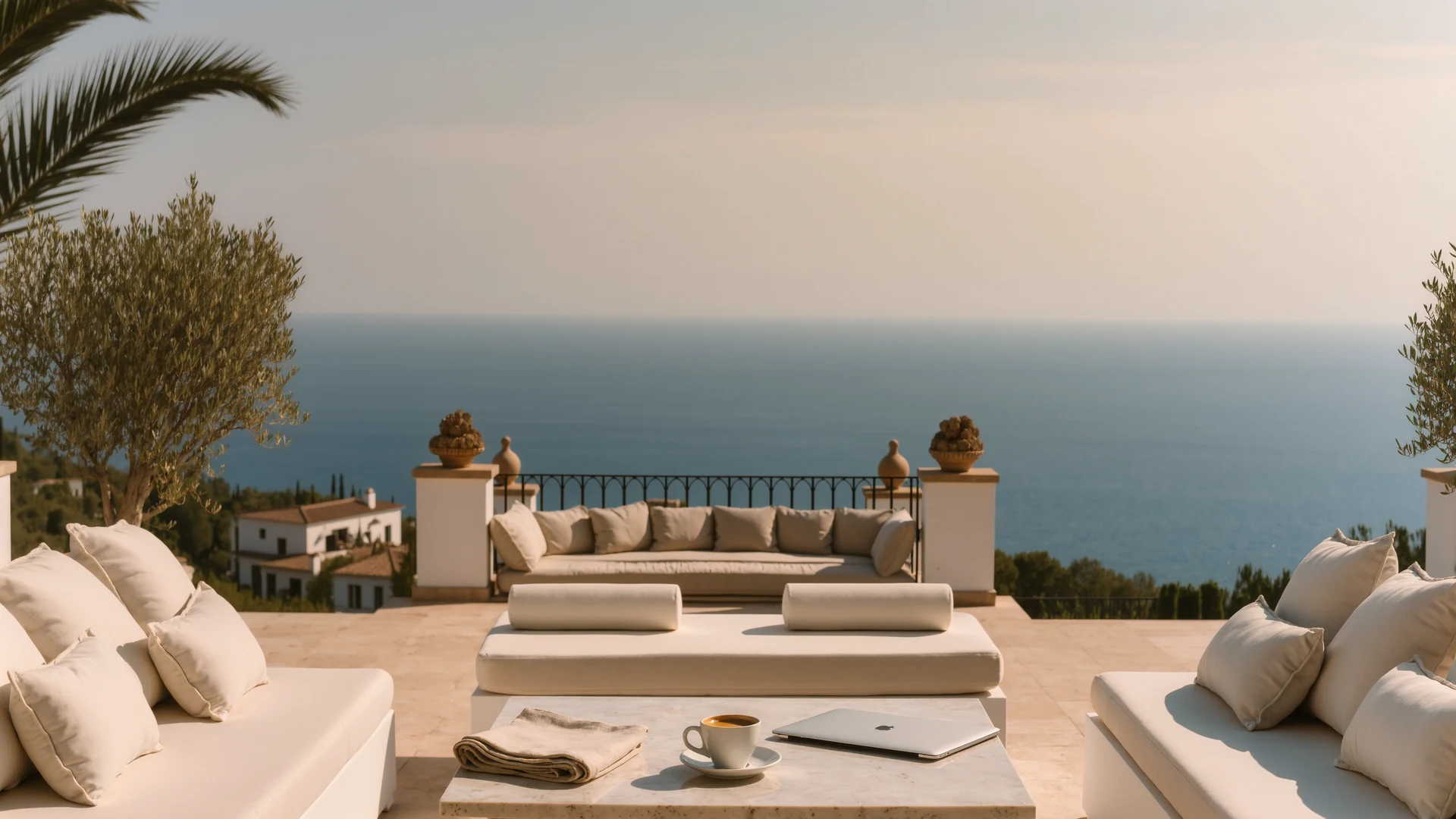
The Costa del Sol is one of Europe's finest family destinations, combining a child-loving culture, year-round outdoor climate, top international schools, and excellent healthcare.
Key Takeaways
- San Pedro de Alcántara is rated the best all-round family location, with a real Spanish town centre, a renovated beachfront promenade, and three-bedroom apartments from 250,000 to 600,000 euros.
- The international school ecosystem includes Swans International School (around 800 students, fees roughly 6,000 to 13,000 euros), Aloha College, and The English International College in Elviria.
- Spain's public healthcare provides free comprehensive paediatric care for registered residents, while private paediatric consultations cost approximately 60 to 100 euros without insurance.
- Top child attractions include Bioparc Fuengirola, Selwo Aventura in Estepona, Aqualand Torremolinos (open May to October), and the free Parque de la Paloma in Benalmádena.
- Caminito del Rey is suitable for children aged 8 and above who are comfortable with heights; children under 8 are not permitted.
- Childcare is well developed: Spanish municipal nurseries cost about 200 to 400 euros per month, and a full-time live-out nanny costs roughly 1,200 to 1,800 euros per month plus social security.
- Family events anchor the calendar, headlined by the Three Kings Parade (Cabalgata de los Reyes Magos) on the evening of January 5th and Málaga's daytime Feria in August.
The Costa del Sol is, without exaggeration, one of Europe’s finest destinations for families. The Spanish culture is famously child-friendly, children are welcomed everywhere, from restaurants to plazas, and the notion of a “child-free” space is almost unheard of. The climate encourages outdoor living, with parks, beaches, and activities available year-round. The infrastructure is excellent, with dozens of international schools, world-class healthcare, and a range of housing options suited to families of all sizes and budgets. And the sheer variety of things to do, from theme parks and water parks to nature reserves, interactive museums, and gentle hiking trails, means that the phrase “I’m bored” is rarely heard.
This guide covers every aspect of family life on the Costa del Sol: the best neighbourhoods and towns for families, the school system explained, healthcare for children, childcare and domestic support, outdoor activities, rainy-day options, and the annual calendar of family-friendly events. Whether you are relocating with young children, planning an extended holiday, or already living here and looking for new ideas, this guide has you covered.
Best Neighbourhoods and Towns for Families
Choosing where to live is the most important decision for any family, and the Costa del Sol offers a variety of options, each with its own character, price point, and family-friendliness quotient.
San Pedro de Alcántara (Marbella): San Pedro, just west of Marbella town, is arguably the best all-round family location on the coast. It has a genuine Spanish town centre with a lively plaza, a pedestrianised shopping street, and a recently renovated beachfront promenade that is superb for cycling, scootering, and evening paseos. The beach is wide, clean, and well-equipped with chiringuitos and playgrounds. The town has excellent sports facilities, including a municipal pool, tennis courts, and football pitches. Several international schools. Laude San Pedro International College, San José International School, and Colegio Alborán, are either in San Pedro or a short drive away. The housing stock ranges from modern apartments (€250,000, €600,000 for a three-bedroom) to spacious villas with gardens and pools (€600,000, €2 million). San Pedro feels like a real community, not a transient resort, and the year-round Spanish population ensures that it doesn’t become a ghost town in winter.
Elviria and Las Chapas (East Marbella): The area east of Marbella centre, around Elviria and Las Chapas, is another family favourite. It is greener, less dense, and slightly more affordable than the Golden Mile and Nueva Andalucía, while still being within 10bis15 minutes of Marbella and Puerto Banús. The beaches here, including Playa de Cabopino and Playa de la Viborilla, are among the best on the coast, with protected dunes, calm water, and excellent chiringuitos. The English International College, one of the Costa del Sol’s top schools, is located in Elviria, and Colegio Ecos and the Colegio Alemán de Málaga (German School) are nearby. Housing options include spacious apartments in gated communities with large communal gardens and pools (€300,000, €700,000 for three bedrooms), townhouses (€400,000, €800,000), and villas (€700,000, €3 million). The Elviria commercial centre has a large Supercor supermarket, a pharmacy, a few restaurants, and essential services, while La Cañada shopping centre is 15 minutes away.
Estepona: Estepona’s recent renaissance, driven by substantial municipal investment in public spaces, infrastructure, and cultural programming, has made it an increasingly attractive option for families. The renovated Old Town is a joy to walk through, with flower-filled streets that have become a tourist attraction in themselves. The beachfront promenade now extends for kilometres, forming a continuous pedestrian and cycle path. The town has excellent sports facilities, including the recently opened Estadio de Atletismo (athletics stadium), multiple football pitches, and the Parque de la Concepción botanical gardens. Schools include Colegio San José (a well-regarded Spanish concertado) and the International School Estepona. Housing is more affordable than Marbella’s prime areas: modern three-bedroom apartments from €250,000, €450,000, townhouses from €350,000, €600,000, and villas from €500,000 upwards. The town retains a strong Spanish identity and has a year-round vitality that many families appreciate.
Mijas Costa (La Cala, Calahonda, Riviera): The stretch of coast between Fuengirola and Marbella offers excellent value for families and, in La Cala de Mijas, a charming small-town atmosphere centred on a traditional Spanish plaza just back from the beach. The area is well-served by schools (St. Anthony’s College, The British College of Benalmádena is a short drive away, and several Spanish schools), sports facilities, and the large Parque de la Butibamba with its playgrounds, picnic areas, and summer activities. Housing prices are attractive: three-bedroom apartments in good communities from €200,000, €400,000, townhouses from €300,000, €500,000. The A-7 motorway gives quick access to both Marbella and Málaga and their airports.
Málaga City (Pedregalejo and El Limonar): For families who want urban energy and culture alongside beach life, Málaga’s eastern neighbourhoods, Pedregalejo, El Limonar, and Cerrado de Calderón, are the best bet. Pedregalejo’s string of small, sheltered beaches is perfect for young children, and the promenade is lined with excellent restaurants. The centre of Málaga, with its museums, parks, and cultural activities, is 10bis15 minutes by bus or a pleasant walk along the seafront. Schools include the Lycée Français de Málaga, St. George’s British School, and the Swedish School. Housing is more urban: apartments in modernist buildings in El Limonar (€300,000, €700,000), townhouses and smaller villas in Cerrado de Calderón (€500,000, €1.2 million).
Nerja and the Eastern Costa del Sol: For families seeking a more authentically Spanish childhood experience at a lower cost, the eastern Costa del Sol, particularly Nerja and Torrox, is worth serious consideration. Nerja’s schools are Spanish, but the town has a large international community and excellent sports and social infrastructure. The beaches, Burriana, Calahonda, Carabeo, are beautiful, safe, and numerous. Housing in Nerja town centre: apartments from €180,000, €350,000; villas on the outskirts from €400,000. The pace of life is slower, the Spanish is more necessary (a positive for many parents), and the sense of community is strong.
Schooling: International and Spanish Options
The Costa del Sol’s international school ecosystem is one of the strongest in Europe, reflecting the large and long-established expatriate population. The schools follow either the British curriculum (leading to GCSEs and A-Levels), the International Baccalaureate, or in some cases Scandinavian, German, or French national curricula. Here is an overview of the major institutions:
Swans International School (Marbella, with primary and secondary campuses): One of the coast’s largest and best-regarded international schools, following the British curriculum. Offers IGCSE and A-Levels. Strong academic results and a wide range of extracurricular activities. Approximately 800 students from 50+ nationalities. Annual fees: approximately €6,000, €13,000 depending on age.
Aloha College (Nueva Andalucía, Marbella): Another top-tier British-curriculum school, consistently rated “Outstanding” by British Schools Overseas inspections. Excellent sporting facilities, strong music and drama programmes. Annual fees: €7,000, €14,000.
The English International College (Elviria, Marbella): A smaller, highly academic British-curriculum school with a reputation for excellent results and individual attention. Annual fees: €6,500, €12,000.
St. George’s British School (Málaga and San Pedro): A well-established school with two campuses, following the British curriculum. The Málaga campus is particularly strong. Annual fees: €5,000, €10,000.
Laude San Pedro International College (San Pedro): Part of the International Schools Partnership group, offering the British curriculum and the International Baccalaureate. Modern facilities and an inclusive ethos. Annual fees: €5,500, €10,500.
Colegio Alemán de Málaga (German School, Elviria/Ojén border): For German-speaking families, this is an excellent, well-resourced school following the German curriculum, culminating in the Abitur. Annual fees: €4,000, €6,000.
Lycée Français International de Málaga: For French-speaking families, offering the French curriculum and the baccalauréat. Located in Málaga city, with bus services from the coast. Annual fees: €4,000, €6,000.
Swedish School (Fuengirola and Málaga): Serving the large Scandinavian community on the Costa del Sol, these schools follow the Swedish curriculum and offer a high standard of education in a nurturing environment. Annual fees: €3,000, €5,000.
In addition to these international options, Spain’s state school system, and the concertado (state-subsidised private) sector offer excellent education entirely in Spanish. Spanish state education is free; concertado schools charge modest fees (typically €100, €300 per month) and often have a particular educational philosophy (religious, Montessori, etc.). For families planning to stay in Spain long-term, immersion in the Spanish education system can be a powerful and rewarding choice.
Healthcare for Children
Spain’s healthcare system is excellent for paediatrics. The public system provides free, comprehensive care for registered residents, including vaccinations, regular check-ups, and specialist referrals. Private paediatric care is also widely available and affordable. Marbella has a dedicated children’s hospital, Hospital Quirónsalud Marbella’s paediatric department, and all the major hospitals have paediatrics wards with English-speaking doctors. Private paediatric consultations cost approximately €60, €100 without insurance. The vaccination schedule in Spain is comprehensive and follows the recommendations of the Spanish Paediatric Association. Many private health insurance policies designed for families include paediatric coverage with direct access to specialists without GP referral.
Outdoor Activities and Attractions for Children
The Costa del Sol is an outdoor family paradise. Beyond the obvious attraction of the beach, there is a remarkable range of activities designed for or suitable for children.
Parque de la Paloma, Benalmádena: A large, beautifully maintained park with extensive lawns, shaded paths, a lake with ducks and swans, a cactus garden, playgrounds, and free-ranging chickens, peacocks, and rabbits that are a source of endless fascination for small children. It is one of the best free attractions on the coast. Entry is free.
Selwo Marina, Benalmádena: A marine park featuring dolphin shows, penguins, sea lions, tropical birds, and interactive experiences including swimming with sea lions. A smaller, more manageable experience than the larger Selwo Aventura. Tickets: approximately €20 for adults, €15 for children.
Selwo Aventura, Estepona: A large safari park where animals, including lions, elephants, giraffes, and rhinos, roam in semi-wild enclosures. Visitors travel through the park on foot and by safari truck. There are adventure activities including ziplining and archery. Tickets: approximately €30 for adults, €22 for children. Family packages available.
Bioparc Fuengirola: An innovative zoo designed around “immersion”, visitors walk through recreations of tropical habitats (Madagascar, Equatorial Africa, Southeast Asia) with minimal visible barriers. The collection includes gorillas, orang-utans, tigers, lemurs, and an extraordinary Komodo dragon. It is a genuinely world-class zoo and suitable for all ages. Tickets: approximately €25 for adults, €18 for children. Annual family passes are good value for residents.
Sea Life Benalmádena: A classic aquarium with walk-through tunnels, touch pools, and a good variety of marine life from the Mediterranean and beyond. Well-suited to younger children. Tickets: approximately €18 for adults, €13 for children.
Aqualand Torremolinos: The largest water park on the Costa del Sol, with slides ranging from gentle to terrifying, a children’s area with mini-slides and shallow pools, a wave pool, and extensive sunbathing areas. Open May, October. Tickets: approximately €30 for adults, €22 for children; discounts for online booking.
Tivoli World, Benalmádena: An amusement park with rides, shows, and gardens. Note: Tivoli has had an uncertain operating status in recent years; check whether it is currently open before planning a visit.
Butterfly Park, Benalmádena: A tropical greenhouse with hundreds of free-flying butterflies, plus a small collection of other insects and a wallaby enclosure. A gentle, lovely experience for children of all ages. Tickets: approximately €10 for adults, €8 for children.
Caminito del Rey (with older children): The famous gorge walkway is suitable for children aged 8 and above who are comfortable with heights. It is safe, well-maintained, and genuinely spectacular. Book tickets well in advance. Children under 8 are not permitted.
Rainy-Day Options
Rain on the Costa del Sol is infrequent but not unknown, particularly between November and March. When it does arrive, the following indoor options come into their own:
Málaga’s Museums: The Centre Pompidou Málaga (modern art, interactive exhibits, child-friendly), the Museo Automovilístico (a stunning collection of classic and vintage cars), and the MIMMA (Interactive Music Museum, where children can touch and play instruments) are all excellent for families.
Museo Alborania, Málaga: Also called the Aula del Mar, this aquarium-museum focuses on the marine life of the Alborán Sea and has touch pools, skeletons, and educational exhibits. Excellent for primary-school-age children.
Indoor play centres: The Costa del Sol has numerous indoor soft-play and adventure centres. Funny Beach in Marbella (also has outdoor activities but the indoor section is useful on rainy days), Kidom in Málaga, and Jumping Jacks in Fuengirola all offer ball pits, climbing frames, trampolines, and café facilities for parents.
Miramar Shopping Centre, Fuengirola: A large, modern shopping centre with a cinema (films often screened in original language with Spanish subtitles), a food court with children’s menus, and a small children’s play area. La Cañada Shopping Centre in Marbella is similar but larger.
Annual Family Events
The Costa del Sol’s calendar is packed with events that families will enjoy. The Three Kings Parade (Cabalgata de los Reyes Magos) on the evening of January 5th, when elaborately decorated floats parade through every town distributing sweets to children, is a highlight of the Spanish Christmas season and a magical experience. The ferias of every town include a “Día del Niño” (Children’s Day) with discounted fairground rides. Málaga’s Feria in August is particularly family-friendly during the daytime in the historic centre. The Starlite Festival in Marbella sometimes includes family-oriented programming. And the numerous local romerías (pilgrimage-festivals) combine horses, music, food, and a relaxed, multi-generational atmosphere that is pure Andalusia.
Raising a family on, or simply visiting, the Costa del Sol is a life-affirming experience. The combination of a benign climate, a culture that genuinely loves children, excellent infrastructure, and a staggering variety of activities means that family life here balances stimulation and relaxation in a way that few other places can match. The only challenge is keeping up with everything on offer.
Childcare, Nannies, and Domestic Support
For families with young children, the availability of childcare and domestic support is a critical consideration. The Costa del Sol has a well-developed market for both. Nursery schools (guarderías) are plentiful and range from Spanish-language municipal nurseries (very affordable, from approximately €200, €400 per month) to private English-language nurseries such as The British Nursery of Marbella, Kids Kingdom in San Pedro, and Happy Days in Fuengirola (€400, €800 per month). Registration should be made well in advance, as places are limited, particularly for the most sought-after nurseries. For nannies and au pairs, agencies such as Elite Staff Marbella, Peques Málaga, and numerous Facebook groups and online communities connect families with English-speaking caregivers. A full-time, live-out nanny costs approximately €1,200, €1,800 per month plus social security contributions; a live-in au pair working 25bis30 hours per week receives approximately €300, €400 per month plus room and board. For occasional babysitting, hourly rates are typically €10, €15 for an experienced, English-speaking babysitter. Domestic help, cleaners, housekeepers, is widely available and more affordable than in Northern Europe: expect to pay €10, €15 per hour for a self-employed cleaner, with many families employing someone for 3bis6 hours per day, 3bis5 days per week. Contracts and social security contributions are legally required for regular domestic employees; a gestor can handle the paperwork.
Shopping for Children: Clothes, Toys, and Essentials
Parents will find everything they need on the Costa del Sol. The major shopping centres, La Cañada, Miramar, Plaza Mayor, have Zara Kids, H&M Kids, Mango Kids, Prenatal, and other high-street children’s-clothing retailers. The Spanish brand Mayoral has standalone stores across the coast and is excellent value for baby and children’s clothing. El Corte Inglés has extensive children’s departments covering clothing, toys, baby equipment, and school uniforms. For baby equipment, cots, prams, car seats, specialist stores like Bebé Mundo in Marbella, Prenatal in Málaga and Fuengirola, and the large Carrefour hypermarkets stock major international brands (Bugaboo, Stokke, Chicco, Maxi-Cosi). Second-hand and nearly-new children’s markets are popular in the international community, the RastroSolidario in Marbella, the regular car-boot sales and charity shops run by organisations like CUDECA and Age Concern, and numerous Facebook buy-and-sell groups are excellent for picking up high-quality used baby equipment and children’s clothing at a fraction of retail prices.
Sports, Clubs, and Extracurricular Activities
The Costa del Sol’s outdoor culture and excellent sports infrastructure translate into a wealth of extracurricular activities for children. Football is, unsurprisingly, the most popular: clubs like Marbella FC, CD Mijas, CD Fuengirola, and the Málaga CF academy run teams for all age groups from U6 upwards. Tennis and padel are widely available: the Club de Tenis de Marbella, the Puente Romano Tennis Club, and countless smaller clubs and residential-complex courts offer coaching and competitive play. Swimming lessons are a priority for coastal life: the municipal pools in Marbella, San Pedro, Estepona, Málaga, and Fuengirola run courses for all ages, and private swim schools operate in the pools of hotel and residential complexes. Martial arts, judo, karate, Brazilian jiu-jitsu, are well-represented, as are gymnastics, dance (ballet, flamenco, street dance), and horse riding. The Marbella Club Equestrian Centre, the Aloha Equestrian Centre, and stables in Mijas and Estepona offer riding lessons, pony camps, and hacks. Music lessons, piano, guitar, violin, singing, are available through private teachers and music schools like the Marbella Music School and the Conservatorio Profesional de Música de Málaga. During school holidays, sports camps, language camps, and activity camps (Marbella Football Camp, The British College holiday programme, Swans summer school, and the municipal summer schools run by each town hall) provide childcare and enrichment for working parents. Prices for holiday camps range from approximately €100, €250 per week.
Frequently Asked Questions (FAQ)
Which town on the Costa del Sol is best for families?
San Pedro de Alcántara, just west of Marbella, is arguably the best all-round family location. It has a genuine Spanish town centre with a lively plaza, a renovated beachfront promenade ideal for cycling and scootering, strong sports facilities, several international schools nearby, and a year-round community that does not empty out in winter.
What are the best international schools on the Costa del Sol?
Leading international schools include Swans International School and Aloha College in Marbella, both British-curriculum, plus The English International College in Elviria. There are also German (Colegio Alemán de Málaga), French (Lycée Français), and Swedish schools. Annual fees range broadly from about 3,000 to 14,000 euros depending on the school and the child's age.
How much does childcare cost on the Costa del Sol?
Costs vary by option. Spanish municipal nurseries run roughly 200 to 400 euros per month, while private English-language nurseries charge 400 to 800 euros. A full-time live-out nanny costs about 1,200 to 1,800 euros per month plus social security, and occasional babysitting is typically 10 to 15 euros per hour.
Is healthcare for children good on the Costa del Sol?
Yes. Spain's public system provides free, comprehensive paediatric care for registered residents, including vaccinations, check-ups, and specialist referrals. Marbella has a dedicated children's hospital department at Hospital Quirónsalud Marbella, and major hospitals have English-speaking paediatricians. Private paediatric consultations cost approximately 60 to 100 euros without insurance.
What family attractions can children visit on the Costa del Sol?
Children can visit Bioparc Fuengirola, the Selwo Aventura safari park in Estepona, Selwo Marina and Sea Life in Benalmádena, and Aqualand Torremolinos, the coast's largest water park. The free Parque de la Paloma in Benalmádena and Butterfly Park are gentle options for small children, with prices for paid attractions ranging from about 8 to 30 euros.
Can children walk the Caminito del Rey?
The Caminito del Rey gorge walkway is suitable for children aged 8 and above who are comfortable with heights. It is safe, well-maintained, and genuinely spectacular, but children under 8 are not permitted. Because it is popular, you should book tickets well in advance of your planned visit.
What do families do on the Costa del Sol when it rains?
Rainy-day options, most common between November and March, include Málaga's museums such as the Centre Pompidou, the Museo Automovilístico, and the interactive MIMMA music museum. Families also enjoy the Museo Alborania aquarium-museum, indoor play centres like Funny Beach and Jumping Jacks, and shopping centres such as Miramar and La Cañada.
Where can children play sports on the Costa del Sol?
Football is the most popular, with clubs like Marbella FC, CD Mijas, and the Málaga CF academy fielding teams from U6 upwards. Tennis and padel, swimming lessons at municipal pools, martial arts, dance, and horse riding at centres such as the Marbella Club Equestrian Centre are also widely available. Holiday camps cost roughly 100 to 250 euros per week.
Which town is best for families on the Costa del Sol?
What international schools are available for families?
Is Caminito del Rey suitable for children?
More from Mediterranean Lifestyle
Costa del Sol Living Guide 2026
Costa del Sol Living Guide 2026: zones, cost of living, healthcare, schools, visas and property prices from Marbella to Nerja for your move to souther…
Top 5 Best Places to Live on the Costa del Sol
Thinking about making the move to the Costa del Sol? Smart choice! It’s a fantastic part of Spain with a lot to offer. But with so many beautifu…
Spanish Mediterranean Living: Embracing the Good Life
Spanish Mediterranean living isn’t just about a beautiful coastline; it’s a whole vibe. Think of it as a deliberate choice to slow down, s…