Spanish Mediterranean Living: Embracing the Good Life
Spanish Mediterranean living isn’t just about a beautiful coastline; it’s a whole vibe. Think of it as a deliberate choice to slow down, savor the small things, and int…
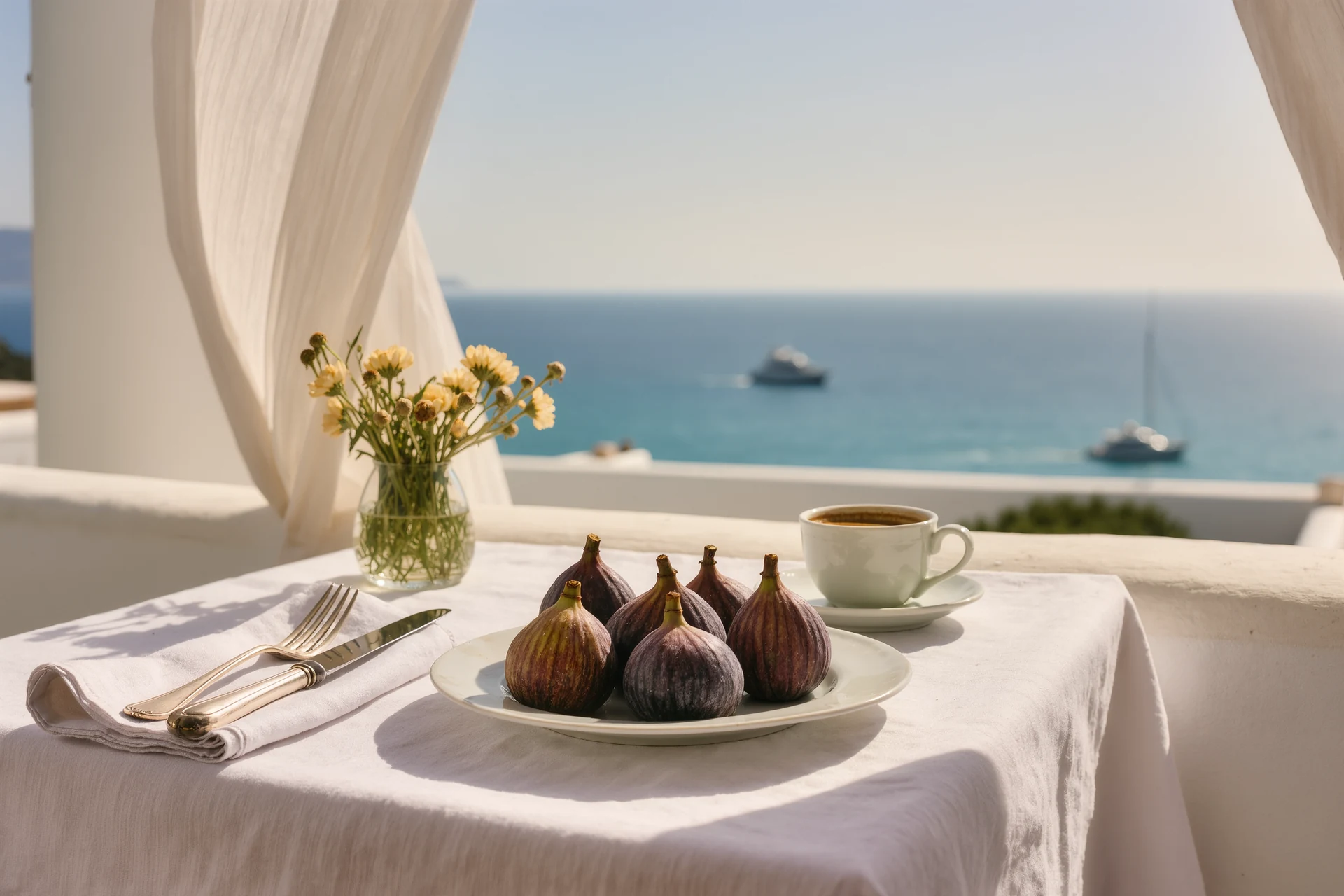
Spanish Mediterranean living isn’t just about a beautiful coastline; it’s a whole vibe. Think of it as a deliberate choice to slow down, savor the small things, and integrate a sense of well-being into your everyday. It’s about enjoying fresh, local food, spending time outdoors, and fostering community.
The Core Elements of the Lifestyle
At its heart, Spanish Mediterranean living is about balance. It’s not a strict set of rules, but rather a way of approaching life that prioritizes connection, nourishment, and enjoyment.
Embracing the Outdoors
The Mediterranean climate in Spain practically begs you to spend time outside. From the sun-drenched coasts to the charming inland villages, there are countless opportunities to enjoy the fresh air and sunshine.
Daily Outdoor Routines
Many Spanish routines naturally incorporate outdoor time. A morning coffee on a sunny terrace, an evening stroll along the promenade, or simply gathering with friends in a plaza, these are all integral parts of the day. It’s less about planned activities and more about allowing the environment to guide your day.
The Importance of Siesta
While the traditional long siesta might be less common in bustling city centers, the concept of a mid-day pause for rest and rejuvenation still holds sway, especially in smaller towns. It’s a biological rhythm that allows you to recharge and face the rest of your day with renewed energy. This isn’t about laziness; it’s about smart energy management.
Outdoor Socializing Spaces
Public spaces like plazas, parks, and beaches are designed for social interaction. They are extensions of people’s homes, places where neighbors chat, children play, and friends gather. This communal use of outdoor areas is a fundamental part of Spanish social fabric.
The Diet: More Than Just Food
The Spanish Mediterranean diet is world-renowned, and for good reason. It’s not just about what you eat, but how and when you eat it, promoting both health and enjoyment.
Fresh, Local, Seasonal Produce
The emphasis is on ingredients that are in season and sourced locally. This means vibrant vegetables, ripe fruits, and a wide variety of fresh fish and seafood. Supermarkets often have dedicated sections for local produce, and visiting small markets is a common practice.
Olive Oil as the Foundation
Olive oil is the cornerstone of the Mediterranean diet. It’s used in cooking, as a dressing, and even for dipping bread. The quality of olive oil found in Spain is exceptional, with regional variations offering unique flavors.
The Role of Fish and Seafood
Coastal regions naturally feature an abundance of fresh fish and seafood. This forms a significant part of the protein intake, offering lean and healthy options. Many traditional dishes revolve around grilled or baked fish.
Legumes and Whole Grains
Beans, lentils, chickpeas, and whole grain bread are also staples, providing fiber and sustained energy. They are often incorporated into hearty stews and salads.
Moderation with Meat and Dairy
While not entirely excluded, meat and dairy consumption is typically moderate. Red meat might be enjoyed a few times a week, often in stews or grilled.
The Spanish Approach to Eating
Meals are often longer, more communal affairs. Lunch, the main meal of the day, is traditionally eaten in the afternoon and is a time for family or friends to connect. Dinner is usually lighter and eaten later in the evening.
The Art of the Tapas
Tapas, small plates of food, are more than just appetizers; they are a social institution. They encourage a relaxed, grazing approach to eating, allowing for sampling a variety of flavors and sharing with others. It’s a very social way to dine.
Paella and Regional Specialties
Of course, no discussion of Spanish food is complete without mentioning paella and its many regional variations. These dishes often represent communal cooking and are perfect for sharing. Beyond paella, each region boasts its own unique culinary treasures, from the seafood of Galicia to the cured meats of the north.
Creating a Spanish-Inspired Home
Bringing the essence of Spanish Mediterranean living into your home is about more than just decor; it’s about creating spaces that encourage relaxation, connection, and enjoyment of life’s simple pleasures.
Natural Materials and Warm Tones
Think of materials that feel authentic and grounded.
Terracotta Tiles and Wooden Beams
These classic elements add warmth and a Mediterranean feel. Terracotta floors are practical and beautiful, especially in warmer climates, while exposed wooden beams lend a rustic charm to ceilings.
Whitewashed Walls
A staple in Mediterranean architecture, whitewashed walls reflect light and create a cool, airy ambiance, perfect for combating the heat.
Natural Light
Maximizing natural light is key. Large windows, glass doors, and light-colored furnishings help to amplify sunlight, making spaces feel more open and vibrant.
Comfortable and Inviting Spaces
The goal is to create areas where people feel welcome and at ease.
Plush Seating and Outdoor Lounges
Comfortable sofas, ample cushions, and inviting outdoor seating areas encourage people to linger and relax. Think of creating cozy nooks for reading or spaces for al fresco dining.
Open-Plan Living
Where possible, open-plan living areas foster a sense of togetherness. Kitchens that flow into dining and living spaces make it easy to entertain and stay connected with guests.
Indoor-Outdoor Flow
Bridging the gap between indoor and outdoor spaces is crucial. Large sliding doors that open onto patios or gardens blur the lines and bring the beauty of the outdoors in.
Decorative Touches
Subtle accents can make a big difference.
Ceramic Pottery and Hand-Painted Tiles
These add splashes of color and intricate detail, reflecting the craftsmanship found throughout Spain.
Wrought Iron Accents
From lighting fixtures to balcony railings, wrought iron adds a touch of classic Spanish elegance.
Vibrant Textiles
Colorful throws, cushions, and rugs can inject personality and warmth into a space, inspired by the rich artistic traditions of the region.
The Mindset: Living in the Moment
Perhaps the most crucial aspect of Spanish Mediterranean living is the mindset it cultivates: a conscious effort to be present and appreciate the everyday.
Savoring the Small Moments
This lifestyle encourages you to pause and notice the simple joys.
The Morning Ritual
Starting the day with a slow coffee, a quiet read, or a brief chat with a neighbor sets a peaceful tone. It’s not about rushing but about easing into the day.
The Lunchtime Pause
As mentioned, lunch is often a more substantial and relaxed meal. It’s a chance to disconnect from work and reconnect with family or friends, fostering a sense of community and well-being.
Evening Strolls and Socializing
The evening hours are often dedicated to leisurely walks, a practice known as “pasear,” followed by socializing. This could be a chat with neighbors, a drink at a local bar, or simply enjoying the fresh air.
Prioritizing Relationships
Connection is paramount.
Family as the Core
Family ties are strong in Spain, and spending quality time together is a natural priority. This extends to extended family, creating a rich support network.
The Importance of Friendship
Friends are considered an extended family by many. Regular meetups, spontaneous gatherings, and shared meals are all ways that friendships are nurtured.
Community Engagement
Living in a Spanish community often means being part of a local tapestry. Participating in neighborhood events, chatting with shopkeepers, and simply being present in public spaces strengthens these bonds.
Adapting the Lifestyle to Your Life
You don’t need to live in Spain to embrace the principles of Spanish Mediterranean living. It’s about adopting the spirit and the values, no matter where you are.
Incorporating Culinary Habits
Small changes can make a big difference.
Focus on Fresh Ingredients
Make an effort to buy fresh, seasonal produce from local markets or grocery stores. Experiment with incorporating more olive oil, fish, and legumes into your diet.
Planning Social Meals
Even if it’s just once a week, try to plan a meal with family or friends where you can truly sit and connect without distractions.
Exploring New Flavors
Don’t be afraid to try new Spanish recipes or visit local Spanish restaurants to experience the cuisine authentically.
Integrating Outdoor Time
Find ways to connect with nature.
Daily Walks or Park Visits
Schedule time for a walk in your local park or neighborhood. Even a short stroll can have a significant impact on your mood and well-being.
Creating an Outdoor Oasis
If you have a balcony or garden, invest in comfortable seating and plants to create a relaxing outdoor space where you can enjoy your coffee or a book.
Mindful Outdoor Activities
Instead of just exercising, try to be present when you’re outdoors. Notice the sights, sounds, and smells around you.
Cultivating a Mindful Approach
Mental well-being is key.
Practicing Presence
Try to be more mindful in your daily routines. Put away your phone during meals, and take a few moments each day to simply breathe and observe.
Prioritizing Rest
Listen to your body and allow for periods of rest when you need them. This doesn’t have to be a long siesta, but rather short breaks throughout the day.
Nurturing Connections
Reach out to friends and family regularly. Make time for meaningful conversations and shared experiences.
The Long-Term Benefits: A Richer Existence
Embracing Spanish Mediterranean living isn’t just a fleeting trend; it’s a pathway to a more fulfilling and sustainable way of life.
Enhanced Well-being
The emphasis on fresh food, outdoor activity, and strong social connections has a profound positive impact on both physical and mental health.
Reduced Stress Levels
The slower pace of life, the focus on enjoyment, and the strong support networks contribute to lower stress levels and improved overall mood.
Improved Physical Health
A diet rich in healthy fats, plant-based foods, and lean proteins, combined with regular outdoor activity, promotes cardiovascular health, aids in weight management, and contributes to longevity.
Deeper Connections
The lifestyle prioritizes meaningful relationships, fostering a sense of belonging and support.
Stronger Family Bonds
Dedicated time for family meals and activities strengthens familial connections, creating a sense of security and shared history.
Robust Friendships
The social nature of the lifestyle means friendships are actively nurtured, creating a strong network of support and shared experiences.
A Sense of Belonging
Being part of a community, even in small ways, fosters a sense of belonging and reduces feelings of isolation.
A More Meaningful Life
Ultimately, Spanish Mediterranean living is about finding joy and richness in the everyday.
Appreciating the Present
By focusing on the small moments and embracing a slower pace, individuals can cultivate a greater appreciation for life’s simple pleasures.
Finding Balance
The lifestyle encourages a healthy balance between work, relaxation, and social connection, leading to a more sustainable and fulfilling existence.
A Sense of Contentment
The combination of good health, strong relationships, and a mindful approach to life often results in a deep sense of contentment and happiness.
FAQs
What is Spanish Mediterranean living?
Spanish Mediterranean living refers to the lifestyle, architecture, and design elements that are characteristic of the Mediterranean region of Spain. This includes a focus on outdoor living, natural materials, bright and airy spaces, and a connection to the surrounding landscape.What are some key features of Spanish Mediterranean living?
Key features of Spanish Mediterranean living include terracotta tile roofs, white-washed walls, wrought iron details, colorful tiles, and lush gardens. The design often incorporates elements of Moorish, Spanish, and Italian influences, creating a unique and vibrant aesthetic.How does Spanish Mediterranean living influence interior design?
Spanish Mediterranean living influences interior design by emphasizing open floor plans, natural light, and a seamless transition between indoor and outdoor spaces. Interior design elements often include rustic wood furniture, vibrant textiles, and handcrafted pottery and ceramics.What are some popular activities associated with Spanish Mediterranean living?
Popular activities associated with Spanish Mediterranean living include al fresco dining, siestas, strolling through cobblestone streets, enjoying local cuisine and wine, and spending time at the beach or by the pool. The lifestyle is centered around relaxation, socializing, and enjoying the natural beauty of the region.Where can one experience Spanish Mediterranean living?
Spanish Mediterranean living can be experienced in regions such as Andalusia, Catalonia, Valencia, and the Balearic Islands. Cities like Barcelona, Seville, and Valencia offer a mix of historic architecture, vibrant culture, and a laid-back lifestyle that embodies the essence of Spanish Mediterranean living.What is Spanish Mediterranean living?
What does the Spanish Mediterranean diet emphasise?
How can I bring this lifestyle into my own home?
More from Mediterranean Lifestyle
Costa del Sol Family Guide
Costa del Sol family guide: the best towns, international schools, healthcare, childcare costs, kids’ attractions and rainy-day ideas for famili…

Costa del Sol Living Guide 2026
Costa del Sol Living Guide 2026: zones, cost of living, healthcare, schools, visas and property prices from Marbella to Nerja for your move to souther…
Top 5 Best Places to Live on the Costa del Sol
Thinking about making the move to the Costa del Sol? Smart choice! It’s a fantastic part of Spain with a lot to offer. But with so many beautifu…