Best Beaches of the Costa del Sol
Discover the best beaches of the Costa del Sol, from family-friendly Burriana in Nerja to Marbella’s beach clubs, with tips on facilities, parking and access.…
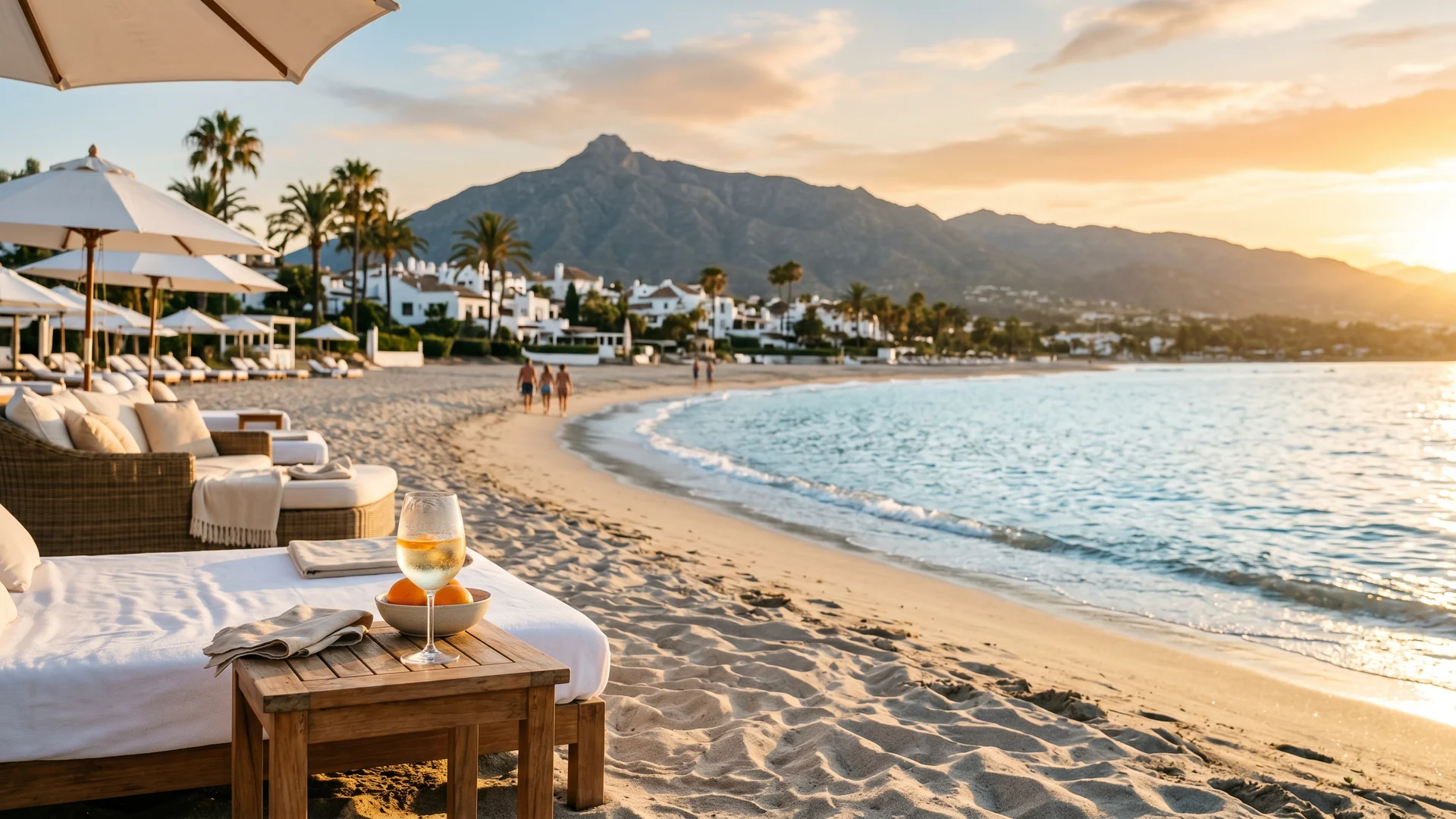
The Costa del Sol's best beaches span roughly 160 kilometres of Malaga coastline, from family-friendly Burriana in Nerja to Marbella's glittering beach clubs and Estepona's La Rada.
Key Takeaways
- The Costa del Sol has about 160 kilometres of Mediterranean coastline in Malaga province, with Blue Flags flying over more than two dozen of its beaches.
- Playa de Burriana in Nerja is an 800-metre curve of dark golden sand with gentle water, kayak rentals toward the Maro caves, and Ayo's chiringuito famous for wood-fired paella.
- Playa de la Malagueta is a 1,200-metre urban beach 10 minutes from Malaga's historic centre, consistently earning Blue Flag status and reachable within 40 minutes of landing at the airport.
- Playa de Cabopino in Marbella sits beside the protected Dunas de Artola fossilised dunes that rise to 20 metres, with paid parking at 1 euro per hour.
- On Marbella's Golden Mile, Playa de Naerueles beach-club beds cost 50 to 200 euros per day, while public sections of the same beach are free.
- Spain's Ley de Costas guarantees free public access to all beaches, even those in front of luxury hotels.
- Established naturist beaches include Playa de las Dunas de Artola at Cabopino, Playa de Guadalmina in San Pedro de Alcantara, and Playa de Benalnatura in Benalmadena.
🌐 Also available in: Deutsch
The Costa del Sol’s name is no coincidence. With approximately 160 kilometres of Mediterranean coastline, the province of Málaga offers an extraordinary variety of beaches, from wide, manicured urban strands backed by chiringuitos and promenades to secluded coves tucked beneath cliffs, accessible only on foot or by kayak. The water is clean, the sand ranges from fine golden grains to dark volcanic shingle, and the infrastructure is, by and large, superb. Blue Flags fly over more than two dozen Costa del Sol beaches, certifying water quality, safety, and environmental management.
This guide catalogues the very best beaches on the Costa del Sol, moving from east to west, with detailed notes on sand type, facilities, parking, accessibility, suitability for families, and each beach’s distinctive character. Whether you are searching for a lively social scene, a quiet spot to read a book, a family-friendly bay with calm water, or a wild stretch where you can feel alone with the elements, the Costa del Sol has a beach with your name on it.
Eastern Costa del Sol Beaches
Playa de Burriana, Nerja
If the Costa del Sol has a poster beach on its eastern flank, it is Playa de Burriana. A sweeping curve of dark golden sand stretching for approximately 800 metres, Burriana is backed by a palm-lined promenade dense with restaurants, chiringuitos, and beach equipment rental outlets. The beach shelves gently into clear, relatively calm water, making it ideal for families with young children. Sun loungers and parasols can be rented for approximately €7 per day (€6 per item if you only need one). The real draw of Burriana, beyond the swimming, is the dining. Ayo’s, the sprawling chiringuito at the eastern end, is a Nerja institution famous for cooking enormous pans of paella over open wood fires, a spectacle as much as a meal. At the western end, the Balcón de Europa promontory juts into the sea, offering vertiginous views along the coast. Kayak rentals at Burriana allow you to explore the cliffs and sea caves toward Maro, including the Cascada de Maro, a waterfall that plunges directly into the sea. Parking is plentiful and free in a large lot behind the beach, though it fills by 11:00 a.m. in July and August. A steep staircase connects Burriana to the town centre above, a 10-minute climb that rewards with spectacular views.
Playa de Maro, Nerja
Just a few kilometres east of Nerja, accessed via a winding road that descends through avocado and mango orchards, Playa de Maro is a world away from Burriana’s bustle. This small, pristine cove of fine pebbles and coarse sand sits at the mouth of a valley where freshwater streams meet the sea. The water is astonishingly clear, so clear, in fact, that Maro is a favourite snorkelling spot, with schools of small fish, octopuses, and the occasional cuttlefish visible in the rocky shallows. There are no chiringuitos, no sun loungers, and no showers. Bring your own water, food, and shade. The beach is about 200 metres long, and on summer weekends you will be sharing it, but midweek in June or September you may have it almost to yourself. Access involves a 10-minute walk down a reasonably well-maintained path from the car park. Do not leave valuables in your car.
Playa de Torrox and El Morche
Torrox, which proudly claims the “best climate in Europe,” serves up a long, broad beach divided into several named sections, Playa de Ferrara, Playa del Morche, and Playa de las Lindes, that run together seamlessly. The sand is fine and dark, the promenade is wide and well-lit, and the atmosphere is resolutely Spanish. This is not a beach where you will hear much English; it is where families from Málaga and Granada come for their summer holidays. Chiringuitos like Merendero José Luis and Bar El Rubio serve espetos, boquerones fritos, and chilled gazpacho at prices that recall an earlier era. The beach is equipped with showers, toilets, playgrounds, and beach sports areas. Parking is free and reasonably abundant. The water can be slightly cooler here than further west due to Atlantic currents funnelling through the Strait of Gibraltar, but on a hot August afternoon that is a feature, not a bug.
Central Costa del Sol: Málaga City and Surroundings
Playa de la Malagueta, Málaga
La Malagueta is the quintessential urban beach: a wide arc of dark sand just 10 minutes’ walk from Málaga’s historic centre and directly in front of the Málaga skyline, dominated by the Gibralfaro castle and the cathedral. It is one of the most accessible beaches in Spain: fly into Málaga, take the train from the airport to the centre, and be swimming in the Mediterranean within 40 minutes of landing. The beach runs for approximately 1,200 metres and is backed by the Pablo Ruiz Picasso promenade, lined with palm trees, playgrounds, and chiringuitos. The water quality is monitored daily and consistently earns Blue Flag status. During the summer, La Malagueta is buzzing with volleyball games, paddleboard rentals, and a diverse crowd that includes cruise-ship day-trippers, digital nomads escaping their laptops, and multi-generational Málaga families. The chiringuito La Chancla, named after the Spanish word for flip-flop, serves excellent fried fish and cold beer. Parking is the main challenge; use the underground lot at Muelle Uno and walk.
Playa de Pedregalejo, Málaga
East of the centre, in the former fishing district of Pedregalejo, lies a string of small, sheltered coves separated by rocky groynes. These coves, El Dedo, El Chanquete, Las Acacias, and others, have a completely different character from La Malagueta. They are intimate, each only 50bis150 metres wide, with calm water ideal for swimming and paddleboarding. The pedestrian promenade behind them is lined with traditional restaurants housed in pastel-coloured former fishermen’s houses. El Balneario, located in a beautifully restored 1918 bathhouse on the water’s edge, serves sophisticated seafood with views over the bay. Las Palmeras, at the eastern end, is an institution for grilled fish and rice dishes. Pedregalejo is a residential neighbourhood, not a resort, and the beach reflects that: it is relaxed, local, and unhurried. The area is well served by Málaga’s bus network, and there is limited on-street parking.
Western Costa del Sol: Torremolinos to Estepona
Playa de la Carihuela, Torremolinos
Torremolinos, the original Costa del Sol resort town that boomed in the 1960s and 1970s, today wears its age gracefully. The Carihuela, the town’s most famous beach, is a long, wide stretch of fine sand backed by a dense promenade of chiringuitos, restaurants, and low-rise apartment buildings. It was here that pescaíto frito (little fried fish) was invented as a dish, and the Carihuela’s chiringuitos still take their frying seriously. La Cizaña, Casa Juan, and Los Manueles are reliable choices. The beach has excellent facilities: showers, toilets, sun lounger and parasol rental (€6, €8 per day), beach volleyball courts, and a wooden boardwalk that makes it wheelchair-accessible. The water is shallow for a considerable distance, making it a favourite for families. Torremolinos is also the Costa del Sol’s most LGBTQ-friendly resort, and the Carihuela has a long history of welcoming a diverse clientele. The Cercanías train line stops at Torremolinos, so beach access from Málaga or Fuengirola is quick and cheap.
Playa de Bil Bil, Benalmádena
Benalmádena’s coastline is dominated by the Puerto Marina, a Moorish-style complex of apartments, shops, and restaurants that won “Best Marina in the World” awards in the 1990s. The beach immediately adjacent. Playa de Bil Bil, named for the red, Arabic-style Bil Bil Castle that overlooks it, is a well-maintained urban beach with dark sand, calm water, and full facilities. The promenade here is a highlight: beautifully landscaped with tropical plants, it runs for kilometres in either direction and is a favourite for evening paseos (strolls). Sun loungers rent for €6 per day. Bil Bil Castle, a 1930s folly recently restored by the town hall, hosts free exhibitions and concerts in its courtyard. The beach can get crowded in July and August, but its width means there is usually space.
Playa de los Boliches, Fuengirola
Fuengirola’s 7-kilometre beachfront is divided into several named stretches: Carvajal, Torreblanca, Los Boliches, Santa Amalia, San Francisco, and Ejido. Los Boliches, the central section, is the most popular and best-equipped. The sand is fine and golden-brown, the water is clean, and the facilities are comprehensive. The promenade behind Los Boliches is a nonstop social artery, packed with chiringuitos, ice-cream parlours, playgrounds, outdoor gyms, and benches facing the sea. The area has a strong Scandinavian presence, Fuengirola’s Finnish community is one of the largest outside Finland, which is reflected in some of the promenade businesses. The Cercanías train stops right behind the beach at Los Boliches station, making this one of the easiest beaches on the coast to reach by public transport.
Playa de Cabopino, Marbella
Cabopino, at the eastern edge of the Marbella municipality, is a protected natural area and a delightful anomaly. Its small, sheltered beach, Playa de Artola, though everyone calls it Cabopino, is flanked to the east by the Dunas de Artola, a protected system of fossilised sand dunes that rise to heights of 20 metres and are crisscrossed by a wooden boardwalk. The dunes, covered in native Mediterranean scrub and pine, create a wild, cinematic landscape that feels more like a Caribbean nature reserve than Spain. The beach itself is golden and clean, and the water is usually calm thanks to the natural shelter of the small marina and its breakwater just offshore. The Cabopino marina is a pocket-sized version of Puerto Banús, a few restaurants, a couple of bars, and a tight community of sailors. Andy’s Beach Bar, a chiringuito right on the sand, serves decent paella and cold beer. There is a paid car park immediately behind the beach (€1 per hour), and the area is also served by Marbella’s municipal bus network. For naturists, the eastern side of the dunes gives way to the Playa de las Dunas, an unofficial but long-established naturist section.
Playa de Nagüeles, Marbella Golden Mile
The beaches along Marbella’s Golden Mile are famous less for their sand (which is adequate but unremarkable) than for their social scene. Playa de Nagüeles, directly in front of the Marbella Club and Puente Romano, is where you will find the Marbella beach clubs. Ocean Club, La Plage Casanis, and a number of smaller operators. Beds at these clubs can cost €50, €200 per day depending on the season and position, but they come with service, security, and access to a scene that is pure Marbella: champagne at midday, international DJs, and a crowd of beautiful people working on their tans. If the club scene is not for you, head further along the same beach away from the clubs and you will find public sections where the sand is the same and the water is the same, but the vibe is quieter and admission is free.
Playa de la Rada, Estepona
Estepona’s main beach, Playa de la Rada, stretches for 2.4 kilometres along the town’s western edge. The sand is dark and fine, the water is generally calm, and the promenade, newly extended and beautifully landscaped, is one of the Costa del Sol’s best public spaces, lined with palm trees, flower beds, children’s play areas, and exercise stations. Estepona has invested heavily in its public realm over the past decade, and La Rada is the centrepiece of that effort. Chiringuitos like El Madero and La Escollera serve fresh fish, and the town’s Old Town, with its flower-filled streets and immaculate whitewashed buildings, is a 90-second walk from the sand. Parking is available on the streets behind the beach and in several public lots. La Rada is a genuine town beach, not a resort beach, and Estepona’s resolutely Spanish character makes it a refreshing alternative to more internationalised stretches further east.
Playa de la Chullera, Manilva
Near the western extreme of the Costa del Sol, close to the border with Cádiz province, Playa de la Chullera is a wilder, rockier stretch that appeals to those seeking solitude and natural beauty. The beach is a mix of pebbles, coarse sand, and rocky outcrops, with small coves carved out by the waves. The water here has a different character, the Atlantic influence is felt in the stronger currents and slightly different marine life. It is a favourite for snorkellers and spear-fishermen. Facilities are minimal: a couple of chiringuitos in summer, no sun loungers, no showers. Bring everything you need. The reward is a sense of discovery and some of the best sunset views on the entire coast, with Gibraltar and the mountains of North Africa visible on clear days.
Practical Beach Tips
Beach Access and Facilities
The Costa del Sol’s beaches are predominantly public: even those in front of luxury hotels. The Ley de Costas (Coastal Law) guarantees free public access to all Spanish beaches. You can walk the length of the coast at the water’s edge regardless of who owns the land behind it. Most beaches have chiringuitos that open from Easter to October, and many of the larger ones operate year-round, especially in Málaga and Fuengirola.
Water Conditions and Safety
Water temperatures range from about 15°C in January to 24bis26°C in August; the warmest water is typically in August and early September, after the Mediterranean has had all summer to heat up. Sun protection is essential, the sun here is strong even in spring and autumn, and UV indices of 8bis10 are common in summer. Red and yellow flags indicate swimming conditions: green means safe, yellow means caution (often for jellyfish), and red means no swimming. Jellyfish are a seasonal nuisance, usually appearing for a week or two when water temperatures peak; vinegar and hot water are the standard treatments for stings, and lifeguards are equipped to help.
A Coast for Every Taste
From the wild coves of Maro to the glittering beach clubs of Marbella, the Costa del Sol’s beaches are as diverse as the region itself. The only difficult decision is which one to visit first.
Naturist Beaches and Secluded Coves
Established Naturist Beaches
For those who prefer to sunbathe and swim without swimwear, the Costa del Sol has several established naturist beaches where the practice is tolerated or officially recognised. Playa de las Dunas de Artola, at the eastern end of Cabopino, is the most famous and best-established naturist beach on the coast, set among the protected sand dunes with a relaxed, non-judgemental atmosphere. Playa de Guadalmina, in San Pedro de Alcántara at the mouth of the Guadalmina river, has a long-established naturist section at its western end. Playa de Benalnatura, in Benalmádena, is a small, officially designated naturist cove with a beach bar, showers, and a loyal regular clientele.
Secluded Coves for the Adventurous
Playa del Muerto, in Almuñécar just east of the official Costa del Sol boundary, is worth the short drive for its dramatic setting beneath cliffs and its crystal-clear water. Playa de la Viborilla, between Marbella and Cabopino, is a small, sheltered cove accessible via a steep path from the road; it has no facilities and a naturist section at its far end. For those seeking total solitude, the coves between Nerja and Almuñécar, within the Paraje Natural Acantilados de Maro-Cerro Gordo, are accessible only on foot or by water, and on a weekday outside August you may have them entirely to yourself. Bring everything you need, take everything away, and be mindful of the protected status of the area.
Naturist Beach Etiquette
The naturist scene on the Costa del Sol is generally relaxed and respectful; the etiquette is the same as on any beach, do not stare, do not photograph strangers, and be considerate of others.
Beach Safety and Practical Advice
Understanding Beach Safety Flags
Swimming in the Mediterranean off the Costa del Sol is generally safe, but basic precautions apply. Always swim at beaches with lifeguard coverage, indicated by the presence of the lifeguard tower and flags. Red flag: no swimming. Yellow flag: swim with caution. Green flag: safe for swimming. A blue flag with a white question mark indicates that the beach has not yet been assessed for the day; enquire with the lifeguard.
Rip Currents and Water Hazards
Rip currents can occur at some beaches, particularly those with steeper profiles or near river mouths. If caught in a rip current, do not try to swim directly back to shore; swim parallel to the beach until you are out of the current, then swim in.
Jellyfish and Sea Urchins
Jellyfish (medusas) are an occasional nuisance, particularly when water temperatures peak in August. The most common species on the Costa del Sol is the Pelagia noctiluca (mauve stinger), which delivers a painful but not dangerous sting. Vinegar (available at lifeguard stations and many chiringuitos) neutralises the stinging cells; hot water (as hot as can be tolerated) relieves the pain. Do not rinse with fresh water, which activates the stinging cells. The sea urchin (erizo de mar) is found on rocky areas; wear water shoes when exploring rocky coves, and if you step on one, seek medical attention to ensure all spines are removed.
Sun Protection Essentials
The sun on the Costa del Sol is deceptively strong: a UV index of 8bis10 is common in summer, and significant sunburn can occur in as little as 15bis20 minutes for fair skin without protection. Use a high-factor, water-resistant sunscreen (SPF 30 minimum, SPF 50 recommended), reapply after swimming, and avoid direct sun exposure between 12:00 p.m. and 4:00 p.m. in July and August. The Spanish phrase “no hay que fiarse del sol”, you cannot trust the sun, is good advice on the Costa del Sol.
Frequently Asked Questions (FAQ)
What is the best beach in Nerja on the Costa del Sol?
Playa de Burriana is Nerja's standout beach, an 800-metre curve of dark golden sand that shelves gently into calm water, making it ideal for families. It is backed by a palm-lined promenade of restaurants and chiringuitos, including Ayo's, famous for wood-fired paella, with free parking that fills by 11 a.m. in summer.
Which Costa del Sol beach is easiest to reach from Malaga airport?
Playa de la Malagueta is the most accessible, just 10 minutes' walk from Malaga's historic centre. You can fly into Malaga, take the train from the airport to the centre, and be swimming in the Mediterranean within 40 minutes of landing. It runs about 1,200 metres and consistently earns Blue Flag status.
Are there naturist beaches on the Costa del Sol?
Yes, the Costa del Sol has several established naturist beaches. Playa de las Dunas de Artola at the eastern end of Cabopino is the most famous, set among protected dunes. Playa de Guadalmina in San Pedro de Alcantara has a naturist section, and Playa de Benalnatura in Benalmadena is an officially designated naturist cove with a beach bar and showers.
How much do beach club beds cost in Marbella?
At the beach clubs on Marbella's Golden Mile, such as Ocean Club and La Plage Casanis on Playa de Naerueles, beds cost between 50 and 200 euros per day depending on season and position. They include service, security, and a glamorous scene. Public sections of the same beach away from the clubs are free to use.
Are Costa del Sol beaches free to access even at luxury hotels?
Yes, all Costa del Sol beaches are free to access, even those in front of luxury hotels. Spain's Ley de Costas, the Coastal Law, guarantees free public access to every Spanish beach. You can walk the length of the coast at the water's edge regardless of who owns the land behind it.
What is the water temperature like for swimming on the Costa del Sol?
Water temperatures range from about 15 degrees Celsius in January to 24 to 26 degrees in August. The warmest water is typically in August and early September, after the Mediterranean has had all summer to heat up. Sun protection is essential, as UV indices of 8 to 10 are common in summer.
Which Costa del Sol beach is best for snorkelling?
Playa de Maro near Nerja is a favourite snorkelling spot thanks to its astonishingly clear water, where schools of small fish, octopuses, and the occasional cuttlefish are visible in the rocky shallows. It is a small, pristine cove with no facilities, so bring your own water, food, and shade. Playa de la Chullera in Manilva is also popular with snorkellers.
What should I do if I get stung by a jellyfish on the Costa del Sol?
Jellyfish, usually the Pelagia noctiluca or mauve stinger, deliver a painful but not dangerous sting. Apply vinegar, available at lifeguard stations and many chiringuitos, to neutralise the stinging cells, then use hot water as hot as can be tolerated to relieve the pain. Do not rinse with fresh water, which activates the stinging cells.
How long is the Costa del Sol coastline?
Which beach is best for families with young children?
Are Costa del Sol beaches free to access?
More from Beach Life
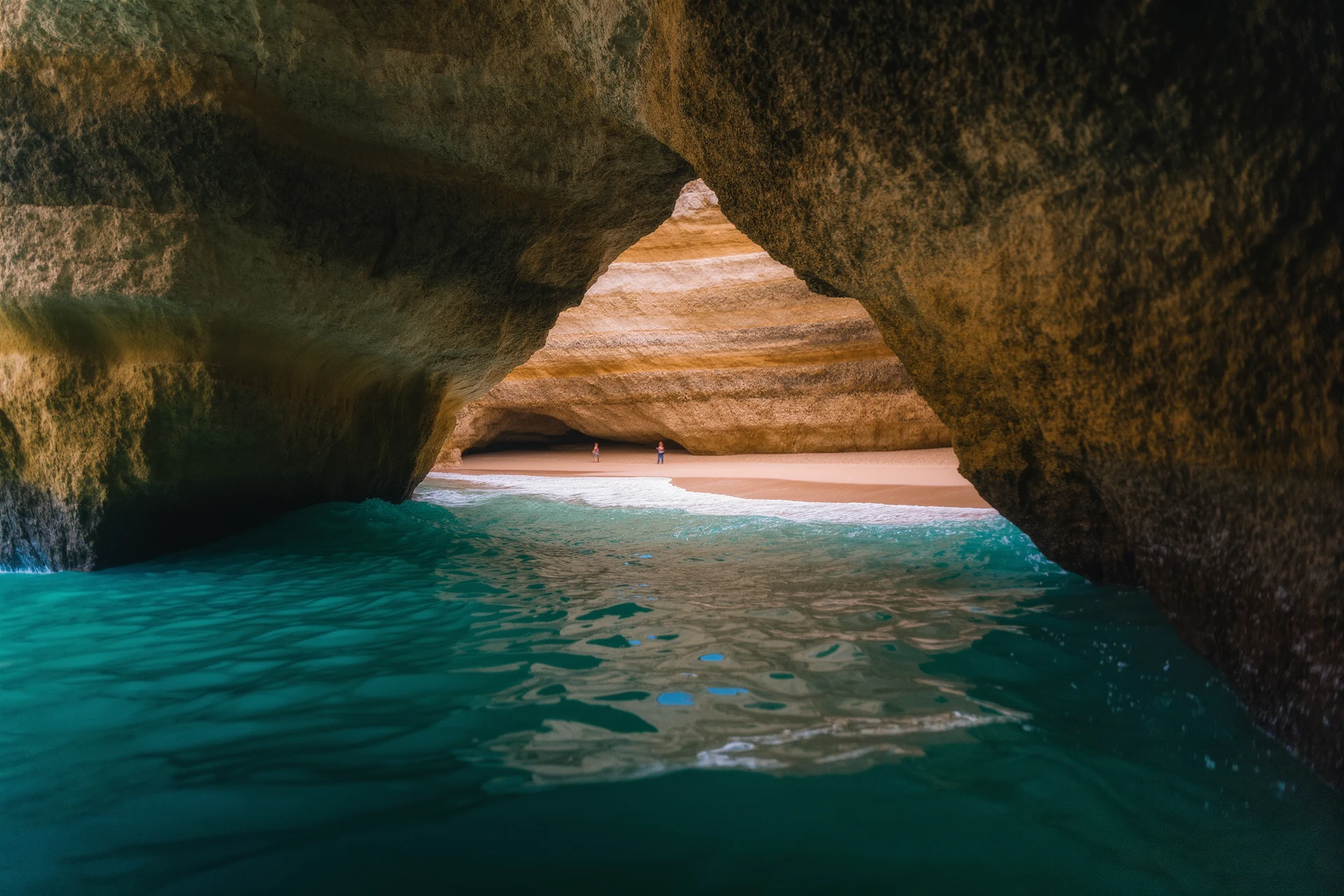
Secret Beaches: Costa del Sol’s Hidden Gems
Finding a quiet spot on the Costa del Sol can feel like a quest, right? You picture those postcard-perfect beaches but often find them packed with sun…
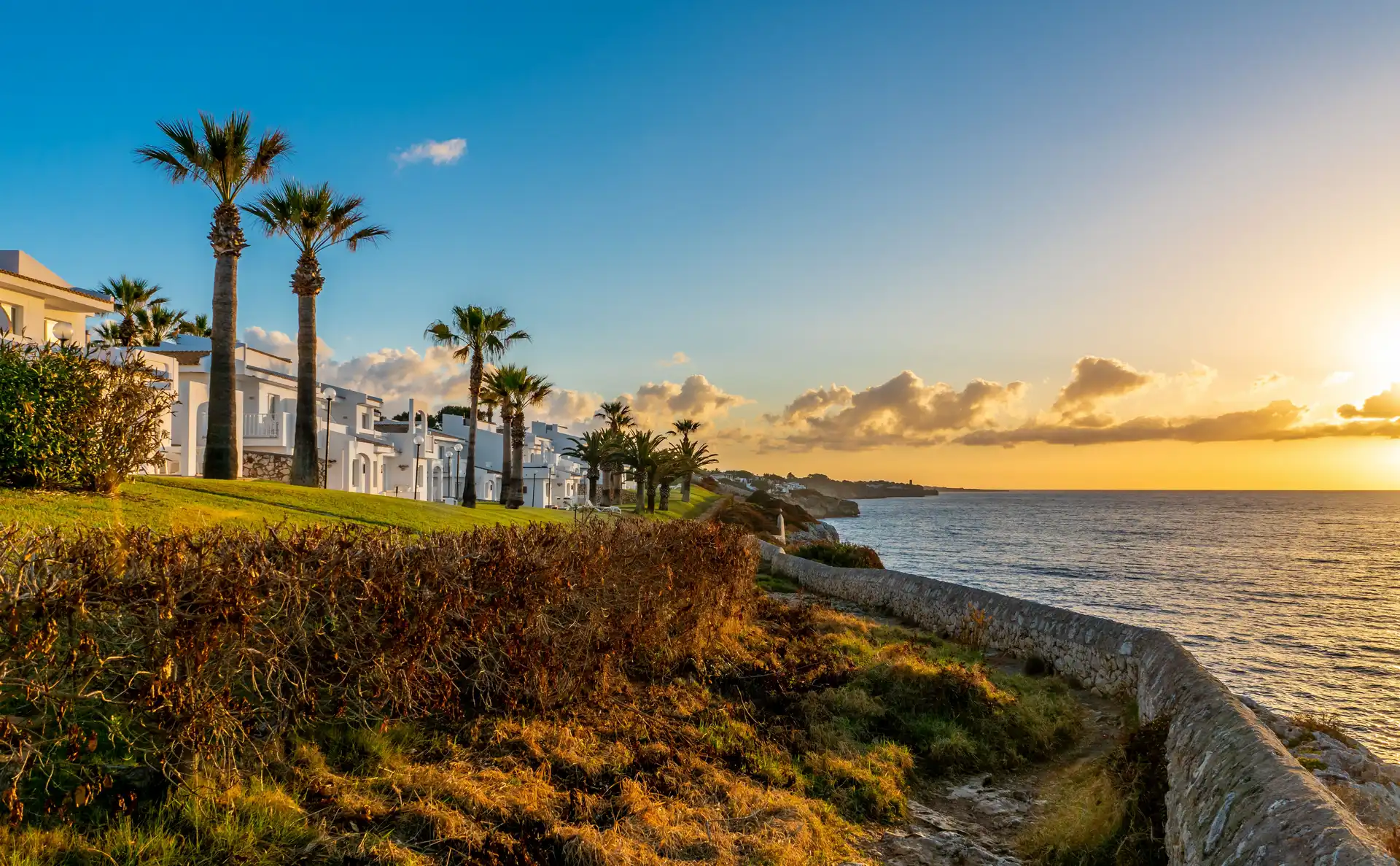
Ultimate Guide to Costa del Sol’s Summer Beaches
So, you’re wondering how to make the most of the Costa del Sol’s summer beaches? It’s a fair question, and the good news is, it’s pretty s…
Embracing the Beachfront Lifestyle in Costa del Sol
So, you’re dreaming of a life where the Mediterranean breeze is your constant companion and the sound of waves is your daily soundtrack? I get i…