Costa del Sol Nightlife Guide
Costa del Sol nightlife guide: Marbella superclubs, Malaga Soho bars, Torremolinos LGBTQ scene, flamenco penas, dress codes, hours and prices from sunset to sunrise.…
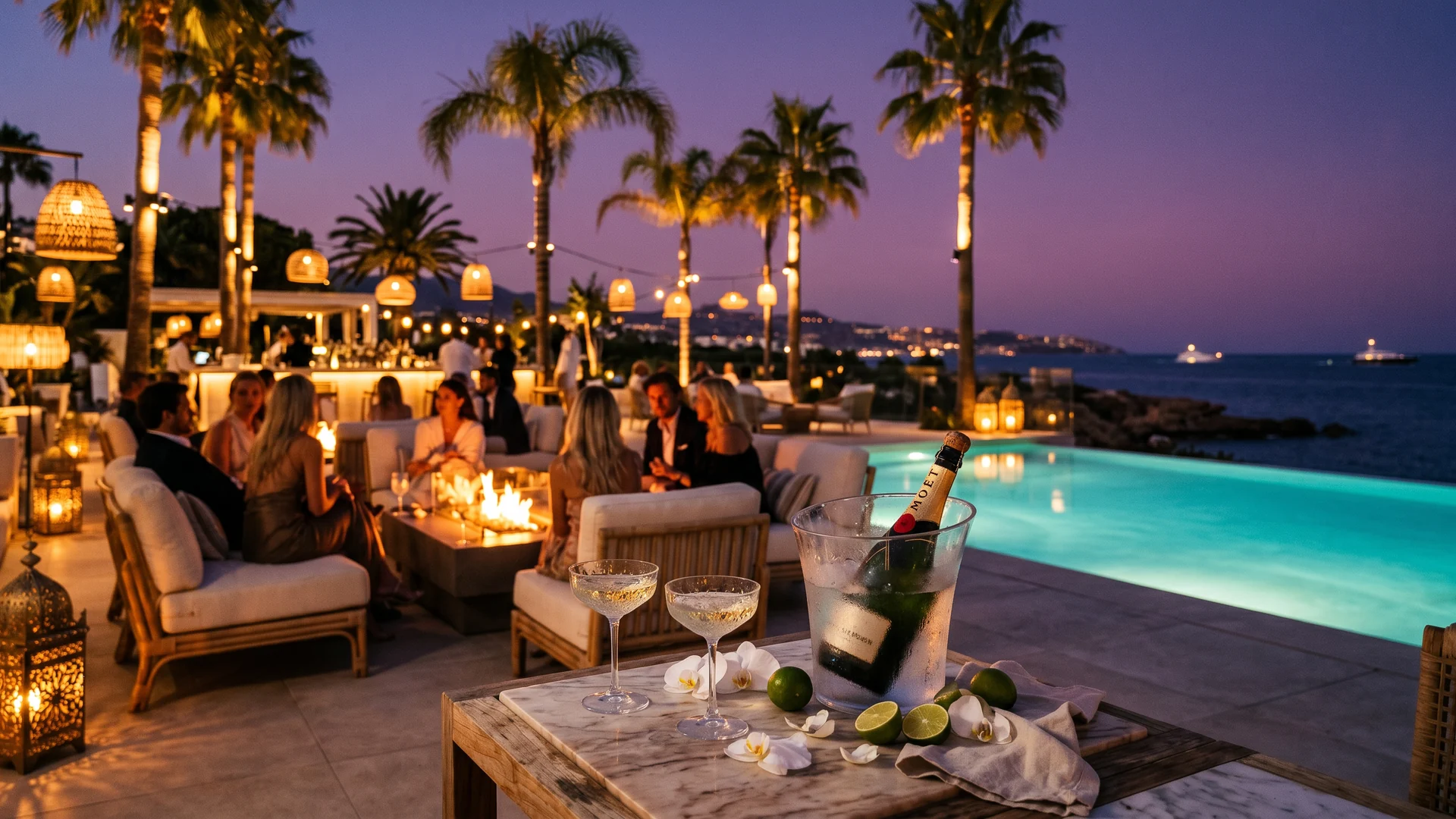
Costa del Sol nightlife runs sunset to sunrise across Marbella's glamorous superclubs, Malaga's cooler Soho bars, Torremolinos LGBTQ venues, Benalmadena marinas, and authentic flamenco penas.
Key Takeaways
- Marbella and Puerto Banus are the epicentre of glamour, with sunset beach clubs like Ocean Club, Nikki Beach, and La Plage Casanis charging €50, €200 for a daybed before the superclubs Tibu and Olivia Valere take over after midnight.
- Malaga offers a cooler, cheaper, more Spanish scene, centred on the Soho district (Central Beers, The Club Malaga, ZZ Pub) and classic bars like La Tranca and El Pimpi, with clubs running until 6:00 a.m.
- Torremolinos is one of Europe's premier LGBTQ destinations, with the La Nogalera complex and the annual Torremolinos Pride in late May or early June drawing hundreds of thousands.
- Benalmadena's Puerto Marina and its 24-hour Square stay open until dawn and draw the 18bis30 crowd, while Fuengirola's Marenostrum venue at Sohail Castle has hosted Bob Dylan, Sting, and Rod Stewart.
- Authentic flamenco is found at penas like the Pena Flamenca Juan Breva in Malaga, founded in 1958, rather than at the larger tourist tablaos.
- Spanish nightlife runs late: pre-dinner drinks at 8:00bis10:00 p.m. dinner until midnight, bars until 2:30 a.m. and nightclubs from 1:30 a.m. to 6:00 a.m.
- High-end Marbella venues enforce smart-casual dress codes (no shorts, flip-flops, or sportswear), and the Spain-wide emergency number is 112.
When the sun drops behind the mountains and the sky over the Mediterranean erupts in shades of orange, pink, and violet, the Costa del Sol undergoes a metamorphosis. The beaches empty, the promenades fill, and the coast’s famously vibrant nightlife awakens. From sophisticated cocktail bars in Málaga’s Soho district to the legendary superclubs of Marbella, from flamenco tablaos where the intensity of the performance will raise the hairs on your arms to laid-back beach bars where the only soundtrack is the gentle wash of waves, the Costa del Sol after dark is a destination in its own right.
This guide covers the full spectrum of Costa del Sol nightlife, organised by area and by vibe, with specific venue recommendations, practical details on dress codes and door policies, and tips for navigating a scene that ranges from the resolutely local to the extravagantly international.
Marbella and Puerto Banús: The Epicentre of Glamour
Marbella’s nightlife is legendary for good reason. The concentration of wealth, the international clientele, and a “see and be seen” culture have created a nocturnal ecosystem that, in high season (July and August), rivals Ibiza in energy and surpasses it in sophistication.
Sunset Beach Clubs
The evening typically begins with sunset drinks at one of the beach clubs. Ocean Club Marbella, on the Golden Mile, is the most famous, a vast, white-on-white complex of pools, daybeds, and cabanas that transforms from a daytime chill-out zone into a buzzing sunset bar with live DJs, flowing cava, and a crowd that has flown in from across Europe. Nikki Beach Marbella, nearby, offers a slightly more international brand of beach-club luxury, with its signature all-white dress code, champagne spray rituals, and a restaurant serving sushi and ceviche. La Plage Casanis, a French-run beach club also on the Golden Mile, is smaller, more intimate, and notably chic, with a restaurant that specialises in Mediterranean seafood and a sunset soundtrack curated by excellent DJs. Expect to pay €50, €200 for a daybed or sun lounger at any of these venues, and considerably more for a VIP table with bottle service.
Puerto Banús: Dinner, Drinks, and the Marina Parade
As the night progresses, the action shifts toward Puerto Banús. The marina front line is the stage for Marbella’s great nightly parade: supercars cruising the waterfront, groups promenading past the designer boutiques, and the terraces of the marina-front bars and restaurants filling with patrons. For dinner and drinks, Los Bandidos, a Russian-owned restaurant on the marina’s western arm, serves excellent European cuisine with tableside views of the superyachts. Pravda, on the first floor above the marina, has a darker, more intimate vibe with a cocktail bar and a restaurant serving modern Russian and European food. La Sala, just behind the marina in Nueva Andalucía, is a Marbella institution, a vast, multi-room complex with a restaurant, several bars, live music, and a terrace that stays busy until 3:00 a.m. The crowd is diverse: locals, expatriates, tourists, golfers, and the occasional celebrity.
The Superclubs: Tibu and Olivia Valere
The serious clubbing begins after midnight. Tibu, on the eastern side of Puerto Banús, is the Costa del Sol’s most famous nightclub, a multi-level venue with a main room playing commercial house and hip-hop, a rooftop terrace, and a VIP area where bottle-service tables start at €500 for a basic setup and rise rapidly. By 2:00 a.m. in August, the club is packed, and the queue at the door can be formidable. Dress code: smart-casual minimum; shorts, flip-flops, and sports jerseys will be rejected. Olivia Valere, on the Golden Mile, is Marbella’s most opulent nightclub, set in an Arabian-style palace with gardens, a spacious dance floor, and an international DJ lineup. The interior features elaborate Moorish design elements, arches, tilework, chandeliers, that create a uniquely theatrical clubbing environment. Entry is €30, €50 depending on the night and the lineup, and VIP tables require negotiation. The dress code is strict: no shorts, no sportswear, elegance expected.
Marbella Old Town: Tapas and Terraces
For a more relaxed evening, Marbella’s Old Town (Casco Antiguo) offers a completely different atmosphere. The cobbled streets around Plaza de los Naranjos are full of tapas bars and small restaurants with terraces spilling into the squares. Taberna Casa Curro, El Estrecho, and La Taberna del Pintor are reliable for tapas and wine. For after-dinner drinks, the roof terrace of the Hotel Don Pepe on the seafront offers sublime views over the illuminated coastline. Zozoi, a small cocktail bar in the Old Town, serves excellent classic and signature drinks in a sophisticated but unpretentious setting.
Málaga City: The Cooler Side of the Costa del Sol
Málaga’s nightlife has undergone a renaissance that mirrors the city’s broader cultural transformation. It is more alternative, more Spanish, and significantly cheaper than Marbella’s scene, and it attracts a younger, more bohemian crowd.
Soho: Craft Beer, Cocktails, and Rock Bars
The Soho district, Málaga’s answer to London’s Shoreditch or New York’s SoHo, is the epicentre of cool. Calle Casas de Campos and the surrounding streets are packed with independent bars, craft-beer pubs, and small music venues. Central Beers, a craft-beer bar with 20 rotating taps and a courtyard, attracts a knowledgeable crowd. The Club Málaga, a speakeasy-style cocktail bar hidden behind an unmarked door, serves expertly made classics in a dimly lit, prohibition-era atmosphere, find it, and you feel like an insider. ZZ Pub, on Calle Álamos, is a rock bar that has been a Soho institution for two decades, with live bands on weekends and a crowd that spans students and nostalgic forty-somethings.
Plaza de la Merced and Classic Málaga Bars
The Plaza de la Merced, in front of the Picasso Museum, is a large square ringed with bars and restaurants whose terraces fill from early evening onwards. La Tranca, on Calle Carretería nearby, is one of Málaga’s most beloved bars, a small, standing-room-only spot decorated with vintage Spanish memorabilia where the vermut flows, the music is classic Spanish pop and rock, and the atmosphere is pure, infectious Málaga joy. El Pimpi, the famous bodega on Calle Granada, is touristy but essential, a labyrinth of rooms and terraces where the sweet Málaga wines and the jamón are excellent, and the view of the illuminated Alcazaba from the back terrace is one of the city’s best sights. Open until 2:00 a.m. in summer, El Pimpi is where Málaga comes to celebrate.
Málaga’s Club Scene
For clubbing in Málaga, the Sala Gold on Calle Luis de Velázquez, the Sala Velvet near the Soho, and the Sala Paris 15 (a converted cinema on the outskirts) are the city’s major venues, hosting international DJs, live bands, and themed nights. Entry prices are typically €10, €20. The crowd is predominantly Spanish, the music leans toward house, techno, and Latin, and the night runs very late, clubs fill after 2:00 a.m. and continue until 6:00 a.m. or later on weekends.
Torremolinos: The LGBTQ Nightlife Capital
Torremolinos, the original Costa del Sol resort, has reinvented itself as one of Europe’s premier LGBTQ destinations, with a nightlife scene that is vibrant, welcoming, and famously fun.
La Nogalera and Torremolinos Pride
The epicentre is the La Nogalera complex in the town centre, a 1960s apartment-and-commercial block whose central plaza is ringed with LGBTQ bars and clubs. Men’s Bar, Parthenon, and Centuryon are long-established venues where the party starts early and runs late. Drag shows, karaoke, and themed nights fill the calendar. The annual Torremolinos Pride, typically held in late May or early June, is one of Spain’s largest Pride events, drawing hundreds of thousands of people for a week of parties, parades, and concerts.
Beyond La Nogalera
Outside La Nogalera, Torremolinos has a diverse bar and music scene. The Calle San Miguel, the pedestrianised shopping street, has terraces and bars popular with a mixed crowd. The beachfront promenade, particularly around La Carihuela, has chiringuitos that stay open late in summer, serving drinks and music on the sand.
Fuengirola and Benalmádena: The Heartland of Entertainment
Fuengirola: Beachfront Bars and Marenostrum Concerts
Fuengirola’s nightlife centres on the Paseo Marítimo, where a long string of bars, clubs, and music venues runs along the beachfront. The scene is more British and Scandinavian in character, with pubs, sports bars, and live-music venues that cater to the large expatriate communities. The Sunset Beach Club hotel complex has a popular lounge and bar with sea views. The Marenostrum Fuengirola, an outdoor concert venue in the Sohail Castle complex on a hill overlooking the town, hosts major international concerts in summer, past performers have included Bob Dylan, Sting, and Rod Stewart. Check the schedule in advance; tickets for big names sell out quickly.
Benalmádena: Puerto Marina and the 24-Hour Square
Benalmádena’s Puerto Marina is a nightlife zone in its own right. The marina is ringed with bars, clubs, and restaurants that stay open until dawn in high season. The architecture is extravagantly kitsch, Moorish arches, domes, towers, and water features, but the atmosphere is pure, unpretentious fun. The marina is particularly popular with the 18bis30 crowd, with venues like Kaleido and Metropolis hosting DJ nights and themed parties. The 24-hour Square, a plaza of bars that literally does not close during summer weekends, is an experience: loud, chaotic, and, for the right person, unforgettable.
Flamenco: The Soul of Andalusia After Dark
No guide to Costa del Sol nightlife would be complete without flamenco. The Costa del Sol is not the heartland of flamenco, that distinction belongs to the Seville-Jerez-Cádiz triangle, but there are several venues where you can experience a genuine, high-quality performance without the sanitised, tourist-trap feel of the larger tablaos.
Peñas Flamencas: The Authentic Experience
The peña flamenca is the authentic venue: a private club, often unmarked and hard to find, where members and guests gather to watch performances in an intimate, reverent atmosphere. The Peña Flamenca Juan Breva in Málaga, founded in 1958, is one of the oldest and most respected in Andalusia. It hosts regular recitals (check their website for schedules) in a simple room with bare walls and wooden chairs, where the focus is entirely on the cante (song), the toque (guitar), and the baile (dance). Tourists are welcome but expected to observe the tradition: silence during the performance, respect for the artists, and applause (and the occasional cry of “¡Olé!”) at the appropriate moments.
Flamenco Dinner Shows and Local Ferias
In Marbella, the Ana María Restaurant in San Pedro de Alcántara hosts flamenco dinner shows that, while more commercial than a peña, maintain reasonably high artistic standards. The Kelipe Centro de Arte Flamenco in Málaga’s Soho district offers more intimate performances in a gallery-like setting. For the most authentic experience, time your visit to coincide with a local feria, every town has one, where the casetas (festival tents and halls) feature impromptu flamenco, sevillanas dancing, and a level of local participation that no professional show can replicate.
Practical Nightlife Tips
Dress Codes and Timing
Dress codes: Marbella’s high-end venues, particularly Olivia Valere, Tibu, and the beach clubs, enforce dress codes that lean toward smart casual and above. For men, this generally means long trousers (no shorts), closed shoes (no flip-flops), and a collared shirt. Women have more flexibility but should aim for elegant rather than casual. In Málaga, Torremolinos, and the rest of the coast, dress codes are much more relaxed.
Timing: Spanish nightlife operates on a schedule that visitors often find difficult. Pre-dinner drinks: 8:00 p.m. 10:00 p.m. Dinner: 9:30 p.m. midnight. Bars and lounges: midnight, 2:30 a.m. Nightclubs: 1:30 a.m. 6:00 a.m. Attempting to go to a club at 11:00 p.m. will result in you being alone in an empty room with a sound check in progress. The exception is beach clubs, where the party starts in the afternoon and peaks at sunset.
Safety and Transport
Safety and taxis: The Costa del Sol is generally very safe, but standard precautions apply: watch your drinks, keep valuables secure, and be aware of your surroundings, particularly in crowded club environments. Taxis are widely available and reasonably priced; in Marbella, Uber and Cabify operate in addition to local taxi services. On a busy summer night, expect waits of 30bis60 minutes for a taxi in Puerto Banús; plan your exit strategy accordingly. The emergency number throughout Spain is 112.
Whether your idea of a perfect evening is a glass of fino sherry in a quiet tapas bar in Málaga, a champagne-fuelled night in a Marbella superclub, or a soul-stirring flamenco performance, the Costa del Sol after dark has the range, the energy, and the sheer variety to satisfy every taste. The night is long here. Make the most of it.
Live Music Venues Across the Coast
Jazz, Rock, and Classical Venues
Beyond the clubs and bars, the Costa del Sol has a thriving live-music scene that spans every genre. The Starlite Festival in Marbella has already been mentioned as the summer’s headline event, but there are excellent venues operating year-round. The Clarence Jazz Club in Torremolinos is one of Spain’s finest jazz venues, hosting international artists in an intimate, acoustically superb space with a programme that ranges from straight-ahead jazz to flamenco-jazz fusion, world music, and blues. Marbella Arena, at the Puente Romano, hosts larger-scale concerts and events in a spectacular outdoor setting. The Teatro Cervantes in Málaga is the city’s premier theatre, programming classical music, opera, ballet, and touring productions. Sala Trinchera and Sala Velvet in Málaga are the go-to spaces for indie rock, alternative, and electronic acts. Fuengirola’s Marenostrum Castle Park, as noted, brings major international touring artists to a dramatic open-air setting at the foot of Sohail Castle. For underground electronic music, clubs like Elektrópoli in Málaga and regular events at warehouse spaces and beach locations around the coast cater to the house and techno faithful. Check local listings at Sur in English, Málaga Hoy, and the online events guides; many of the best nights are promoted through social media and word of mouth rather than traditional advertising.
Rooftop Bars and Sunset Venues
The Costa del Sol’s vertical geography, mountains plunging toward the sea, creates extraordinary opportunities for elevated drinking and dining.
Málaga and Marbella Rooftops
Málaga’s rooftop scene has exploded: the AC Hotel Málaga Palacio on the Paseo del Parque has a 15th-floor terrace bar with 360-degree views of the cathedral, the Alcazaba, the port, and the Mediterranean. The Room Mate Valeria hotel has a trendy rooftop with a small pool and cocktail bar. In Marbella, the roof terrace of the Hotel Don Pepe has already been mentioned for its sublime coastal views; the Amàre Beach Hotel’s rooftop is another excellent option with a pool and DJ sessions in summer. The hotel Boho Club, on the Golden Mile, has a relaxed, bohemian-chic bar and restaurant with garden and sea views that attract a stylish crowd. The Benabola Hotel’s Sky Lounge in Puerto Banús offers views over the marina and the superyachts.
Inland Viewpoints and Rustic Sunsets
For a more rustic sunset, the inland village of Mijas Pueblo has several terraces with views over the coast and the Sierra de Mijas; and the mountaintop bar at the Refugio de Juanar above Marbella offers one of the most dramatic sunset views on the entire coast, looking down over the Mediterranean toward Gibraltar and Africa.
Seasonal Nightlife and the Winter Scene
Winter Nights and New Year’s Eve
While the Costa del Sol’s nightlife peaks in summer, the winter scene (November, March) is far from dead. Marbella’s high-end venues remain open, albeit with reduced hours and a more local crowd. The Starlite Christmas program brings concerts and events to the city in December. The restaurant and bar scene in Marbella’s Old Town and Málaga’s historic centre is at its most pleasant in winter, when the summer crowds have dissipated and the terraces are heated. The casino scene. Casino Marbella in the Andalucía Plaza Hotel and Casino Torrequebrada in Benalmádena, operates year-round and offers a more formal evening-out option. New Year’s Eve on the Costa del Sol is a major event, with gala dinners, parties, and fireworks at every marina and in every town’s main square. The restaurant scene for Christmas and New Year’s Eve fills up weeks in advance; book early. The winter is also the season for flamenco festivals, classical concerts, and theatre, with the cultural calendar shifting into high gear as the weather cools. Far from being a summer-only destination, the Costa del Sol’s nightlife adapts to the seasons, offering a different but equally compelling experience in the quieter months.
Frequently Asked Questions (FAQ)
What is the best nightlife area on the Costa del Sol for glamour and superclubs?
Marbella and Puerto Banus are the epicentre of glamour. The evening begins with sunset drinks at beach clubs like Ocean Club Marbella or Nikki Beach, shifts to the marina's bars and restaurants, then peaks after midnight at the superclubs Tibu and Olivia Valere, the latter set in an Arabian-style palace.
How much does it cost to go out in Marbella's beach clubs and superclubs?
Expect to pay €50, €200 for a daybed or sun lounger at beach clubs like Ocean Club, Nikki Beach, or La Plage Casanis, and more for VIP bottle service. At Tibu, bottle-service tables start at €500, while Olivia Valere charges €30, €50 entry depending on the night and lineup.
Where is the best nightlife in Malaga city?
Malaga's nightlife centres on the Soho district, home to Central Beers, the speakeasy-style The Club Malaga, and the rock bar ZZ Pub. Classic spots include La Tranca and El Pimpi near Plaza de la Merced. Clubs like Sala Gold and Sala Paris 15 are cheaper than Marbella, with entry of €10, €20, running until 6:00 a.m.
Where should I go for LGBTQ nightlife on the Costa del Sol?
Torremolinos is one of Europe's premier LGBTQ destinations. The epicentre is the La Nogalera complex, with long-established venues like Men's Bar, Parthenon, and Centuryon hosting drag shows, karaoke, and themed nights. The annual Torremolinos Pride, usually in late May or early June, is one of Spain's largest Pride events.
Where can I see authentic flamenco on the Costa del Sol?
For an authentic experience, seek out a pena flamenca, a private club focused on the cante, toque, and baile. The Pena Flamenca Juan Breva in Malaga, founded in 1958, is one of the oldest and most respected in Andalusia. Dinner shows at the Ana Maria Restaurant in San Pedro and Kelipe in Malaga are also options.
What are the typical hours for nightlife in Spain on the Costa del Sol?
Spanish nightlife runs late. Pre-dinner drinks are 8:00bis10:00 p.m. dinner runs 9:30 p.m. to midnight, bars and lounges fill from midnight to 2:30 a.m. and nightclubs run 1:30 a.m. to 6:00 a.m. Arriving at a club at 11:00 p.m. means an empty room. Beach clubs are the exception, peaking at sunset.
What is the dress code for Marbella nightclubs like Tibu and Olivia Valere?
Marbella's high-end venues enforce a smart-casual minimum. For men this means long trousers, closed shoes, and a collared shirt; shorts, flip-flops, and sports jerseys are rejected. Olivia Valere's dress code is strict, with elegance expected and no sportswear. Malaga and Torremolinos are much more relaxed.
Is there nightlife on the Costa del Sol in winter?
Yes. While nightlife peaks in summer, the winter scene from November to March is far from dead. Marbella's high-end venues stay open with reduced hours, the Starlite Christmas program brings December concerts, and casinos in Marbella and Benalmadena operate year-round. New Year's Eve brings gala dinners and fireworks at every marina.
Where is the most glamorous nightlife on the Costa del Sol?
What time does nightlife typically run in Spain?
What should I know about dress codes and safety?
More from Events on the Coast
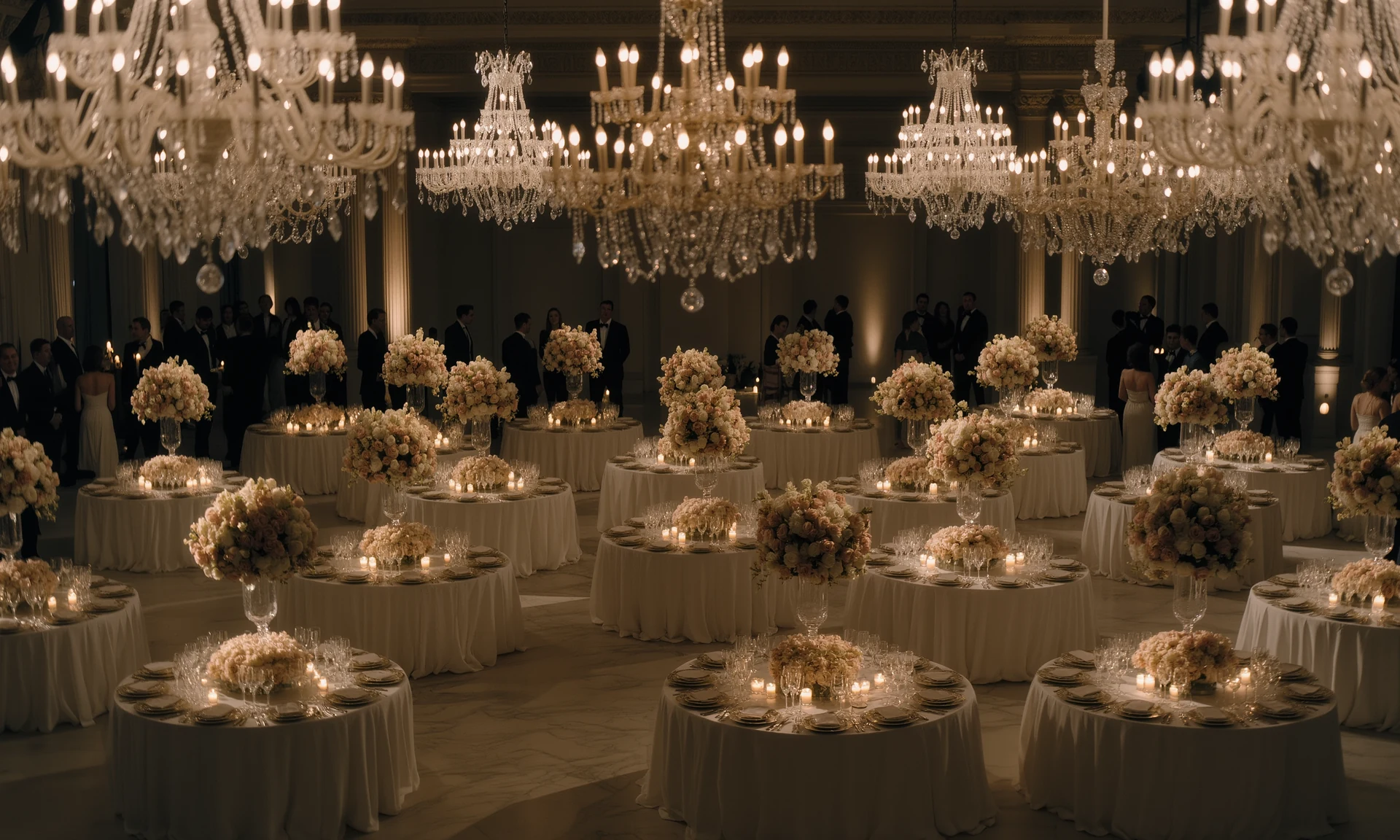
Ultimate Luxury Events in Marbella: Where Opulence Meets Elegance
When thinking about ultimate luxury events in Marbella, you’re really looking at a place where the sun-drenched Mediterranean lifestyle merges w…
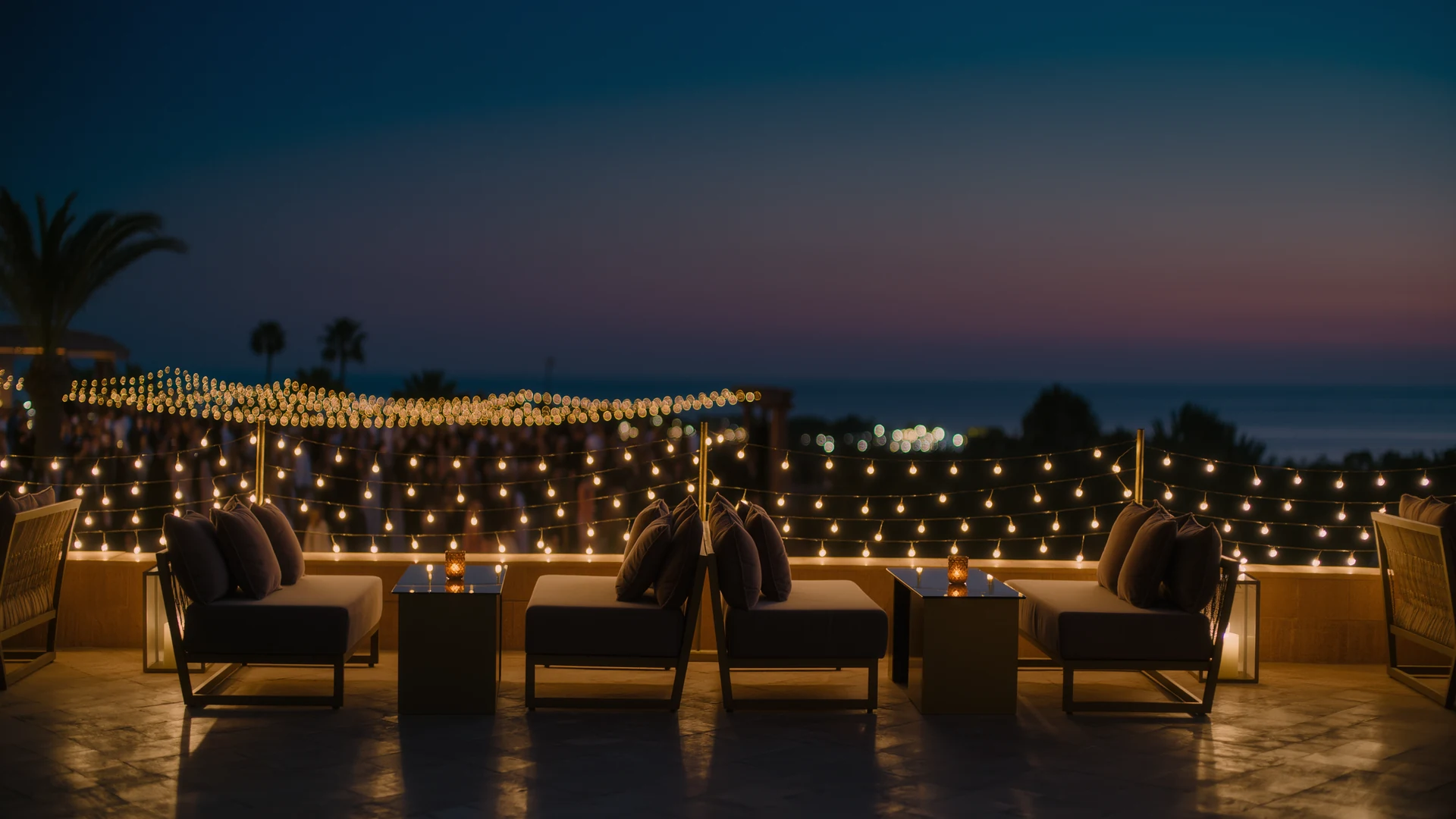
Exclusive Events in Spain: A Must-See Experience
Spain isn’t just about flamenco, tapas, and sun-drenched beaches, though those are fantastic. What often gets overlooked are the incredible exc…
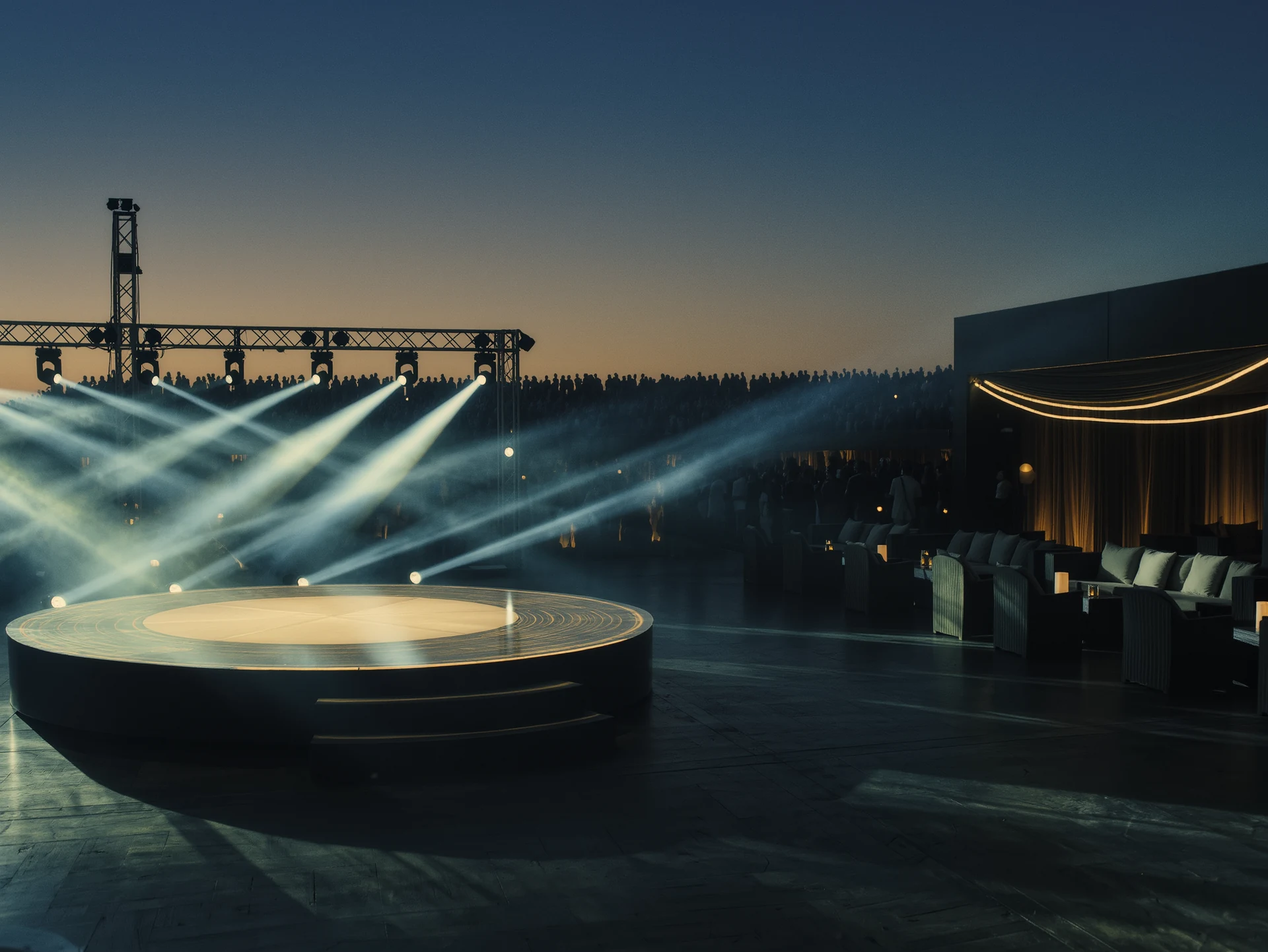
Exclusive Private Events on the Costa del Sol
Looking for that truly special, bespoke experience on the Costa del Sol? You’re in the right place. Exclusive private events here are all about crafti…