Andalusia Travel Guide
Andalusia travel guide from the Costa del Sol: reach Seville, Granada, Córdoba, Ronda and the white villages by car or AVE train, with tips on timing and tickets.…
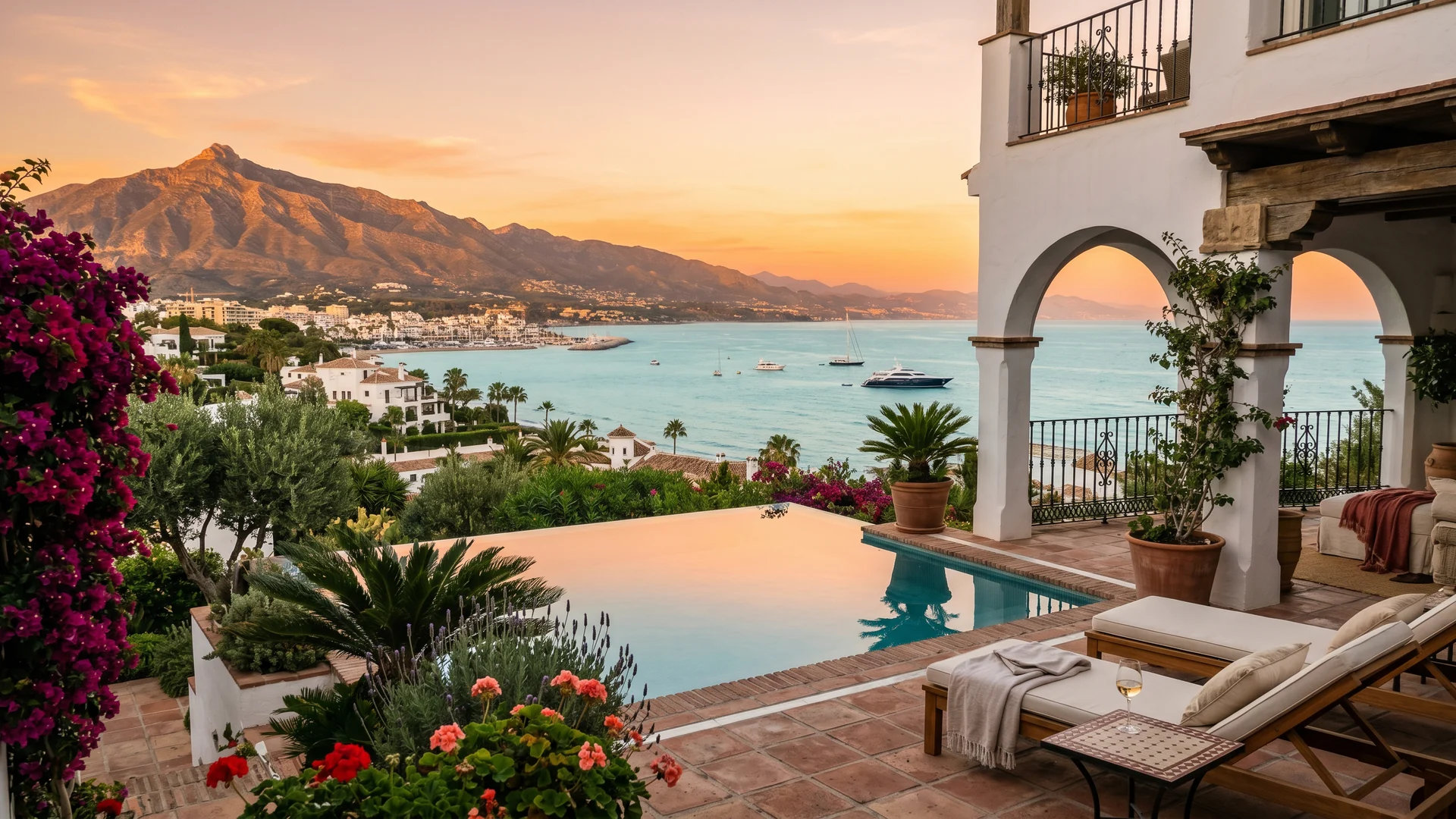
From the Costa del Sol, Andalusia's greatest sights, Seville, Granada, Córdoba, Ronda, Antequera and the white villages, are all reachable within a two-hour drive or short AVE train ride.
Key Takeaways
- Seville lies 2 hours 15 minutes by car from Marbella or 1 hour 50 minutes by AVE train from Málaga, and deserves at least two full days for the Alcázar, the world's largest Gothic cathedral and the Plaza de España.
- Granada is 1 hour 40 minutes by car from Málaga; its Alhambra requires tickets booked online at least a month in advance and three to six hours to explore.
- Córdoba is just 50 minutes by AVE from Málaga, making the Mezquita-Catedral with its 850-plus arches an easy day trip best paired with the local salmorejo.
- Ronda, only 45 minutes from Marbella, is the easiest major attraction, famous for the 120-metre El Tajo gorge spanned by the 18th-century Puente Nuevo and a bullring built in 1785.
- Antequera, about 45 minutes north of Málaga, is a UNESCO World Heritage site whose Menga, Viera and El Romeral dolmens date from roughly 3,700bis3,000 BCE and predate Stonehenge.
- The pueblos blancos circuit links Ronda, Grazalema (Spain's wettest place), Zahara de la Sierra and Arcos de la Frontera, ideally driven as a two-day loop.
- The best months to visit are April, May, September and October; avoid Seville and Córdoba in July and August when temperatures exceed 40°C, and respect the 2pm, 5pm siesta.
🌐 Also available in: Deutsch
Andalusia is the Spain of the imagination. Whitewashed villages draped over sun-scorched hillsides. The scent of orange blossom drifting through cobbled streets. The sound of flamenco guitar spilling from a doorway. Vast cathedrals built atop former mosques. Snow-capped mountains reflected in irrigation channels laid out by the Moors a thousand years ago. And everywhere, the quality of light, that particular, golden, crystalline light that has drawn artists, writers, and wanderers to southern Spain for centuries.
The Costa del Sol is the perfect base for exploring this extraordinary region. Within a two-hour drive (or a short high-speed train journey) lie some of Spain’s most magnificent cities, its most spectacular mountain landscapes, and its most enchanting villages. This guide covers the essential Andalusian destinations accessible from the Costa del Sol, with practical advice on transport, timing, and what not to miss.
Seville: The Soul of Andalusia
Seville is the capital of Andalusia and, for many, the most beautiful city in Spain. It is 2 hours and 15 minutes by car from Marbella (via the A-49 motorway), or 1 hour and 50 minutes by high-speed AVE train from Málaga’s María Zambrano station. The city demands at least two full days, three if you want to do it justice.
The Must-See Monuments
The Alcázar of Seville is the unmissable centrepiece: a royal palace still used by the Spanish royal family, built over centuries on the site of a Moorish fortress. Its architecture is a hypnotic blend of Islamic and Christian styles, with exquisite tilework, carved stucco, and lush gardens. Book tickets online weeks in advance; queues can stretch for hours. Adjacent to the Alcázar, the Cathedral of Seville is the largest Gothic cathedral in the world and the burial place of Christopher Columbus. Climb the Giralda tower, originally a minaret, now the cathedral’s bell tower, for panoramic views across the city’s rooftop terraces and the Guadalquivir River. The Plaza de España, built for the 1929 Ibero-American Exposition, is a crescent of ornate bridges and tiled alcoves representing each Spanish province, set in the vast María Luisa Park. Rent a rowboat to navigate the small canal that arcs around the plaza, a tourist cliché, but a delightful one.
Tapas, Flamenco, and the Santa Cruz Quarter
The Barrio de Santa Cruz, the old Jewish quarter, is a labyrinth of impossibly narrow streets, hidden plazas, and flower-filled patios. It is also home to some of the city’s best tapas bars. For authentic Seville tapas, head to El Rinconcillo (founded 1670, the oldest bar in Seville), Bodeguita Romero, or Casa Morales. In the evening, see flamenco at Casa de la Memoria, an intimate venue in a restored 15th-century house, or at the Museo del Baile Flamenco. Avoid the large tablaos aimed at tour-bus crowds. If your visit coincides with the Feria de Abril (April Fair) or Semana Santa (Holy Week), book everything months in advance. Seville during these festivals is an experience like no other, but the city operates at maximum capacity.
Granada: The Moorish Jewel
Granada, at the foot of the Sierra Nevada mountains, is 1 hour and 40 minutes by car from Málaga (via the A-92 motorway) or about 2 hours from Marbella. The city is synonymous with the Alhambra, and rightly so, it is arguably the most beautiful building in Europe.
The Alhambra: Tickets and Timing
The Alhambra is a sprawling palace-fortress complex built by the Nasrid dynasty, the last Muslim rulers of Spain, between the 13th and 15th centuries. It encompasses the Alcazaba (the original fortress), the Nasrid Palaces (the exquisite royal quarters with their famous courtyards, fountains, and carved stucco), and the Generalife (the summer palace set in terraced gardens with water features that showcase the Moors’ mastery of hydraulic engineering). Tickets must be booked online at least a month in advance, demand is ferocious, and walk-up tickets are essentially non-existent. If you cannot secure a standard ticket, the Granada Card or a guided tour may offer availability. The Alhambra deserves a minimum of three to four hours; five to six is not unreasonable.
The Albaicín and Sacromonte
After the Alhambra, descend into the Albaicín, the old Moorish quarter on the opposite hillside. Its steep, winding streets, whitewashed houses, and cármenes (traditional houses with walled gardens) preserve the layout and atmosphere of medieval Islamic Granada. The Mirador de San Nicolás offers the classic postcard view of the Alhambra with the Sierra Nevada behind, especially magical at sunset. The Sacromonte district, famed for its cave houses and flamenco tradition, is next door.
Granada’s Tapas Culture
Granada is one of the last bastions in Spain where tapas are served free with every drink, and they are substantial. Calle Navas and the streets around Plaza Nueva are dense with bars where €3 buys a caña and a plate of migas, jamón, or fried fish. Los Diamantes is a Granada institution for seafood tapas; Bodegas Castañeda is the old-school option for wine and jamón.
Córdoba: The Caliphate Capital
Córdoba is further inland, about 2 hours by car from Marbella, or just 50 minutes by AVE from Málaga, and is often visited as a day trip. But it rewards those who stay longer.
The Mezquita-Catedral
The Mezquita-Catedral de Córdoba is one of the world’s most extraordinary religious buildings: a vast mosque built between the 8th and 10th centuries, into which a Renaissance cathedral was inserted in the 16th century. The forest of red-and-white-striped arches, more than 850 columns of jasper, onyx, marble, and granite, creates an interior of hypnotic beauty. The contrast between the serene, horizontal space of the mosque and the vertical assertion of the Catholic cathedral is an architectural metaphor for conquest and transformation. Go early in the morning to experience it without the crowds. The Patio de los Naranjos (Courtyard of the Orange Trees) is the Mezquita’s entrance courtyard, still used for ritual ablutions as it was a millennium ago.
The Judería and Culinary Specialties
The Judería (Jewish quarter), a network of narrow lanes and flower-filled patios immediately surrounding the Mezquita, is Córdoba’s most atmospheric district. The Calleja de las Flores, a tiny alley ending in a small plaza with a view of the Mezquita’s bell tower framed by flowers, is the city’s signature image. The Sinagoga de Córdoba, one of only three original medieval synagogues surviving in Spain, is a small but moving site.
Córdoba’s culinary specialty is salmorejo, a thick, velvety cold soup of tomato, bread, garlic, olive oil, and vinegar, gazpacho’s richer, creamier cousin. It is typically topped with hard-boiled egg and jamón serrano. Taberna Salinas, Bodegas Mezquita, and Casa Pepe de la Judería are reliable choices. The Patio Festival in May, when residents open their private courtyards to the public, is an explosion of flowers, colour, and competition that transforms the entire city.
Ronda: The Dramatic Mountain Citadel
Ronda is the most spectacular of Andalusia’s white towns (pueblos blancos), and at just 45 minutes from Marbella or 1 hour from Málaga, it is the easiest major Andalusian attraction to visit from the Costa del Sol. The town is built atop a dramatic limestone plateau cleft in two by the El Tajo gorge, a 120-metre-deep chasm spanned by the Puente Nuevo, an 18th-century stone bridge that is one of Spain’s most iconic structures. Stand on the bridge and look down into the gorge, where eagles ride the thermals, and you understand why Rilke and Hemingway were so captivated by this place.
The Puente Nuevo and Historic Landmarks
Ronda’s Plaza de Toros is one of Spain’s oldest and most beautiful bullrings, built in 1785, and the birthplace of modern bullfighting on foot (as opposed to on horseback). Even if bullfighting is not your interest, the architecture, the museum, and the history are absorbing. The Palacio de Mondragón, a 14th-century Moorish palace with gardens and views over the valley, houses Ronda’s municipal museum. The Baños Árabes (Arab Baths), tucked away in the old Arab quarter, are among the best-preserved in Spain, dating from the 13th century, with their star-shaped roof vents still intact.
Wineries and Dining
Ronda sits within the Serranía de Ronda, a region of extraordinary natural beauty that is also home to a growing number of excellent wineries. Bodegas F. Schatz, Descalzos Viejos, and Joaquín Fernández all offer tastings with advance booking. For lunch, the Restaurant Almocábar in Ronda’s old town serves refined Andalusian cuisine with a focus on local game, cheeses, and wines.
The Pueblos Blancos: A White-Washed Odyssey
The Classic Western Circuit
The white villages of Andalusia, the pueblos blancos, are scattered across the mountains of Cádiz and Málaga provinces, and exploring them is one of the most rewarding travel experiences in southern Spain. From the Costa del Sol, a classic loop starts in Marbella and heads inland: after Ronda, continue west to Grazalema, the wettest place in Spain (yes, really, it receives more annual rainfall than any other location in the country, creating a green, flower-filled microclimate unique in Andalusia). From Grazalema, the road descends to Zahara de la Sierra, a startlingly beautiful village perched on a rocky outcrop above a turquoise reservoir, its castle tower visible for miles. Further west, Arcos de la Frontera is the grandest of the pueblos blancos, a town built atop a vertical cliff that drops dizzyingly to the Guadalete River below. The Parador de Arcos, a state-run hotel in a historic building on the cliff edge, has one of the best terraces in Spain for a sunset drink.
Villages Close to the Costa del Sol
Closer to the Costa del Sol, Casares, just inland from Estepona, is a textbook pueblo blanco: white houses stacked on a steep hillside, a ruined castle at the summit, and views across the Mediterranean to Gibraltar and Africa. Mijas Pueblo, in the hills above Fuengirola, is beautiful but touristy, the donkey taxis are a novelty, but the crowds can be overwhelming. For a quieter alternative, try Frigiliana, above Nerja on the eastern Costa del Sol, consistently voted one of Spain’s most beautiful villages, with its immaculate white streets decorated with ceramic murals and overflowing flower pots.
Practical Travel Tips for Exploring Andalusia
Getting Around: Car vs. Train
Transport: A car gives maximum flexibility for exploring the pueblos blancos and the countryside, and the roads are excellent. However, Spain’s high-speed AVE trains from Málaga are faster, more comfortable, and remarkably affordable for city-to-city travel. Málaga to Córdoba takes just 50 minutes. Book train tickets in advance on the Renfe website for the best prices. Bus services from Málaga and Marbella connect to most major destinations, but journeys can be slow and frequencies limited outside peak season.
When to Visit: Seasons and Siestas
Timing: Avoid the interior cities of Seville and Córdoba in July and August. Temperatures routinely exceed 40°C (104°F), and sightseeing becomes a trial of endurance. The best months for exploring Andalusia are April, May, September, and October, warm, sunny, and manageable. Winter is also excellent for city visits, with daytime temperatures often in the high teens and far fewer tourists, though mountain destinations like Grazalema can be cold and wet. Wherever you go in Andalusia, observe the siesta: most shops, businesses, and monuments close between 2:00 p.m. and 5:00 p.m. Plan your day around this rhythm, sightseeing in the morning, a long lunch, a rest during the heat of the day, and more exploration in the late afternoon and evening. It is not laziness; it is civilisation.
Where to Stay
Staying: The Paradores network of state-run hotels in historic buildings, castles, monasteries, palaces, offers some of the most atmospheric accommodation in Spain. Paradores in Ronda, Granada (inside the Alhambra complex, book extremely early), Carmona, and Antequera are all superb. In the cities, boutique hotels in converted palaces and townhouses are increasingly abundant and excellent. For longer stays, renting an apartment through local agencies rather than international platforms often yields better prices and more character.
Eating Like a Local
Eating: Andalusia’s dining culture is one of the region’s greatest pleasures. Lunch, the main meal of the day, typically runs from 2:00 p.m. to 4:00 p.m. and is best taken as a menú del día (set three-course lunch) in a restaurant away from the main tourist streets. Dinner is late, 9:00 p.m. at the absolute earliest, more commonly 9:30 p.m. or 10:00 p.m. and is typically lighter, consisting of tapas and raciones shared among friends. Do not try to eat dinner at 7:00 p.m.; the kitchens will not be open, and you will be identified as a tourist from a considerable distance.
Andalusia is one of Europe’s richest cultural landscapes, a region where Roman ruins, Moorish palaces, Gothic cathedrals, and white villages coexist in a landscape of startling beauty. And from the Costa del Sol, all of it is within easy reach. The only challenge is choosing where to begin.
Antequera: The Heart of Andalusia
Antequera, approximately 45 minutes north of Málaga by car, is one of Andalusia’s most underrated cities and a UNESCO World Heritage site. Known as the “heart of Andalusia” for its central geographical position, Antequera combines megalithic monuments older than Stonehenge with a spectacular Renaissance-Baroque old town, Roman baths, Moorish fortifications, and a landscape dominated by the distinctive Peña de los Enamorados (Lovers’ Rock).
The Megalithic Dolmens
The three dolmens, Menga, Viera, and El Romeral, are among the largest and best-preserved megalithic structures in Europe, dating from approximately 3,700bis3,000 BCE. Menga, built into a hillside with enormous stone slabs weighing up to 180 tonnes, is aligned with the Peña de los Enamorados and the summer solstice sunrise, a feat of prehistoric engineering that still astounds archaeologists. Entry to the dolmens is free, but booking is required due to visitor-number limits.
El Torcal and the Old Town
The Alcazaba of Antequera, a 14th-century Moorish fortress with Roman foundations, offers panoramic views across the fertile plain and to the El Torcal de Antequera, a surreal karst landscape of eroded limestone formations that is one of Europe’s most remarkable natural parks. Walking trails through El Torcal range from an easy 1.5-kilometre loop to a full-day 7.5-kilometre circuit. Antequera’s old town is rich with churches, convents, and mansions that reflect the city’s wealth during the Renaissance, when it was a major trading and agricultural centre. The Parador de Antequera, on the edge of the old town, is a modern hotel with a garden and pool that make an excellent base for exploring the city and the surrounding area.
Úbeda and Baeza: The Renaissance Twins
Further afield: about 2 hours and 45 minutes by car from the Costa del Sol, in the province of Jaén, the twin cities of Úbeda and Baeza are a UNESCO World Heritage site and two of the finest Renaissance ensembles in Spain. They are not on the standard tourist circuit, and they are all the more rewarding for it.
Úbeda’s Renaissance Splendour and Baeza’s Quiet Charm
Úbeda’s Plaza Vázquez de Molina is one of Spain’s most beautiful squares, ringed with perfectly preserved 16th-century buildings including the Sacra Capilla del Salvador, a funerary chapel of astonishing sculptural richness designed by Diego de Siloé, and the Palacio de las Cadenas, now the town hall. Baeza, just 9 kilometres away, is smaller and quieter, with a magnificent cathedral, a beautifully preserved old university building, and streets that feel as if they have not changed in 400 years. The olive oil of Jaén province, the largest olive-oil-producing region in the world, is an attraction in itself, and visits to local almazaras (oil mills) for tastings of the intensely fruity Picual oil are easily arranged. This is deep Andalusia, far from the coastal tourism circuit, and the experience is all the richer for it.
Practical Day Trips from the Costa del Sol
For the time-pressed visitor, several excellent Andalusian experiences are achievable as day trips from the Costa del Sol.
Easy Day Trips: Ronda and Córdoba
From Marbella, Ronda is a comfortable day trip (45 minutes each way; leave at 9:00 a.m. return by 6:00 p.m. and you will have seen the highlights). From Málaga city, Córdoba by AVE (50 minutes) is an excellent day trip: take the 9:00 a.m. train, spend the day in the Mezquita and the Judería, enjoy a long lunch of salmorejo and rabo de toro, and take the 6:00 p.m. or 7:00 p.m. train back.
Overnight Recommendations: Granada and Seville
Granada is technically a day trip from Málaga or Marbella (1 hour 40 minutes by car), but it is a long day, particularly if visiting the Alhambra (4bis5 hours), and an overnight stay is far more enjoyable. Seville is too far for a comfortable day trip from most of the Costa del Sol (2 hours 15 minutes from Marbella, 1 hour 50 minutes by AVE from Málaga) and deserves at least two nights. The pueblos blancos circuit, Ronda, Grazalema, Zahara, Arcos, is ideally done as a two-day driving loop with an overnight in one of the villages or Paradores. The roads are generally excellent, well-signed, and lightly trafficked outside the immediate coastal strip and the major cities.
Frequently Asked Questions (FAQ)
How far is Seville from the Costa del Sol and how do you get there?
Seville is 2 hours 15 minutes by car from Marbella via the A-49 motorway, or 1 hour 50 minutes by high-speed AVE train from Málaga's María Zambrano station. It is too far for a comfortable day trip and deserves at least two nights to see the Alcázar, cathedral and Plaza de España.
How do I get tickets for the Alhambra in Granada?
Alhambra tickets must be booked online at least a month in advance, as demand is ferocious and walk-up tickets are essentially non-existent. If you cannot secure a standard ticket, the Granada Card or a guided tour may offer availability. Allow a minimum of three to four hours, with five to six not unreasonable.
What is the best Andalusian day trip from Málaga by train?
Córdoba is the best AVE day trip, just 50 minutes from Málaga. Take the 9:00 a.m. train, spend the day in the Mezquita-Catedral and the Judería, enjoy a long lunch of salmorejo and rabo de toro, then catch the 6:00 p.m. or 7:00 p.m. train back.
Which Andalusian town is easiest to visit from the Costa del Sol?
Ronda is the easiest major attraction, just 45 minutes from Marbella or 1 hour from Málaga. Built atop a limestone plateau split by the 120-metre El Tajo gorge and crossed by the Puente Nuevo bridge, it works as a comfortable day trip: leave at 9:00 a.m. and return by 6:00 p.m.
What are the pueblos blancos and how should I tour them?
The pueblos blancos are Andalusia's white villages scattered across Cádiz and Málaga provinces. A classic circuit links Ronda, Grazalema, Zahara de la Sierra and Arcos de la Frontera, ideally done as a two-day driving loop with an overnight in a village or Parador. Casares, Mijas Pueblo and Frigiliana lie closer to the coast.
When is the best time of year to visit Andalusia?
The best months are April, May, September and October: warm, sunny and manageable. Avoid the interior cities of Seville and Córdoba in July and August, when temperatures routinely exceed 40°C. Winter suits city visits with high-teen daytime temperatures and fewer tourists, though mountain destinations like Grazalema can be cold and wet.
Should I rent a car or take the train to explore Andalusia?
A car offers maximum flexibility for the pueblos blancos and countryside, and the roads are excellent. For city-to-city travel, Spain's high-speed AVE trains from Málaga are faster, more comfortable and affordable. Málaga to Córdoba takes just 50 minutes. Book Renfe tickets in advance for the best prices.
Where should I stay when touring Andalusia?
The Paradores network of state-run hotels occupies historic castles, monasteries and palaces, offering some of Spain's most atmospheric accommodation. Paradores in Ronda, Granada, Carmona and Antequera are all superb; the Granada one inside the Alhambra complex must be booked extremely early. Boutique hotels in converted city palaces are also abundant.
How do I reach Seville from the Costa del Sol?
Do I need to book tickets for the Alhambra in advance?
When is the best time to visit Andalusia's inland cities?
More from Luxury Travel
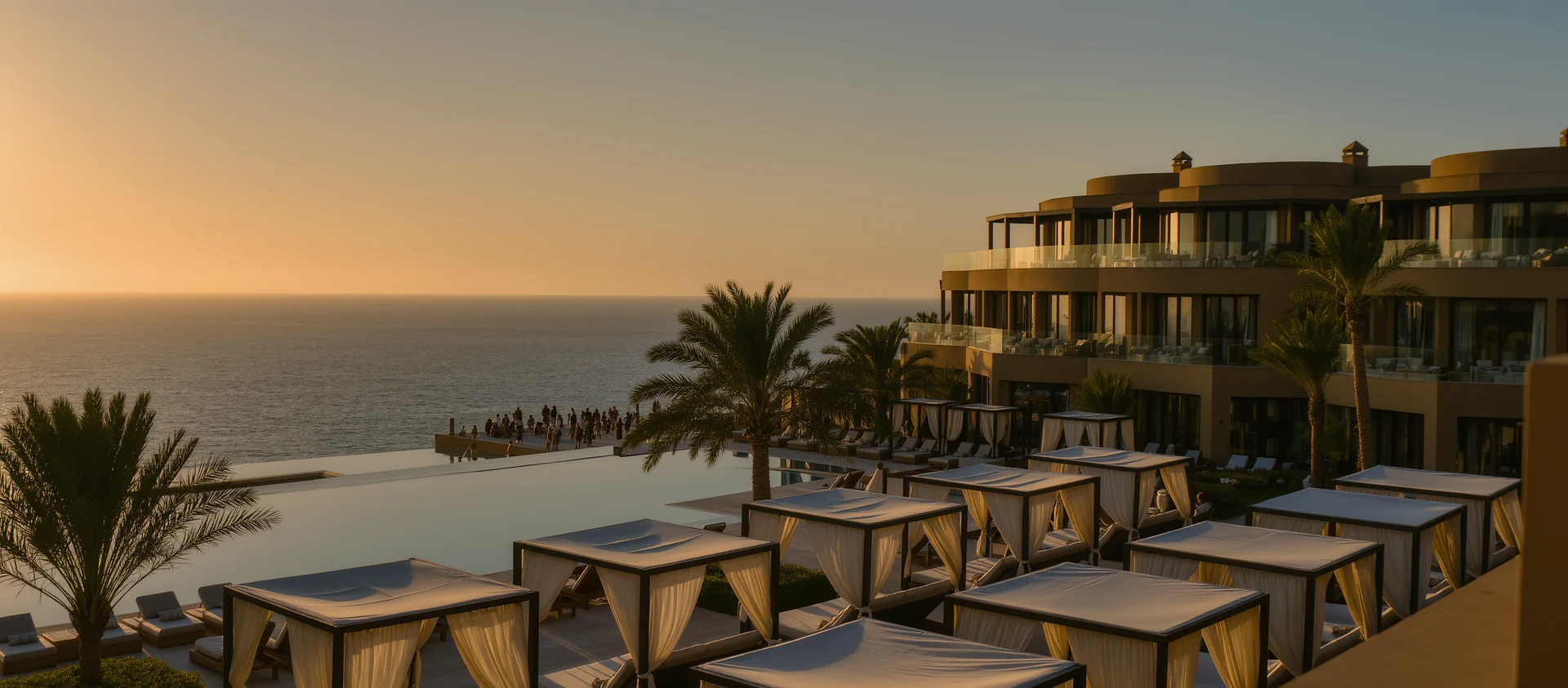
Ultimate Luxury Resorts in Marbella: Indulge in Paradise
Marbella, with its golden beaches and sparkling Mediterranean, is renowned for its high-end experiences, and its luxury resorts are no exception. If y…
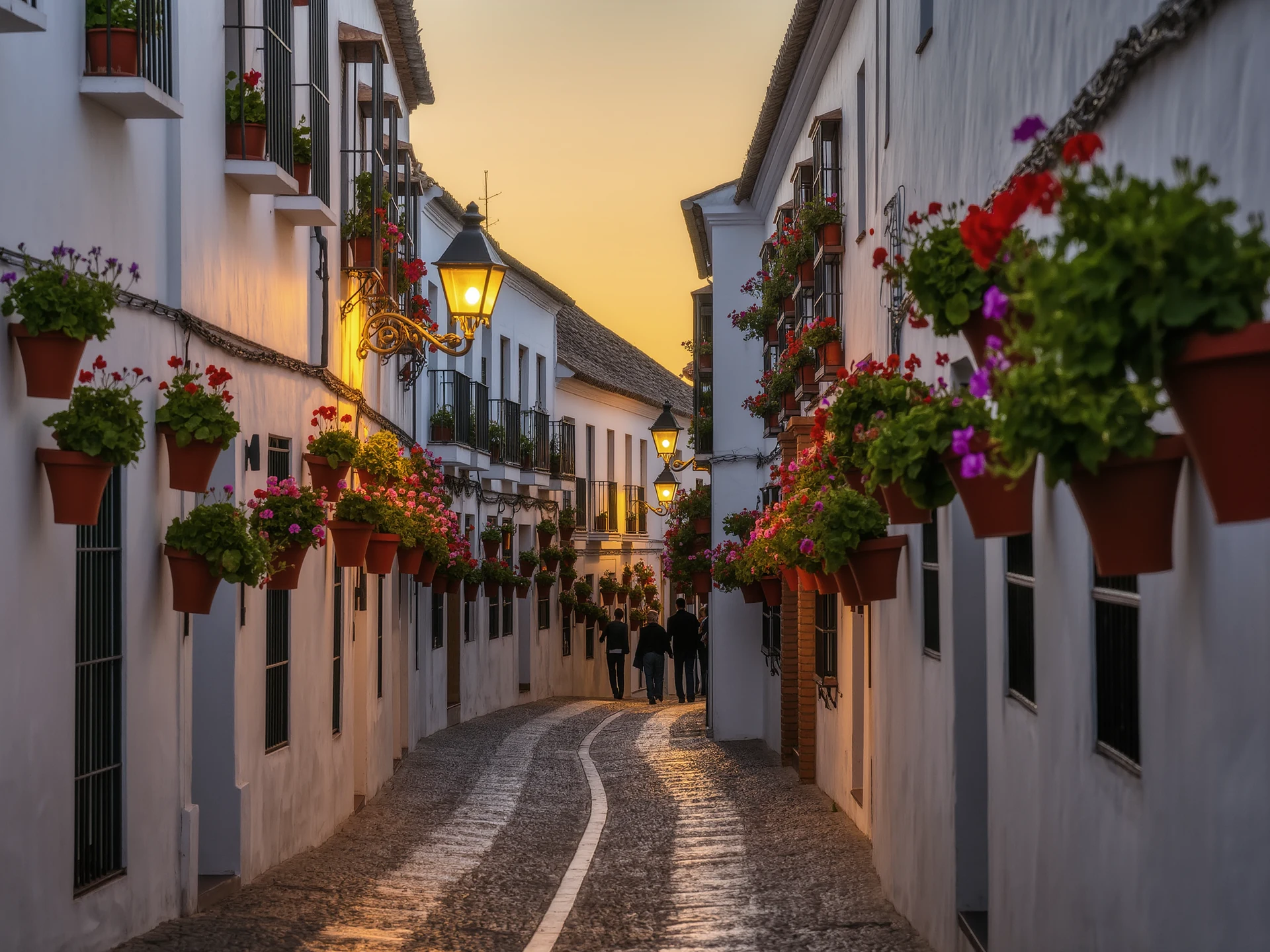
Ultimate Luxury Travel Planning with Marbella’s Expert
When you picture ultimate luxury travel, what comes to mind? Private jets, bespoke itineraries, and experiences that feel tailor-made just for you, ri…
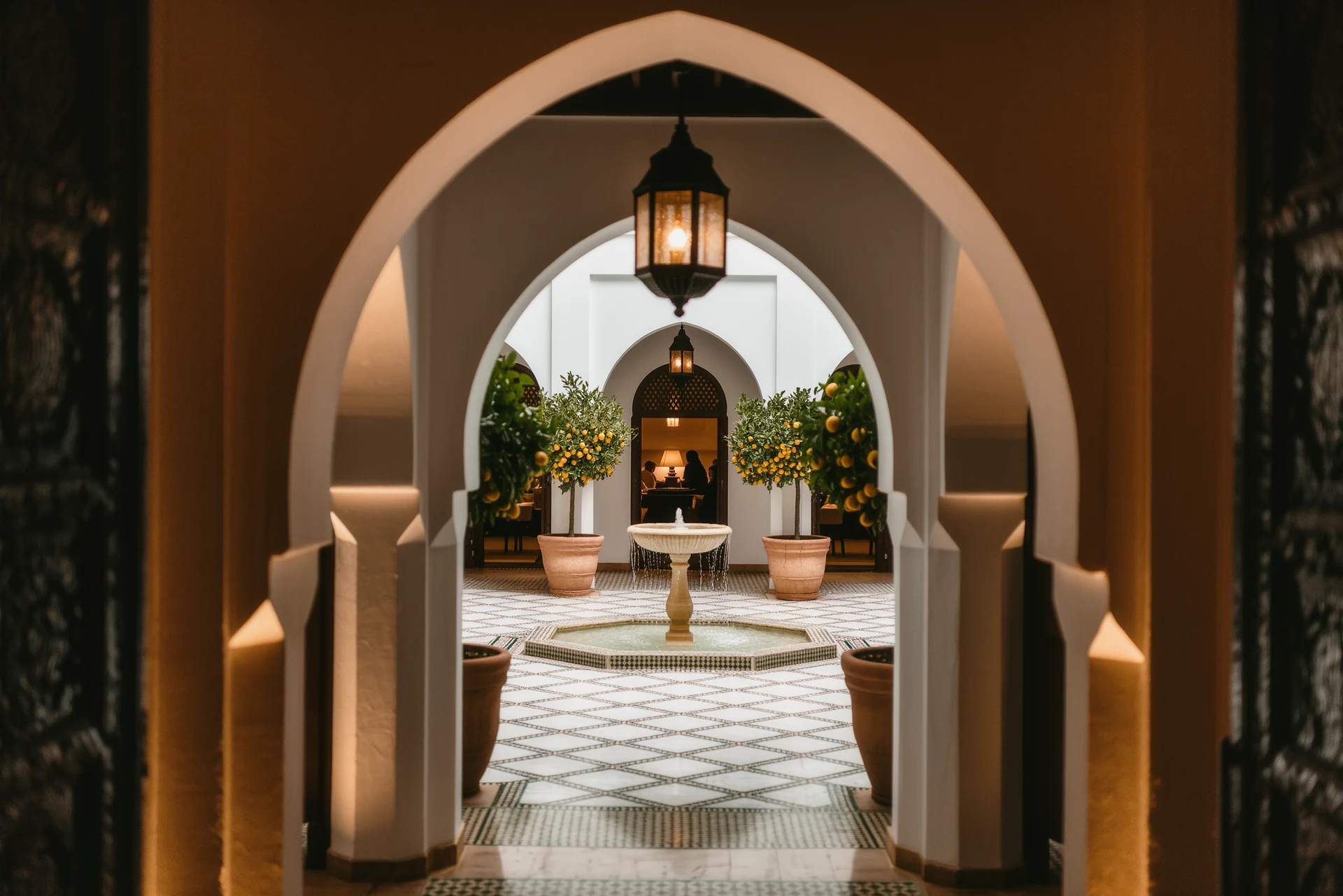
Discover Costa del Sol’s Charming Boutique Hotels
Looking for a more intimate and unique stay on the Costa del Sol? Boutique hotels are your answer. Ditching the sprawling resorts for something with a…