Secret Beaches: Costa del Sol’s Hidden Gems
Finding a quiet spot on the Costa del Sol can feel like a quest, right? You picture those postcard-perfect beaches but often find them packed with sunbathers and buzzing with activ…
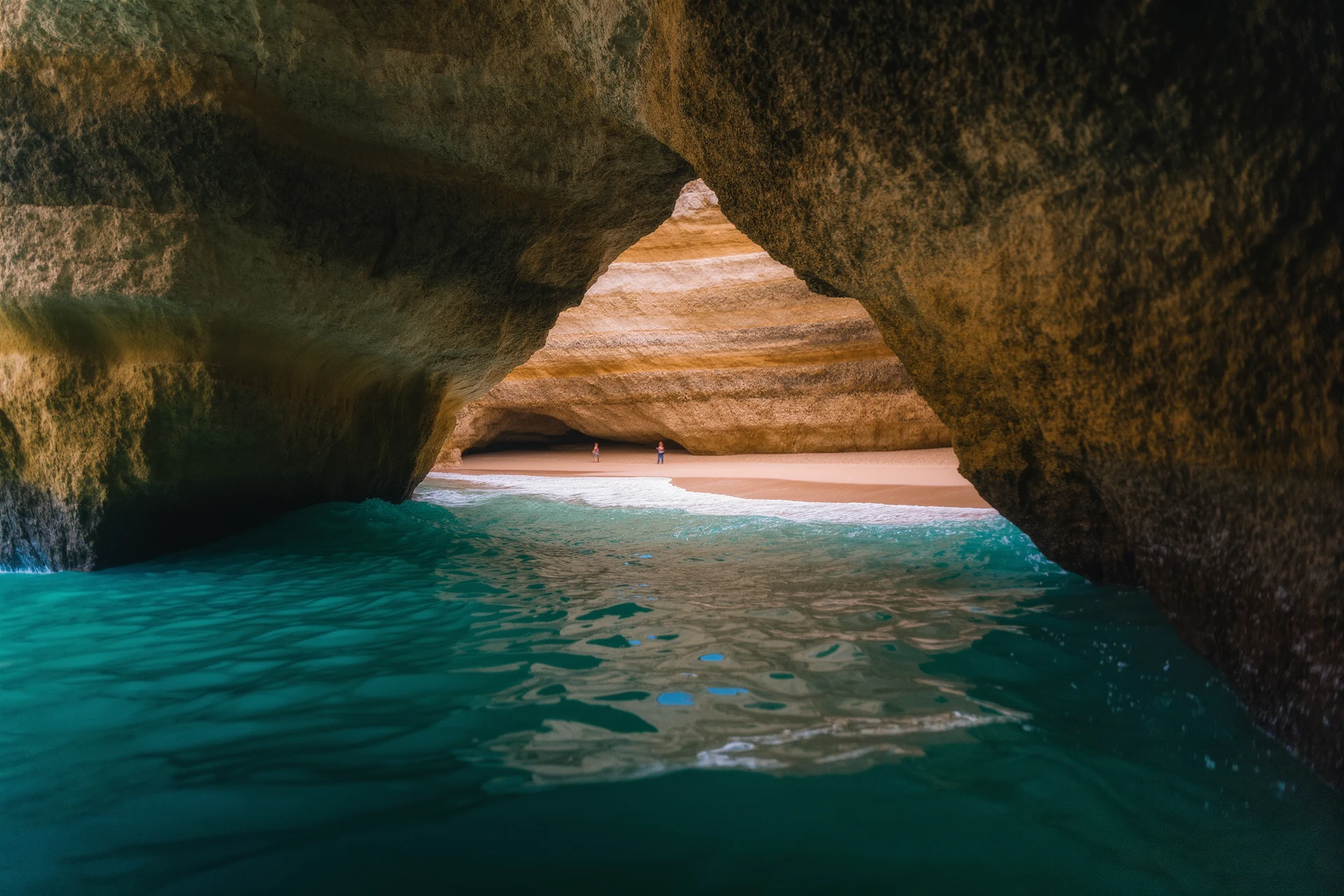
The Costa del Sol’s secret beaches offer quieter alternatives to its busy promenades and popular stretches of sand. These smaller coves and less-visited beaches appeal to visitors looking for a peaceful day by the Mediterranean, away from the crowds. Reaching them may involve a coastal walk, a less accessible road or directions from someone who knows the area. That extra effort is part of the trade-off: you gain a quieter setting, but may have fewer facilities nearby. Plan your route and bring what you need rather than expecting the services of a resort beach.
Popular Costa del Sol beaches, including La Malagueta in Malaga city and Playa de Burriana in Nerja, can get particularly busy during peak season. The region’s climate, accessibility and varied attractions draw large numbers of visitors, but not every stretch of coast receives the same attention. A secret beach is usually a less-visited spot rather than a completely deserted cove. Its appeal lies in a more natural setting, fewer commercial facilities and a quieter atmosphere. You may still share the sand with other beachgoers, especially in summer. The difference is often the pace: less activity around you and more space to listen to the waves and relax.
What Makes a Beach Secret
A secret beach is usually less visited because of its access, limited facilities or low profile. Remoteness helps, but several features can keep a beach off the main tourist routes:
- Limited access: Reaching the beach may involve an unpaved road, a walk down a coastal path or a route through a less developed area. The extra effort discourages some visitors and can help keep the beach quieter.
- Few facilities: Do not expect rows of sun loungers, frequent beach bars or convenient parking. Limited development is part of the appeal, but it also means preparing for your visit. Bring water, snacks and, if needed, a beach umbrella for shade.
- Local knowledge: Some quieter beaches are known mainly to local residents, who use them as places to escape busy surroundings. Ask for directions respectfully and treat the beach with care when you visit.
- Natural setting: Cliffs, clear turquoise water and surrounding pine forests often define these beaches. Their appeal comes from the coastline itself, rather than the beach clubs, buildings or other man-made attractions around it.
Secret Beaches: Access and Rewards
Choose a secret beach if you value quiet and natural surroundings more than easy access and services. A longer walk or limited parking may be worthwhile, but these beaches are less suitable if you want a chiringuito, or beach bar, close at hand. Think about what you need from the day before choosing your destination. For some visitors, the priority is convenience; for others, it is a quiet patch of coastline with little around them beyond the sea. The best choice depends on how much effort you are willing to make and which facilities you can comfortably do without.
Cala de Maro: A Pebbly Cove Near Nerja
Cala de Maro is a pebbly beach at the foot of cliffs near Nerja, towards the eastern end of the Costa del Sol. Its clear water makes it appealing for swimming and snorkelling. The coastline around Nerja has dramatic cliff faces and small coves, offering alternatives to the better-known Burriana beach. Cala de Maro’s main attraction is this natural setting: steep rock faces above the shore and clear water below. It suits visitors who want to spend their time in the sea or on a less developed stretch of beach.
Reaching Cala de Maro
To reach Cala de Maro from Nerja, head east beyond the main tourist beaches and follow the road towards the Acueducto de Maro, or Maro Aqueduct. Plan for parking and the walk down before you set off. Designated parking areas can fill quickly in high season, and some visitors park further away and continue on foot. The descent to the beach is moderately steep, so access takes more effort than at the town beaches. Allow for that walk when deciding how much equipment to carry, rather than assuming you can park beside the shore.
Cala de Maro: The Walk Down
The path to Cala de Maro is well used and paved for much of the way, but some sections are uneven. Wear sensible shoes for the descent. The route opens up views of the cove and surrounding cliffs as you approach the sea. Although the walk is manageable for many visitors, consider the slope and footing if you have mobility difficulties or plan to carry plenty of beach equipment.
Cala de Maro: Beach Conditions and Facilities
Cala de Maro has a mixture of pebbles and sand, with no bars or sun lounger hire directly on the beach. Bring beach shoes if you find pebbles uncomfortable underfoot. You will also need to carry the supplies for your visit, including water, food, towels and any snorkelling equipment or beach toys. The absence of facilities keeps the focus on the natural surroundings rather than beach services. Rugged cliffs frame the shore, and the waves provide much of the background sound. Choose this beach for its setting, but prepare for a day without the conveniences of a developed resort beach.
Snorkelling at Cala de Maro
Cala de Maro’s clear, calm water makes snorkelling one of its main attractions. Rocky outcrops provide habitat for marine life, and a mask and snorkel let you explore the water around them. Small fish and good underwater visibility add to the appeal. For visitors interested in the sea rather than beachside facilities, snorkelling offers a way to enjoy the cove’s natural setting away from busier stretches of coast.
Playa de Cantarriján: Beach Bars and Naturist Areas
Playa de Cantarriján lies further east, before La Herradura, and has two sections with different atmospheres. The beach combines pebbles and sand with clear water. It has long attracted an alternative crowd, including naturists in the more secluded western section. That mix gives Cantarriján a different character from a conventional resort beach. Visitors can choose between a more developed area and a quieter stretch, rather than expecting the same experience along the entire shore.
Access to Playa de Cantarriján
Cantarriján has a parking area at the top of the hill, with a shuttle down to the beach during the summer months. The service usually uses a small bus or tractor-pulled wagon. In quieter periods, visitors may be able to drive closer to the shore. This makes access more straightforward than at some less-visited coves, although the journey still needs planning. The summer shuttle also helps manage access to the beach. Its quieter reputation does not mean you should expect an empty shoreline.
The Shuttle Ride to Cantarriján
The shuttle route to Cantarriján winds down the hillside towards the beach. Along the way, you can see glimpses of the sea and rugged coastline. The descent gives a view of the surrounding landscape before you reach the shore.
Cantarriján’s Two Beach Sections
A rocky headland divides Playa de Cantarriján into two areas. The eastern section has a couple of chiringuitos serving seafood and drinks. It can be busier, although the atmosphere remains relaxed. The western section is less developed and more secluded. Naturists and visitors looking for a quieter setting tend to favour this part of the beach.
Chiringuito Culture at Cantarriján
Cantarriján’s chiringuitos serve fresh grilled fish and other local specialities in an informal beachside setting. They give visitors the option of eating by the shore rather than bringing every meal with them. The appeal is straightforward: seafood, drinks and a relaxed place to sit close to the sand, with the sound of the waves nearby. These beach bars are an important part of Cantarriján’s atmosphere.
Seafood and Drinks by the Beach
The beachside eateries offer seafood platters and drinks, so you can stop for a meal or refreshment after swimming or sunbathing. Having somewhere to eat nearby makes a longer visit more convenient and reduces the need to bring a picnic.
Cantarriján’s Naturist-Friendly Western Cove
Cantarriján’s western section is known for its naturist-friendly atmosphere. More pronounced rock formations and greater seclusion distinguish it from the developed part of the beach. It appeals to visitors who prefer naturism in a quieter setting. If you choose this section, be aware of its established character and respect the people using it. Naturism forms part of the beach’s identity, rather than being an incidental feature.
Playa de Enix: An Undeveloped Beach in Almería
Playa de Enix is in Almería province, outside the Costa del Sol, and is an option for visitors willing to travel further for seclusion. Its rougher, less developed coastline contrasts with the region’s resort beaches. Access involves unpaved tracks rather than a straightforward approach through a tourist area. This is a beach to consider for its quieter setting, not for convenient facilities or a polished resort experience.
Reaching Playa de Enix by Unpaved Tracks
Reaching Playa de Enix generally requires a car suited to uneven terrain. Head towards the village of Enix and use local signs or ask residents for directions to the coast. The final approach often follows a dusty, unpaved track through arid hills. Access is part of the planning, not just a minor detail: the route takes more effort than a drive to a developed beach. That less convenient approach discourages casual visitors and contributes to the quieter setting, but it also makes the beach less suitable for an unplanned stop.
Navigating the Tracks
The approach tracks can be bumpy, rocky and narrow in places. Drive slowly and carefully, and consider your comfort with uneven roads before choosing this beach. If off-road driving is not for you, the difficult access may outweigh the appeal of seclusion. The same route that keeps visitor numbers down can make getting to the shore more demanding.
Playa de Enix: Shoreline and Facilities
Playa de Enix has a rugged, undeveloped shoreline of coarse sand and pebbles, bordered by low cliffs and scrub. There are no beach facilities: no bars, lifeguards or sunbeds. The water is typically clear, and the beach’s appeal lies in its open coastline and limited development. Come prepared to manage your own supplies rather than relying on services when you arrive. The quieter surroundings are the attraction, but the lack of facilities is an equally important part of choosing this beach.
A Quiet Setting at Playa de Enix
Waves and wind are the main sounds at Playa de Enix, rather than the activity of a resort promenade. The setting suits visitors looking for a quieter day on the coast. Bring water, food, sun protection and a bag to carry all your rubbish away.
What to Bring to Playa de Enix
Bring plenty of water and food to Playa de Enix, particularly if you plan to stay for several hours. The beach has no nearby services to rely on during your visit. Sunscreen and a hat are essential in the exposed setting, while beach shoes can make the stony shoreline more comfortable underfoot. Prepare for the lack of facilities before setting out, so you can spend your time enjoying the quieter coastline rather than looking for supplies.
Cala del Pino: A Small, Quieter Cove
Cala del Pino is a relatively small cove that receives less attention than larger, more accessible beaches. It is not entirely unknown, but its appeal lies in a quieter atmosphere rather than complete isolation. For visitors looking beyond the busiest stretches of sand, the cove offers a smaller-scale beach setting. Expect a less prominent spot, not a private beach or a guarantee of solitude.
Finding the Entrance
Finding the entrance to Cala del Pino can take some preparation because signage is not always obvious. Access is from the coastal path, with a turn-off or descending path towards the sea. Check the location on a map before you set out rather than relying entirely on signs. Visitors arriving by car may find roadside parking nearby, followed by a walk down. The key is to identify the approach in advance, as the entrance can be easy to miss.
The Coastal Path Route
The coastal path, or Senda Litoral, connects beaches and coves and offers views along the shore. Some visitors find Cala del Pino while following this route. Look for paths descending towards the beach, rather than expecting every cove to have a clearly marked entrance.
Cala del Pino: A Smaller Beach Setting
Cala del Pino’s small size gives it a more intimate feel than the larger beaches. The shore is often a mixture of sand and pebbles, with clear water and natural surroundings that are not especially wild. It is an option for a relaxed day by the sea if you prefer a smaller cove to a broad, busy stretch of sand.
Cala del Pino: Limited Facilities
Facilities directly on Cala del Pino are limited. A basic chiringuito may operate during peak season, but do not rely on it for refreshments. Bring your own drinks and food so your plans do not depend on what is open. The limited commercial development is part of the beach’s quieter, more natural atmosphere.
Cala del Pino for Families
Cala del Pino can appeal to families seeking a quieter beach day. Its relatively sheltered position and generally calm water are part of that appeal, alongside a more relaxed atmosphere than larger beaches. Access is manageable enough for family visits, while the small cove feels less busy. Consider both the approach and the limited facilities when deciding if it suits your family.
Playa Nudista de Torre del Mar: A Quieter Naturist Beach
Playa Nudista de Torre del Mar is a designated nudist area on the western edge of the resort town. It offers a quieter alternative to the activity of the main beach and promenade. Its position away from the busiest resort stretch, together with limited publicity, means some visitors overlook it. The appeal is not that it is unknown, but that it provides a more peaceful setting for naturism close to a lively town.
Finding Torre del Mar’s Nudist Beach
Head west beyond Torre del Mar’s main promenade to reach the nudist section. The surroundings become less built up and the coastline more rugged as you move away from the resort centre. Signs usually indicate the nudist beach, although they can be discreet. Roadside parking is available in the area, followed by a short walk down to the sand.
From Resort Town to Natural Escape
The nudist beach has a more natural setting than Torre del Mar’s busy promenade. That contrast is part of its appeal: visitors can leave the main resort area behind without choosing a remote stretch of coast. It is an alternative for those who prefer less development around their beach day.
Naturism at Torre del Mar
Naturism is the main attraction for many visitors to this section of Torre del Mar’s coastline. The designated beach offers a place to relax without clothing, in a setting that differs from the main resort shore. The beach itself is largely sandy, with plenty of space for sunbathing. Choose it for its naturist character as well as its quieter surroundings.
Basic Amenities, Natural Setting
The nudist beach may have a basic chiringuito and, at times, toilet facilities, but services are limited. Do not expect the same range of amenities as on the main resort beach. Undeveloped stretches of coastline remain a central part of the setting. The water is often clear, which adds to its appeal for visitors who want to swim as well as sunbathe.
Respect and Etiquette at Nudist Beaches
Respect other visitors’ privacy at the nudist beach and follow any local guidelines. People use the space to relax without judgement, so be considerate of those around you. The same care applies here as on any beach, with particular attention to privacy in a naturist setting. A peaceful atmosphere depends on how everyone shares the shore.
Visiting Secret Beaches Responsibly
Responsible visits help protect the quieter beaches described here, from Cala de Maro and Cantarriján to Playa de Enix, Cala del Pino and Playa Nudista de Torre del Mar. Their appeal comes from their natural surroundings and relatively limited development. Treat those qualities with care rather than seeing a less-visited beach as a place without rules. Respect the coast, the local community and other beachgoers.
Leave No Trace
Take everything you bring to the beach home with you. That includes food wrappers, plastic bottles and all other litter, not just the items that are easy to carry. Leave the shore as you found it. If you come across stray rubbish, picking it up can help leave the beach in better condition for the next visitors.
Protecting the Natural Environment
Avoid disturbing wildlife or damaging plants around these beaches. Their surroundings can include fragile ecosystems, so pay attention to the flora and fauna along your route and beside the shore. Stepping on protected plants or frightening nesting birds can harm the natural environment that makes these places appealing.
Support Local Businesses Where Available
If there is a chiringuito or small local business near the beach, consider using it for a meal or refreshments. These businesses support the local economy, and their staff may know the area well. Many less-visited beaches have no such facilities, so this will not always be possible. Support local services where they are available, but bring your own supplies when the beach has none.
Finding More Quiet Beaches on the Costa del Sol
Finding a quieter beach on the Costa del Sol starts with a map, local advice and a willingness to look beyond the best-known stretches of sand. The coastline has more coves and quiet spots than the examples covered here. Prepare your essentials before exploring, and consider how you will reach the shore and what facilities you may need. A rewarding visit depends as much on planning and respect for the surroundings as it does on finding somewhere less familiar.
Costa del Sol Secret Beaches FAQs
Which hidden beaches can you visit on the Costa del Sol?
Costa del Sol is home to several hidden beaches that are less crowded and offer a more secluded experience. Some of these hidden gems include Playa de la Viborilla, Playa del Canuelo, and Playa de la Rijana.How do you reach hidden beaches on the Costa del Sol?
Access to the hidden beaches in Costa del Sol varies, but many can be reached by car, followed by a short walk or hike. Some beaches may also be accessible by boat or kayak, offering a unique and adventurous way to reach these secluded spots.What facilities do hidden beaches on the Costa del Sol have?
Since these beaches are hidden and less frequented by tourists, they may have limited amenities. Visitors should expect fewer facilities such as restaurants, beach bars, and rental services. It’s advisable to bring your own food, drinks, and beach essentials when visiting these hidden beaches.Are hidden beaches on the Costa del Sol suitable for families?
While some hidden beaches may be suitable for families, it’s important to note that these secluded spots may not have lifeguards or designated swimming areas. Families with children should exercise caution and ensure they have the necessary supplies for a day at the beach.What should you know before visiting Costa del Sol hidden beaches?
Before visiting the hidden beaches in Costa del Sol, it’s important to check the weather and sea conditions, as well as the accessibility of the beach. Visitors should also be mindful of preserving the natural beauty of these hidden gems by practicing responsible tourism and leaving no trace behind.Which secret beach near Nerja is best for snorkelling?
What should I bring to the Costa del Sol's hidden beaches?
Are any of the hidden beaches easier to reach?
More from Beach Life
Best Beaches of the Costa del Sol
Discover the best beaches of the Costa del Sol, from family-friendly Burriana in Nerja to Marbella’s beach clubs, with tips on facilities, parki…
Ultimate Guide to Costa del Sol’s Summer Beaches
So, you’re wondering how to make the most of the Costa del Sol’s summer beaches? It’s a fair question, and the good news is, it’s pretty s…
Embracing the Beachfront Lifestyle in Costa del Sol
So, you’re dreaming of a life where the Mediterranean breeze is your constant companion and the sound of waves is your daily soundtrack? I get i…