Indulge in Luxury Gastronomy: Spain’s Culinary Delights
You’re probably here because you’re wondering what “luxury gastronomy” in Spain actually means. Simply put, it’s about experiencing the very best of S…
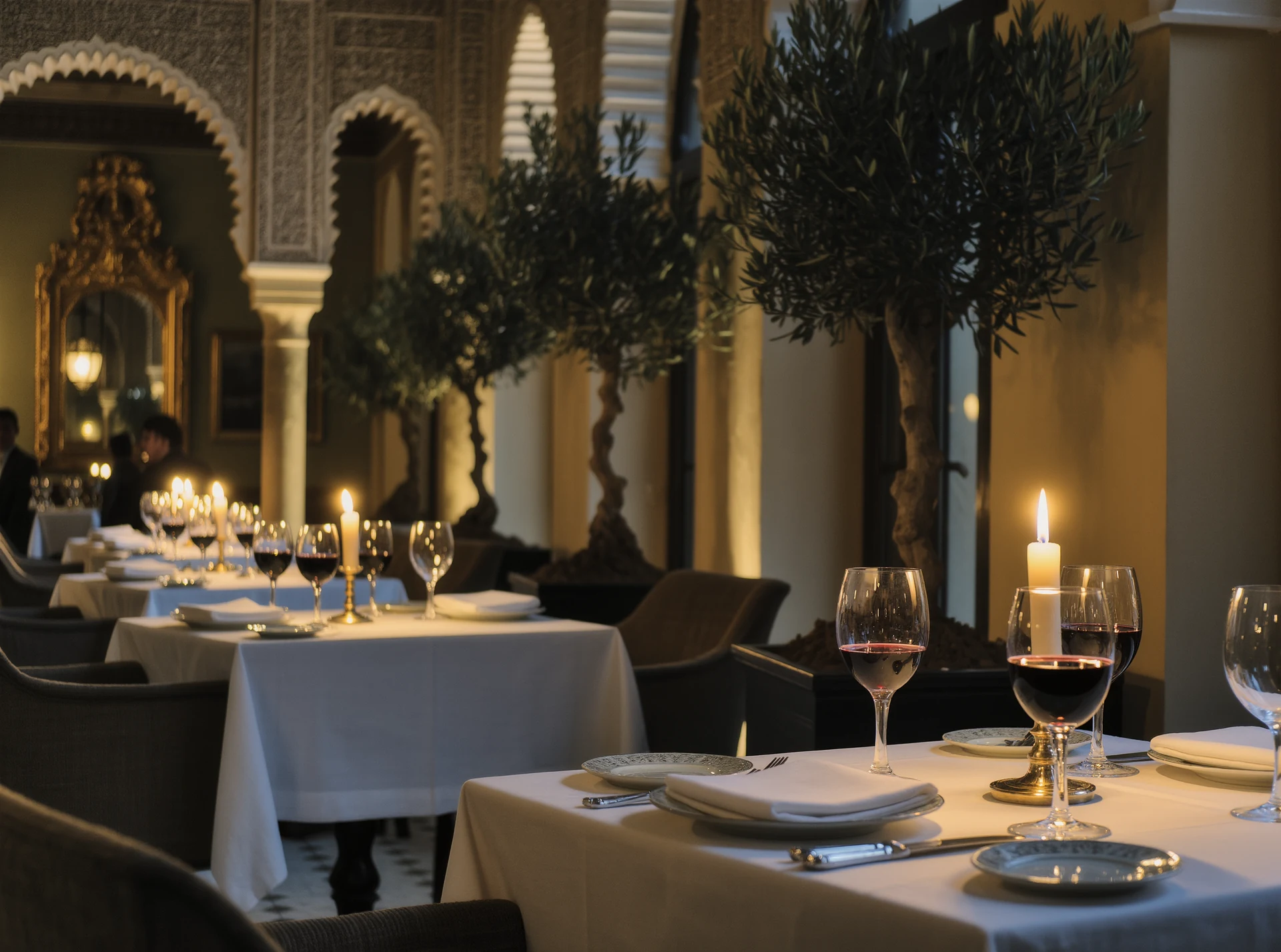
You’re probably here because you’re wondering what “luxury gastronomy” in Spain actually means. Simply put, it’s about experiencing the very best of Spanish food and drink, not just in terms of ingredients and technique, but also the entire dining experience, from the ambiance to the service. It’s an elevated journey through Spain’s rich culinary landscape, often showcasing innovation alongside tradition, and always prioritizing exceptional quality and flavor. Forget stuffy, this is about passion and artistry on a plate.
While tapas are iconic and delicious, luxury gastronomy branches out into a much wider world. Think elaborate tasting menus, meticulously sourced ingredients, and culinary creations that push boundaries. It’s about appreciating the depth and diversity of Spanish cuisine in a refined, yet often surprisingly unpretentious way. Spain’s high-end dining scene is a vibrant blend of innovation and deep respect for its culinary heritage.
The Rise of Spanish Fine Dining
Spain’s culinary revolution really took off in the late 20th and early 21st centuries, spearheaded by pioneers like Ferran Adrià. His groundbreaking work at El Bulli, though now closed, inspired a generation of chefs to experiment, question, and ultimately redefine what fine dining could be. This innovative spirit, combined with an unparalleled abundance of high-quality local produce, has firmly placed Spain on the global gastronomic map. Today, you’ll find a dynamic interplay of traditional techniques and avant-garde approaches, creating truly unique dining experiences.
What Defines Luxury Gastronomy in Spain?
It’s more than just a high price tag. Luxury gastronomy in Spain typically involves:
- Exceptional Ingredients: Think prized Iberian ham, fresh seafood caught daily, rare regional cheeses, and organic vegetables grown with care.
- Artistic Presentation: Dishes are often visual masterpieces, meticulously plated with an eye for color, texture, and form.
- Innovative Techniques: Chefs often use modern culinary science alongside classic methods to create surprising flavors and textures.
- Impeccable Service: Knowledgeable and attentive staff who elevate the dining experience without being intrusive.
- Unique Ambiance: Whether it’s a sleek modern space, a historic building, or a restaurant with breathtaking views, the setting contributes significantly to the overall experience.
- Thoughtful Wine Pairings: Sommeliers play a crucial role, guiding diners through Spain’s diverse wine regions to complement each dish perfectly.
Regional Riches: A Culinary Journey Across Spain
Spain’s geography is as diverse as its food, and its luxury gastronomy reflects this. Each region boasts its own specialties, ingredients, and culinary traditions that master chefs skillfully elevate.
Basque Country: The Culinary Mecca
The Basque Country, particularly San Sebastián, is often considered the epicenter of Spanish fine dining. It boasts an astonishing concentration of Michelin-starred restaurants, fostering a unique culture of culinary excellence and friendly competition.
San Sebastián’s Gastronomic Powerhouse
San Sebastián isn’t just a beautiful coastal city; it’s a food lover’s pilgrimage site. Restaurants like Arzak, Mugaritz, and Akelarre consistently rank among the world’s best. These establishments are known for their boundary-pushing techniques, deep respect for local produce, and unparalleled dining experiences.
The Txokos Tradition
Even within this high-end world, the Basque “txokos” (gastronomic societies) provide a glimpse into the region’s deep-seated love for food. While not luxury restaurants themselves, they highlight the communal and passionate approach to cooking that permeates Basque culture, influencing chefs and creating a discerning local palate.
Catalonia: Modernity Meets Mediterranean Charm
Catalonia, with Barcelona at its heart, offers a sophisticated blend of traditional flavors and avant-garde cuisine. Its Mediterranean influence is evident in the fresh seafood, olive oils, and a rich tradition of robust, flavorful dishes.
Barcelona’s Blending of Worlds
Barcelona’s dining scene is a vibrant tapestry. You can find everything from experimental, multi-course tasting menus at establishments like Disfrutar (run by former El Bulli chefs) to refined contemporary Catalan cuisine that respects its roots. The city is a hub for culinary innovation, attracting talent from across Spain and beyond.
Priorat and Penedès: Wine Country Delights
Beyond the city, Catalonia’s wine regions, particularly Priorat and Penedès, offer their own gastronomic treasures. Many high-end restaurants are nestled among vineyards, offering farm-to-table experiences perfectly paired with exceptional local wines. This often involves exquisite regional dishes, elevated through modern techniques and presentation.
Madrid: The Capital’s Culinary Canvas
As Spain’s capital, Madrid draws talent and influences from all corners of the country and the world. Its luxury gastronomy scene is diverse, dynamic, and ever-evolving, offering a broad spectrum of dining experiences.
From Traditional Taverns to Michelin Stars
Madrid perfectly showcases the juxtaposition of old and new. While rustic, traditional taverns serving classic Spanish fare thrive, the city also boasts numerous Michelin-starred restaurants pushing the boundaries of Spanish cuisine. Chefs often reinterpret classic Madrid dishes or fuse regional Spanish flavors with international influences. Platea, a former theatre converted into a massive gastronomic space, offers a more casual, yet high-quality, experience.
Mercado de San Miguel: An Elevated Market Experience
While not a fine dining restaurant, the Mercado de San Miguel provides a high-end, curated market experience where you can sample exquisite oysters, gourmet tapas, and fine Spanish wines in a bustling yet sophisticated atmosphere. It’s a great taste of luxury gastronomy in a more informal setting.
The Stars of Spain: A Look at Michelin-Starred Dining
The Michelin Guide holds significant weight in the world of luxury gastronomy, and Spain boasts a remarkable number of starred establishments. These restaurants represent the pinnacle of culinary excellence, offering unforgettable dining experiences.
Understanding the Michelin Stars
- One Star: “A very good restaurant in its category.” High-quality cooking, worth a stop.
- Two Stars: “Excellent cooking, worth a detour.” Artfully crafted dishes, often reflecting the chef’s personality.
- Three Stars: “Exceptional cuisine, worth a special journey.” Unique, artistic, and consistently perfect cooking that pushes the boundaries of gastronomy.
Iconic Spanish Michelin-Starred Restaurants (A Glimpse)
While there are many, a few stalwarts and rising stars often capture international attention:
- Arzak (San Sebastián): A legendary 3-star establishment run by father-daughter duo Juan Mari and Elena Arzak. Known for its innovative Basque cuisine, deeply rooted in tradition but always looking forward.
- Mugaritz (Errenteria, Basque Country): Chef Andoni Luis Aduriz’s 2-star restaurant is famous for its avant-garde, thought-provoking, and often experimental approach to food. Dining here is an intellectual and sensory adventure.
- Akelarre (San Sebastián): Pedro Subijana’s 3-star culinary temple offers breathtaking views alongside equally stunning modern Basque cuisine.
- El Celler de Can Roca (Girona, Catalonia): One of the world’s most celebrated restaurants, this 3-star establishment run by the Roca brothers (Joan, Josep, and Jordi) offers a harmonious blend of traditional Catalan ingredients with innovative techniques, each brother specializing in a different aspect of the dining experience (cooking, wine, pastries).
- DiverXO (Madrid): Chef Dabiz Muñoz’s 3-star restaurant is known for its “brutal creativity” and wildly imaginative, rebellious dishes that challenge expectations and deliver a truly unique flavor journey.
- Martín Berasategui (Lasarte-Oria, Basque Country): Another 3-star Basque powerhouse, Chef Berasategui infuses his highly personal style, precision, and passion into every dish, creating elegant and flavourful experiences.
- Disfrutar (Barcelona, Catalonia): From ex-El Bulli chefs, this 3-star restaurant is a masterclass in creativity and technical prowess, serving playful and unforgettable dishes that often defy categorization.
This list is just a small sample; Spain’s Michelin map is dotted with countless other incredible places.
The Essential Elements: What Makes It Special?
Luxury gastronomy in Spain isn’t just about the food; it’s the entire ecosystem that supports and enhances the dining experience. From the produce to the people, every element plays a crucial role.
The Power of Local Ingredients
Spain’s diverse microclimates and rich agricultural traditions provide an unparalleled bounty of high-quality ingredients. Chefs in luxury establishments often have direct relationships with local farmers, fishermen, and artisans, ensuring the freshest and most authentic produce. This commitment to fresh, seasonal, and regional ingredients is a cornerstone of Spanish high-end cuisine.
Iberian Pork (Pata Negra)
The famed jamón Ibérico de bellota (acorn-fed Iberian ham) is a prime example. This exquisite product, with its nutty flavor and melt-in-your-mouth texture, isn’t just a snack; it’s a luxury ingredient often incorporated into sophisticated dishes or enjoyed as a refined starter on its own.
Seafood from the Coasts
With thousands of miles of coastline, Spain boasts an incredible array of fresh seafood. From the famed percebes (gooseneck barnacles) of Galicia to the delicate red prawns of Denia, chefs meticulously source the finest catches, often highlighting them with minimal intervention to let their natural flavors shine.
The Art of Pairing: Wine, Sherry, and Olive Oil
A significant part of the luxury gastronomic experience involves pairing dishes with Spain’s exceptional beverages and oils.
Spanish Wines: Diversity and Quality
Spain is one of the world’s largest wine producers, offering an incredible range of styles from the robust reds of Rioja and Ribera del Duero to the crisp whites of Rías Baixas (Albariño) and the sparkling Cava from Catalonia. Sommeliers in luxury restaurants are experts at navigating this vast landscape, recommending perfect pairings that elevate both the food and the wine.
The Magic of Sherry
Often misunderstood, Sherry is a sophisticated and incredibly versatile fortified wine. From dry Fino and Manzanilla to complex Amontillado and sweet Pedro Ximénez, Sherry can pair beautifully with a huge array of dishes, from seafood to rich meats and desserts. Many luxury restaurants offer extensive Sherry lists and dedicated pairing menus, showcasing its gastronomic potential.
Olive Oil Gold
Spain is the world’s leading producer of olive oil, and premium extra virgin olive oil is treated with the same reverence as fine wine. In luxury gastronomy, you’ll often find a selection of high-quality, single-varietal olive oils for tasting, used not just for cooking but also as a finishing touch to dishes, adding aroma, flavor, and texture.
Planning Your Luxury Culinary Adventure
Embarking on a luxury gastronomy trip in Spain requires a bit of planning, but the rewards are immeasurable.
Booking in Advance is Key
For Michelin-starred restaurants, particularly those with two or three stars, reservations are often essential and can require booking several months, sometimes even a year, in advance. Websites like TheFork (El Tenedor) or the restaurant’s direct site are usually the best places to secure your spot.
Budgeting for the Experience
Luxury dining in Spain is an investment. Tasting menus can range from €150 to €350+ per person, not including wine pairings (which can add another €80-€200+). While it’s certainly a splurge, most diners find the experience to be truly unique and unforgettable, offering exceptional value for the artistry and quality received.
Dress Code Considerations
While Spanish fine dining is generally less stuffy than some other countries, “smart casual” is usually the safest bet. For 2 or 3-star establishments, men might opt for a jacket (though often not strictly required), and women for elegant attire. It’s always a good idea to check the specific restaurant’s website if you’re unsure.
Embracing the Experience
Go with an open mind and a spirit of adventure. Luxury gastronomy is about more than just eating; it’s a sensory journey, a form of artistic expression. Engage with the sommelier, ask questions about the dishes, and allow yourself to be immersed in the unparalleled passion and creativity of Spain’s culinary masters. It’s an opportunity to create lasting memories through extraordinary food.
FAQs
What is luxury gastronomy in Spain?
Luxury gastronomy in Spain refers to the high-end dining experiences and culinary offerings that showcase the country’s rich and diverse food culture. It often involves exclusive and premium ingredients, innovative cooking techniques, and exceptional service.What are some examples of luxury gastronomy in Spain?
Examples of luxury gastronomy in Spain include dining at Michelin-starred restaurants such as El Celler de Can Roca in Girona, enjoying private gourmet cooking classes with renowned chefs, and indulging in bespoke culinary experiences tailored to individual preferences.What makes luxury gastronomy in Spain unique?
Luxury gastronomy in Spain is unique due to its emphasis on traditional culinary techniques, use of high-quality local ingredients, and the country’s rich culinary heritage. It also often incorporates modern and innovative approaches to cooking and presentation.How can one experience luxury gastronomy in Spain?
One can experience luxury gastronomy in Spain by dining at upscale restaurants, participating in exclusive food and wine tours, attending private cooking demonstrations, and staying at luxury accommodations that offer gourmet dining experiences.What regions in Spain are known for luxury gastronomy?
Regions in Spain known for luxury gastronomy include Catalonia, the Basque Country, Andalusia, and the Balearic Islands. These areas are home to a high concentration of Michelin-starred restaurants, world-renowned chefs, and unique culinary traditions.What does luxury gastronomy in Spain actually mean?
Which regions are best known for luxury gastronomy?
How should I plan a luxury dining experience?
More from Fine Dining
Costa del Sol Gastronomy Guide
Costa del Sol gastronomy guide: discover Málaga’s Michelin stars, espeto chiringuitos, tapas crawls, food markets, and sweet Málaga wines across…
Top Seafood Restaurants on the Costa del Sol
If you’re wondering where to find incredible seafood on the Costa del Sol, you’re in luck. This stretch of coastline is renowned for its f…
Top Puerto Banus Restaurants: A Culinary Guide
So, you’re heading to Puerto Banús and wondering where to eat? It’s a fair question, given the sheer number of places vying for your atten…