Discover Peace: Mindfulness Retreats in Costa del Sol
Finding a little calm in the everyday rush can feel like a tall order. If you’ve been considering giving yourself a proper break, a mindfulness retreat in Costa del Sol might…
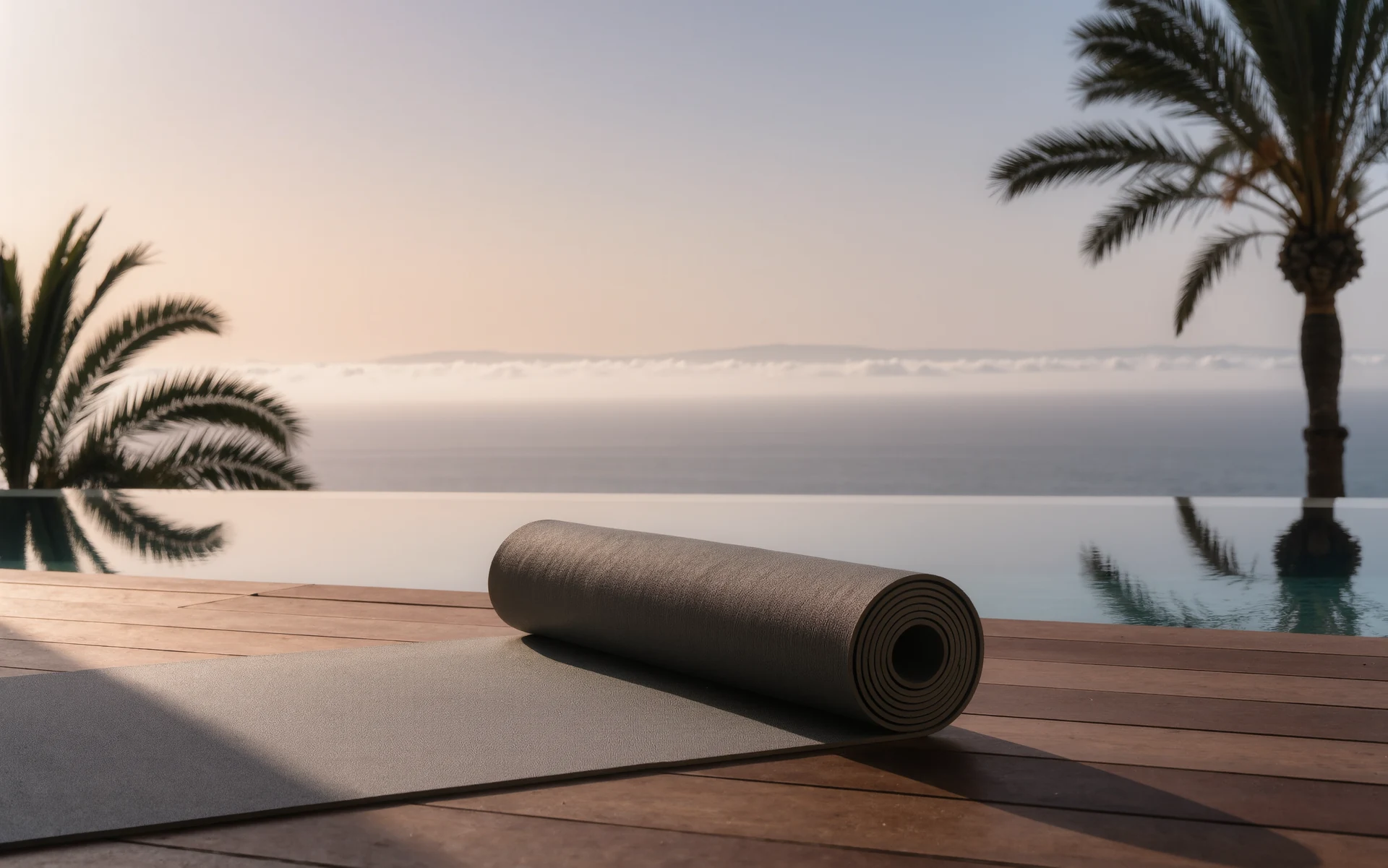
Finding a little calm in the everyday rush can feel like a tall order. If you’ve been considering giving yourself a proper break, a mindfulness retreat in Costa del Sol might just be what you’re looking for. It offers a chance to step away, breathe, and learn practical tools for a more mindful life, all while surrounded by beautiful scenery and a pleasant climate. It’s not about escaping reality, but about returning to it with a clearer head.
Costa del Sol, with its stunning coastline, year-round sunshine, and a surprising amount of tranquil, mountainous hinterland, provides an ideal backdrop for deep relaxation and self-discovery. Beyond the bustling tourist spots, you’ll find serene locations perfectly suited for a mindfulness retreat. The combination of beautiful nature, pleasant weather, and a generally relaxed Spanish pace of life creates an environment conducive to personal growth and inner peace.
The Appeal of the Andalusian Landscape
Imagine waking up to the sound of birds, practicing yoga as the sun rises over the Mediterranean Sea, or meditating in a lush garden while a gentle breeze rustles through olive trees. The diverse landscape of Costa del Sol offers everything from long sandy beaches and dramatic cliffs to rolling hills and picturesque white villages (pueblos blancos). This variety allows retreats to choose settings that best align with their philosophy, whether it’s a beachfront sanctuary or a secluded mountain hideaway.
Year-Round Pleasant Climate
One of Costa del Sol’s biggest draws is its climate. With over 320 days of sunshine a year, you’re almost guaranteed good weather. This means outdoor activities like meditation in nature, mindful walks, and yoga can be enjoyed throughout the year. The mild winters make it an attractive option even when other parts of Europe are chilly, offering a much-needed dose of vitamin D and warmth.
Accessibility and Convenience
Malaga Airport (AGP) serves as a major international hub, making Costa del Sol easily accessible from most parts of Europe and beyond. This convenience means less stress traveling to and from your retreat, allowing you to settle into a state of relaxation sooner. Many retreat centers also offer transfer services or are well-connected by local transport.
What to Expect at a Mindfulness Retreat
Mindfulness retreats are designed to help you disconnect from daily distractions and reconnect with yourself. While specific schedules and activities can vary, you can generally expect a structured program focused on various mindfulness practices, designed to be both restorative and educational. It’s about learning practical techniques you can integrate into your everyday life long after you’ve left the retreat.
Daily Schedules and Activities
A typical day at a mindfulness retreat might start early with a silent meditation session, followed by a light, healthy breakfast. The day could then include guided mindfulness exercises, yoga, workshops on stress reduction, mindful eating sessions, and periods of free time for reflection or simply being in nature. Evenings often involve gentle practices like restorative yoga or guided relaxation. The emphasis is on building a routine that supports presence and awareness.
Meditation Practices
This is often the core of a mindfulness retreat. You’ll likely experience various forms of meditation, including sitting meditation (focusing on breath, body sensations, or sounds), walking meditation, and body scan meditations. These sessions are usually guided by experienced teachers who provide instructions and support. The goal isn’t to stop thinking, but to observe thoughts without judgment.
Yoga and Movement
Most mindfulness retreats incorporate gentle yoga or other forms of mindful movement. These practices help to connect the mind and body, release tension, and improve flexibility. It’s often Hatha or Vinyasa flow, adapted for all levels, and the focus is on conscious breathing and moving with intention, rather than achieving difficult poses.
Workshops and Teachings
Beyond the practical sessions, there are usually workshops or talks that delve into the theoretical aspects of mindfulness. These might cover topics like the neuroscience of stress, cultivating self-compassion, transforming difficult emotions, or integrating mindfulness into daily life. These educational components help you understand the ‘why’ behind the practices.
The Role of Silence
Many mindfulness retreats incorporate periods of silence, ranging from a few hours a day to entire days. This might sound intimidating, but it’s incredibly powerful. When you’re not engaging in conversation, your mind has fewer external distractions to process, allowing you to go deeper into your own experience and observe your thoughts and feelings more clearly. It’s not about being anti-social, but about cultivating inner quiet.
Choosing the Right Retreat for You
With a growing number of retreats available, finding the one that best suits your needs can feel a bit overwhelming. Consider what you’re hoping to achieve, your budget, and what kind of environment you’d thrive in. It’s not a one-size-fits-all experience.
Determine Your Goals
Are you looking to reduce stress, manage anxiety, improve focus, or simply disconnect and recharge? Some retreats might focus heavily on meditation, while others incorporate more yoga, nature activities, or specific therapeutic approaches. Knowing your intention will help you narrow down your options.
Retreat Style and Philosophy
Some retreats are more secular, rooted in scientific approaches to mindfulness, while others may incorporate elements of Buddhist traditions or other spiritual paths. Some are very structured, with little free time, and others offer a more flexible schedule. Review their websites and read testimonials to get a feel for their approach.
Silent vs. Interactive Retreats
Decide if you’re ready for a fully silent retreat, where interaction is minimal, or if you’d prefer a retreat that allows for some conversation and group sharing. Both have their benefits; silent retreats can foster profound introspection, while more interactive ones might feel more supportive for some.
Group Size and Inclusivity
Consider whether you prefer a small, intimate group or a larger community setting. Also, check if the retreat caters to specific demographics (e.g. women-only, beginners) or if it’s open to all levels of experience.
Location and Accommodation
Even within Costa del Sol, locations can vary significantly. Do you prefer a beachfront setting, a countryside finca, or a mountain retreat with panoramic views? Look at the accommodation options, are they shared rooms, private rooms, or luxury villas? The physical environment plays a significant role in your overall experience.
Amenities and Facilities
Check what facilities are available: a swimming pool, yoga studio, communal lounge, private meditation spaces, or gardens. Also, consider the food, most retreats offer healthy, vegetarian, or vegan meals, but if you have specific dietary needs, make sure they can be accommodated.
Instructor Credentials
Look into the experience and qualifications of the teachers and facilitators. Are they certified mindfulness instructors, experienced yoga teachers, or therapists? A reputable retreat will openly share information about their team.
Practicalities: Before, During, and After Your Retreat
To make the most of your mindfulness retreat, a little preparation goes a long way. Thinking about what to pack, how to mentally prepare, and how to integrate what you’ve learned back into your daily life is all part of the journey.
Preparing Before You Go
Before you even pack your bags, it’s helpful to start “unplugging” gradually. Try to reduce screen time in the days leading up to your retreat. Inform friends and family that you’ll be largely offline. Set intentions for what you hope to gain from the experience.
What to Pack
Comfort is key. Pack loose, comfortable clothing suitable for yoga and meditation, layers for varying temperatures, and suitable footwear for walking. A journal and pen are often useful for reflection. Check if the retreat provides yoga mats or if you need to bring your own. Don’t forget essentials like sun cream, insect repellent, and any personal medications.
Digital Detox
Most retreats encourage or require a digital detox. Be prepared to switch off your phone, laptop, and other devices. Embrace this opportunity to disconnect from external noise and reconnect with yourself. It might feel strange at first, but it’s incredibly freeing.
Making the Most of Your Time
Once you’re there, try to engage fully with the program. Be open to new experiences, even if they feel unfamiliar or challenging. This is your time for introspection and growth.
Be Present and Patient
Mindfulness is a practice, not a destination. Don’t expect instant enlightenment. Be patient with yourself, especially if your mind feels busy. The goal is to observe, not to judge or control.
Listen to Your Body
Retreats can be both mentally and physically demanding. Listen to your body and rest when you need to. Don’t feel pressured to participate in every single activity if you’re feeling tired.
Integrating Mindfulness into Daily Life
The true test of a retreat’s effectiveness comes after you leave. The goal isn’t just a temporary escape, but to equip you with tools for long-term well-being.
Start Small and Be Consistent
Don’t try to overhaul your entire life at once. Start with small, manageable practices, a 5-minute morning meditation, mindful eating, or a conscious breathing exercise when you feel stressed. Consistency is more important than duration.
Create a Supportive Environment
Identify what helps you stay mindful: perhaps a quiet corner at home, spending time in nature, or connecting with like-minded individuals. Reduce distractions where possible and create an environment that supports your practice.
Connect with the Retreat Community
Many retreats offer post-retreat support or have online communities where you can connect with fellow participants. Sharing experiences and challenges can be a great source of motivation and encouragement.
Popular Mindfulness Retreat Locations in Costa del Sol
While I won’t name specific retreat centres (as they can change and this avoids sounding like advertising), here are types of locations within Costa del Sol that are popular for mindfulness retreats. This gives you an idea of the diverse settings available.
Secluded Mountain Retreats
Away from the coast’s hustle and bustle, the mountainous regions of Costa del Sol offer breathtaking views, fresh air, and profound tranquility. Areas around the Sierra de las Nieves Natural Park or further inland towards Ronda often host such retreats. These locations are perfect for those seeking deep silence and a strong connection with nature, emphasizing hiking and outdoor meditation.
Coastal Escapes with Sea Views
For those who find peace in the sight and sound of the ocean, there are numerous retreats nestled along the coastline. These might be in quieter towns east or west of Malaga, offering direct access to beaches and the soothing rhythm of the waves. Imagine practicing sun salutations as the sun rises over the Mediterranean or winding down with the sound of the ocean as your lullaby.
White Village (Pueblo Blanco) Sanctuaries
The charming white villages dotted throughout the Andalusian hillsides, like Mijas, Frigiliana, or Ojen, offer a unique, culturally rich setting. Retreats here often blend traditional Spanish architecture with modern wellness facilities, providing a sense of both serenity and authentic local charm. These locations offer a chance to explore quaint streets and enjoy the slower pace of village life.
Rural Fincas and Countryside Villas
Scattered across the rolling hills and agricultural landscapes, traditional Spanish fincas (country estates) and renovated villas provide spacious and private settings for retreats. These often come with extensive gardens, olive groves, and swimming pools, offering a sense of seclusion and luxury. They are ideal for those looking for a comfortable and tranquil experience surrounded by Andalusian nature.
Choosing a mindfulness retreat in Costa del Sol is an investment in your well-being. It’s an opportunity to pause, reflect, and gather the mental tools needed to navigate the complexities of modern life with more ease and clarity. Whether you’re a complete beginner or looking to deepen your existing practice, Costa del Sol offers a variety of settings and approaches to help you discover a greater sense of peace within yourself.
FAQs
What are mindfulness retreats?
Mindfulness retreats are programs or events that offer participants the opportunity to immerse themselves in mindfulness practices such as meditation, yoga, and self-reflection. These retreats are designed to help individuals cultivate a greater sense of awareness, presence, and inner peace.What can I expect from a mindfulness retreat in Costa del Sol?
A mindfulness retreat in Costa del Sol typically includes guided meditation sessions, yoga classes, workshops on mindfulness practices, and opportunities for self-reflection and relaxation. Participants can also expect to enjoy the natural beauty and tranquility of the Costa del Sol region.What are the benefits of attending a mindfulness retreat?
Attending a mindfulness retreat can offer a range of benefits, including stress reduction, improved mental clarity, enhanced emotional well-being, and a greater sense of inner peace. Participants often report feeling more relaxed, rejuvenated, and better equipped to cope with the challenges of daily life after attending a mindfulness retreat.Are mindfulness retreats suitable for beginners?
Yes, mindfulness retreats in Costa del Sol are suitable for beginners. These retreats are designed to accommodate individuals of all experience levels, including those who are new to mindfulness practices. Participants are typically provided with guidance and support to help them feel comfortable and at ease during the retreat.How can I find and book a mindfulness retreat in Costa del Sol?
To find and book a mindfulness retreat in Costa del Sol, you can search online for retreat centers or organizations that offer such programs in the region. Many retreats have websites where you can find information about upcoming retreats, accommodations, and booking details. It’s recommended to research and compare different retreat options to find the one that best suits your preferences and needs.More from Wellness Retreats
Costa del Sol Wellness Guide
Costa del Sol wellness guide: top spas, yoga retreats, Buchinger fasting, aesthetic clinics, thermal springs, and outdoor activities for a healthier e…
Escape to Wellness: Private Retreats in Spain
Feeling the need to hit the reset button? Maybe you’re dreaming of sunshine, peace, and a break from the everyday hustle. Spain, with its incred…
Beach Yoga: Finding Peace on the Costa del Sol
You’re wondering if beach yoga on the Costa del Sol is really a thing, and if it’s worth trying. The short answer is a resounding yes! It&…