Discover the Ultimate Costa del Sol Sailing Guide
So, you’re looking to hit the waters of the Costa del Sol? Smart move! In a nutshell, sailing here offers a fantastic blend of reliable sunshine, varied coastal scenery, and …
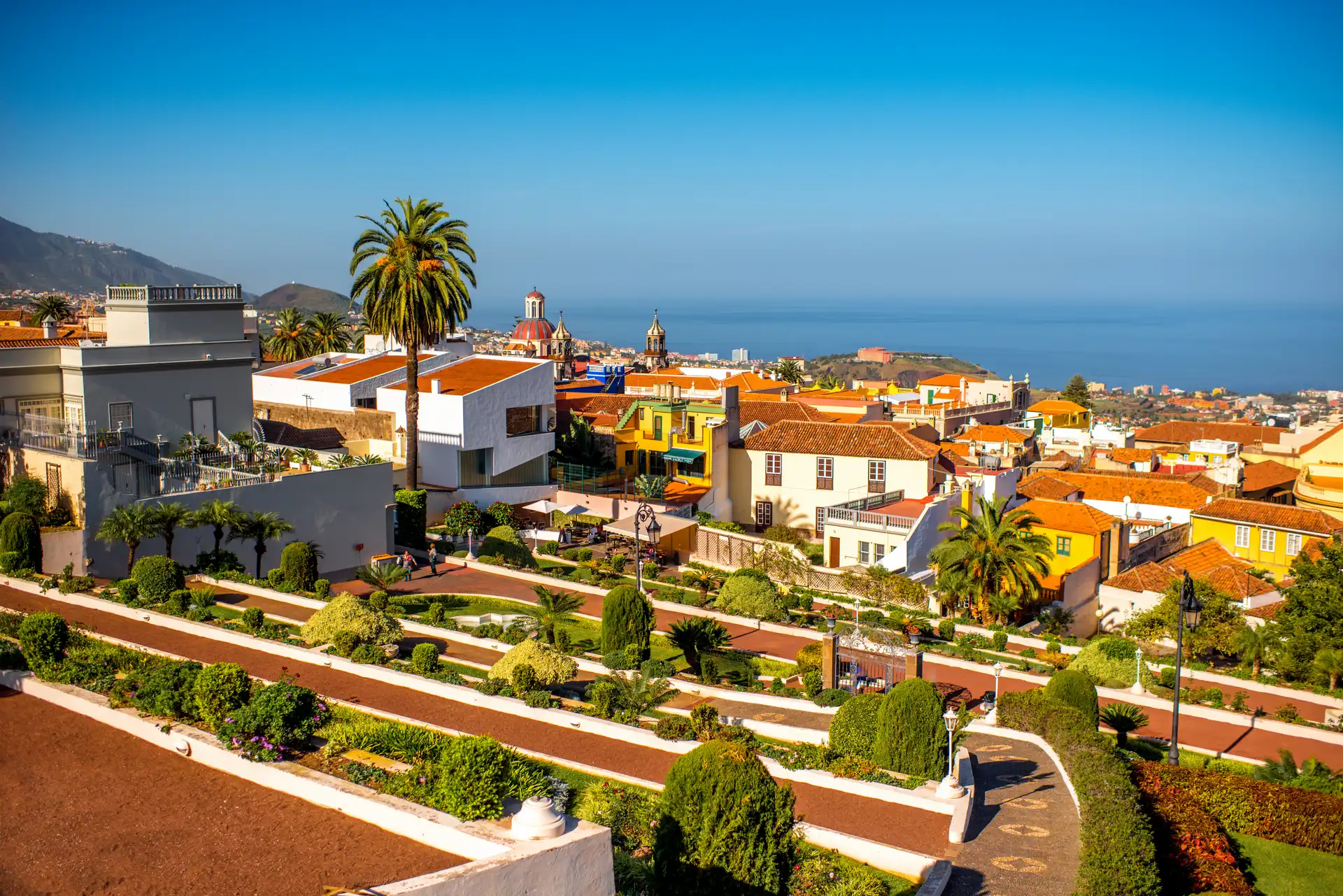
So, you’re looking to hit the waters of the Costa del Sol? Smart move! In a nutshell, sailing here offers a fantastic blend of reliable sunshine, varied coastal scenery, and modern marina facilities. Whether you’re a seasoned salt or just dipping your toes into the sailing world, you’ll find something to love. It’s more than just a destination; it’s a lifestyle waiting to be explored by sea.
Beyond the obvious appeal of endless sunshine, the Costa del Sol, Spain’s ‘Coast of the Sun’, truly shines for sailors. It’s a region where the Mediterranean breezes are generally forgiving, the infrastructure is top-notch, and the culture is as vibrant on land as the waters are inviting.
Weather You Can Count On
One of the biggest draws is the weather. We’re talking 300+ days of sun a year, folks. That translates to a long sailing season, easily stretching from March right through to November, and often even beyond. While summer months (July-August) can bring lighter breezes and hotter temperatures, the shoulder seasons offer ideal conditions with comfortable warmth and more consistent winds.
Modern Marinas and Moorings
You won’t be roughing it here. The Costa del Sol is dotted with world-class marinas, from bustling urban hubs to more tranquil havens. These aren’t just places to park your boat; they’re often lively centers with restaurants, shops, and all the amenities you’d expect.
Planning Your Voyage: Getting Started
Before you hoist the sails, a little planning goes a long way. This isn’t just about where you’ll go, but how you’ll get there and what you’ll need.
Chartering a Yacht: Your Options
Unless you’re planning to sail your own vessel over, chartering is your most likely route. There are a few ways to go about it:
Bareboat Charter
This is for the experienced sailor. You get the boat, and you’re responsible for everything, navigation, provisioning, fuel, and all the decision-making. Requirements typically include proof of sailing certification (like an RYA Day Skipper or equivalent) and often a VHF radio license. Don’t forget your sailing CV detailing your experience.
Skippered Charter
If you’re less experienced, or just want to relax and let someone else handle the heavy lifting, a skippered charter is ideal. A professional skipper comes with the boat, navigates, and often acts as a local guide. You can still participate as much or as little as you like. It’s a great way to learn the ropes without the full responsibility.
Flotilla Sailing
This can be a fantastic social option, especially for families or groups who enjoy company. You sail with a small fleet of other boats, often with a lead crew providing support, guidance, and organizing social events. You maintain your independence but have backup if you need it.
Essential Paperwork and Regulations
Don’t skip this part! Spain has clear rules for maritime activities.
Licenses and Certifications
For bareboat charters, expect to show internationally recognized sailing qualifications. For those bringing their own boat, ensure all your vessel’s documentation is in order, registration, insurance, and CE certification (if applicable).
Safety Equipment
Every vessel must carry specific safety equipment, including life jackets for all on board, flares, a first-aid kit, a VHF radio, and often an EPIRB or PLB for offshore passages. Charter companies will ensure their boats are compliant, but it’s always good for you to be aware.
Navigating the Waters: Key Information
Understanding the local conditions is crucial for a smooth and enjoyable trip.
Wind and Currents
The prevailing winds are often from the east (Levante) and west (Poniente). The Levante can be strong, especially around the Strait of Gibraltar, delivering challenging conditions. The Poniente is generally gentler. Be aware of thermal breezes that can pick up in the afternoons, particularly closer to shore. Tides are relatively small in the Mediterranean, but currents, especially near the Strait, can be significant.
Navigational Hazards
While generally well-charted, keep an eye out for fishing nets, particularly at dawn and dusk. Also, be mindful of commercial vessel traffic, especially around major ports like Malaga and Algeciras. Rocky outcrops and shallow areas are marked, but always consult your charts.
Respecting Marine Life
The Costa del Sol is home to diverse marine life, including dolphins and occasionally whales. Maintain a respectful distance, avoid disturbing them, and never feed wild animals. Some areas might have specific regulations regarding marine protection, so check local advisories.
Discovering the Coastline: Where to Sail
The Costa del Sol isn’t just about beaches; its coastline offers a spectrum of experiences for sailors.
Western Costa del Sol: Marinas and Glamour
This stretch, from Gibraltar to Marbella, is known for its upscale marinas and vibrant nightlife.
Sotogrande
Often called the “millionaires’ playground,” Sotogrande boasts an impressive marina with excellent facilities. It’s a great starting point or stopover, offering high-end dining and a sophisticated atmosphere. The anchorage outside the marina can be beautiful on a calm day.
Estepona
A charming, more traditional Andalusian town with a well-equipped marina. Estepona provides a good balance between modern amenities and authentic Spanish culture. The old town is a delight to explore on foot.
Puerto Banús (Marbella)
Famous for its luxury yachts, designer boutiques, and celebrity spotting. While perhaps not every sailor’s cup of tea, it’s an experience in itself. The marina can be busy and more expensive, but it’s a social hub.
Central Costa del Sol: Bustling and Accessible
Malaga and its surrounds offer a mix of urban energy and accessible anchorages.
Benalmádena
Winner of numerous “Best Marina” awards, Puerto Marina in Benalmádena is architecturally unique and offers a lively atmosphere with plenty of restaurants and shops. It’s close to theme parks and attractions, making it popular with families.
Fuengirola
A busy resort town with a decent marina. While the town itself is very developed, the marina provides a practical stopover with good services and a long sandy beach nearby.
Malaga City
While not primarily a sailing destination in the same way as smaller marinas, Malaga’s port has facilities for visiting yachts and offers direct access to a fantastic city. It’s a cultural hub with excellent museums, historical sites, and fantastic tapas.
Eastern Costa del Sol: Natural Beauty and Tranquility
East of Malaga, the landscape becomes greener, more rugged, and less developed.
Nerja
While it doesn’t have a full-service marina, you can anchor in bays near Maro or La Herradura (just beyond the Costa del Sol proper, into the Costa Tropical). The cliffs and coves around Nerja and Maro are stunning, offering excellent snorkeling and a more natural feel. The Balcón de Europa in Nerja itself provides breathtaking views.
Caleta de Vélez
A working fishing port that has evolved to include a modern marina. It offers a more authentic Spanish experience away from the main tourist hustle, with excellent fresh seafood restaurants. It’s a great base for exploring the Axarquía region.
Safety First: Essential Considerations
Even in generally calm waters, safety should always be your top priority.
Pre-Departure Checks
Before leaving port, always perform a thorough check of your vessel. This includes engine oil and coolant levels, fuel, water tanks, battery charge, bilge pumps, and all safety equipment. Check weather forecasts frequently, conditions can change.
Communication
Ensure your VHF radio is working and know how to use it. Have a mobile phone with local emergency numbers saved. Consider a satellite phone or tracker for longer passages. Let someone on shore know your float plan.
Emergency Procedures
Every crew member should know what to do in case of an emergency: man overboard, fire, taking on water, or a medical issue. A basic understanding of navigation and how to use the emergency tiller is also important.
Local Customs and Etiquette
While generally relaxed, respecting local customs is appreciated. When anchoring, be mindful of other vessels and the marine environment. In marinas, follow the rules of the port authority.
Beyond the Boat: Shore Excursions and Culture
Sailing the Costa del Sol isn’t just about the ocean; it’s about soaking in the vibrant Andalusian culture.
Gastronomy Afloat and Ashore
Fresh seafood is a given, especially espetos (sardines grilled on skewers) in beachside chiringuitos. But venture inland slightly or into the old towns, and you’ll discover fantastic tapas, regional wines, and olive oils. Stock up on local produce at markets for incredible meals on board.
Charming Inland Towns
Don’t spend all your time on the coast. Take a break from sailing to explore white-washed villages like Mijas Pueblo perched in the hills, or the historic city of Ronda with its dramatic bridge. Many are a short taxi or bus ride from the marinas.
Festivals and Events
Andalusia is famed for its ferias and festivals. If you time your trip right, you might happen upon a local celebration, offering a chance to experience traditional music, dance, and food.
Making the Most of Your Sailing Adventure
To truly embrace the Costa del Sol by sea, here are a few final thoughts.
Flexibility is Key
While planning is essential, be prepared to adapt. Weather can change, an unplanned stop might turn into your favorite, or a mechanical issue could alter your itinerary. Embrace the unexpected!
Learn Some Spanish
Even a few basic phrases will go a long way. It enhances your experience with locals and helps navigate logistical situations.
Capture the Moments
You’ll be making unforgettable memories. Bring a waterproof camera, and enjoy the stunning sunrises and sunsets from your unique vantage point at sea.
Sailing the Costa del Sol is more than just a trip; it’s an immersive experience that blends adventure with relaxation, natural beauty with vibrant culture. With a bit of preparation and an open mind, you’re set for an incredible journey on the shimmering Mediterranean. Enjoy the journey!
FAQs
What is the Costa del Sol?
The Costa del Sol is a region in the southern part of Spain, known for its beautiful coastline, sunny weather, and popular tourist destinations.What are the popular sailing destinations in Costa del Sol?
Some popular sailing destinations in Costa del Sol include Marbella, Puerto Banus, Estepona, and Fuengirola. These areas offer beautiful beaches, clear waters, and a variety of marinas and ports for sailing enthusiasts.What are the best times for sailing in Costa del Sol?
The best times for sailing in Costa del Sol are during the spring and summer months, from April to September, when the weather is warm and the sea conditions are generally calm.What are the must-see attractions for sailors in Costa del Sol?
Must-see attractions for sailors in Costa del Sol include the stunning coastline, picturesque fishing villages, and the opportunity to spot dolphins and other marine life in the Mediterranean Sea.What are the sailing regulations and requirements in Costa del Sol?
Sailing regulations and requirements in Costa del Sol include having the necessary licenses and permits for sailing, following local maritime laws, and being aware of any restricted areas or protected marine reserves along the coast. It is also important to be mindful of weather conditions and to prioritize safety while sailing in the region.More from Yacht Life
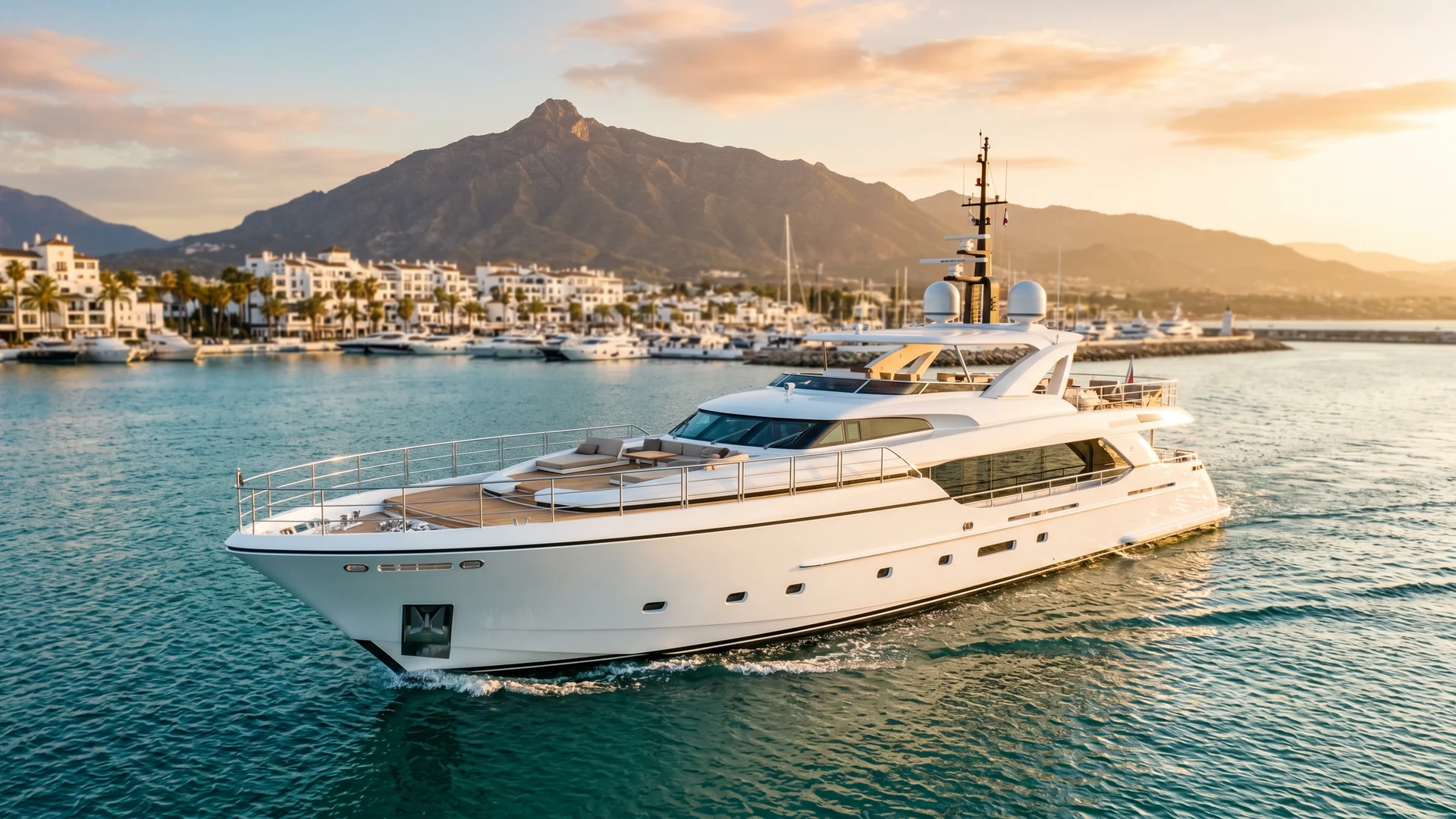
Costa del Sol Yachting Guide
Costa del Sol yachting guide: explore marinas from Puerto Banus to Sotogrande, sailing routes to Morocco, fishing, charters, and the Mediterranean mar…
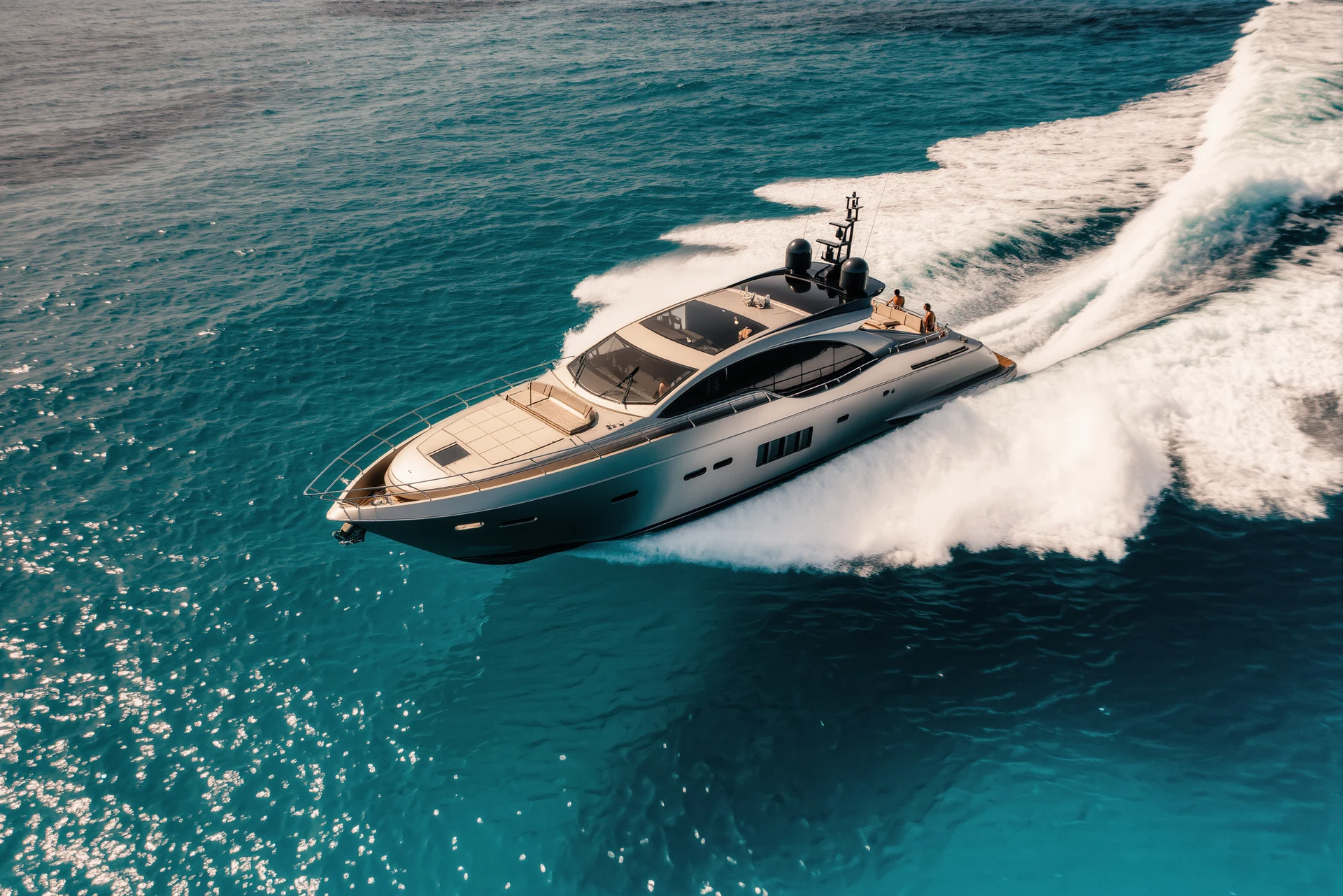
Luxury Yacht Rentals in Puerto Banus
So, you’re thinking about a luxury yacht rental in Puerto Banús? Good choice! It’s a fantastic way to experience the Costa del Sol from a whole …
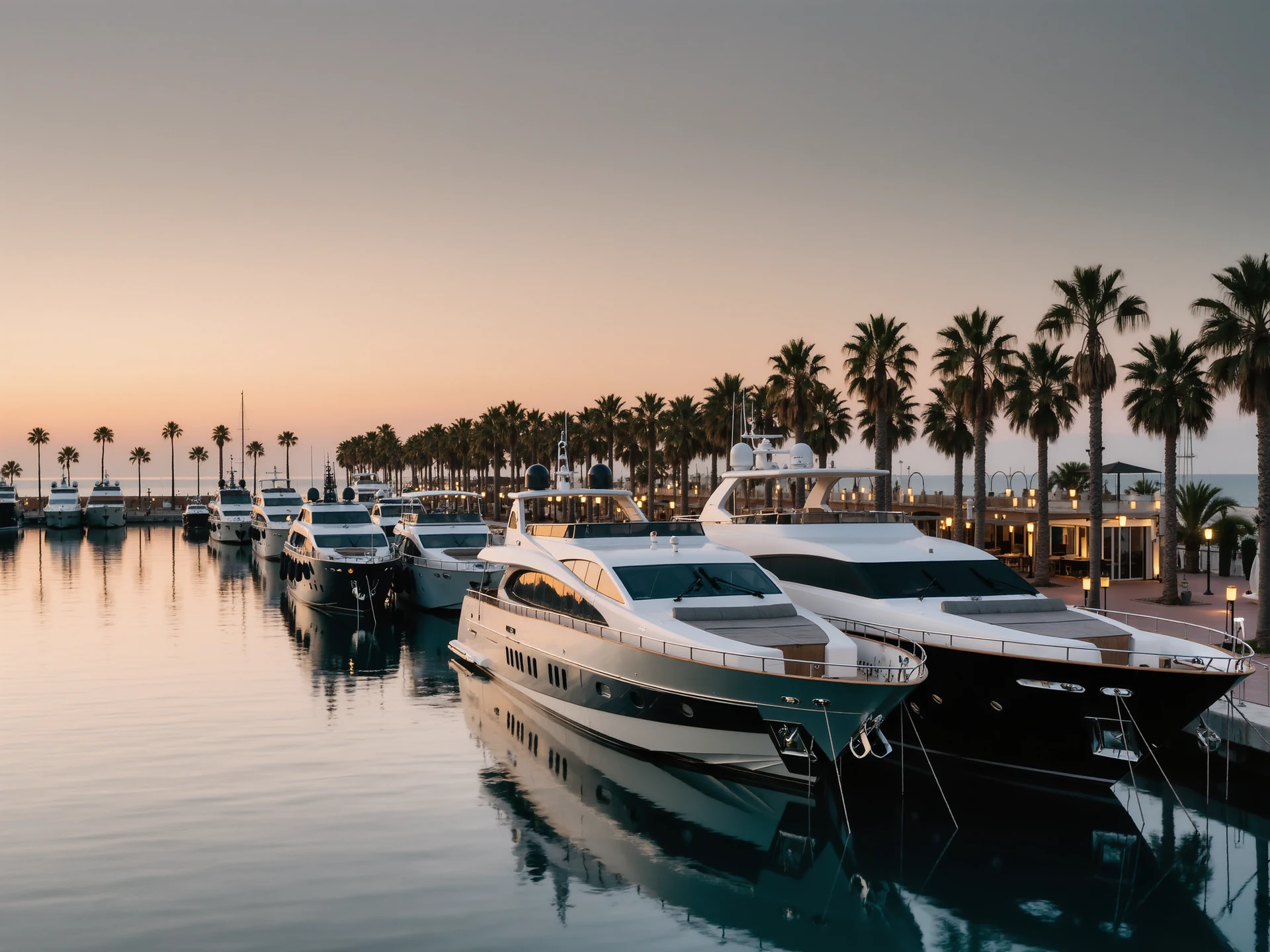
Experience Luxury at Costa del Sol Marina
So, you’re curious about what “luxury” really means at Costa del Sol Marina? Let’s break it down. It’s not just about sh…