Discovering Marbella Old Town: A Complete Guide
Marbella’s Old Town, or Casco Antiguo, is a delightful contrast to the glitz and glamour often associated with the city. It’s where you’ll find the true heart of Marbella, a labyri…

Marbella’s Old Town, or Casco Antiguo, is a delightful contrast to the glitz and glamour often associated with the city. It’s where you’ll find the true heart of Marbella, a labyrinth of narrow, whitewashed streets, adorned with vibrant flowers, and bustling with local life. Forget the beachfront clubs and designer boutiques for a moment, and step into an authentic Andalusian experience. This guide will walk you through what to see, where to eat, and how to make the most of your time in this charming historical core.
Marbella Old Town is surprisingly compact, which makes it perfect for exploring on foot. You won’t need a map for long; the joy is in getting a little lost and simply soaking in the atmosphere. Expect cobbled streets, uneven surfaces, and plenty of stairs, so comfortable shoes are a must. Most of the area is pedestrianized, and while it can get busy, especially in the evenings, it rarely feels overwhelmingly crowded.
Arriving and Parking
If you’re driving, parking can be a bit tricky. The best bet is often the underground car parks just outside the Old Town, such as Parking Avenida del Mar or Parking Plaza de la Victoria. From there, it’s a short, pleasant walk into the heart of the historic center. Public transport, like local buses, also drops you off within easy walking distance.
Best Time to Visit
Mornings are generally quieter and cooler, ideal for photography and a more serene stroll. Evenings, from around 7 pm onwards, see the Old Town truly come alive with diners, street performers, and a palpable buzz. If you’re looking to experience both, aim for a late afternoon visit that transitions into the evening.
The Heart of the Old Town: Plaza de los Naranjos
Undoubtedly the most iconic spot in the Old Town, the Plaza de los Naranjos (Orange Square) is a must-see. It lives up to its name with a profusion of fragrant orange trees providing shade and a beautiful backdrop. This square has been the administrative and social hub of Marbella since the 15th century.
Historical Significance
The square was built shortly after the Christian reconquest of Marbella in 1485. It’s an interesting example of Castilian town planning, a stark contrast to the more organic, meandering layout of the surrounding Moorish-influenced streets. Look around and you’ll see a collection of significant historical buildings.
Key Buildings Around the Plaza
- Marbella Town Hall (Ayuntamiento): This impressive building, dating back to 1568, dominates one side of the square. Its façade features interesting architectural details and ancient inscriptions. It’s still a working town hall today.
- Casa del Corregidor: Built in 1552, this house showcases a blend of Gothic, Mudejar, and Renaissance styles. Its balcony is particularly beautiful, with intricate detailing.
- Ermita de Santiago (Chapel of Santiago): Tucked away in a corner of the square, this is Marbella’s oldest church, dating back to the 15th century. It’s a modest, charming chapel, often open for a quick peek inside.
Dining and People Watching
Plaza de los Naranjos is lined with numerous restaurants and cafes with outdoor seating. While some might consider them a bit touristy, the experience of dining under the orange trees, with the scent of their blossoms and the sounds of conversations, is undeniably pleasant. It’s a prime spot for people-watching, especially as the evening unfolds.
Wandering the Whitewashed Labyrinths: The Side Streets and Beyond
Once you’ve taken in the grandeur of Plaza de los Naranjos, it’s time to delve into the smaller, more intimate streets that branch off from it. This is where the real charm of the Old Town lies. Each turn reveals a new perspective, a hidden shop, or a brightly painted pot overflowing with geraniums.
Calle Caridad and Calle Ancha
These are two of the main arteries leading into and out of the Plaza, but don’t just use them as thoroughfares. Take your time to notice the details: the iron grilles on windows, the traditional Andalusian tiles, and the small patios that sometimes offer a glimpse of private gardens. These streets are also home to a good mix of traditional shops and more contemporary boutiques.
Exploring the Walls and Towers
Marbella also has remnants of its Moorish past. Wander towards the northern and western edges of the Old Town, and you’ll discover sections of the old Arab Walls (Murallas del Castillo). While not as extensive as some other Andalusian cities, they offer a tangible link to Marbella’s history. You can also spot the remains of various towers integrated into later buildings.
Discovering Hidden Plazas
Beyond Orange Square, there are several other smaller, quieter plazas to stumble upon. These often have a single fountain, a few benches, and are perfect for a moment of quiet contemplation away from the livelier areas. Look out for Plaza de Santo Cristo or Plaza San Bernabé. These are often surrounded by local residences, offering a taste of authentic living.
Boutique Shopping
The Old Town is fantastic for unique souvenirs and gifts. Forget the mass-produced trinkets; here you’ll find artisan crafts, pottery, local olive oil products, linen clothing, and stylish accessories. Don’t be afraid to poke your head into smaller shops; you might uncover a real gem. The shopkeepers are generally friendly and happy to chat.
A Taste of Andalusia: Food and Drink in the Old Town
Eating in Marbella Old Town is an experience in itself. From traditional tapas bars to sophisticated sit-down restaurants, the culinary scene here is diverse and high quality. The key is often to venture slightly away from the main tourist hubs for truly authentic and good-value options.
Tapas Hopping
Tapas are an essential part of the Spanish culinary experience, and the Old Town is a great place to indulge. Look for bars where locals are standing at the counter, enjoying a caña (small beer) and a tapa or two.
- Bar El Estrecho: A Marbella institution, tiny and always bustling. It serves classic tapas in a very traditional setting. Expect to stand if it’s busy, which it usually is.
- Bodega del Rio Malia: Another popular local spot, known for its friendly atmosphere and good selection of tapas, including fresh seafood.
- Taberna Casa Curro: A slightly more modern take on a classic tapas bar, with a good wine list and an inviting atmosphere.
Traditional Restaurants
For a more substantial meal, there are plenty of excellent restaurants, many specializing in traditional Andalusian fare.
- Restaurante Messina: While not strictly traditional, this Michelin-starred restaurant offers a modern take on Mediterranean cuisine and is located within the Old Town surrounds for a refined dining experience.
- Skina: Another Michelin-starred gem, tiny and intimate, offering an innovative tasting menu. Reservations are essential.
- El Patio de Mariscal: A charming restaurant with a beautiful patio, serving traditional Spanish dishes with a focus on fresh ingredients. It’s a lovely spot for a romantic dinner.
Sweet Treats and Coffee
Don’t forget to save room for dessert or a mid-afternoon pick-me-up.
- Churrería Ramon: For a classic Spanish breakfast or snack, this place serves hot, fresh churros with thick chocolate for dipping.
- Local Bakeries (Panaderías): Keep an eye out for small bakeries selling traditional pastries and cakes. You’ll find things like tortas de almendras (almond cakes) or pestiños (honey-glazed fritters).
- Coffee Shops: Numerous cafes (cafeterías) offer strong Spanish coffee, often with a view of a charming street or square.
Beyond the Main Square: Culture and Relaxation
While the main square and shopping streets are lovely, the Old Town also offers opportunities for deeper cultural engagement and moments of calm.
Holy Week Museum (Museo del Santo Cristo)
This small museum offers insight into Marbella’s Holy Week traditions, showcasing the intricate robes, floats (pasos), and religious artifacts used in the solemn processions. It provides a fascinating glimpse into a significant cultural event in Spain.
Engravings Museum (Museo del Grabado Español Contemporáneo)
Housed in the beautiful Hospital Bazán, a Renaissance building from the 16th century, this museum features a collection of contemporary Spanish engravings, including works by Picasso, Miró, and Dalí. It’s a peaceful spot to enjoy some significant art.
The Virgin of the Incarnation Church (Iglesia de Nuestra Señora de la Encarnación)
While not in the immediate vicinity of Plaza de los Naranjos, this grand church is just a short walk away. Built on the site of a former mosque, its sheer size and impressive Baroque altar make it worth a visit. Its bell tower is a prominent landmark in Marbella.
Relaxing in Hidden Courtyards
Many of the Old Town’s buildings, especially hotels and larger residences, feature beautiful hidden courtyards or patios. Some are accessible to the public, offering a serene escape with trickling fountains, lush plants, and a sense of timeless tranquility. Keep an eye out for signs or peek through open doorways.
Practical Tips for an Enjoyable Visit
To ensure your visit to Marbella Old Town goes smoothly, here are a few practical pointers to keep in mind.
Dress Comfortably
As mentioned, comfortable walking shoes are essential. The cobbles are charming but unforgiving on unsuitable footwear. Dress in layers, especially if you’re visiting in spring or autumn, as temperatures can change throughout the day.
Siesta Hours
While less strictly observed in tourist areas, some smaller, independent shops might still close for a siesta in the afternoon (typically between 2 pm and 5 pm). Restaurants generally stay open, but it’s something to be aware of if you have specific shopping in mind.
Stay Hydrated
Especially in the warmer months, carry a water bottle. There are public fountains, but having your own supply is always a good idea. Many cafes will be happy to refill your bottle.
Learn a Few Spanish Phrases
While English is widely understood in tourist areas, making an effort with a few Spanish phrases like “Hola” (hello), “Gracias” (thank you), and “Por favor” (please) will always be appreciated and can enhance your interactions with locals.
Be Aware of Your Surroundings
Marbella Old Town is generally very safe, but as with any tourist area, be mindful of your belongings, especially in crowded spots. Keep wallets and phones secure.
Consider a Guided Tour
If you’re keen on learning more about the history and anecdotes of the Old Town, consider joining a guided walking tour. Many local companies offer these, and they can provide a deeper understanding of the area’s rich past.
Marbella Old Town offers a unique opportunity to step back in time and experience a different side of this vibrant city. It’s a place to slow down, explore, and soak in the authentic Andalusian atmosphere. Whether you’re looking for history, charming streets, delicious food, or unique shopping, the Casco Antiguo delivers. Take your time, enjoy the journey, and let its magic unfold around you.
FAQs
What is Marbella old town known for?
Marbella old town is known for its charming narrow streets, historic buildings, and traditional Andalusian architecture. It is a popular tourist destination with a rich cultural heritage.What are the main attractions in Marbella old town?
Some of the main attractions in Marbella old town include the Orange Square (Plaza de los Naranjos), the Church of Our Lady of the Incarnation, the Castle Walls, and the Alameda Park. Visitors can also explore the local shops, restaurants, and art galleries.What is the best way to explore Marbella old town?
The best way to explore Marbella old town is on foot. The narrow streets and pedestrian-friendly layout make it easy to wander around and discover the hidden gems of the area. Guided walking tours are also available for those who want to learn more about the history and culture of the old town.Are there any traditional festivals or events in Marbella old town?
Marbella old town hosts several traditional festivals and events throughout the year, including the San Bernabé Fair in June and the Virgen del Carmen celebrations in July. These events feature live music, dance performances, and traditional Andalusian cuisine.What are some recommended restaurants and cafes in Marbella old town?
Some recommended restaurants and cafes in Marbella old town include El Patio de Mariscal, Casa Tua, and Taberna del Pintxo. These establishments offer a variety of Spanish and international cuisine, as well as a cozy atmosphere for visitors to enjoy.More from Marbella & Puerto Banús
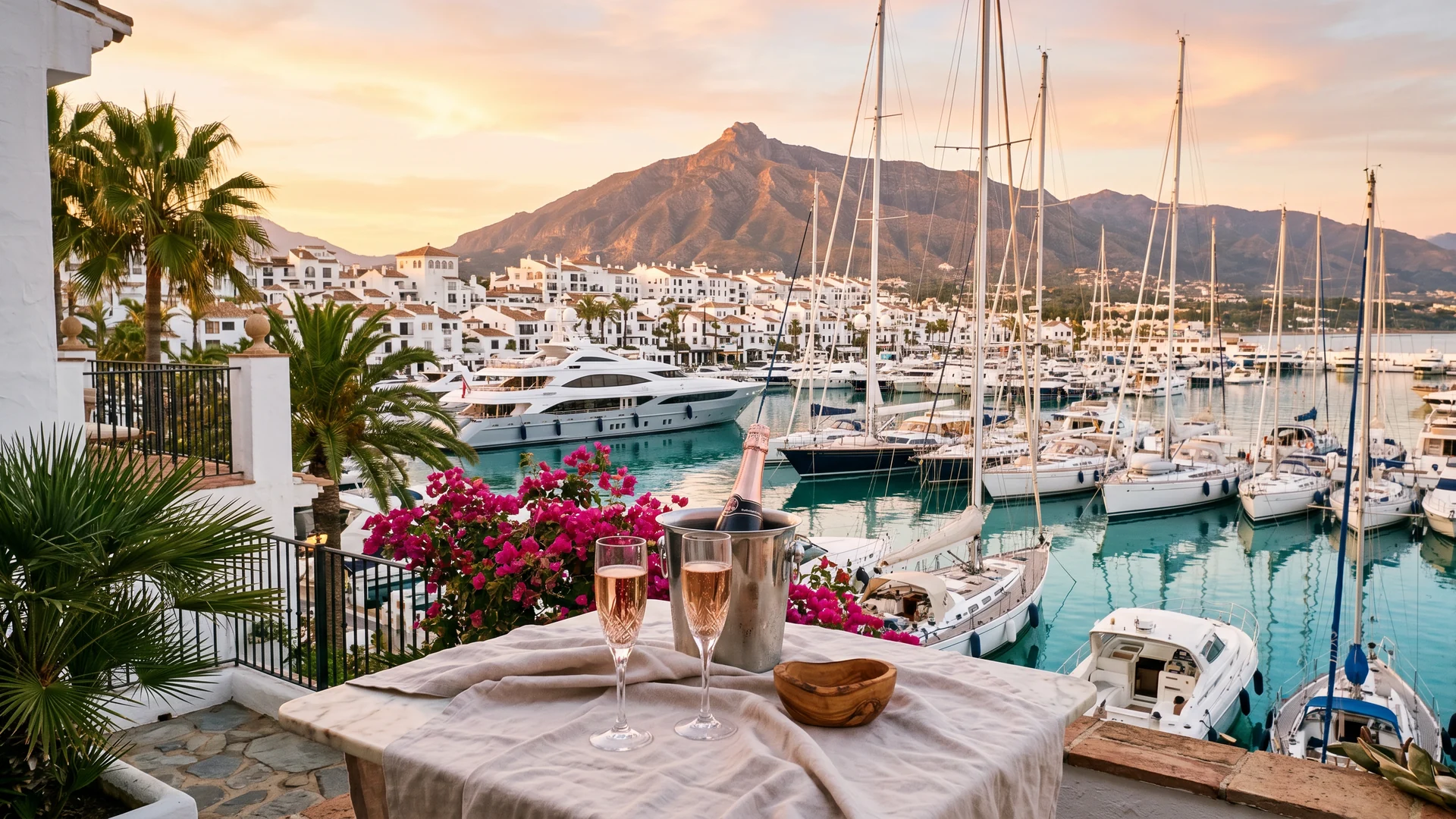
Marbella Luxury Lifestyle Guide
Marbella luxury lifestyle guide: explore the Golden Mile, Puerto Banus, Michelin dining, Golf Valley, La Zagaleta and the Costa del Sol’s most e…
Ultimate Luxury: Marbella’s Top Hotels
Looking for an unforgettable stay in Marbella? You’ve landed in the right place. Marbella, a stunning slice of the Costa del Sol, is renowned fo…
Ultimate Marbella Shopping Guide: Where to Find the Best Fashion, Jewelry, and Home Decor
Heading to Marbella and looking to do some serious retail therapy? You’re in luck. Marbella isn’t just about beautiful beaches and glamoro…