Embracing the Mediterranean Wellness Lifestyle
The Mediterranean wellness lifestyle isn’t just about food; it’s a holistic approach to living that emphasizes balance, connection, and mindful choices for a long, heal…
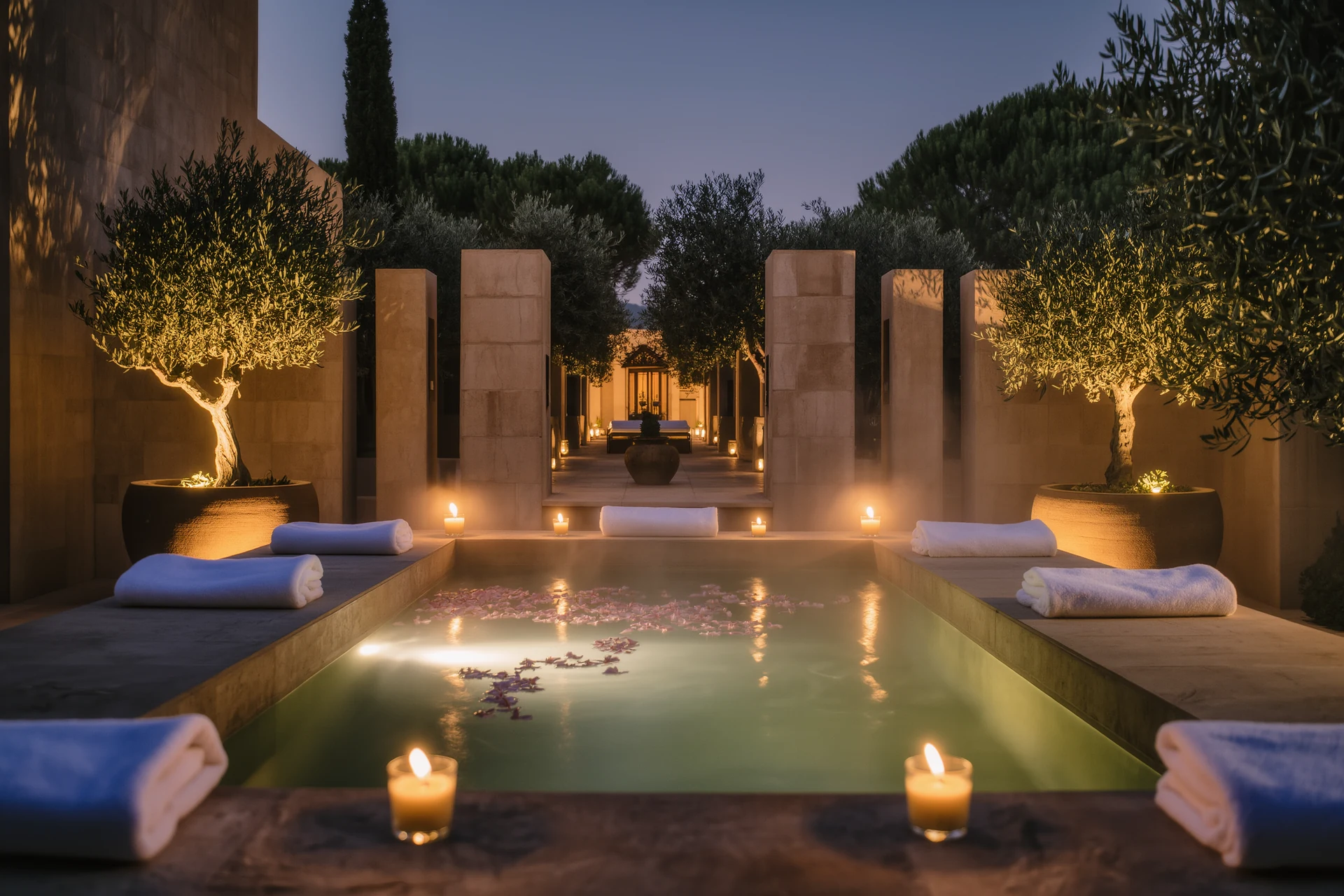
The Mediterranean wellness lifestyle isn’t just about food; it’s a holistic approach to living that emphasizes balance, connection, and mindful choices for a long, healthy, and fulfilling life. Think less about restrictive diets and more about savouring fresh ingredients, moving your body naturally, and nurturing strong social ties. It’s truly a way of being that integrates health into daily existence, rather than viewing it as a separate chore.
While the food gets most of the attention, the Mediterranean lifestyle is fundamentally about a wider mindset. It’s about valuing quality over quantity, presence over rushing, and human connection over isolation. This holistic perspective is crucial to understanding why it’s so beneficial. It’s not just about what you cut out, but what you actively embrace and integrate into your day-to-day.
Intentional Eating, Not Dieting
At its core, this means focusing on real, unprocessed foods. We’re talking about vibrant fruits and vegetables, whole grains, legumes, nuts, and healthy fats like olive oil. Meat is consumed sparingly, often as a flavouring rather than the main event. Fish and seafood make regular appearances, providing lean protein and omega-3s. It’s about enjoying your meals, often shared with loved ones, and being present with your food. This intentionality shifts the focus from calorie counting to nutrient density and flavour.
The Power of Olive Oil
Don’t underestimate the role of extra virgin olive oil. It’s a cornerstone of this culinary tradition, not just for cooking but also for dressings, dips, and even drizzled over finished dishes. Rich in monounsaturated fats and antioxidants, it’s a heart-healthy fat that contributes significantly to the anti-inflammatory aspects of the diet. Think of it as a key player in promoting overall cardiovascular well-being.
Movement as a Way of Life
In Mediterranean cultures, physical activity isn’t typically seen as a separate “workout” session at a gym, but rather as an integral part of daily living. It’s about finding joy in movement, whether it’s through gardening, walking, or dancing. This natural integration helps maintain strength, flexibility, and cardiovascular health without feeling like a chore.
Daily Strolls and Errands
Walking is king. From village squares to bustling city streets, people are often seen walking to run errands, socialise, or simply enjoy the outdoors. This consistent, low-impact exercise adds up, contributing to better circulation, weight management, and even improved mood. It’s an accessible form of physical activity for almost everyone, regardless of age or fitness level.
Gardening and Manual Labour
Many Mediterranean households maintain gardens, whether small plots for herbs and vegetables or larger spaces for fruit trees. The act of tending to a garden involves bending, lifting, and carrying, all natural movements that keep the body active and strong. This connection to the earth also provides fresh produce, further reinforcing healthy eating habits. Similarly, traditional livelihoods often involved more physical exertion, from farming to fishing.
Mindful Living and Stress Reduction
The Mediterranean lifestyle encourages a slower pace, valuing presence and enjoyment over frantic rushing. This deliberate approach extends to how people manage stress, fostering a sense of calm and well-being. It’s about finding small moments of peace throughout the day.
The Art of the Siesta (or Just a Break)
While not universally observed, the concept of a siesta, a mid-day rest or nap, highlights the importance of taking breaks. Even if it’s not a full nap, it encourages stepping away from work, recharging, and avoiding burnout. This practice acknowledges the body’s natural rhythms and the need for periodic respite to maintain mental clarity and energy.
Connection to Nature
Spending time outdoors, whether by the sea, in the mountains, or amidst olive groves, is a common practice. This connection to nature is known to reduce stress, improve mood, and provide a sense of calm. The restorative power of natural environments is intuitively understood and actively sought out.
The Importance of Community and Social Bonds
One of the less-talked-about yet profoundly impactful aspects of this lifestyle is the strong emphasis on social connections. Eating together, conversing, and supporting one another are integral to mental and emotional well-being, providing a crucial buffer against loneliness and stress.
Shared Meals and Family Gatherings
Meals are often communal events, extending beyond immediate family to include friends and neighbours. These extended gatherings foster a sense of belonging, strengthen relationships, and encourage slower, more enjoyable eating. Food becomes a vehicle for connection, conversation, and celebration, rather than just sustenance.
Strong Intergenerational Relationships
Elders are highly respected and play an active role in family life. This intergenerational interaction provides a rich tapestry of support, shared wisdom, and a sense of continuity. Children benefit from the guidance and experience of their elders, while older generations remain engaged and valued members of society, reducing feelings of isolation.
Practical Steps to Embrace the Lifestyle
Ready to integrate these principles into your own life? It’s not about making drastic overnight changes, but rather gradually adopting habits that resonate with you. Start small, be consistent, and observe how these shifts positively impact your well-being.
Stocking Your Pantry
Begin by filling your kitchen with Mediterranean staples. This means extra virgin olive oil, a variety of whole grains (like quinoa, brown rice, whole wheat pasta), legumes (lentils, chickpeas, beans), nuts and seeds, and plenty of fresh produce. Keep herbs and spices on hand to flavour your dishes naturally, reducing the need for excessive salt or processed seasonings. Think about what you can add, rather than what you must remove.
Meal Planning with a Mediterranean Lens
Instead of planning meals around meat, shift your focus to plant-based dishes. Consider making vegetable-centric stews, hearty salads with legumes, or whole-grain bowls abundant with fresh vegetables. When you do include animal protein, opt for fish a few times a week, and use poultry or red meat in smaller portions, perhaps as part of a larger dish rather than the centerpiece. Sunday meal prep can be a game-changer here, allowing you to have healthy options readily available throughout the week.
Incorporating More Movement
Look for opportunities to move more naturally throughout your day. Take the stairs instead of the elevator, walk to nearby shops or errands, or simply go for a leisurely evening stroll. If you have a garden, spend time tending to it. Consider joining a dance class or exploring a new hiking trail. The key is to find activities you genuinely enjoy, making movement a pleasure rather than a chore. Even short bursts of activity add up over time.
Nurturing Your Social Connections
Make a conscious effort to spend time with loved ones. Plan regular family meals, host friends for dinner (even a simple potluck), or simply schedule regular calls or video chats with distant relatives. Volunteer in your community to meet new people and contribute to a cause you care about. Actively engage in conversations, listen intently, and build those bonds that enrich your life and provide a strong support network.
Prioritizing Rest and Mindfulness
Schedule short breaks throughout your workday to step away from your screen, stretch, or simply breathe deeply. Create a relaxing bedtime routine to improve sleep quality. Consider incorporating simple mindfulness practices, like a few minutes of meditation or mindful eating, where you focus solely on the flavours and textures of your food. Even a few minutes of quiet reflection can make a difference in reducing daily stress and improving mental clarity.
Embracing the “Slow” Approach
Challenge the urge to constantly rush. Practice savouring your meals, taking time to appreciate the flavours and the company. Allow yourself moments of quiet contemplation. Sometimes, doing less can be more. This “slow” approach isn’t about being unproductive; it’s about being more intentional and present in your daily activities, leading to less stress and greater enjoyment of life.
Learning to Cook Mediterranean Dishes
Experiment with traditional Mediterranean recipes. There are countless simple, flavourful dishes that don’t require extensive culinary skills. From Greek salads to Italian pasta dishes with fresh vegetables, or Spanish tapas, exploring these recipes will help you incorporate more diverse and nutritious foods into your diet. Cooking at home also gives you control over the ingredients and promotes a deeper connection to your food.
Enjoying Wine (in Moderation, if You Choose)
For those who consume alcohol, red wine in moderation (typically one glass for women, up to two for men, with meals) is often part of the Mediterranean lifestyle. It’s not a recommendation to start drinking if you don’t already, but rather an acknowledgement of its cultural role and potential benefits of compounds like resveratrol, when consumed responsibly. The emphasis here is strictly on moderation and enjoying it as part of a meal and social occasion, not as a standalone habit.
Limiting Processed Foods and Sugars
This might seem obvious, but it’s worth reiterating. The Mediterranean lifestyle naturally minimises highly processed foods, sugary drinks, and excessive refined carbohydrates. These items often contribute to inflammation and provide little nutritional value. By focusing on whole, unprocessed ingredients, you’ll naturally reduce your intake of these less healthy options. Read labels, and aim for foods with short ingredient lists that you recognise.
Staying Hydrated with Water
While wine gets some attention, water is the primary beverage of choice. Staying well-hydrated is fundamental for overall health, digestion, energy levels, and concentration. Keep a water bottle handy throughout the day and make it your go-to drink. Herbal teas are also a good option.
Cultivating a Sense of Purpose
Beyond diet and exercise, a sense of purpose and meaning in life contributes significantly to well-being. This might come from community involvement, pursuing hobbies, lifelong learning, or contributing to your family and friends. This mental and emotional engagement helps keep the mind sharp and fosters a positive outlook.
A Sustainable Path to Wellness
Ultimately, the Mediterranean wellness lifestyle isn’t a temporary fix or a flash diet. It’s a sustainable, enjoyable, and deeply rooted way of living designed to support long-term health and happiness. By shifting your focus from rigid rules to adaptable principles, you can create a personal version of this beneficial lifestyle that fits your unique needs and circumstances. It’s about building habits that last, not chasing quick results, and understanding that true wellness is a journey, not a destination.
FAQs
What is the Mediterranean wellness lifestyle?
The Mediterranean wellness lifestyle is a way of living that is inspired by the traditional dietary and lifestyle habits of the people living in the Mediterranean region. It emphasizes a balanced diet rich in fruits, vegetables, whole grains, lean proteins, and healthy fats, as well as regular physical activity, social connections, and stress management.What are the key components of the Mediterranean wellness lifestyle?
The key components of the Mediterranean wellness lifestyle include a plant-based diet with an emphasis on fruits, vegetables, whole grains, legumes, nuts, and seeds, as well as the use of olive oil as the primary source of fat. Regular physical activity, social engagement, and stress-reducing activities such as mindfulness and relaxation are also important aspects of this lifestyle.What are the health benefits of the Mediterranean wellness lifestyle?
Research has shown that following a Mediterranean wellness lifestyle can lead to a reduced risk of chronic diseases such as heart disease, diabetes, and certain types of cancer. It can also contribute to better weight management, improved mental well-being, and overall longevity.How can I incorporate the Mediterranean wellness lifestyle into my daily routine?
To incorporate the Mediterranean wellness lifestyle into your daily routine, you can start by focusing on consuming more plant-based foods, using olive oil as your primary source of fat, engaging in regular physical activity, and finding ways to reduce stress and cultivate social connections. Small changes such as swapping out butter for olive oil, adding more vegetables to your meals, and taking daily walks can make a big difference.Are there any potential drawbacks to the Mediterranean wellness lifestyle?
While the Mediterranean wellness lifestyle is generally considered to be a healthy way of living, it’s important to note that individual needs and preferences vary. Some people may find it challenging to adapt to a diet that is high in fruits, vegetables, and whole grains, while others may have cultural or medical reasons for needing to modify certain aspects of the lifestyle. It’s always best to consult with a healthcare professional before making significant changes to your diet or lifestyle.More from Wellness Retreats
Costa del Sol Wellness Guide
Costa del Sol wellness guide: top spas, yoga retreats, Buchinger fasting, aesthetic clinics, thermal springs, and outdoor activities for a healthier e…

Escape to Wellness: Private Retreats in Spain
Feeling the need to hit the reset button? Maybe you’re dreaming of sunshine, peace, and a break from the everyday hustle. Spain, with its incred…

Beach Yoga: Finding Peace on the Costa del Sol
You’re wondering if beach yoga on the Costa del Sol is really a thing, and if it’s worth trying. The short answer is a resounding yes! It&…