Experiencing Andalusia: Life in Southern Spain
Thinking about a change of scenery, maybe the sun-drenched south of Spain? You’re probably wondering what life in Andalusia is really like, beyond the tourist brochures. Well…
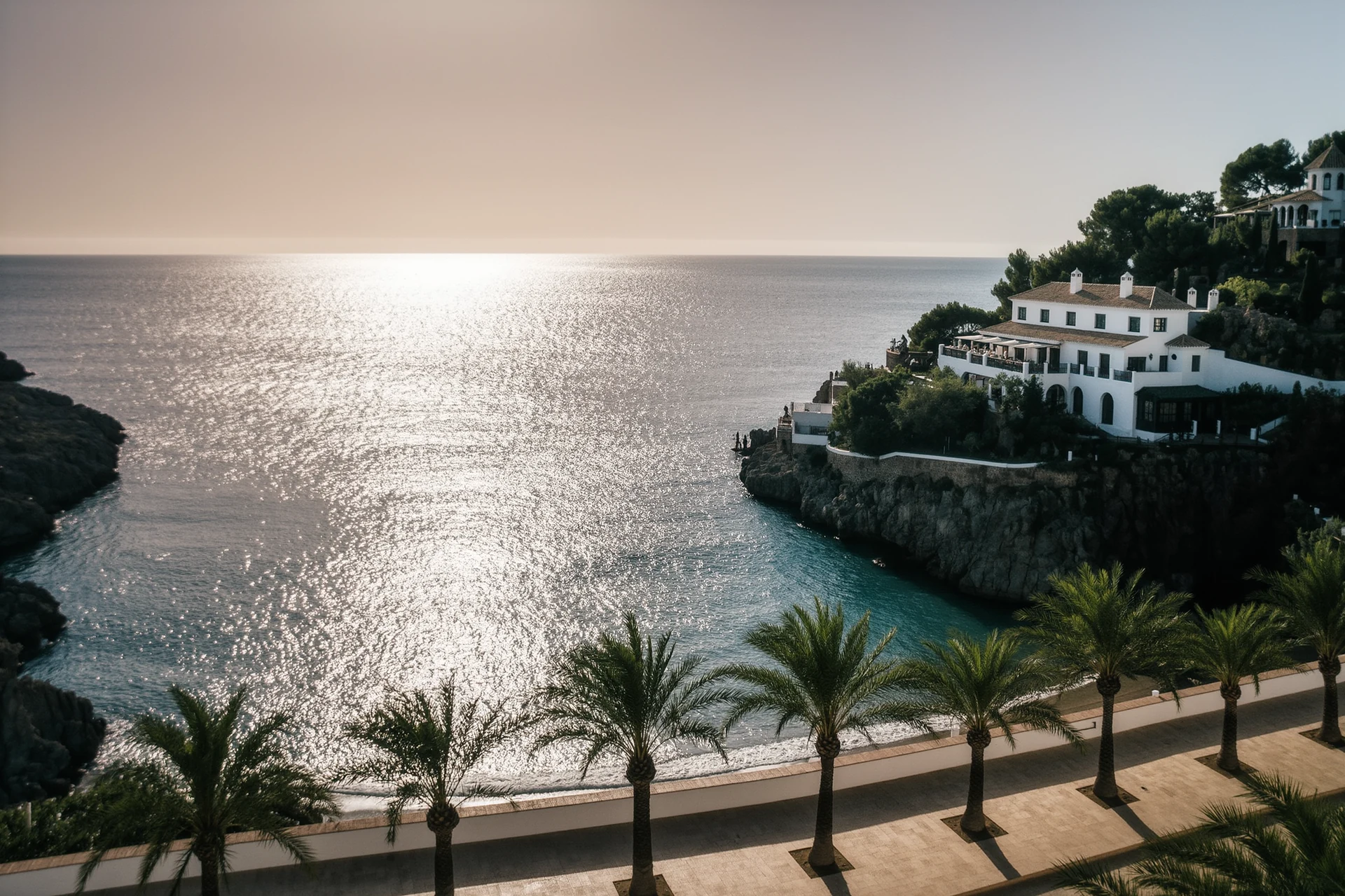
Thinking about a change of scenery, maybe the sun-drenched south of Spain? You’re probably wondering what life in Andalusia is really like, beyond the tourist brochures. Well, buckle up! It’s a vibrant mix of ancient history, laid-back living, and a culture that truly embraces the moment. It’s not always perfect, and it’s definitely not a fairytale, but for many, it’s a pretty fantastic place to call home.
One of the first things you notice when you settle into Andalusia is the rhythm. It’s decidedly slower than what you might be used to, and that’s often the biggest draw.
Siesta and the Evening Stroll
The infamous siesta isn’t quite as universal as it once was, especially in bigger cities catering to a global clientele. However, in smaller towns and villages, many shops still close for a few hours in the afternoon. This isn’t just about avoiding the midday heat; it’s a cultural ingrained habit of taking a break, allowing for rest and family time. What often replaces a long afternoon nap for many is the evening paseo. As the sun begins to dip and the heat subsides, streets come alive. Families, friends, young and old, wander through the plazas, stopping for a drink, a chat, or just to enjoy the evening air. It’s a social ritual that’s incredibly important to the Andalusian way of life.
Mediterranean Time
In Andalusia, “time” can feel a bit more fluid. Appointments might start a little later than scheduled, and rushing is generally discouraged. This isn’t about being unprofessional, but rather about prioritizing relationships and the present moment. Learning to embrace this, or at least not get frustrated by it, is key to enjoying your time here. It encourages a less stressed approach to daily life.
Embracing the Outdoors
With so much sunshine and pleasant weather, life spills outdoors. Cafes and tapas bars are usually buzzing with activity both day and night. Parks and plazas become extensions of people’s homes, places for gathering, playing, and simply being. This constant presence of people outside fosters a strong sense of community. It’s not uncommon to see neighbors chatting over balconies or children playing freely in communal spaces.
The Cost of Living: More Bang for Your Euro
Compared to many Northern European countries or major cities in the US, Andalusia often offers a more affordable cost of living, particularly when it comes to housing and daily expenses.
Housing: Rent vs. Buy
Rental prices can vary significantly depending on the city or town and whether you’re looking for a modern apartment in the city center or a traditional house in a white village. Generally, you’ll find that your money stretches further here. Buying property is also a popular option, and while prices have risen in recent years, especially in sought-after coastal areas, there are still many affordable options, particularly inland or in less touristy regions. Expect to pay for the privilege of a sea view in popular tourist spots like Marbella or Estepona, but venture a little further inland, and you’ll find charming properties at much more accessible prices.
Daily Expenses: Food and Drink
This is where Andalusia truly shines for budget-conscious individuals. The fresh produce is abundant and inexpensive. Local markets are treasure troves of affordable fruits, vegetables, and meats. Eating out, especially tapas, is an integral part of the culture and can be incredibly cheap. A portion of tapas can cost as little as €2-€3, and often comes free with a drink in many bars. Even a full meal at a local restaurant, away from the most touristy strips, can be surprisingly affordable.
Utilities and Transport
Utilities like electricity, water, and gas are comparable to many other European countries, though efficient use can help manage costs, especially with the need for air conditioning during hot summers. Public transport within cities is generally good and reasonably priced. For inter-city travel, buses are a reliable and economical option. Owning a car can be beneficial for exploring the region, but factored into the overall cost of living, it’s often still more affordable than in other Western countries, especially if you avoid the premium fuel prices.
Food and Drink: A Way of Life
Food in Andalusia is more than just sustenance; it’s a cultural cornerstone, a way to connect, celebrate, and simply enjoy life.
Tapas Culture
You can’t talk about Andalusia without mentioning tapas. This iconic tradition involves small dishes served with drinks, and it’s a fundamental part of social life. It’s not just about snacking; it’s about socializing, trying a variety of flavors, and creating a meal out of numerous small plates shared amongst friends. Each bar often has its own specialties, and exploring different establishments to discover new favorites is a fantastic culinary adventure. Think crispy fried fish, melt-in-your-mouth Iberian ham, garlic-infused shrimp, or hearty stews, the variety is endless.
Fresh Produce and Local Delicacies
Andalusia is blessed with fertile land, yielding a spectacular array of fresh produce. From juicy oranges and sweet figs to plump tomatoes and flavorful olives, the quality and affordability are remarkable. Olive oil, of course, is king here, with the region being the world’s largest producer. You’ll find magnificent local cheeses, incredibly fresh seafood along the coast, and the world-renowned Jamón Ibérico. Don’t shy away from the local markets; they are the heart of the culinary scene for many Andalusians.
The Importance of Meal Times
Mealtimes are revered. Lunch (la comida) is the main meal of the day, typically around 2-3 PM, and often a more substantial affair. Dinner (la cena) is usually lighter and eaten much later, often after 9 PM. Sunday lunch is a particularly important family gathering, a time to linger over good food and conversation.
Drinks and Socializing
Beyond the ubiquitous tapas, Andalusian culture revolves around shared drinks. Coffee is an essential part of the morning routine, with a café con leche being the go-to. As the day progresses, beer (caña) or wine become popular. In hotter months, tinto de verano (red wine mixed with lemon soda) or rebujito (sherry mixed with lemonade) are refreshing choices. These drinks are often the catalyst for extended conversations and connections.
Culture and Community: What It’s Like to Belong
Moving to Andalusia means immersing yourself in a deeply ingrained culture of family, community, and celebration.
The Role of Family
Family is central to Andalusian life. Extended families often live close by, and regular gatherings and celebrations are common. This strong familial bond extends to a general sense of interconnectedness within communities. There’s a warmth and openness that many find incredibly welcoming.
Fiesta and Ferias
Andalusia is famous for its fiestas and ferias: local festivals and fairs that are a vibrant expression of Andalusian culture. These events, from the famous Seville Fair (Feria de Abril) to smaller local patron saint celebrations, are characterized by music, dancing (especially flamenco), traditional dress, food, and drink. Participating in these is a fantastic way to experience the local spirit and feel a sense of belonging.
The Flamenco Soul
Flamenco is more than just a dance and music genre; it’s an art form born from centuries of Andalusian history, deeply interwoven with the region’s identity. While you can certainly see flamenco shows as a tourist, living here allows you to encounter it more organically, in local peñas (clubs), spontaneous gatherings, or even at ferias. It’s a powerful expression of emotion, passion, and resilience.
Social Etiquette and Making Friends
Andalusians are generally warm and gregarious. While their own language and customs can sometimes be a barrier initially, they are often open to outsiders. Learning a few basic Spanish phrases is incredibly helpful and greatly appreciated. Participating in local activities, frequenting local bars, and showing genuine interest in their culture are good ways to build connections. Don’t expect to make deep friendships overnight, but building a social circle is very achievable with a bit of effort and an open mind.
Weather and Lifestyle: Sunshine and its Influence
Andalusia boasts some of the best weather in Europe, and this has a profound impact on the lifestyle and daily routines of its inhabitants.
Summer Heat
Summers in Andalusia are undeniably hot, especially inland. Temperatures can easily reach the mid-30s and even soar into the 40s Celsius (90s-100s Fahrenheit) during July and August. This heat dictates much of the rhythm of life during these months. Mornings are for getting things done, afternoons are for seeking shade, and evenings are for activity. Many people still adhere to a more traditional schedule, taking advantage of the cooler periods for work and socializing. Air conditioning has become a necessity in most homes and businesses.
Mild Winters and Pleasant Springs/Autumns
The winters here are generally mild, with occasional rainy days and cooler temperatures, especially in the more mountainous interior. Snow is rare except in the Sierra Nevada. Spring and autumn are arguably the most idyllic seasons, with warm, sunny days and comfortable evenings, perfect for exploring the cities, hiking in the natural parks, or simply enjoying the outdoor cafe culture without the intense summer heat.
Impact on Activities
The weather shapes everything from agricultural output to leisure activities. The abundance of sunshine makes outdoor pursuits like hiking, cycling, and water sports incredibly popular for much of the year. Evenings outdoors, enjoying tapas and conversation, are a mainstay. The agricultural landscape is a testament to the favorable climate, producing world-renowned olives, grapes, and a wealth of fruits and vegetables.
Practicalities for Expats: Navigating the Nuances
If you’re considering a move to Andalusia, there are a few practical aspects to be aware of to make your transition as smooth as possible.
Bureaucracy and Paperwork
Spain, like many countries, has its share of bureaucracy. Navigating official processes, whether it’s registering for a residency permit, opening a bank account, or dealing with utilities, can sometimes be a slow and intricate process. Having a good grasp of Spanish or enlisting the help of a gestor (an administrative agent) can be invaluable in smoothing out these experiences. Patience is key.
Healthcare
Spain has a public healthcare system that is generally of a high standard. If you are legally residing and working in Spain, you will typically be entitled to access it. Many expats also opt for private health insurance for added convenience and speed of access to certain specialists or treatments. Understanding the registration process for the public system and comparing private insurance options is advisable.
Language
While many people in tourist areas speak some English, venturing beyond these zones means that Spanish becomes much more important. Learning Spanish is not just about practicality; it’s about truly integrating into the culture, understanding conversations, and forming deeper connections. Even a basic level of Spanish will open many more doors and make daily life significantly easier and more rewarding. Consider a language exchange partner, online courses, or local classes.
Finding Your Place
Andalusia is a diverse region. Do you envision yourself in the bustling energy of Seville or Malaga, or perhaps the quieter charm of a pueblo blanco in the countryside? Do you dream of being close to the sea or nestled amongst rolling hills? Researching different cities and towns and even visiting them beforehand can help you find the area that best suits your lifestyle and preferences. Each province and even each town in Andalusia has its own distinct character, history, and charm.
Ultimately, life in Andalusia is about embracing a lifestyle that prioritizes connection, simplicity, and the enjoyment of life’s pleasures. It’s a place where history whispers from ancient walls, where the sun warms your skin, and where the rhythm of life invites you to simply be. It’s a rewarding experience for those willing to lean into its unique charm.
FAQs
1. What is the cost of living in Andalusia, Spain?
The cost of living in Andalusia, Spain is generally lower than in other parts of Europe. Rent, groceries, and dining out are all relatively affordable compared to other European countries.2. What is the climate like in Andalusia, Spain?
Andalusia has a Mediterranean climate, characterized by hot, dry summers and mild, wet winters. The region enjoys over 300 days of sunshine per year, making it an attractive destination for those seeking a warm climate.3. What are the popular cities to live in Andalusia, Spain?
Popular cities to live in Andalusia include Seville, Malaga, Granada, Cordoba, and Cadiz. Each city offers its own unique charm, history, and cultural attractions.4. What are the healthcare facilities like in Andalusia, Spain?
Andalusia has a well-developed healthcare system, with both public and private hospitals and clinics. Expats living in Andalusia can access quality healthcare services, and many healthcare professionals speak English.5. What are the transportation options in Andalusia, Spain?
Andalusia has a well-connected transportation network, including buses, trains, and airports. The region also has a good road infrastructure, making it easy to travel within Andalusia and to other parts of Spain.More from Investment & Relocation
Costa del Sol Investment Guide
Costa del Sol investment guide: real estate yields, Golden Visa, Malaga tech, Andalusia tax breaks, Sotogrande and agribusiness opportunities for 2026…

Maximizing Returns: Marbella Property Investment
Thinking about putting your money into property in Marbella? Smart move. The Costa del Sol’s most glamorous stretch offers a compelling mix of l…

Exploring International Schools on the Costa del Sol
Thinking about an international school for your child on the Costa del Sol? It’s a big decision, and understandably so! The good news is, you…