Relocating to the Costa del Sol: Your Ultimate Guide
Thinking about making the move to the Costa del Sol? You’re not alone! It’s a popular spot for expats, and for good reason. From the sunny climate to the vibrant cultur…
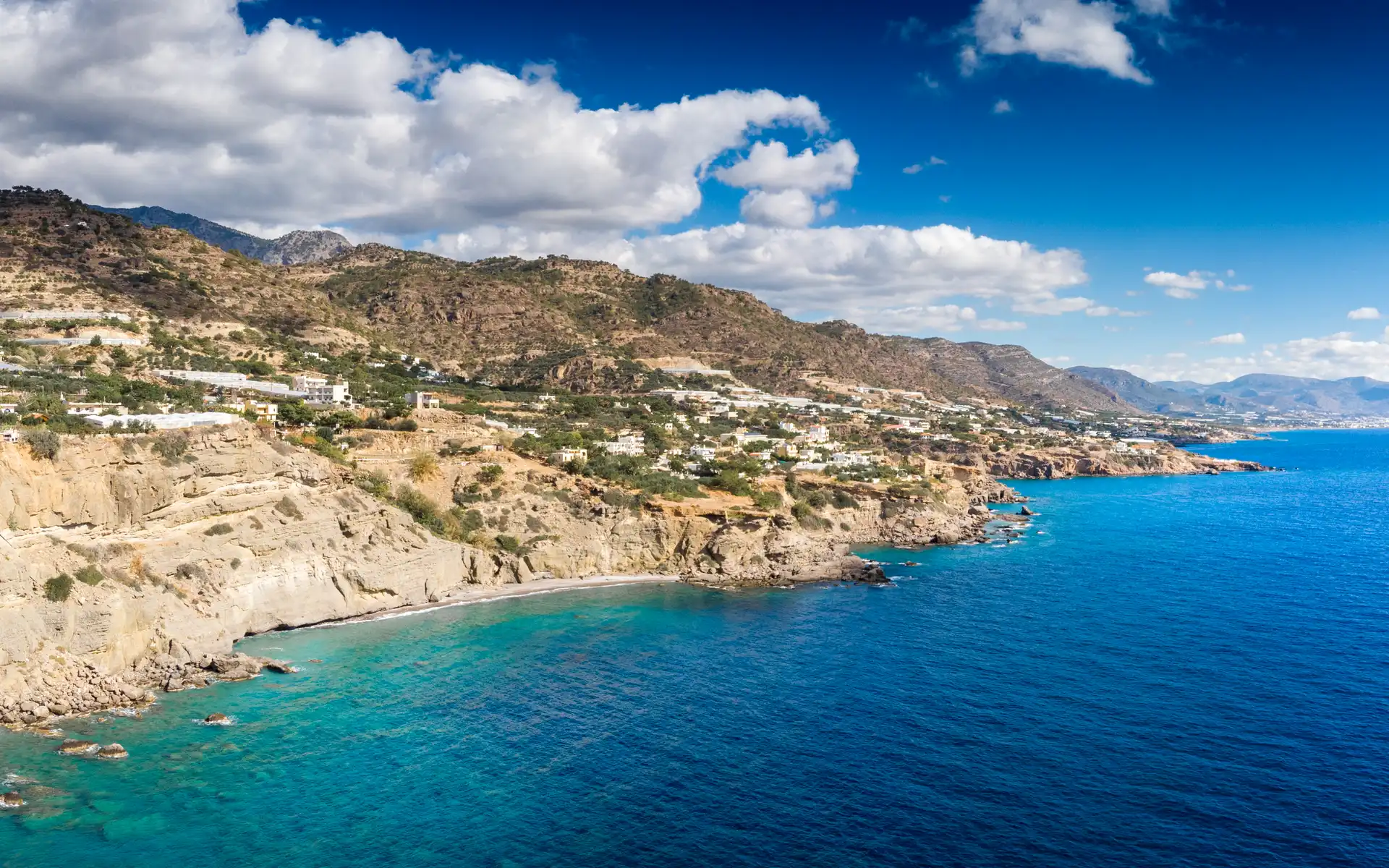
Thinking about making the move to the Costa del Sol? You’re not alone! It’s a popular spot for expats, and for good reason. From the sunny climate to the vibrant culture and relaxed lifestyle, there’s a lot to love. This guide will walk you through the practicalities of relocating, giving you the lowdown on what to expect, from visas and healthcare to finding a home and settling in.
First things first, let’s talk about the legal stuff. This can feel a bit daunting, but with a bit of planning, it’s manageable.
EU/EEA/Swiss Citizens
If you’re from an EU, EEA, or Swiss country, the good news is you have a pretty straightforward path. You don’t need a visa to enter Spain, and you can live and work here for up to three months without any special registration. However, if you plan to stay longer, you’ll need to register as a resident.
Registering as a Resident (Obtaining Your NIE)
The first step is getting your Número de Identificación de Extranjero (NIE). This is your foreign identification number, and you’ll need it for just about everything: opening a bank account, buying property, signing utility contracts, and so on. You can apply for it at a police station (Comisaría de Policía) after your arrival, or even at the Spanish Embassy or Consulate in your home country before you move. Bring your passport, a completed application form (EX-15), and a couple of passport photos.
Once you have your NIE, you’ll need to register on the ‘Padrón Municipal’ at your local town hall (Ayuntamiento). This basically registers you as a resident of that municipality, which is important for things like accessing local services and voting in local elections.
Finally, you’ll apply for your Certificado de Registro de Ciudadano de la Unión, which is essentially your residency certificate for EU citizens. This is also done at the police station.
Non-EU Citizens
For those outside the EU, EEA, or Switzerland, the process is a bit more involved, but certainly not impossible. You’ll generally need a visa before you arrive in Spain.
Types of Visas
There are several visa options, and the right one for you depends on your circumstances. Common choices include:
- Non-Lucrative Visa: This is popular for retirees or those with sufficient independent means to support themselves without working in Spain. You’ll need to prove you have enough funds to live on and comprehensive private health insurance.
- Golden Visa (Investor Visa): If you’re planning to make a significant investment in Spain, such as buying property worth €500,000 or more, this visa offers a quicker route to residency.
- Work Visa: If you have a job offer from a Spanish employer, they will likely sponsor your work visa application.
- Student Visa: For those planning to study in Spain.
- Digital Nomad Visa: Spain recently introduced a digital nomad visa for remote workers. This could be a great option if you work for a company outside Spain. You’ll need to show proof of employment, sufficient funds, and private health insurance.
The Application Process
Applying for a non-EU visa usually involves submitting your application to the Spanish Embassy or Consulate in your home country. Be prepared to provide a lot of documentation: your passport, proof of funds, health insurance, criminal record checks, and any other documents related to your specific visa type. The process can take several weeks or even months, so start well in advance. Once you arrive in Spain with your visa, you’ll typically have a short period (usually 30 days) to apply for your TIE (Tarjeta de Identidad de Extranjero), which is your physical residency card.
Finding Your Perfect Spot: Location, Location, Location
The Costa del Sol is a long stretch of coastline, and each town and city has its own distinct flavour. Where you choose to live will depend on your priorities.
Coastal Cities and Towns
- Malaga City: The capital of the Costa del Sol, Malaga is a vibrant, bustling city with a rich history, excellent dining, and a thriving cultural scene. It’s not just a tourist hub; it’s a real working city with good job opportunities and excellent transport links. If you like city living with beach access, Malaga is a strong contender.
- Marbella: Known for its glamour, high-end boutiques, and lavish lifestyle, Marbella attracts a wealthier crowd. It boasts beautiful beaches, world-class golf courses, and a thriving social scene. Puerto Banús is its famous marina, synonymous with luxury yachts and designer shops.
- Fuengirola: A popular choice for families and those looking for a lively, well-established expat community. Fuengirola offers long sandy beaches, a good selection of amenities, and frequent train links to Malaga airport and city centre. It’s generally considered more affordable than Marbella.
- Estepona: Often called the “Garden of the Costa del Sol” due to its beautifully flowered historic centre. Estepona offers a more authentic Spanish feel than some of its neighbours, with a charming old town, a lovely marina, and good beaches. It’s often seen as a good balance between lively and relaxed.
- Benalmádena: Another popular family-friendly resort town with a bustling marina, an amusement park (Tivoli World), and a cable car offering stunning views. It has a mix of modern developments and a charming old town (Benalmádena Pueblo) up in the hills.
- Nerja: Located further east, Nerja is famous for its stunning Balcón de Europa viewpoint and the incredible Nerja Caves. It offers a more laid-back, traditional Spanish atmosphere, with beautiful coves and a less developed feel than the central Costa del Sol.
Inland Villages (Pueblos Blancos)
If the hustle and bustle of the coast isn’t for you, consider one of the charming “Pueblos Blancos” (white villages) slightly inland.
- Mijas Pueblo: Perched in the mountains, Mijas Pueblo offers breathtaking views of the coastline, charming whitewashed streets, and a slower pace of life. It’s still close enough to the coast for easy access to beaches.
- Coín, Alhaurín el Grande, Cártama: These larger inland towns offer a more authentic Spanish lifestyle, often with lower property prices than coastal areas. They have good local services, but you’ll need a car to get around easily and access the coast.
Finding Your New Home: Renting or Buying
Once you’ve narrowed down your preferred area, it’s time to find a place to live.
Renting Property
Many expats choose to rent initially to get a feel for different areas before committing to a purchase.
The Rental Market
The rental market on the Costa del Sol can be competitive, especially for desirable properties in popular areas. High season (summer) can see prices escalate, and availability might shrink. It’s a good idea to start your search a few months before you plan to move.
How to Find a Rental
- Estate Agents: Most common way. They’ll have a good selection of properties, but you’ll usually pay a fee (often a month’s rent) for their services.
- Online Portals: Websites like Idealista, Fotocasa, and Piso.com are widely used and allow you to search directly. Facebook groups dedicated to expat rentals in specific areas can also be useful.
- Word of Mouth: Sometimes the best deals are found through local connections.
What to Expect
Typical rental contracts are for 11 months, renewable annually. You’ll usually need to pay a one or two-month security deposit (fianza) and the first month’s rent upfront. Utility bills (electricity, water, internet) are usually separate and paid by the tenant.
Buying Property
For many, the dream is to own a piece of the Costa del Sol.
The Buying Process
- Solicitor (Abogado): Absolutely essential. Get an independent solicitor who speaks your language. They will conduct all necessary checks on the property, handle legal aspects, and ensure a smooth transaction. Do not rely on the estate agent’s recommendation for a solicitor unless you’ve done your own thorough checks.
- Estate Agent (Inmobiliaria): They help you find properties and arrange viewings. Their commission is usually paid by the seller.
- Mortgage: If you need a mortgage, speak to Spanish banks or mortgage brokers early in the process. Non-residents typically need a larger deposit (30-40%) than residents.
- NIE: You’ll need your NIE to buy property.
- Bank Account: Essential for paying for the property and setting up utility direct debits.
- Notary: The final step involves signing the Escritura Pública de Compraventa (title deed) in front of a public notary.
Associated Costs
Beyond the property price, be prepared for additional costs, which can add 10-15% to the purchase price. These include:
- IVA (VAT) or Transfer Tax: If buying new, you pay 10% IVA. If buying a resale, you pay Transfer Tax (ITP), which varies by region but is typically 7-10% in Andalusia.
- Notary Fees: Variable, but a few hundred euros.
- Land Registry Fees: For registering the property in your name.
- Solicitor Fees: Typically 1% of the property purchase price.
- Stamp Duty (AJD): If buying new, typically 1.2% in Andalusia.
Healthcare and Education: Settling into Life
These are crucial considerations for any relocatee, especially those with families.
Healthcare System
Spain has an excellent healthcare system, mixing public and private options.
Public Healthcare (Sistema Nacional de Salud)
If you’re working and paying social security contributions in Spain, you’ll be entitled to public healthcare. This is generally high-quality and free at the point of use, though you might pay a small co-payment for prescriptions. You’ll register with your local health centre (Centro de Salud) and be assigned a GP (médico de cabecera).
Private Healthcare
Many expats, particularly those on non-lucrative visas, opt for private health insurance. There are numerous providers, both Spanish and international. Private care often offers shorter waiting times, access to a wider choice of specialists, and English-speaking doctors. If you’re a non-EU citizen applying for a visa, comprehensive private health insurance is usually a requirement.
Education for Children
If you’re moving with children, understanding the schooling options is key.
Spanish State Schools
These are free (apart from books and materials) and follow the Spanish curriculum. They’re a great way for children to integrate into Spanish culture and learn the language quickly. The quality of education is generally good, but be aware that classes are typically taught entirely in Spanish. Enrolment is usually done at your local town hall or directly at the school, and proximity to your home is a major factor.
Private and International Schools
The Costa del Sol has a good selection of private and international schools, offering curricula like the British, American, or International Baccalaureate (IB). These schools typically teach in English (or other languages), have smaller class sizes, and often offer a wider range of extracurricular activities. They come with significant tuition fees, but can be a good option for older children or if you plan to move again internationally in the future. Popular areas with international schools include Marbella, Estepona, and Benalmadena.
Daily Life and Practicalities: Getting By
Let’s look at the day-to-day things you’ll encounter.
Language
While many people in tourist areas of the Costa del Sol speak some English, learning Spanish will significantly enhance your experience and make daily life much easier. From navigating bureaucracy to making friends with locals, even a basic grasp of the language goes a long way.
Learning Spanish
- Language Schools: There are many excellent language schools throughout the Costa del Sol.
- Online Resources: Apps like Duolingo, Babbel, or online tutors can be very helpful.
- Immersion: The best way to learn is to practice, practice, practice! Don’t be afraid to make mistakes.
Banking
Opening a Spanish bank account is essential for managing your finances, receiving income, and paying bills.
What You’ll Need
Typically, you’ll need your passport, NIE, and proof of address and income. Some banks are more expat-friendly than others, so it’s worth doing some research. Popular banks include CaixaBank, BBVA, Santander, and Sabadell.
Transport
Getting around the Costa del Sol is relatively straightforward.
Public Transport
- Trains: The Cercanías C1 train line connects Malaga city centre to the airport and goes as far west as Fuengirola, stopping at key towns like Torremolinos and Benalmádena. It’s efficient and affordable.
- Buses: An extensive local and regional bus network connects towns and villages across the Costa del Sol.
- Taxis/Ride-sharing: Taxis are readily available, and ride-sharing apps like Uber and Cabify operate in Malaga city and some other areas.
Driving
Many expats choose to drive, especially if living inland or needing to travel frequently.
- Driving Licence: If you’re from the EU, EEA, or Switzerland, your national driving licence is valid in Spain. After two years of residency, you’ll need to exchange it for a Spanish one. Non-EU citizens may need to obtain an international driving permit or exchange their licence, depending on their home country’s agreement with Spain.
- Car Purchase: You’ll need your NIE and a bank account. Buying second-hand cars privately is common, or through dealerships.
- Insurance: Car insurance is mandatory in Spain.
Cost of Living
Compared to many northern European countries, the cost of living on the Costa del Sol can be more affordable, though this varies greatly depending on your lifestyle and location.
Key Expenses
- Rent/Mortgage: This will be your biggest outgoing. Marbella will be significantly more expensive than, say, Estepona or an inland village.
- Utilities: Electricity can be surprisingly expensive in Spain, especially with air conditioning use. Water and gas are generally reasonable.
- Groceries: Supermarkets offer good value, especially local produce. Eating out can be very affordable, particularly Menú del Día (set lunch menus).
- Transport: Public transport is cheap; owning a car incurs fuel, insurance, and maintenance costs.
- Healthcare: If relying on private insurance, factor in monthly premiums.
Finding Work (If Applicable)
If you plan to work, the job market can be competitive.
Key Sectors
- Tourism: Hospitality, hotels, restaurants are always looking for staff, especially with language skills.
- Real Estate: A booming sector with opportunities for agents and support staff.
- International Sales/Customer Service: Companies often look for multilingual staff.
- Digital/Tech: Malaga city, in particular, is developing a growing tech hub.
Tips for Job Seeking
- Networking: Expat groups and professional communities can be valuable.
- Online Job Boards: InfoJobs, LinkedIn, and specific expat job sites.
- Spanish Language: Essential for most roles outside the very international niche market.
Settling In: Culture and Community
Integrating into your new life goes beyond just the practicalities.
Spanish Culture
Embrace the slower pace of life, the late dining hours, and the importance of family and social connections. Siestas are less common in cities but the general rhythm of the day is different from many other European countries. Enjoy the fiestas, the rich culinary traditions, and the friendly nature of the Spanish people.
Expat Community
The Costa del Sol has a large and well-established expat community from all over the world. This can be a great source of support, advice, and friendship, especially in the early days.
How to Connect
- Online Forums/Facebook Groups: Search for “Expats in Malaga,” “Expats in Marbella,” etc.
- Local Clubs and Societies: Golf clubs, walking groups, book clubs, volunteer organisations.
- Language Exchange Groups: A great way to meet both expats and locals.
- Local Bars and Cafes: Especially in areas with many expats, you’ll quickly find friendly faces.
Enjoying the Lifestyle
Ultimately, the Costa del Sol is about enjoying life. Make the most of the fantastic climate, beautiful beaches, delicious food, and vibrant culture. Whether it’s hiking in the Sierra Nevada, exploring historic old towns, enjoying a chiringuito lunch by the sea, or simply soaking up the sun, there’s a myriad of ways to embrace your new home.
Relocating is a big step, but with careful planning and a positive attitude, your move to the Costa del Sol can be a smooth and incredibly rewarding experience. ¡Bienvenido a España!
FAQs
What is the cost of living in Costa del Sol?
The cost of living in Costa del Sol can vary depending on the specific area and lifestyle. Generally, it is considered to be more affordable than other European destinations, with lower costs for groceries, dining out, and entertainment.What are the healthcare options in Costa del Sol?
Costa del Sol has a well-developed healthcare system, with both public and private options available. The region is home to several modern hospitals and clinics, and expats can access the public healthcare system by registering for a Spanish social security number.What are the housing options in Costa del Sol?
Costa del Sol offers a wide range of housing options, including apartments, townhouses, and villas. The region is known for its beautiful coastal properties, as well as charming inland villages. Rental and purchase prices can vary depending on the location and amenities.What is the climate like in Costa del Sol?
Costa del Sol enjoys a Mediterranean climate, with mild winters and hot summers. The region experiences over 300 days of sunshine per year, making it an attractive destination for those seeking a warm and sunny climate.What are the expat communities like in Costa del Sol?
Costa del Sol is home to a diverse expat community, with a large number of British, Scandinavian, and German residents. There are numerous social clubs, community events, and expat-focused services available, making it easy for newcomers to connect and integrate into the local community.More from Investment & Relocation

Costa del Sol Investment Guide
Costa del Sol investment guide: real estate yields, Golden Visa, Malaga tech, Andalusia tax breaks, Sotogrande and agribusiness opportunities for 2026…

Maximizing Returns: Marbella Property Investment
Thinking about putting your money into property in Marbella? Smart move. The Costa del Sol’s most glamorous stretch offers a compelling mix of l…

Exploring International Schools on the Costa del Sol
Thinking about an international school for your child on the Costa del Sol? It’s a big decision, and understandably so! The good news is, you…