Relocating to the Sunny Costa del Sol
So, you’re thinking about ditching the grey skies for some serious sunshine on the Costa del Sol? Smart move. The short answer is yes, you absolutely can relocate here, and m…
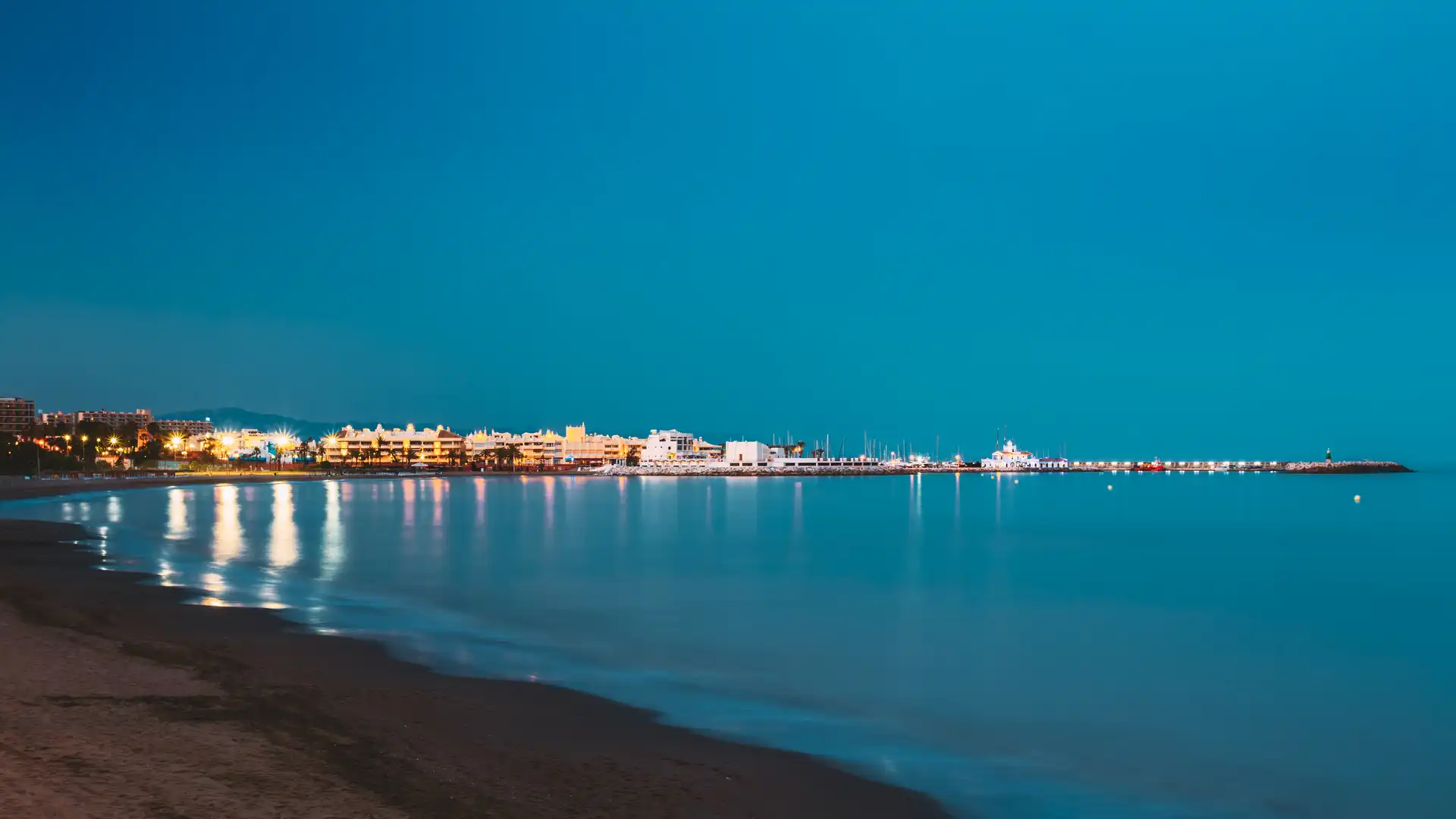
So, you’re thinking about ditching the grey skies for some serious sunshine on the Costa del Sol? Smart move. The short answer is yes, you absolutely can relocate here, and many people do. It’s a popular spot for a good reason, offering a fantastic lifestyle, albeit with some practicalities you’ll want to get squared away before you pack your bags.
Before you even think about which beach to sunbathe on, there are a few foundational things to consider. These aren’t the fun parts, but they’re essential for a smooth transition.
Legal Requirements for Living in Spain
This is probably the most critical, and often the most confusing, aspect. Spain, being part of the EU, has specific rules depending on your nationality.
EU Citizens
If you’re an EU citizen, things are considerably simpler. You have the right to live and work in Spain. You’ll still need to register your presence if you plan to stay longer than 90 days, which involves getting your NIE (Número de Identificación de Extranjero) and then applying for residency (Certificado de Registro de Ciudadano de la Unión). It’s largely a bureaucratic process, but fairly straightforward.
Non-EU Citizens
For non-EU citizens, it’s a bit more involved. You’ll typically need a visa before you arrive. Common options include:
- Non-Lucrative Visa: This is for those who can prove they have sufficient funds to support themselves without working in Spain. It’s a popular choice for retirees or those with passive income. You’ll need to demonstrate a certain level of income or savings and have private health insurance.
- Golden Visa (Investor Visa): If you’re planning a significant investment in Spain, usually a property purchase over €500,000, this visa offers a quicker path to residency.
- Digital Nomad Visa: Spain recently launched this visa, aimed at remote workers. It requires you to be employed by a company outside Spain or be a freelancer with clients predominantly outside Spain, earning a minimum income. This is a very attractive option for many.
- Work Visa: If you have a job offer from a Spanish company, they can sponsor you for a work visa. This is generally harder to obtain as the company needs to demonstrate they couldn’t find an EU citizen for the role.
Regardless of your visa type, once you arrive, you’ll need to apply for your NIE and then your TIE (Tarjeta de Identidad de Extranjero), which is your physical residency card. Don’t underestimate the time and paperwork involved, start this process well in advance.
Financial Planning: More Than Just Sangria Money
Moving abroad is a significant financial undertaking. It’s not just about the cost of living, but also about setting up banking, understanding taxes, and ensuring your funds are accessible.
Banking and Currency
You’ll definitely want to open a Spanish bank account once you’re here. It makes paying bills, receiving income, and managing daily expenses much easier. Most major Spanish banks are familiar with expatriate clients. You’ll need your NIE and passport to open an account. Be aware that some banks might charge fees for non-resident accounts until you become a resident. Transferring money from your home country can be done via traditional banks or specialist currency exchange services, which often offer better rates.
Tax Implications
This is where it gets complex and where professional advice is highly recommended. As a tax resident in Spain (generally, if you spend more than 183 days a year here), you’ll be liable for Spanish income tax on your worldwide income. This includes pensions, investments, and any rental income. There are also wealth taxes and inheritance taxes to consider. Getting advice from a tax advisor specializing in Spanish expat taxes before you move can save you a lot of headaches (and money) down the line.
Cost of Living Expectations
While often perceived as cheap, the Costa del Sol can range from very affordable to quite expensive, depending on your lifestyle and location. Groceries are generally reasonable, especially if you shop at local markets. Eating out can be very economical for daily menus, but fine dining can add up. Rental costs vary wildly; a one-bedroom apartment outside a major city like Marbella will be significantly cheaper than a beachfront place in Puerto Banús. Utilities (electricity, water, internet) are comparable to many other Western European countries. Don’t forget healthcare costs if you’re going private.
Finding Your Home: Location, Location, Location
The Costa del Sol is a long stretch of coastline, and each town has its own personality. What suits one person won’t suit another.
Popular Expat Hubs
There are several areas with established expat communities, which can be a good starting point for newcomers.
Marbella and Puerto Banús
Known for its glamour, designer boutiques, and high-end restaurants. If you’re looking for luxury and a vibrant social scene, this could be for you. However, it’s also one of the most expensive areas to live.
Estepona
Often described as the “garden of the Costa del Sol,” Estepona offers a more traditional Andalusian feel with a beautiful old town, flower-lined streets, and a less frenetic pace than Marbella. It’s popular with families and those seeking a quieter, more authentic Spanish experience while still being close to amenities. Property here can be more affordable than its glitzier neighbour.
Fuengirola and Mijas Costa
These areas are very popular with British and Irish expats. Fuengirola is a bustling town with a long promenade, diverse restaurants, and good transport links. Mijas Costa, including areas like La Cala de Mijas, offers a mix of beach life and residential tranquility, often with stunning sea views from the hills. They strike a good balance between amenities, community, and affordability.
Nerja
A bit further east, Nerja is famous for its Balcón de Europa and the Nerja Caves. It has a charming, whitewashed village feel, with a stunning coastline. It’s generally quieter and has a slightly more “Spanish” vibe than some of the more western resorts, attracting those looking for a laid-back lifestyle.
Málaga City
Don’t overlook Málaga city itself. It’s a vibrant, historic city with a fantastic cultural scene, excellent restaurants, and a bustling port. It offers a more urban living experience while still being just minutes from the beach. It’s increasingly popular with expats who appreciate city life combined with great weather. Public transport is excellent, and it’s a hub for international flights.
Renting vs. Buying
Your choice here will often depend on your long-term plans and financial situation.
Renting
A good option if you’re not entirely sure where you want to settle, or if you want to test the waters before committing. Rental agreements usually range from 6 months to a year. You’ll typically need to pay a deposit (often one or two months’ rent) and the first month’s rent upfront. Estate agents can help, but check their fees. Be aware that the rental market can be competitive, especially in peak season.
Buying
If you’re planning a long-term move, purchasing property can be a sound investment. Spain has specific legal requirements for property transactions, so it’s crucial to use independent lawyers and notaries. Factor in additional costs like transfer taxes, notary fees, and registration fees, which can add 10-15% to the purchase price. Don’t rush into a purchase; take your time to explore different areas and properties.
Healthcare and Education: Essentials for a Worry-Free Life
These are two areas that newcomers often have significant questions about. Being prepared here makes a huge difference.
Healthcare System
Spain boasts an excellent public healthcare system, one of the best in the world.
Public Healthcare
As a legal resident contributing to the Spanish social security system (either through employment, self-employment, or specific contributions like the convenio especial for those not working), you’ll be entitled to public healthcare. This means free access to doctors, specialists, hospitals, and pharmacies (prescription costs are subsidized). For retirees from EU countries, your S1 form (if applicable) can give you access to the Spanish public system. It’s worth noting that while excellent, there can be waiting lists for certain specialists or non-urgent procedures, as with any public system.
Private Healthcare
Many expats opt for private health insurance, either as a supplement to public healthcare or as their primary cover if they don’t qualify for the public system (e.g. non-lucrative visa holders). Private insurance often offers quicker access to specialists, more choice of doctors and hospitals, and often English-speaking medical staff. Premiums vary based on age, coverage, and pre-existing conditions.
Education Options
If you’re moving with children, understanding the schooling system is paramount.
Spanish Public Schools
These are free for residents, and offer an excellent education in Spanish. It’s a fantastic way for children to become fully integrated and fluent in the language. The curriculum is broad, and schools are generally well-resourced. However, classes will be taught entirely in Spanish, which can be a steep learning curve for children who don’t already speak the language. Some areas with high expat populations may have support for non-native speakers, but don’t count on it.
Private and International Schools
The Costa del Sol has a good selection of private and international schools, offering various curricula (British, American, IB, etc.). These schools usually teach in English (or another primary language) and often have smaller class sizes and a broader range of extracurricular activities. They come with significant tuition fees, but can be a good option for older children who might struggle with a full immersion into the Spanish public system. Research these schools early, as places can be limited.
Daily Life and Integration: From Culture Shock to Comunidad
Moving to a new country isn’t just about paperwork; it’s about embracing a new way of life.
Language and Culture
While you can certainly get by in many parts of the Costa del Sol without speaking much Spanish, learning the local language will enrich your experience immeasurably.
Learning Spanish
Make an effort! Even basic phrases go a long way. There are numerous language schools, private tutors, and online resources available. Locals genuinely appreciate it when you try. It will open doors to better understanding the culture and connecting with people beyond the expat bubble.
Embracing the Lifestyle
The Spanish pace of life is often slower. Shops close for siesta (though less so in tourist areas), mealtimes are later, and socialising is a huge part of the culture. Embrace it. Don’t expect everything to operate with the same efficiency or urgency you might be used to. Patience is a virtue here. Get used to the late dinners, the loud conversations, and the general zest for life.
Transport and Connectivity
Getting around the Costa del Sol is generally straightforward.
Public Transport
Málaga city has an excellent bus network and a metro system. Along the coast, there are intercity buses connecting most major towns. The Cercanías train line runs from Málaga city to Fuengirola, serving the airport and popular coastal towns, making it very convenient.
Driving
Many expats choose to drive. The road network is excellent, with a main coastal motorway (AP-7, which is a toll road in parts) and the older A-7 road (free) running parallel. Remember which side of the road to drive on! You’ll need to exchange your foreign driving license for a Spanish one after a certain period of residency, depending on your nationality.
Flights
Málaga-Costa del Sol Airport (AGP) is a major international hub with excellent connections to the UK, Ireland, and many other European cities, making it easy for friends and family to visit, or for you to pop back home.
Building a Social Life
Integrating into a new community takes effort, but the Costa del Sol offers plenty of opportunities.
Expat Groups
There are numerous expat groups, clubs, and societies covering every interest imaginable, from golf to bridge to charity work. These can be a great way to meet like-minded people who understand the expat experience. Online forums and social media groups are good places to start.
Local Activities
Don’t just stick to the expat bubble. Engage in local activities. Join a Spanish class, go to local fiestas, join a walking group, or frequent local cafes. The more you immerse yourself, the more fulfilling your experience will be. Remember that forming deep friendships with locals can take time and requires a genuine effort to understand and respect their culture.
The Reality Check: What to Consider
While incredibly appealing, it’s not all perpetual sunshine and sangria. There are aspects to be aware of.
Bureaucracy and Red Tape
Spain is notorious for its bureaucracy. Expect paperwork, waiting times, and often, a need for patience. Things rarely move quickly. Hiring an experienced gestor (a professional who helps with administrative tasks) can save you a lot of time and frustration, especially for things like visa applications, tax filing, and vehicle registration.
The Spanish Pace
The relaxed Spanish approach to time can be charming, but also frustrating if you’re used to everything happening immediately. Appointments might run late, and administrative processes can take weeks or months. Manage your expectations.
Summer Heat
The summers on the Costa del Sol are hot, very hot. July and August often see temperatures well into the 30s (°C), sometimes even reaching 40°C. If you’re not a fan of intense heat, you’ll need good air conditioning and strategies for staying cool, like adapting to the siesta schedule.
Tourist Season Crowds
During the peak summer months, and sometimes around Easter, the most popular coastal towns can get incredibly crowded. Beaches will be packed, restaurants busy, and traffic heavier. If you prefer quiet, you might want to explore the inland white villages during these times, or simply adapt your routines.
Relocating to the Costa del Sol is an exciting adventure that offers a wonderful quality of life. With proper planning, a bit of patience, and an open mind, you can absolutely make it a reality and enjoy everything this beautiful region has to offer.
FAQs
1. What is the Costa del Sol?
The Costa del Sol is a region in the southern part of Spain, known for its beautiful coastline along the Mediterranean Sea. It is a popular tourist destination, with its sunny climate, stunning beaches, and vibrant nightlife.2. What are the main cities and towns in Costa del Sol?
Some of the main cities and towns in Costa del Sol include Malaga, Marbella, Torremolinos, Fuengirola, and Estepona. Each of these places offers its own unique charm and attractions for visitors.3. What are the benefits of moving to Costa del Sol?
Moving to Costa del Sol offers a high quality of life with its pleasant climate, beautiful scenery, and a relaxed lifestyle. The region also has excellent healthcare facilities, international schools, and a wide range of leisure activities.4. What is the cost of living in Costa del Sol?
The cost of living in Costa del Sol can vary depending on the specific location and lifestyle choices. Generally, it is considered to be more affordable than many other European destinations, with reasonable prices for housing, groceries, and dining out.5. What are the visa requirements for living in Costa del Sol?
For citizens of the European Union, there are no visa requirements to live and work in Costa del Sol. However, for non-EU citizens, it is important to check the specific visa requirements and regulations for residency in Spain.More from Investment & Relocation

Costa del Sol Investment Guide
Costa del Sol investment guide: real estate yields, Golden Visa, Malaga tech, Andalusia tax breaks, Sotogrande and agribusiness opportunities for 2026…

Maximizing Returns: Marbella Property Investment
Thinking about putting your money into property in Marbella? Smart move. The Costa del Sol’s most glamorous stretch offers a compelling mix of l…

Exploring International Schools on the Costa del Sol
Thinking about an international school for your child on the Costa del Sol? It’s a big decision, and understandably so! The good news is, you…