Retiring in Costa del Sol: Your Ultimate Guide
So, you’re thinking about retiring to the Costa del Sol? Great choice! To cut right to the chase: it’s absolutely possible and often a fantastic move for many. There are defi…
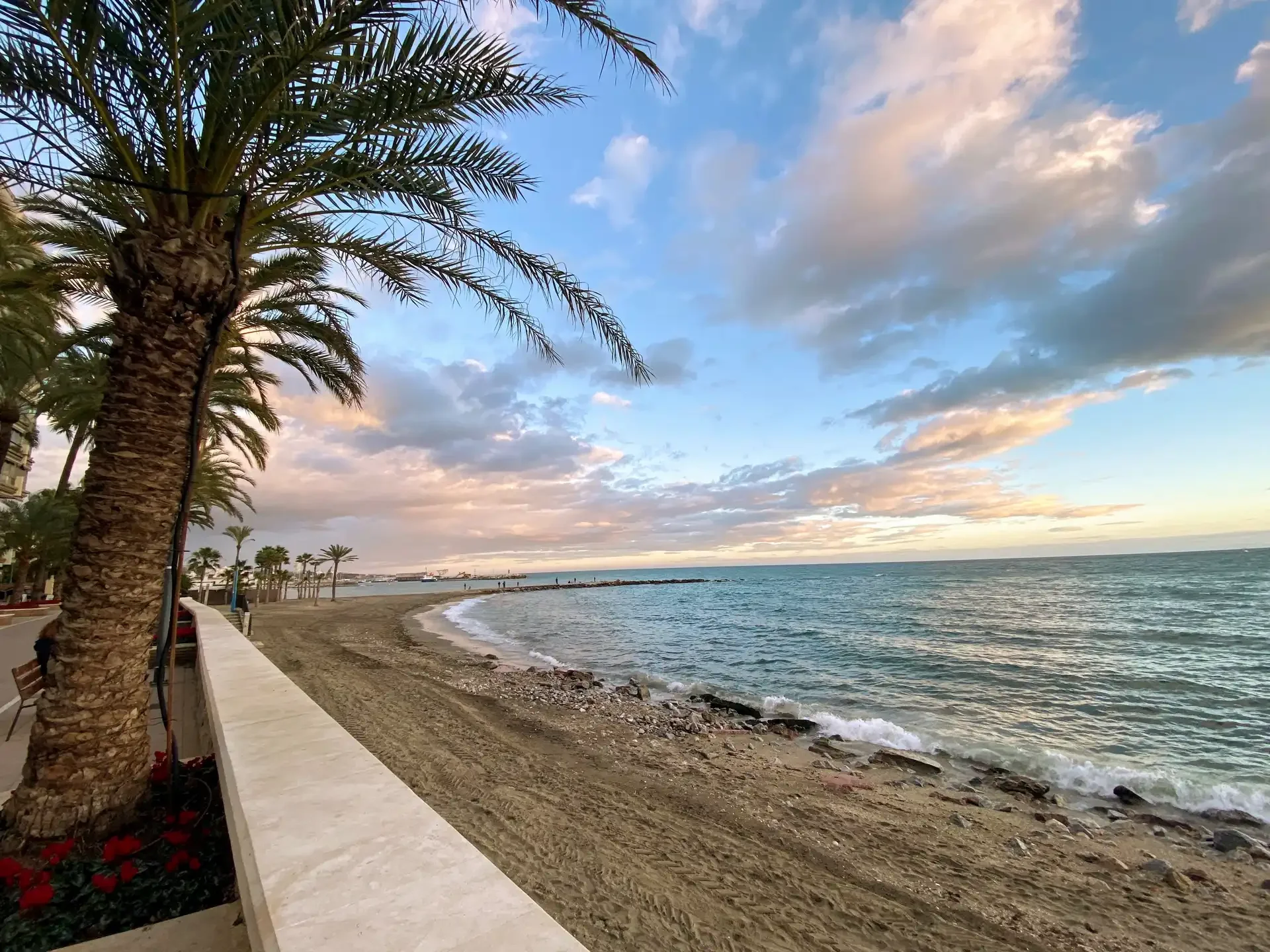
So, you’re thinking about retiring to the Costa del Sol? Great choice! To cut right to the chase: it’s absolutely possible and often a fantastic move for many. There are definite financial, lifestyle, and practical considerations, but for those seeking sunshine, a relaxed pace, and a vibrant expat community, it delivers.
Before diving into the nitty-gritty, it’s worth a moment to consider if this slice of paradise truly aligns with your retirement dreams. It’s not just about the beaches, though they are lovely.
The Appeal of the Costa del Sol
For years, the Costa del Sol has been a magnet for retirees from across Europe and beyond. Why?
- Climate: The obvious, but significant, draw. Over 320 days of sunshine a year make a huge difference to well-being, especially for those escaping colder climates. Mild winters mean more outdoor living.
- Cost of Living: Compared to many Northern European countries or some parts of the US, the cost of living, particularly for day-to-day expenses, can be lower. We’ll delve into specifics later.
- Infrastructure: It’s not just sleepy villages anymore. You’ll find modern hospitals, good road networks, reliable internet, and plenty of shopping and entertainment options.
- Accessibility: Málaga Airport is a major hub, offering frequent and affordable flights to most major European cities. This makes visits from family and friends, or trips back home, much easier.
- Expat Community: A huge, diverse expat community means you won’t feel completely isolated. There are clubs, groups, and support networks readily available.
- Lifestyle: There’s a strong emphasis on outdoor activities, socialising, and a generally more relaxed pace of life. Tapas, siestas, and paseos (strolls) become part of your daily rhythm.
Potential Downsides to Consider
No place is perfect, and it’s essential to have a balanced view.
- Language Barrier: While many people in tourist areas speak English, venturing off the beaten path or dealing with bureaucracy will require some Spanish. Learning even basic phrases is highly recommended.
- Bureaucracy: Spanish administrative processes can be slow, complex, and sometimes frustrating. Patience is a virtue here.
- Seasonal Crowds: During peak summer months (July & August), some coastal areas can get very busy and traffic can be an issue. If you prefer quiet, choose your location carefully.
- Healthcare Nuances: While Spain has excellent healthcare, understanding the system for expats, especially non-EU citizens, requires research.
- Cultural Differences: While generally welcoming, there will be cultural nuances to navigate. Things don’t always operate on the same schedule or with the same expectations as back home.
Navigating Residency and Visas
This is perhaps the most crucial practical step, especially post-Brexit for UK citizens. Don’t underestimate the time and effort involved.
For EU/EEA/Swiss Citizens
If you hold a passport from one of these countries, the process is considerably simpler. You have the right to live and work in Spain.
- NIE Number: This is your Número de Identificación de Extranjero (Foreigner’s Identification Number) and is essential for practically everything, opening a bank account, buying property, signing utility contracts, etc. Apply for this early.
- Residency Certificate (Certificado de Registro de Ciudadano de la UE): If you plan to stay for more than three months, you’ll need to register your residency. You’ll need proof of sufficient funds, comprehensive health insurance (if not working or receiving a state pension), and a place to live.
For Non-EU Citizens (e.g. UK, US, Canada, Australia)
The process is more involved and requires obtaining a visa before you move, typically from your home country.
- Non-Lucrative Visa (NLV): This is the most common route for retirees. It allows you to reside in Spain but prohibits you from engaging in any work activity. Key requirements include:
- Proof of Sufficient Funds: This is usually the most significant hurdle. You need to demonstrate you have sufficient regular income or savings to support yourself without working. The amount is tied to the IPREM (Public Multi-Purpose Income Indicator) and changes annually, but generally, it’s around 400% of the IPREM for the main applicant, plus additional percentages for dependants. For 2024, this roughly translates to €30,000-€35,000 per year for a single applicant. This needs to be in a Spanish bank account or accessible quickly.
- Comprehensive Private Health Insurance: This must be a Spanish-based, private health insurance policy that covers all medical expenses without co-payments or deductibles, similar to the Spanish public health system. A simple travel insurance policy won’t cut it.
- Clean Criminal Record: Police certificates from your home country and any other countries you’ve lived in for the past five years.
- Medical Certificate: Confirming you don’t suffer from any diseases that could have serious public health implications.
- Accommodation: Proof of where you will live (e.g. rental contract or property deed).
- Visa Application Process: You apply at the Spanish Consulate in your country of residence. The documentation required is extensive and meticulous. It’s highly advisable to use an immigration lawyer (gestor) specializing in Spanish visas to ensure everything is correct. This can save you a lot of stress and potential delays.
- Renewals: The NLV is typically issued for one year, then renewable for two-year periods, and eventually leading to long-term residency (after five years). Each renewal requires updated proof of funds, insurance, and continued adherence to the visa conditions.
Healthcare in the Sunshine
Understanding the healthcare system is vital for peace of mind in retirement. Spain has an excellent public health system, but access for expats varies.
Public Healthcare System (Sistema Nacional de Salud)
The Spanish public health system is generally very good, often ranked among the best in the world.
- Access for EU Citizens: If you are an EU citizen receiving a state pension from your home country, you can typically apply for an S1 form (or equivalent). This form entitles you to register with the Spanish public healthcare system, giving you the same rights as a Spanish citizen.
- Access for Non-EU Citizens:
- Initial NLV Requirement: As mentioned, you must have comprehensive private health insurance for your initial non-lucrative visa application and subsequent renewals until you qualify for public healthcare.
- After 5 Years (Long-Term Residency): Once you achieve long-term residency (after five years), you can typically register with the public health system, even if you don’t work, once you are over state pension age. This is a significant benefit.
- Paying into Social Security: If you were to become self-employed or salaried in Spain (which often isn’t the case for NLV holders), you would pay social security contributions and thus gain access to public healthcare.
- Convenio Especial: In some regions, there is an option called “Convenio Especial” for non-working, non-registered individuals to pay a monthly fee to access public healthcare services. Availability and terms vary by autonomous community.
Private Healthcare
Many expats, particularly those on an NLV, will use private healthcare.
- Comprehensive Coverage: Your private insurance policy needs to be truly comprehensive, covering hospital stays, specialists, and medication without significant out-of-pocket expenses.
- Advantages: Shorter waiting times, English-speaking doctors (often), and comfort of private rooms are often cited as benefits.
- Cost: Costs vary widely based on age, health, and coverage, but expect to pay from €50 to several hundred euros per month per person.
The Financial Side of Life in the Costa del Sol
Money matters, of course. Understanding the cost of living and financial planning is key to a comfortable retirement.
Cost of Living
Generally, the cost of living in the Costa del Sol can be lower than in many Northern European countries or the US, but this depends heavily on your lifestyle and location.
- Accommodation:
- Rent: A 1-2 bedroom apartment can range from €600-€1,200+ per month, depending heavily on the town, proximity to the beach, and amenities. Inland areas or smaller towns will be cheaper.
- Property Purchase: Property prices vary wildly. A small apartment can be bought for under €150,000 in some areas, while luxury villas will run into the millions. Factor in around 10-12% for purchase taxes and legal fees.
- Utilities: Electricity can be surprisingly expensive, especially with air conditioning or heating use. Water is generally reasonable. Internet and mobile phone plans are competitively priced (e.g. €30-€60/month for fibre optic internet).
- Groceries: Supermarket prices are generally comparable to, or slightly lower than, Northern Europe. Fresh local produce (fruit, vegetables, fish) is abundant and often very affordable at local markets.
- Eating Out: Expect to pay €10-€20 for a set “menu del día” lunch, or €15-€30+ per person for an evening meal at a mid-range restaurant. Tapas are a very affordable way to eat and socialise.
- Transport: Public transport (buses, Cercanías train service) is efficient and inexpensive in many areas. Fuel prices are similar to other European countries. Many expats opt for a car, especially if living outside major towns.
- Health Insurance: As discussed, this is a significant recurring cost if you’re not in the public system.
Pension and Tax Considerations
This is complex and highly recommended you seek professional advice.
- Double Taxation Agreements: Spain has double taxation agreements with many countries (e.g. UK, US). This broadly means you won’t pay tax on the same income in both countries, but where you pay it depends on the nature of the income and your residency status.
- UK State Pension: If you receive a UK state pension, it will generally be paid gross (without UK tax deducted) into your Spanish bank account. You will then declare and pay Spanish income tax on it.
- Private Pensions: The tax treatment of private pensions can be more complex and depends on the pension scheme and specific agreement between Spain and your home country.
- Wealth Tax: Spain has a wealth tax (Impuesto sobre el Patrimonio) which applies to net assets over a certain threshold. The threshold and rates vary by autonomous community. Andalucía (where the Costa del Sol is) has historically offered significant exemptions or even abolished it, but rules can change.
- Inheritance Tax: Spanish inheritance tax (Impuesto de Sucesiones y Donaciones) can be high, especially for non-direct relatives. Again, regional differences apply, and careful estate planning is crucial.
Self-sufficiency Financial Threshold: Remember the IPREM figures for the Non-Lucrative Visa. As of 2024, if you’re a single applicant, you’re looking at needing to prove income/savings of approximately €30,000-€35,000 per year. For a couple, it’s roughly double that. This is the minimum to qualify for the visa, not necessarily what you’ll comfortably live on.
Choosing Your Spot: Where to Settle?
The Costa del Sol is diverse. From bustling city life to quaint whitewashed villages, there’s a location for every preference.
Coastal Hubs vs. Tranquil Towns
Consider what kind of atmosphere suits you best.
- Malaga City: Not strictly a “retirement” town, but many retirees choose to live here. It’s a vibrant, cultural city with excellent infrastructure, hospitals, and transport links. Great for those who want city life, museums, and endless tapas bars.
- Fuengirola/Benalmádena/Torremolinos: These towns are classic Costa del Sol. They offer long promenades, beaches, plenty of amenities, and large, established expat communities. They can be very busy in summer but offer lots of facilities.
- Marbella/Estepona: Generally more upscale, with higher property prices and a more refined feel. Excellent restaurants, golf courses, and yachting. Estepona offers a beautiful old town and a slightly more Spanish feel than some of its neighbours.
- Nerja/Frigiliana (Eastern Costa del Sol): These areas offer stunning scenery, a slightly more ‘traditional’ Spanish charm, and a more relaxed pace. Nerja has beautiful beaches and caves, while Frigiliana is a stunning white village just inland. Often attract those seeking a quieter life but still with amenities.
- Inland Villages (e.g. Coin, Alhaurín el Grande, Mijas Pueblo): For those seeking a truly authentic Spanish experience, lower property prices, and a closer connection with local culture, these villages (often less than 30 minutes drive from the coast) can be ideal. You’ll need a car and a willingness to embrace Spanish life.
Key Factors for Location Choice
- Proximity to Amenities: How close do you want to be to shops, doctors, hospitals, and leisure activities?
- Transport Links: Do you rely on public transport, or will you have a car? How close is the airport?
- Expat Community: Do you want a large expat community for social support, or are you looking to immerse yourself completely in Spanish life?
- Noise Levels/Activity: Do you prefer quiet countryside or the buzz of a lively town?
- Budget: This will significantly influence where you can afford to live.
Getting Settled and Enjoying Life
The practicalities don’t end with visas and finances. Making the Costa del Sol feel like home involves a few more steps.
Learning the Language
While you can ‘get by’ with English in many areas, learning Spanish seriously enhances your experience.
- Immersion: Even a basic understanding makes daily life easier, ordering food, going to the doctor, dealing with tradespeople.
- Integration: It opens doors to local friendships, understanding the culture, and feeling truly at home.
- Classes and Apps: There are numerous language schools, tutors, and apps available. Commit to it!
Opening a Bank Account
You’ll need a Spanish bank account for rental payments, utilities, and receiving pensions.
- NIE Required: You’ll need your NIE number to open an account.
- Documentation: Expect to provide your passport, NIE, and proof of address. Sometimes proof of income or the source of your funds is also requested.
- Online Banking: Most Spanish banks offer good online banking services.
Driving in Spain
- EU Citizens: You can use your EU driving licence. It’s advisable to exchange it for a Spanish one once you are a resident to avoid potential issues.
- Non-EU Citizens: You can generally use your foreign driving licence for the first six months of residency. After that, you’ll need to exchange it for a Spanish one, or in some cases (like with the US or Canada), you may need to take a Spanish driving test. Check bilateral agreements carefully.
Social Life and Integration
Making friends and becoming part of the community is key to a happy retirement.
- Expat Groups: Search online (Facebook groups are popular) for expat clubs, activity groups, and social events in your area. There are groups for everything from walking and golf to bridge and book clubs.
- Local Activities: Embrace Spanish activities! Learn to dance flamenco, join a local hiking group, or volunteer.
- Café Culture: The Spanish café culture is a wonderful way to socialise. Spend time in local bars and cafes; you’ll soon find regulars and strike up conversations.
Dealing with Bureaucracy (The Gestor/Asesor)
This is a recurring theme, and for good reason. Spanish bureaucracy can be a minefield.
- What is a Gestor/Asesor? These are administrative consultants who specialize in navigating Spanish paperwork. They can help with everything from NIE applications and visa renewals to tax returns, car registration, and utility contracts.
- Investment, Not an Expense: While there’s a cost, using a reputable gestor can save you immense stress, time, and potentially costly mistakes. Many speak English and are invaluable resources.
Retiring to the Costa del Sol is an exciting adventure, offering a fantastic quality of life under the Mediterranean sun. It requires careful planning, patience with bureaucracy, and a willingness to embrace a new culture. But for those who make the leap, the rewards are often immeasurable. Do your homework, budget carefully, get good advice, and prepare for a vibrant, sunny chapter in your life.
FAQs
1. What is the cost of living in Costa del Sol for retirees?
The cost of living in Costa del Sol is relatively affordable for retirees. The average monthly expenses for a retired couple are estimated to be around $2,000 to $2,500, including rent, groceries, dining out, and entertainment.2. What are the healthcare options for retirees in Costa del Sol?
Costa del Sol has a well-developed healthcare system with both public and private healthcare facilities. Retirees can access quality medical care through the public healthcare system, which is available to residents who contribute to the Spanish social security system. Private health insurance is also widely available for those who prefer it.3. What are the visa requirements for retirees in Costa del Sol?
Retirees from the EU/EEA countries do not need a visa to live in Costa del Sol. For retirees from non-EU/EEA countries, a retirement visa or a non-lucrative visa is required to live in Spain. This visa requires proof of sufficient income and private health insurance.4. What are the popular activities for retirees in Costa del Sol?
Costa del Sol offers a wide range of activities for retirees, including golfing, hiking, beach activities, cultural events, and social clubs. The region’s pleasant climate and beautiful landscapes make it an ideal place for outdoor activities and relaxation.5. What are the housing options for retirees in Costa del Sol?
Retirees in Costa del Sol can choose from various housing options, including apartments, villas, and retirement communities. The region offers a mix of urban and coastal living, with many affordable and comfortable housing choices for retirees.More from Investment & Relocation

Costa del Sol Investment Guide
Costa del Sol investment guide: real estate yields, Golden Visa, Malaga tech, Andalusia tax breaks, Sotogrande and agribusiness opportunities for 2026…

Maximizing Returns: Marbella Property Investment
Thinking about putting your money into property in Marbella? Smart move. The Costa del Sol’s most glamorous stretch offers a compelling mix of l…

Exploring International Schools on the Costa del Sol
Thinking about an international school for your child on the Costa del Sol? It’s a big decision, and understandably so! The good news is, you…