Revitalize Your Mind and Body at Detox Retreats in Spain
Looking to hit the reset button and shake off that lingering fatigue? Detox retreats in Spain offer a fantastic way to do just that. If you’re feeling sluggish, stressed, or …
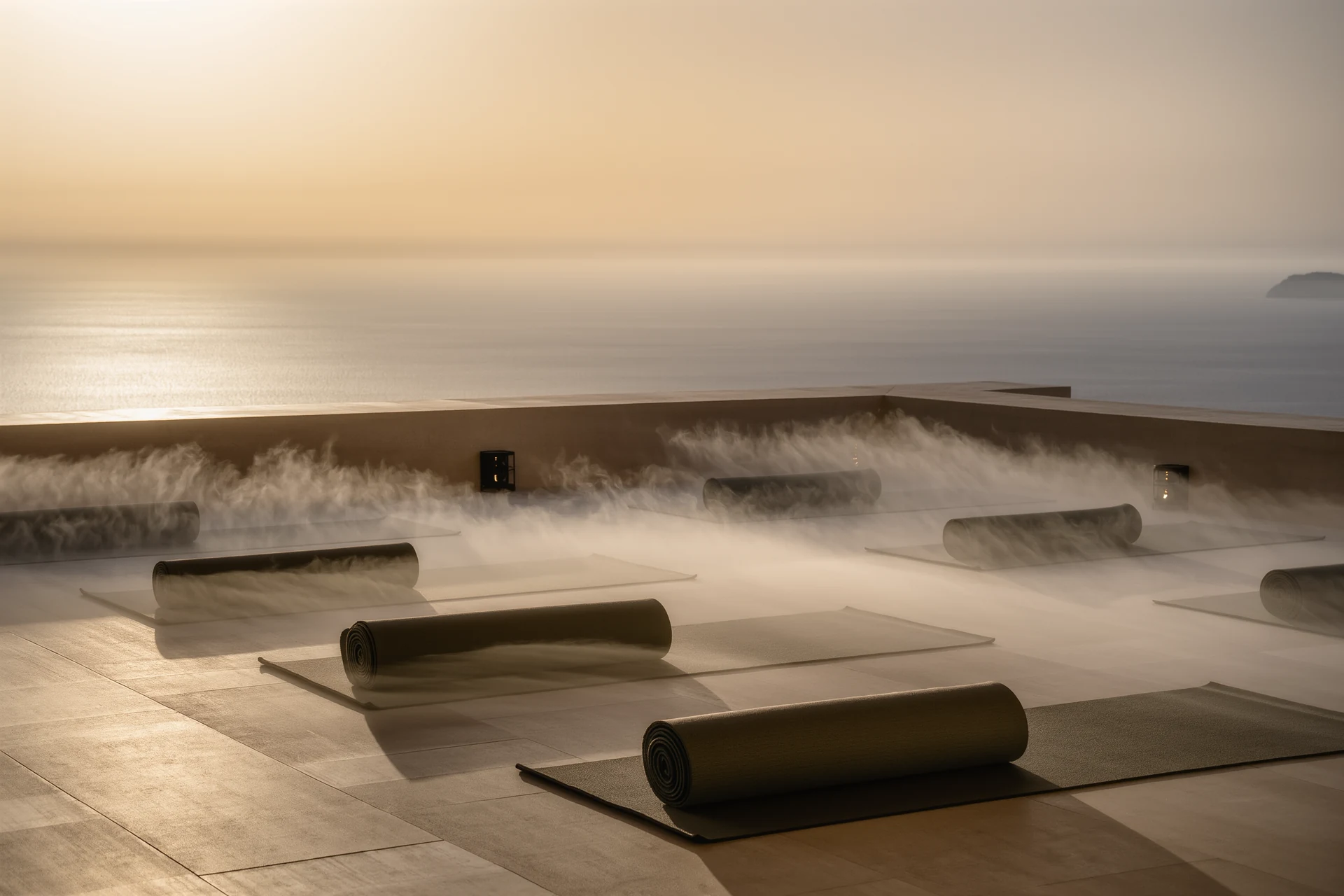
Looking to hit the reset button and shake off that lingering fatigue? Detox retreats in Spain offer a fantastic way to do just that. If you’re feeling sluggish, stressed, or just a bit out of sync, these retreats provide a guided experience to cleanse your system, nourish your body, and calm your mind. Think of it as a dedicated space to unplug, re-evaluate your habits, and learn new, healthier ways of living, all while soaking up some Spanish sunshine.
Spain isn’t just about sunshine and fiestas; it’s also become a hotspot for wellness. There are several reasons why it stands out for detox retreats:
Diverse Landscapes and Microclimates
From the serene Mediterranean coastlines to the tranquil mountains and the vibrant Andalusian countryside, Spain offers a stunning array of backdrops. This variety isn’t just nice to look at, it also means you can find a retreat setting that perfectly matches your desired atmosphere, whether you crave sea air, mountain quiet, or a more rustic, rural feel. Some retreats focus on specific regional benefits, like the healing properties of thermal waters in certain areas.
Focus on Natural and Organic Produce
The Spanish diet, particularly the Mediterranean diet, is globally renowned for its health benefits. Retreats here leverage this, often sourcing fresh, local, and organic produce for their detox programs. You’re not just getting bland, restrictive meals; you’re enjoying flavourful, nutrient-dense food prepared with care, often from ingredients grown on-site or nearby. This commitment to fresh, whole foods is a cornerstone of effective detoxification.
Rich History of Wellness and Spa Culture
Spain has a long tradition of appreciating natural springs and therapeutic waters. Roman baths and ancient wellness practices are woven into its history. This legacy means there’s a strong understanding of how water, heat, and natural remedies can aid in overall well-being. Many modern detox retreats incorporate elements of this heritage into their programs, from thermal pools to mud wraps.
Accessibility and Climate
For many, Spain’s accessibility from other parts of Europe and beyond is a huge plus. Combine that with its generally sunny climate, even in winter months, and you have an ideal environment for rejuvenation. Constant sunshine and fresh air can significantly boost mood and energy levels, making it easier to commit to the detox process.
What to Expect at a Spanish Detox Retreat
While each retreat will have its own unique flavour, there are common threads you can anticipate. It’s more than just a juice fast; it’s a holistic approach to wellness.
Tailored Detox Programs
Most reputable retreats don’t offer a one-size-fits-all approach. Upon arrival, you’ll likely have a consultation with a wellness specialist or naturopath. They’ll assess your individual needs, health goals, and any existing conditions to tailor a program specifically for you. This might involve different levels of detoxification, dietary adjustments, or specific therapies. These initial consultations are crucial for ensuring the program is both effective and safe.
Nutrition-Focused Meals and Juices
Food is central to any detox. Expect a diet centered around whole, unprocessed foods. This often includes:
Plant-Based Focus
Most detox programs lean heavily into plant-based eating. This means lots of fresh fruits, vegetables, legumes, nuts, and seeds. The aim is to flood your body with vitamins, minerals, and antioxidants while eliminating inflammatory foods.
Organic and Local Sourcing
As mentioned, emphasis is placed on organic, locally sourced ingredients. This not only supports local communities but also ensures you’re consuming food free from pesticides and chemicals, which is crucial for detoxification.
Juices and Smoothies
Freshly pressed juices and nutrient-dense smoothies are often a staple, especially in the initial phases of a detox. These provide concentrated doses of nutrients and allow your digestive system to rest and repair.
Herbal Teas and Infusions
Throughout the day, you’ll likely be offered a variety of herbal teas and infusions chosen for their detoxifying, calming, or digestive properties. Think dandelion for liver support, chamomile for relaxation, or peppermint for digestion.
Daily Movement and Exercise
Physical activity is an integral part of flushing toxins and improving overall health. You won’t be expected to run a marathon, but gentle, supportive movement is key.
Yoga and Pilates
These are almost universally offered. They improve flexibility, strength, balance, and aid in stress reduction. Different styles might be available, from restorative to more dynamic.
Guided Walks and Hikes
Utilizing Spain’s beautiful natural surroundings, guided walks or hikes are common. Whether it’s a brisk walk along the beach or a moderate hike in the mountains, these activities connect you with nature and boost your cardiovascular health.
Aqua Aerobics or Swimming
Many retreats with pools or proximity to the sea include water-based activities, which are low-impact and beneficial for joint health.
Holistic Therapies and Treatments
Beyond food and exercise, a range of complementary therapies are usually incorporated to support your detox.
Massages
Therapeutic massages, like deep tissue, Swedish, or lymphatic drainage, are incredibly beneficial. Lymphatic drainage, in particular, is excellent for stimulating the removal of toxins from the body.
Hydrotherapy
This can include different forms of water therapy: from therapeutic baths with essential oils to contrast showers or sessions in thermal pools. Hydrotherapy improves circulation and relaxation.
Colon Hydrotherapy (Optional)
Some retreats offer colon hydrotherapy as an optional treatment. This deep cleanse is believed by some to aid in the removal of accumulated waste from the large intestine, though it’s important to discuss its suitability with a professional.
Saunas and Steam Rooms
These are excellent for promoting sweating, which is a natural way for the body to expel toxins through the skin.
Mindfulness and Relaxation Techniques
Detox isn’t just physical; it’s mental and emotional too. Stress profoundly impacts our physical health.
Meditation Sessions
Guided meditation is a common offering, helping you to quiet the mind, reduce stress, and cultivate inner peace.
Breathwork
Learning proper breathing techniques can significantly impact your nervous system, promoting relaxation and aiding in detoxification.
Journaling Workshops
Sometimes, structured journaling sessions are offered to help you process thoughts and emotions, fostering self-awareness.
Digital Detox
Many retreats encourage or enforce a digital detox, asking participants to switch off phones and laptops. This unplugging allows for a deeper level of relaxation and connection with the present moment.
Choosing the Right Detox Retreat for You
With so many options, how do you pick the best one? It comes down to understanding your own needs and preferences.
Identify Your Goals and Budget
Before you start browsing, get clear on what you want to achieve. Are you looking for a gentle cleanse, deep detox, stress reduction, weight management, or help with specific health issues? Your budget will also play a significant role. Retreats can range from moderately priced to very luxurious.
Gentle Cleanse vs. Deep Detox
A gentle cleanse might involve a week of clean eating with some juicing. A deep detox could be more intensive, with longer periods of juicing, specific supplements, and more advanced therapies. Be realistic about what your body can handle.
Stress Reduction and Mental Clarity
If your primary goal is mental well-being, look for retreats with strong mindfulness programs, nature immersion, and therapies focused on relaxation.
Specific Health Concerns
If you have particular health issues, ensure the retreat has trained professionals who can safely accommodate or even support your condition. Always consult your doctor before embarking on a detox program, especially if you have underlying health problems.
Location and Environment
Think about the kind of environment that would best support your journey.
Coastal Retreats
If you find peace by the sea, a coastal retreat offers fresh sea air, opportunities for beach walks, and often seafood-centric clean eating options.
Mountain or Rural Retreats
For ultimate quiet and connection with nature, a mountain or countryside retreat might be ideal. These often offer scenic hikes and a serene atmosphere.
Retreats with Thermal Springs
If you’re interested in the therapeutic benefits of natural mineral waters, look for retreats located near or incorporating thermal springs.
Program Structure and Activities
Review the daily schedule and overall philosophy of the retreat.
Comprehensive vs. Flexible Schedules
Do you prefer a tightly structured program with every hour planned, or more free time to relax and explore? Some retreats are very intensive, others allow for more personal choice.
Types of Therapies Offered
Ensure the treatments and activities align with your interests. Do you want strong yoga emphasis, or more body treatments? Are you open to colon hydrotherapy or do you prefer to avoid it?
Educational Component
Many retreats offer workshops or talks on nutrition, mindfulness, or healthy living. If you want to leave with actionable knowledge, this is a great feature to look for.
Reviews and Reputation
Always do your homework. Read reviews from previous attendees on independent platforms. Look for consistency in positive feedback regarding:
Staff Professionalism and Support
Are the staff knowledgeable, caring, and supportive? This is crucial for a positive experience.
Quality of Food and Accommodation
Are the facilities clean and comfortable? Is the food delicious and well-prepared?
Effectiveness of the Program
Do people feel better and achieve their goals after attending?
Post-Retreat Support
Some retreats offer guidance for maintaining your healthy habits once you return home. This can be invaluable.
Practical Tips for Your Detox Retreat
To make the most of your time, a little preparation goes a long way.
Prepare Your Body Gradually
Don’t jump straight from a diet of processed foods and caffeine to a full detox. In the weeks leading up to your retreat:
Reduce Caffeine and Sugar
Gradually cut back on coffee, tea, sugary drinks, and refined sugars. This will lessen withdrawal symptoms like headaches during your retreat.
Increase Whole Foods
Start incorporating more fruits, vegetables, and whole grains into your diet. Reduce red meat and dairy.
Hydrate
Increase your water intake. This helps your body prepare for the cleansing process.
Pack Smart
Think comfort, practicality, and layers.
Comfortable Clothing
Loose, breathable clothing suitable for exercise, yoga, and relaxation is essential. Think activewear, loungewear, and pajamas.
Swimsuit
If there’s a pool, spa, or beach access, a swimsuit is a must.
Walking Shoes
Supportive shoes for walks and hikes are important.
Personal Toiletries
While some retreats provide amenities, bringing your preferred natural and unscented toiletries is a good idea, especially if you have sensitivities.
Journal and Pen
For reflection and capturing insights.
Book
For quiet downtime.
Embrace the Experience Fully
Once you’re there, let go and trust the process.
Be Open to New Experiences
Some of the therapies or foods might be new to you. Be curious and open-minded.
Listen to Your Body
Detox can bring various sensations: fatigue, headaches, emotional shifts. Listen to what your body needs and communicate with the staff. Rest when you need to.
Connect with Yourself (and others, if you wish)
Use this time for self-reflection. Many retreats are also great places to meet like-minded individuals, but respect your own need for solitude.
Disconnect from Technology
Truly commit to a digital detox. It allows for deeper presence and relaxation.
After the Retreat: Maintaining Your Glow
The retreat is a powerful start, but the real work happens when you integrate new habits back into your daily life.
Gradual Reintroduction of Foods
Don’t dive back into old eating habits. Your digestive system has been resting and is more sensitive.
Start Slow
Gradually reintroduce different food groups, paying attention to how your body reacts. Start with easily digestible, cooked foods.
Avoid Processed Foods, Sugar, and Alcohol
Try to extend the avoidance of these for as long as possible, or reintroduce them in very limited quantities.
Continue Hydrating
Keep up that water intake!
Incorporate New Habits
Identify the positive changes you made during your retreat and work on incorporating them long-term.
Daily Movement
Continue with a form of exercise you enjoyed, whether it’s yoga, walking, or another activity.
Mindfulness Practices
Try to dedicate even a few minutes each day to meditation or breathwork.
Mindful Eating
Pay attention to what and how you eat. Eat slowly, savor your food, and listen to your body’s hunger and fullness cues.
Seek Support
If you feel overwhelmed, don’t hesitate to seek support. This might be from the retreat’s post-program resources, a nutritionist, or a wellness coach.
In conclusion, a detox retreat in Spain offers a unique and effective way to rejuvenate your mind and body. With its stunning scenery, emphasis on fresh produce, and holistic approach to wellness, it provides the perfect setting to shed old habits and embrace a healthier, more vibrant you. By doing your research, preparing well, and fully engaging with the experience, you can ensure a transformative journey that extends long after you’ve returned home.
FAQs
What is a detox retreat in Spain?
A detox retreat in Spain is a program designed to help individuals cleanse their bodies from toxins, improve their overall health, and promote a sense of well-being. These retreats typically include a combination of healthy meals, exercise, spa treatments, and relaxation activities.What are the benefits of attending a detox retreat in Spain?
Some potential benefits of attending a detox retreat in Spain include weight loss, improved digestion, increased energy levels, reduced stress, clearer skin, and a renewed sense of mental clarity. These retreats can also provide an opportunity for individuals to learn about healthy eating habits and lifestyle choices.What can I expect during a detox retreat in Spain?
During a detox retreat in Spain, participants can expect to follow a structured program that includes a combination of activities such as yoga, meditation, hiking, spa treatments, and educational workshops on nutrition and wellness. The retreats often provide a supportive and peaceful environment for individuals to focus on their health and well-being.Are detox retreats in Spain suitable for everyone?
Detox retreats in Spain may not be suitable for everyone, especially those with certain medical conditions or dietary restrictions. It’s important for individuals to consult with a healthcare professional before attending a detox retreat, especially if they have any underlying health concerns.How can I find a reputable detox retreat in Spain?
To find a reputable detox retreat in Spain, individuals can research online, read reviews, and consider recommendations from friends or family members who have attended similar retreats. It’s important to choose a retreat that is led by qualified professionals and offers a program that aligns with individual health and wellness goals.More from Wellness Retreats
Costa del Sol Wellness Guide
Costa del Sol wellness guide: top spas, yoga retreats, Buchinger fasting, aesthetic clinics, thermal springs, and outdoor activities for a healthier e…

Escape to Wellness: Private Retreats in Spain
Feeling the need to hit the reset button? Maybe you’re dreaming of sunshine, peace, and a break from the everyday hustle. Spain, with its incred…
Beach Yoga: Finding Peace on the Costa del Sol
You’re wondering if beach yoga on the Costa del Sol is really a thing, and if it’s worth trying. The short answer is a resounding yes! It&…