Top Places to Live on the Costa del Sol
Thinking about moving to the Costa del Sol? The best place for you really depends on what you’re looking for. There isn’t a single “best” spot, as areas var…
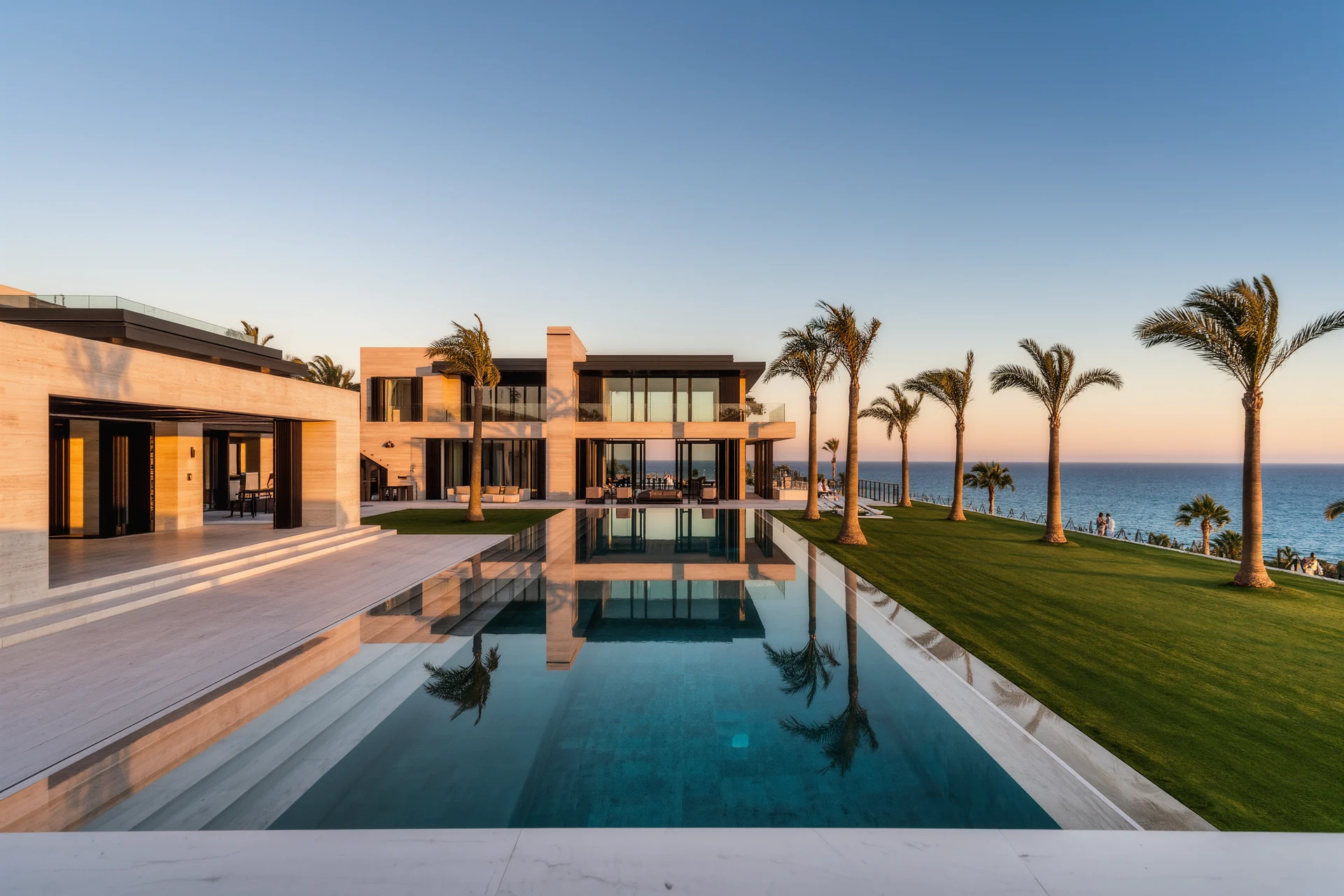
Thinking about moving to the Costa del Sol? The best place for you really depends on what you’re looking for. There isn’t a single “best” spot, as areas vary wildly in atmosphere, amenities, and cost. Some crave the buzz of Marbella, while others prefer the quiet charm of a white village. Understanding your priorities, whether that’s nightlife, family-friendliness, golf, or a more authentic Spanish experience, is key to narrowing down the perfect location. Let’s break down some of the top contenders.
Marbella often springs to mind when people think of the Costa del Sol, and for good reason. It’s known for its luxury, beautiful beaches, and a vibrant social scene. However, “Marbella” isn’t a monolithic entity; it encompasses a range of distinct areas, each with its own character.
Puerto Banús: The Jet Set Hub
If you’re after glitz, designer boutiques, superyachts, and high-end dining, Puerto Banús is your spot. It’s undeniably glamorous and a magnet for the wealthy. The nightlife is energetic, and there’s always something going on, especially in summer.
- Who it’s for: Those who thrive on luxury, nightlife, and don’t mind paying a premium for it. It’s less ideal for quiet family life or budget-conscious individuals.
- Pros: Unparalleled luxury, high-end shopping, fantastic dining, lively atmosphere, beautiful marina.
- Cons: Very expensive, can be crowded, less authentically Spanish in parts, noise levels can be high.
Nueva Andalucía: The Golf Valley
Just behind Puerto Banús, Nueva Andalucía offers a more residential feel while still being close to the action. It’s famous for its numerous golf courses, earning it the nickname “Golf Valley.” Here, you’ll find a mix of luxury villas and modern apartment complexes, often with stunning views.
- Who it’s for: Golf enthusiasts, families looking for spacious properties, and those who want a quieter base with easy access to Marbella and Puerto Banús.
- Pros: Excellent golf courses, good international schools nearby, beautiful residential areas, still close to amenities.
- Cons: Car is essential, can still be pricey, some areas lack a central “village” feel.
Marbella Old Town (Casco Antiguo): Authentic Charm
Step away from the marinas and golf courses, and you find Marbella Old Town, a delightful maze of narrow, cobbled streets, orange trees, and historic buildings. It’s packed with charming boutiques, traditional tapas bars, and quaint squares. It offers a more authentic Spanish experience.
- Who it’s for: Those who appreciate history, traditional Spanish atmosphere, and being able to walk everywhere. It’s ideal for couples or individuals who prefer charm over glitz.
- Pros: Beautiful historic setting, pedestrian-friendly, great tapas and local restaurants, vibrant but less “party” atmosphere than Banús.
- Cons: Property can be small and charmingly old (which might mean maintenance), not much parking, can be busy with tourists.
Golden Mile: Prestigious Coastal Living
Connecting Marbella town to Puerto Banús, the Golden Mile lives up to its name. This stretch of coastline is home to some of the most exclusive properties on the Costa del Sol, including grand villas and prestigious hotels like the Puente Romano and Marbella Club.
- Who it’s for: The seriously affluent who desire beachfront or sea-view properties, ultimate privacy, and access to top-tier amenities.
- Pros: Prime location, incredible properties, exclusive resorts, beautiful beaches.
- Cons: Extremely expensive, mostly residential with fewer shops/restaurants directly on the strip, can feel isolated without a car in some parts.
Estepona: The Garden of the Costa del Sol
Estepona, west of Marbella, has undergone a significant transformation in recent years. It has successfully maintained its traditional Andalusian charm while developing excellent modern infrastructure. It’s often referred to as “The Garden of the Costa del Sol” due to its beautifully flowered streets and public spaces.
Estepona Old Town: Authentic and Lively
The old town of Estepona is undeniably pretty, with its white-washed buildings, colorful flower pots cascading from balconies, and lively squares. It feels genuinely Spanish and is a pleasure to wander through. There’s a strong community feel.
- Who it’s for: Families, retirees, and anyone looking for a more authentic Spanish experience without sacrificing modern comforts. It’s also increasingly popular with remote workers.
- Pros: Beautifully maintained old town, great beaches, excellent local amenities, more affordable than Marbella, very family-friendly, good range of restaurants.
- Cons: Can get very busy with tourists in summer, not as much high-end luxury if that’s what you crave, some areas are still developing.
New Golden Mile (Estepona East): Contemporary Living
The stretch of coastline immediately east of Estepona, often called the “New Golden Mile,” offers modern apartment complexes, luxury villas, and a more contemporary living experience. It’s popular with those seeking new builds and direct beach access.
- Who it’s for: Buyers looking for modern properties, often with sea views and resort-style amenities (pools, gyms). It’s quieter than the main towns.
- Pros: New developments, often with good shared facilities, direct beach access, generally quieter environment.
- Cons: Can lack a central “heart,” car dependent, can feel a bit soulless in some of the newer developments.
Marina Area: Bustling Hub
Estepona’s marina is a lively spot with a good selection of bars, restaurants, and a Sunday market. It’s a popular place for an evening stroll or a meal.
- Who it’s for: Those who enjoy being close to the water, a selection of restaurants, and a bit of evening buzz.
- Pros: Good restaurant choices, nice atmosphere, convenient for boat owners, pleasant walk to the old town.
- Cons: Can be touristy, some restaurants are not the best value.
Benalmadena: Family Fun and British Expat Hub
Benalmadena is a diverse municipality, known for its family-friendly attractions, lively marina, and a significant British expatriate community. It offers a wide range of properties and activities.
Benalmadena Pueblo: Traditional Charm at Altitude
Perched on a hill overlooking the coast, Benalmadena Pueblo is the traditional white village heart of the municipality. It retains much of its Andalusian character with narrow streets, pretty squares, and stunning views.
- Who it’s for: Those seeking a more authentic, quieter Spanish village life, but with easy access to the coast’s amenities. Retirees and people looking for a community often choose the Pueblo.
- Pros: Quaint and charming, stunning views, good local restaurants, strong community feel, generally quieter than the coast.
- Cons: Hillside location means walking can be strenuous, car often needed for coastal trips, less direct access to beaches.
Benalmadena Costa: Beachfront Action
This is the resort area, stretching along the coastline. It’s home to Benalmadena Marina (Puerto Marina), which is a lively and award-winning port with restaurants, shops, and nightlife. The area also boasts numerous beaches, family attractions like Selwo Marina, and Tivoli World (currently closed, but historically a big draw).
- Who it’s for: Families with children, those who enjoy lively holidays, and expats looking for a strong English-speaking community and familiar amenities.
- Pros: Excellent beaches, family-friendly attractions, vibrant marina, good public transport links, plenty of established expat services.
- Cons: Can feel very touristy, especially in summer; can be loud; less “authentically Spanish” in many parts; traffic can be an issue.
Arroyo de la Miel: Residential Heart
Located inland from Benalmadena Costa, Arroyo de la Miel is more of a local residential and commercial hub. It has a good train station connecting to Malaga airport and city centre, and a wide array of shops, supermarkets, and services.
- Who it’s for: Those who want good amenities and transport links, a less overtly touristy feel, and possibly more affordable prices than the immediate beachfront.
- Pros: Excellent transport (train station), good local shops and services, more residential feel, often better value property.
- Cons: Not on the beach, can be busy with local traffic, lacks the charm of the Pueblo or the coastal views.
Fuengirola: Bustling and British-Friendly
Fuengirola is a popular choice for families and many British expats due to its 7km of sandy beaches, established infrastructure, and a relatively flat promenade ideal for walking. It’s a lively town with a strong local and international community.
Fuengirola Centre and Promenade: Everything at Hand
The centre of Fuengirola is bustling, with a wide array of shops, restaurants, and bars. The long promenade (Paseo Marítimo) is the heart of the town, perfect for walks, cycling, and accessing the numerous beach chiringuitos.
- Who it’s for: Families, retirees, and anyone who wants all amenities within walking distance and a very established expat community.
- Pros: Great beaches, excellent public transport (train to Malaga/airport), large selection of shops and restaurants, very flat and walkable, strong expat community.
- Cons: Can feel very touristy and built-up, particularly in summer; some areas are quite noisy; parking can be a challenge.
Los Boliches: A Quieter Corner
Just east of the main centre, Los Boliches offers a slightly more residential and laid-back atmosphere. It still has its own train station, shops, and restaurants, but feels a little more authentically Spanish than the central tourist strip.
- Who it’s for: Those who like the amenities of Fuengirola but prefer a slightly quieter, more neighbourhood feel.
- Pros: Good amenities, train station, slightly more relaxed atmosphere, still very close to the main town.
- Cons: Still very much part of the urban sprawl, can be busy in peak season.
Sohail Castle Area: History and Views
To the west, near the mouth of the Fuengirola River, lies the Sohail Castle. This area offers some beautiful views and is a little less developed than the central areas. It’s a key historical landmark and hosts concerts and events.
- Who it’s for: People interested in history, wanting a slightly more open feel, and enjoying outdoor events.
- Pros: Historic site, often hosts events, lovely views, generally less dense development.
- Cons: Further from central amenities, can be hilly in parts, can get crowded during events.
Mijas (Pueblo and Costa): Contrasting Lifestyles
Mijas offers a fascinating contrast: the stunning white village of Mijas Pueblo perched in the mountains, and the more resort-oriented Mijas Costa along the shoreline.
Mijas Pueblo: The White Village Dream
Mijas Pueblo is one of the most famous “white villages” of Andalusia. It’s incredibly picturesque, with donkey taxis, narrow streets, and breathtaking panoramic views of the coastline. It has a magical, timeless quality.
- Who it’s for: Those seeking traditional Spanish charm, stunning views, a slower pace of life, and a strong sense of community. It’s popular with artists, writers, and retirees.
- Pros: Extremely charming, incredible views, quiet and peaceful, strong community, unique atmosphere.
- Cons: Very touristy during the day, can be hilly, a car is essential for getting down to the coast and amenities, limited nightlife.
Mijas Costa: Residential and Relaxed Beaches
Mijas Costa stretches for many kilometres along the coast and is much more spread out than other towns. It includes areas like Calahonda, La Cala de Mijas, and Riviera del Sol. It’s largely residential, with a mix of villas, townhouses, and apartment complexes, often with good golf facilities.
- Who it’s for: Families, golf players, and those looking for a quieter, more spread-out residential area with good facilities and diverse property options. La Cala de Mijas offers a good mix of village and beach life.
- Pros: Good range of properties, often better value than Marbella, excellent beaches (especially La Cala), numerous golf courses, good international schools.
- Cons: Very spread out, generally requires a car, can lack a single central “heart” in some areas, some parts can feel like a collection of urbanisations.
La Cala de Mijas: Coastal Village Life
La Cala de Mijas is a standout within Mijas Costa. It’s a thriving, originally fishing village that has grown into a popular, well-serviced coastal town. It offers a fantastic beach, excellent restaurants, and a lively atmosphere without being as overtly touristy as some larger resorts.
- Who it’s for: People who want beach life combined with a village atmosphere, good amenities, and a growing community feel. It’s popular with both expats and Spanish families.
- Pros: Beautiful beach, good restaurants, pleasant promenade, friendly atmosphere, good amenities without being overly commercial.
- Cons: Can be busy in summer, property prices are rising.
Other Notable Mentions
While the above covers the main contenders, a few other places are worth considering depending on your specific needs.
Torremolinos: The Original Resort, Rejuvenated
Once the poster child for mass tourism, Torremolinos has undergone a significant facelift. It has invested heavily in its public spaces, beaches, and infrastructure. It’s now much more appealing, offering a lively, inclusive atmosphere, especially for the LGBTQ+ community.
- Who it’s for: Those who enjoy a lively, diverse atmosphere, good beaches, and excellent transport links (close to Malaga airport and city). It’s generally more affordable than its western neighbours.
- Pros: Beautifully renovated promenade, excellent beaches, diverse and inclusive, very good transport links, good nightlife, generally more affordable.
- Cons: Can still feel very touristy, some areas lack traditional charm, can be noisy.
Nerja: East of Malaga, Authentic and Scenic
Moving east of Malaga, Nerja offers a different vibe entirely. It’s famous for its Balcón de Europa viewpoint, stunning caves, and charming coves rather than long, sandy beaches. It feels more authentically Spanish and less overtly “expat-centric” than some western Costa del Sol towns.
- Who it’s for: Those seeking a picturesque, authentic Spanish town with natural beauty, charming coves, and a more laid-back atmosphere. It’s popular with independent travellers and those seeking a quieter life.
- Pros: Stunning scenery, beautiful caves, authentic Spanish feel, charming old town, generally calmer atmosphere.
- Cons: Further from Malaga airport (around an hour drive), fewer large sandy beaches, can be very busy with tourists in peak season, less high-end luxury if that’s what you want.
Malaga City: Urban Spanish Living
While not a typical “Costa del Sol beach resort,” Malaga city itself is a fantastic place to live. It offers all the benefits of a major city, culture, art (Picasso Museum, Carmen Thyssen), excellent dining, vibrant nightlife, and superb shopping, along with its own fantastic city beaches. It’s increasingly popular for those wanting an urban, cultural life by the sea.
- Who it’s for: Culture vultures, foodies, those who want an urban lifestyle with easy access to beaches, singles, couples, and remote workers.
- Pros: Fantastic culture and art scene, incredible food, vibrant nightlife, excellent transport hub (airport, high-speed rail), city beaches, year-round life.
- Cons: Can be very busy and noisy, parking is a nightmare, property can be expensive in desirable central areas, less of a “resort” feel.
Choosing the right place on the Costa del Sol truly comes down to your personal preferences and lifestyle. Whether you want the international buzz of Marbella, the family-friendly vibe of Estepona, or the authentic charm of a white village, there’s a spot waiting for you. It’s often worth renting for a few months in a couple of different areas before making a permanent decision.
FAQs
What is the Costa del Sol known for?
The Costa del Sol, located in the southern region of Spain, is known for its beautiful Mediterranean coastline, stunning beaches, and year-round sunny weather. It is a popular tourist destination and a sought-after place to live for expatriates.What are some of the best places to live on the Costa del Sol?
Some of the best places to live on the Costa del Sol include Marbella, Estepona, Benalmádena, Mijas, and Fuengirola. These areas offer a mix of beautiful beaches, vibrant nightlife, excellent dining options, and a range of cultural and recreational activities.What are the housing options like on the Costa del Sol?
The Costa del Sol offers a wide range of housing options, including luxury villas, beachfront apartments, townhouses, and traditional Spanish-style homes. There are also gated communities and golf resorts that cater to different preferences and budgets.What is the cost of living on the Costa del Sol?
The cost of living on the Costa del Sol can vary depending on the specific location and lifestyle choices. Generally, the cost of living is lower than in many other European countries, with affordable dining, entertainment, and healthcare options.What amenities and services are available on the Costa del Sol?
The Costa del Sol offers a wide range of amenities and services, including international schools, healthcare facilities, shopping centers, golf courses, sports clubs, and a vibrant nightlife. There are also excellent transportation links, including airports and highways, making it easy to travel within the region and beyond.More from Investment & Relocation

Costa del Sol Investment Guide
Costa del Sol investment guide: real estate yields, Golden Visa, Malaga tech, Andalusia tax breaks, Sotogrande and agribusiness opportunities for 2026…

Maximizing Returns: Marbella Property Investment
Thinking about putting your money into property in Marbella? Smart move. The Costa del Sol’s most glamorous stretch offers a compelling mix of l…

Exploring International Schools on the Costa del Sol
Thinking about an international school for your child on the Costa del Sol? It’s a big decision, and understandably so! The good news is, you…