Ultimate Costa del Sol Expat Guide: Everything You Need to Know
So, you’re thinking about moving to the Costa del Sol? Great choice! Many people dream of sunny beaches and relaxed living, and this part of Spain really delivers. This guide…
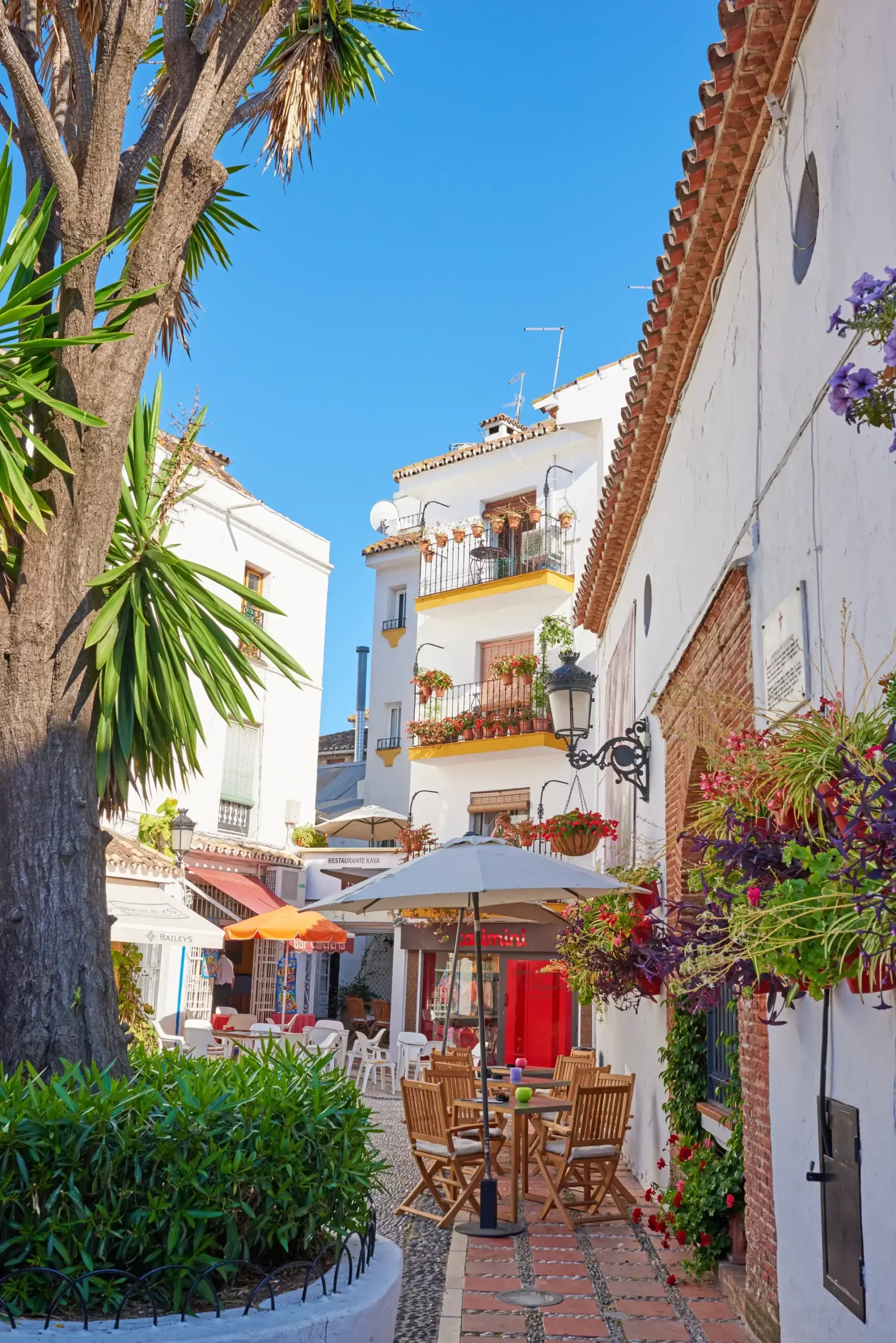
So, you’re thinking about moving to the Costa del Sol? Great choice! Many people dream of sunny beaches and relaxed living, and this part of Spain really delivers. This guide will help you navigate the ins and outs of making that dream a reality, offering practical advice you’ll need as an expat. We’ll cover everything from getting your paperwork in order to finding a home and settling into the local lifestyle.
Sorting out your legal status is probably the least glamorous part of moving abroad, but it’s essential. Get this right, and everything else becomes much smoother.
Residency Requirements
For EU citizens, the process is relatively straightforward. You’ll need to register as a resident if you plan to stay longer than three months. This involves obtaining your NIE (Número de Identificación de Extranjero), which is your foreign identification number, and then applying for your residency certificate.
For non-EU citizens, things are a bit more complex. You’ll likely need a visa beforehand, such as a non-lucrative visa (if you’re not planning to work) or a work visa. The requirements for these can vary, so it’s always best to check with the Spanish consulate in your home country well in advance of your move. Be prepared to provide proof of financial means, comprehensive health insurance, and a clean criminal record. Once you arrive, you’ll then apply for your TIE (Tarjeta de Identidad de Extranjero), which is your physical residency card.
Understanding the NIE
The NIE is your golden ticket for pretty much everything in Spain. You can’t open a bank account, buy a car, sign a phone contract, or even rent a long-term property without it. You can apply for this at a police station (Comisaría de Policía de Extranjería) in Spain, or sometimes at a Spanish consulate in your home country. Be prepared for queues and paperwork, an early start is always recommended. It’s also worth considering hiring a gestor (a professional administrative assistant) to help with this and other bureaucratic tasks. They can save you a lot of time and frustration, especially if your Spanish isn’t fluent yet.
Healthcare in Spain
Spain boasts an excellent public healthcare system. If you’re working and paying social security contributions, or are a registered resident pensioner from an EU country, you’ll generally be covered. You’ll need to register with your local health centre and get a health card (tarjeta sanitaria).
If you’re not eligible for public healthcare, or simply prefer more options, private health insurance is readily available and often quite affordable. Many expats opt for a combination, using public healthcare for routine matters and private for specific treatments or faster access. Do your research on different providers and their coverage before committing.
Finding Your Perfect Spot: Location, Location, Location
The Costa del Sol is a long stretch of coastline, and it offers a surprising variety of environments. What’s right for one person might not be for another.
Popular Expat Hotspots
- Malaga City: If you enjoy city life, culture, and a vibrant atmosphere, Malaga is a fantastic choice. It’s a proper working city, not just a tourist resort, with a beautiful old town, museums, great food, and excellent transport links. You’ll find a good mix of locals and expats here.
- Marbella: Known for its glamour and designer boutiques, Marbella offers a more luxurious lifestyle. It has beautiful beaches, world-class golf courses, and a thriving social scene, particularly around Puerto Banús. It can be pricier, but if you’re looking for high-end living, this is your spot.
- Fuengirola: A popular, established expat town with a long promenade, sandy beaches, and amenities tailored to international residents. It’s generally more affordable than Marbella and has a very friendly, community feel. Great for families and those looking for a lively but not overly flashy environment.
- Estepona: Often referred to as the “Garden of the Costa del Sol,” Estepona has maintained more of its traditional Andalusian charm. It’s less developed than some of its neighbours, with a beautiful old town, flower-lined streets, and a more relaxed pace. Good for those seeking a quieter, more authentic Spanish experience while still having access to modern conveniences.
- Nerja: Further east, Nerja is famous for its stunning caves and the Balcón de Europa. It’s a picturesque town with white-washed houses and a more laid-back vibe. It attracts a mix of tourists and expats who appreciate its natural beauty and slower pace of life.
Renting vs. Buying
When you first arrive, renting is almost always the sensible option. It gives you flexibility and time to explore different areas before committing to a purchase. Rental prices vary significantly depending on the location, size, and amenities. A two-bedroom apartment can range from €600 in smaller towns to €1,500+ in prime Marbella locations.
If you plan to buy, it’s crucial to understand the Spanish property market. Engage a reputable real estate agent and a lawyer who specialises in property law. There are various taxes and fees associated with buying property in Spain (e.g. IVA or ITP, stamp duty, notary fees), which can add a significant percentage to the purchase price. Don’t underestimate these costs.
Money Matters: Banking, Taxes, and Cost of Living
Managing your finances effectively is key to a smooth transition. Spain has a different financial landscape than many other countries.
Opening a Bank Account
You’ll need your NIE to open a non-resident bank account initially. Once you become a resident, you can convert it to a resident account, which often comes with lower fees. Major Spanish banks like Santander, BBVA, and CaixaBank are good options, but there are also online-only banks that can be more convenient for international transfers. Expect to provide a form of ID (passport), your NIE, and sometimes proof of address or income.
Understanding Spanish Taxes
Spain has a progressive tax system. If you’re a resident, you’ll be taxed on your worldwide income. Non-residents are taxed only on income sourced in Spain. Income tax (IRPF) rates can be quite high, so it’s important to factor this into your financial planning.
There’s also wealth tax (Impuesto sobre el Patrimonio) in some regions, and inheritance tax (Impuesto sobre Sucesiones y Donaciones). Engaging a local tax advisor (asesor fiscal) is highly recommended. They can help you understand your obligations, ensure you’re compliant, and potentially identify ways to optimise your tax situation. Double taxation agreements exist between Spain and many countries, which can prevent you from being taxed twice on the same income.
Cost of Living on the Costa del Sol
Generally, the cost of living on the Costa del Sol is lower than in many Western European or North American countries, though this can vary.
- Groceries: Supermarkets like Mercadona, Lidl, and Carrefour offer good value. Fresh produce, especially local fruits and vegetables, is often very affordable.
- Eating Out: You can find excellent value in local tapas bars (tapas can range from €2-€5), or choose more upscale dining. A menú del día (lunch menu) is typically fantastic value, offering 2-3 courses for around €10-€15.
- Utilities: Electricity can be surprisingly expensive, especially in summer with air conditioning. Water and internet are usually more reasonable. Expect to pay around €80-€150 per month for electricity, €20-€40 for water, and €30-€50 for fibre optic internet.
- Transport: Public transport (buses, local trains) is efficient and affordable in and around Malaga. Owning a car gives you more freedom to explore, but fuel prices are similar to much of Europe.
- Overall: Excluding rent, a single person might spend around €800-€1,200 per month, while a couple could comfortably live on €1,500-€2,000, depending on lifestyle choices.
Embracing the Lifestyle: Culture, Language, and Daily Life
One of the biggest joys of living abroad is immersing yourself in a new culture. The Costa del Sol offers a rich and vibrant lifestyle.
Learning Spanish
While many people in tourist areas speak some English, making an effort to learn Spanish will significantly enhance your experience. Locals appreciate the effort, and it opens up a whole new world of interactions. There are numerous language schools, private tutors, and online resources available. Even learning a few key phrases will help you navigate daily life and build connections.
Siestas and Socialising
The siesta tradition, while not as prevalent in big cities, still influences the rhythm of life in smaller towns. Shops might close in the afternoon and reopen later in the evening. Mealtimes are also different; lunch is typically around 2-3 pm, and dinner rarely starts before 9 pm.
Socialising is a cornerstone of Spanish culture. Tapas culture, evening strolls (paseos), and long, leisurely meals are common. Don’t be surprised if neighbours drop by for a chat, or if a quick coffee turns into a two-hour conversation. Embrace the slower pace and the emphasis on human connection.
Fiestas and Traditions
Spain is famous for its fiestas, and the Costa del Sol is no exception. Almost every town and village has its patron saint day celebrations (ferias), which involve parades, music, dancing, and of course, plenty of food and drink. Holy Week (Semana Santa) is a particularly significant and moving experience to witness. These traditions are deeply ingrained in the culture and offer a fantastic opportunity to experience authentic Spanish life.
Joining Expat Groups
There are many expat communities on the Costa del Sol. Social media groups (Facebook is particularly popular), local clubs, and meet-ups are great ways to connect with fellow expats, share experiences, and get advice. This can be invaluable for feeling settled and building a support network, especially in your first few months.
Practicalities of Everyday Life
Once the initial excitement wears off, you’ll need to figure out how to manage daily tasks.
Driving and Transport
If you plan to drive, you’ll need to sort out your driving licence. For EU licence holders, it’s generally valid, but you may need to register it with the DGT (Dirección General de Tráfico) and an exchange for a Spanish one is advisable. For non-EU licence holders, you may need an international driving permit initially, and then you’ll typically have a limited period (e.g. six months) to exchange your licence for a Spanish one, if an agreement exists, or take a Spanish driving test.
Public transport between towns along the coast is decent, with regular bus services. The Cercanías train line connects Malaga city to Fuengirola, passing through the airport and other major coastal towns. Taxis and ride-sharing apps are also readily available.
Utilities and Internet
Setting up utilities can be a bit of a bureaucratic maze. If you’re renting, your landlord might already have these in place or can help you set them up. Otherwise, you’ll need to contact electricity, water, and internet providers. Companies like Endesa (electricity), Acosol (water, though this varies by municipality), and Movistar, Vodafone, Orange (internet/mobile) are common. Be prepared for some paperwork and potentially a waiting period for installation. Fibre optic internet is widely available and generally reliable.
Shopping and Services
You’ll find large supermarkets, smaller local shops, and open-air markets. Markets are great for fresh produce, cheese, and sometimes clothing or household items. Most major towns also have shopping centres with international brands.
For other services, like hairdressers or mechanics, it’s often best to ask for local recommendations. Word-of-mouth is still a powerful tool in Spain, and you’ll often find better value and service this way.
Moving to the Costa del Sol is an exciting adventure, and while there are practical challenges, the rewards of a relaxed lifestyle, beautiful scenery, and vibrant culture often outweigh them. Take your time, be patient with the bureaucracy, embrace the local way of life, and don’t be afraid to ask for help. ¡Buena suerte!
FAQs
What is the Costa del Sol expat guide?
The Costa del Sol expat guide is a comprehensive resource for expatriates living in or considering moving to the Costa del Sol region in southern Spain. It provides information on various aspects of expat life, including housing, healthcare, education, and leisure activities.What kind of information can I find in the Costa del Sol expat guide?
The guide offers practical advice on topics such as finding accommodation, navigating the healthcare system, enrolling children in schools, and exploring the local culture and leisure opportunities. It also includes insights into the cost of living, local customs, and legal requirements for expats.Is the Costa del Sol expat guide only for new expatriates?
No, the guide is designed to be useful for both new and established expatriates in the Costa del Sol region. It provides valuable information for those who are considering a move to the area as well as for those who have already made the transition and are looking to further integrate into the local community.Where can I access the Costa del Sol expat guide?
The Costa del Sol expat guide is available online through various expat websites, forums, and social media groups dedicated to expatriate life in Spain. It may also be distributed by local expat organizations, real estate agencies, and relocation services in the Costa del Sol region.Is the information in the Costa del Sol expat guide up to date?
The guide is regularly updated to ensure that the information provided is current and relevant to the expat community in the Costa del Sol. However, expatriates are encouraged to verify specific details, such as visa requirements or healthcare regulations, with official sources or professional advisors.More from Investment & Relocation

Costa del Sol Investment Guide
Costa del Sol investment guide: real estate yields, Golden Visa, Malaga tech, Andalusia tax breaks, Sotogrande and agribusiness opportunities for 2026…

Maximizing Returns: Marbella Property Investment
Thinking about putting your money into property in Marbella? Smart move. The Costa del Sol’s most glamorous stretch offers a compelling mix of l…

Exploring International Schools on the Costa del Sol
Thinking about an international school for your child on the Costa del Sol? It’s a big decision, and understandably so! The good news is, you…