Unlocking the Costa del Sol Lifestyle Investment
Thinking about investing in the Costa del Sol? It’s a question many consider, and the short answer is: yes, it can be a really smart move, but it’s not quite as simple as jus…
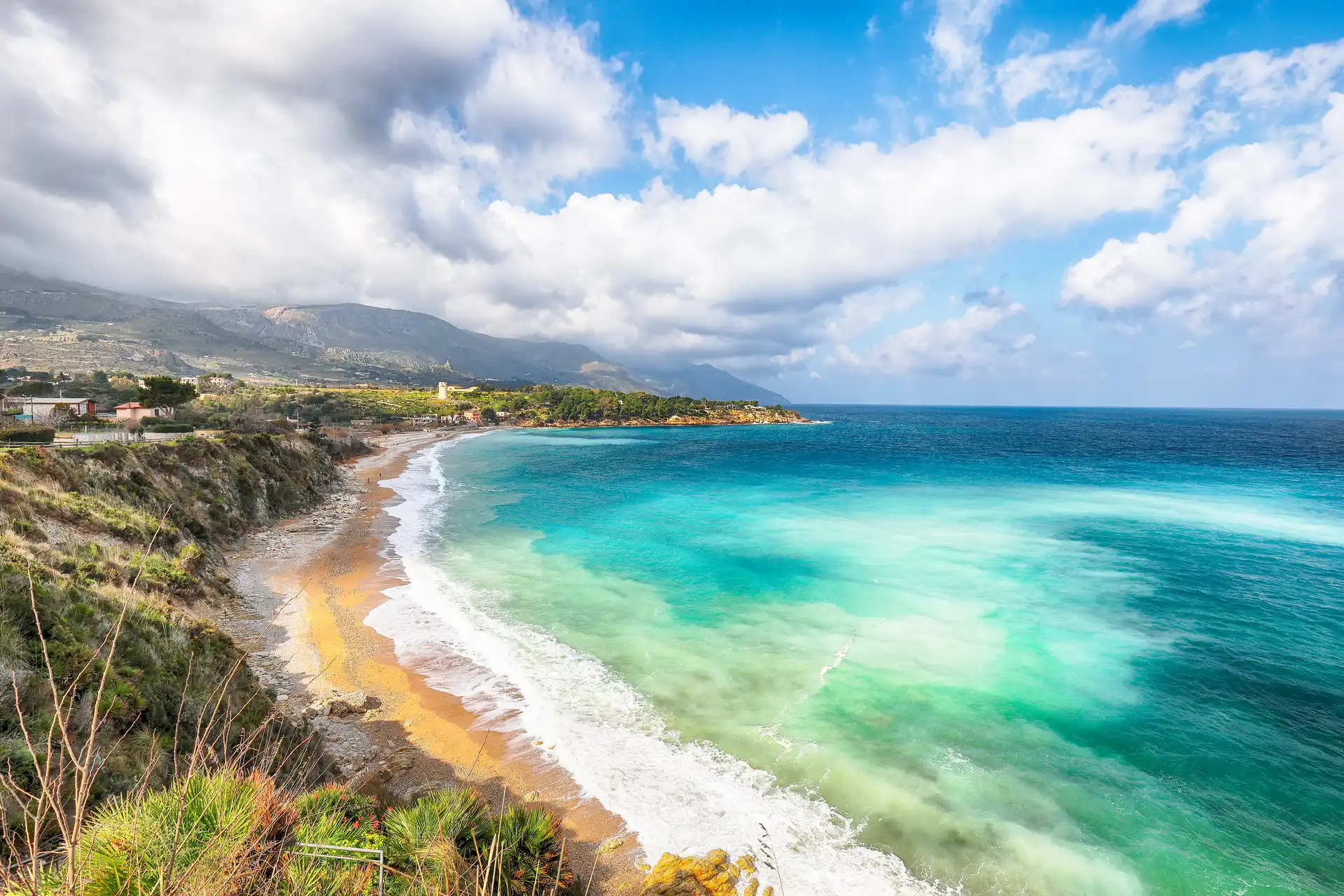
Thinking about investing in the Costa del Sol? It’s a question many consider, and the short answer is: yes, it can be a really smart move, but it’s not quite as simple as just picking a pretty villa.
The Costa del Sol lifestyle investment is more than just buying property; it’s about buying into a way of life that’s genuinely appealing to a lot of people. Think sunshine, good food, stunning beaches, and a relaxed pace. But turning that dream into a solid investment requires a practical approach. It’s about understanding the market, what drives value, and how to make your investment work for you, whether that’s through rental income or long-term capital growth. So, let’s break down what it really takes to unlock this popular lifestyle investment.
Trying to understand the property market here can feel a bit like navigating a busy Spanish roundabout, lots of activity, but with a bit of knowledge, you can find your way. It’s a mature market, meaning it’s been attracting buyers for decades, but that doesn’t mean it’s stagnant. Trends shift, and understanding these will help you make a more informed decision.
What Makes the Costa del Sol Appealing?
It’s not just the weather, though that’s a huge part of it. People are drawn to the diverse offering. You have bustling towns like Marbella and Málaga with their vibrant social scenes, high-end amenities, and cultural attractions. Then there are quieter, more traditional white villages further inland, offering a more authentic Spanish experience. For those seeking leisure, there’s a huge concentration of golf courses, luxurious marinas, and a fantastic coastline dotted with beaches. This variety means there’s a buyer or renter for almost every type of property and location.
Factors Influencing Property Value
Location, location, location is still the golden rule, but here it’s nuanced. Proximity to the beach, golf courses, amenities, and transport links are obvious drivers. However, also consider the quality of the development, its facilities (like communal pools or gyms), and the views. Newer, modern properties often command higher prices, especially those with energy-efficient features. Rental potential plays a big role too; properties in areas with high tourist demand will generally see better returns.
The Impact of Tourism and Expat Communities
Tourism is the lifeblood of the Costa del Sol, and it’s a key factor for investors. Areas with strong year-round tourism are less susceptible to seasonal slumps. The large and established expat communities also contribute significantly, creating a steady demand for rentals and purchases from people looking to make a permanent move. This dual demand, from tourists and permanent residents, is a major strength of the market.
Identifying Your Investment Goals
Before you even start browsing property portals, it’s crucial to figure out what you actually want to achieve with your investment. Are you looking for passive income, a holiday home that pays for itself, or a long-term asset to grow? Your goals will dictate the type of property, location, and strategy you should pursue. Trying to be everything to everyone usually leads to compromise, which isn’t ideal for an investment.
Rental Income vs. Capital Appreciation
This is one of the first big decisions. Do you want a property that generates consistent monthly income from rentals, or are you more focused on the property increasing in value over time? Short-term holiday lets can offer higher yields but come with more management hassle and regulatory considerations. Long-term rentals provide stability but typically lower returns. If capital appreciation is your primary aim, look for areas with strong development plans or emerging desirability.
Holiday Home with Rental Potential
This is a popular middle ground. You get to enjoy your property for a portion of the year, and when you’re not there, it’s generating income to offset costs or even make a profit. This requires a location that’s attractive to holidaymakers and a property that’s well-suited for short-term lets. Think about amenities like private terraces, pools, and proximity to popular attractions.
Long-Term Buy and Hold Strategy
If you have a longer time horizon and are less concerned with immediate income, a buy-and-hold strategy can be very effective. The Costa del Sol has a track record of steady property value growth. This approach often involves looking for properties in up-and-coming areas or those that offer genuine lifestyle appeal that will remain attractive for years to come.
Choosing the Right Location for Your Lifestyle Investment
The Costa del Sol isn’t a monolith; it’s a long stretch of coast with distinct areas, each offering a different flavour and investment profile. Picking the right spot is probably the most critical step in unlocking your lifestyle investment. It’s not just about finding a pretty view; it’s about understanding what kind of buyer or renter you’re trying to attract.
The Golden Mile and Marbella’s Prestige
Marbella, particularly its Golden Mile, is synonymous with luxury. This area offers high-end properties, exclusive clubs, and a sophisticated atmosphere. If your target market is affluent tourists or residents seeking a premium lifestyle, this is where you’ll find them. However, be prepared for higher entry prices and a competitive market. Properties here often hold their value well due to the area’s established reputation.
Estepona: The Blooming Garden Town
Estepona has really transformed itself, moving beyond its traditional fishing village roots. It now boasts a beautiful, historic old town with flower-filled streets, a pristine promenade, and a marina. It offers a slightly more relaxed vibe than Marbella but still has excellent amenities and a strong appeal to those who appreciate charm and a good quality of life. It’s seen significant investment and development, drawing in both holidaymakers and permanent residents.
Benahavís: The Gastronomic Hub and Hilltop Charm
Nestled in the hills, Benahavís is known as the gastronomic capital of the Costa del Sol, with a fantastic array of restaurants. It offers a more tranquil setting away from the immediate coast, with stunning mountain and sea views. Properties here can range from traditional townhouses to luxurious villas in secluded developments. It attracts a discerning buyer looking for peace and exclusivity, often with a significant interest in food culture.
La Cala de Mijas: A Popular Mid-Range Option
La Cala de Mijas strikes a nice balance. It’s a charming fishing village that has grown into a popular resort town, offering beautiful beaches, a lively market, and a good selection of restaurants and bars. It appeals to a broad range of buyers and renters, from families to couples, looking for a good value-for-money lifestyle. Its accessibility and range of amenities make it a consistent performer in the rental market.
Fuengirola and Benalmádena: Family-Friendly Resorts
Further east, Fuengirola and Benalmádena are very popular family-friendly resorts. They offer long sandy beaches, excellent public transport, and a plethora of amenities like water parks and zoos. These areas are generally more affordable than the western Costa del Sol and attract a steady stream of holidaymakers, particularly from the UK and Northern Europe. Properties here tend to be apartments and townhouses.
Navigating the Legalities and Purchase Process
Buying property in Spain, especially as a foreigner, can seem daunting, but with the right guidance, it’s a straightforward process. Understanding the steps involved and the legalities will save you a lot of stress and potential pitfalls. Don’t underestimate the importance of having good legal counsel.
The Role of a Gestor and Abogado
A gestor is a professional administrator who can handle much of the bureaucratic paperwork involved in buying and owning property in Spain. They can help with obtaining your NIE number (foreigner identification number), registering utility bills, and navigating various official procedures. An abogado (lawyer) is crucial for legal advice. They will review all contracts, conduct due diligence on the property, and ensure your rights are protected throughout the purchase.
NIE Number and Bank Account Requirements
Your NIE number is essential for almost any transaction in Spain, including buying property, opening a bank account, and setting up utilities. You can apply for it at a Spanish police station or through a Spanish embassy or consulate abroad. You’ll also need to open a Spanish bank account to facilitate payments and manage your property expenses.
Understanding Contracts and Due Diligence
The purchase process typically involves a reservation contract, followed by a private purchase contract (contrato de arras), and finally the public deed of sale (escritura pública) which is signed before a notary. Your lawyer will conduct due diligence, which includes checking for outstanding debts or encumbrances on the property, verifying planning permissions, and ensuring the property boundaries are correctly registered.
Taxes and Fees Associated with Property Purchase
Be prepared for additional costs beyond the property price. These include property transfer tax (ITP) for resale properties, or VAT (IVA) and stamp duty (AJD) for new builds. There are also notary fees, land registry fees, and legal fees. Your lawyer or gestor will provide a detailed breakdown of these costs, which can add roughly 10-15% to the purchase price.
Maximizing Your Lifestyle Investment’s Return
Once you own your property, the work isn’t over. To truly unlock the lifestyle investment, you need to think about how to make it work for you financially. This involves smart management, understanding the rental market, and keeping your property in good condition.
Property Management and Rental Agencies
If you’re not living in your property full-time, you’ll need a reliable property management service. They can handle everything from finding tenants and collecting rent to managing maintenance, cleaning, and key handovers. Some agencies specialize in short-term holiday rentals, while others focus on long-term lets. Choosing the right agency is critical to your rental success.
Short-Term Holiday Rentals: Opportunities and Regulations
The holiday rental market can be lucrative, especially in popular tourist seasons. However, it’s also subject to increasing regulation in many areas of Spain. You’ll need to understand the licensing requirements for holiday lets in your specific municipality, which can vary significantly. These regulations are designed to protect consumers and manage the impact of tourism on local communities.
Long-Term Rentals: Stability and Lower Yields
For a more hands-off approach, long-term rentals offer a degree of stability. The demand for rental properties from expats and locals is consistent. While yields might be lower than short-term lets, the administrative burden is considerably lighter, and you’ll have fewer voids. Careful tenant screening is essential to minimize risks.
Property Maintenance and Enhancements
Keeping your property in good condition is paramount for both enjoyment and rental appeal. Regular maintenance prevents minor issues from becoming costly repairs. Consider making small enhancements that can boost your property’s attractiveness and rental income, such as modernizing a kitchen or bathroom, improving outdoor space, or ensuring reliable Wi-Fi. Buyers and renters are increasingly looking for move-in ready properties.
Investing in the Costa del Sol lifestyle can be incredibly rewarding, offering sunshine, culture, and a relaxed pace of life. However, treating it solely as a lifestyle choice without a practical economic perspective will likely lead to missed opportunities. By understanding the market, defining your goals, choosing your location wisely, navigating the legalities diligently, and employing smart management strategies, you can truly unlock the Costa del Sol lifestyle investment and create an asset that not only brings joy but also financial benefit. It’s about blending the dream with the practicalities to make it a reality that works for you.
FAQs
What is the Costa del Sol lifestyle investment?
The Costa del Sol lifestyle investment refers to the purchase of property in the Costa del Sol region of southern Spain for the purpose of enjoying a high-quality lifestyle, including access to beautiful beaches, golf courses, and a vibrant social scene.What are the benefits of investing in the Costa del Sol lifestyle?
Investing in the Costa del Sol lifestyle offers numerous benefits, including a warm climate, stunning natural scenery, a wide range of leisure activities, and a relaxed Mediterranean lifestyle. Additionally, the region has a strong rental market, making it an attractive option for those looking to generate rental income from their investment property.What types of properties are available for lifestyle investment in the Costa del Sol?
The Costa del Sol offers a variety of properties for lifestyle investment, including luxury villas, beachfront apartments, golf course residences, and traditional Spanish-style homes. Buyers can choose from a range of options to suit their preferences and budget.What are the key considerations for investing in the Costa del Sol lifestyle?
Key considerations for investing in the Costa del Sol lifestyle include location, property type, rental potential, local amenities, and access to transportation. It’s important to conduct thorough research and seek professional advice to make an informed investment decision.Are there any legal or financial considerations for international buyers investing in the Costa del Sol lifestyle?
International buyers investing in the Costa del Sol lifestyle should be aware of legal and financial considerations, such as residency requirements, property taxes, currency exchange rates, and potential implications of Brexit for UK buyers. It’s advisable to consult with legal and financial experts to navigate these considerations.More from Investment & Relocation

Costa del Sol Investment Guide
Costa del Sol investment guide: real estate yields, Golden Visa, Malaga tech, Andalusia tax breaks, Sotogrande and agribusiness opportunities for 2026…

Maximizing Returns: Marbella Property Investment
Thinking about putting your money into property in Marbella? Smart move. The Costa del Sol’s most glamorous stretch offers a compelling mix of l…

Exploring International Schools on the Costa del Sol
Thinking about an international school for your child on the Costa del Sol? It’s a big decision, and understandably so! The good news is, you…