Your Guide to Buying Property in Spain
Buying property in Spain as a foreigner might seem a bit daunting, but it’s definitely achievable with a bit of know-how. The good news is that Spain has a pretty straightfor…
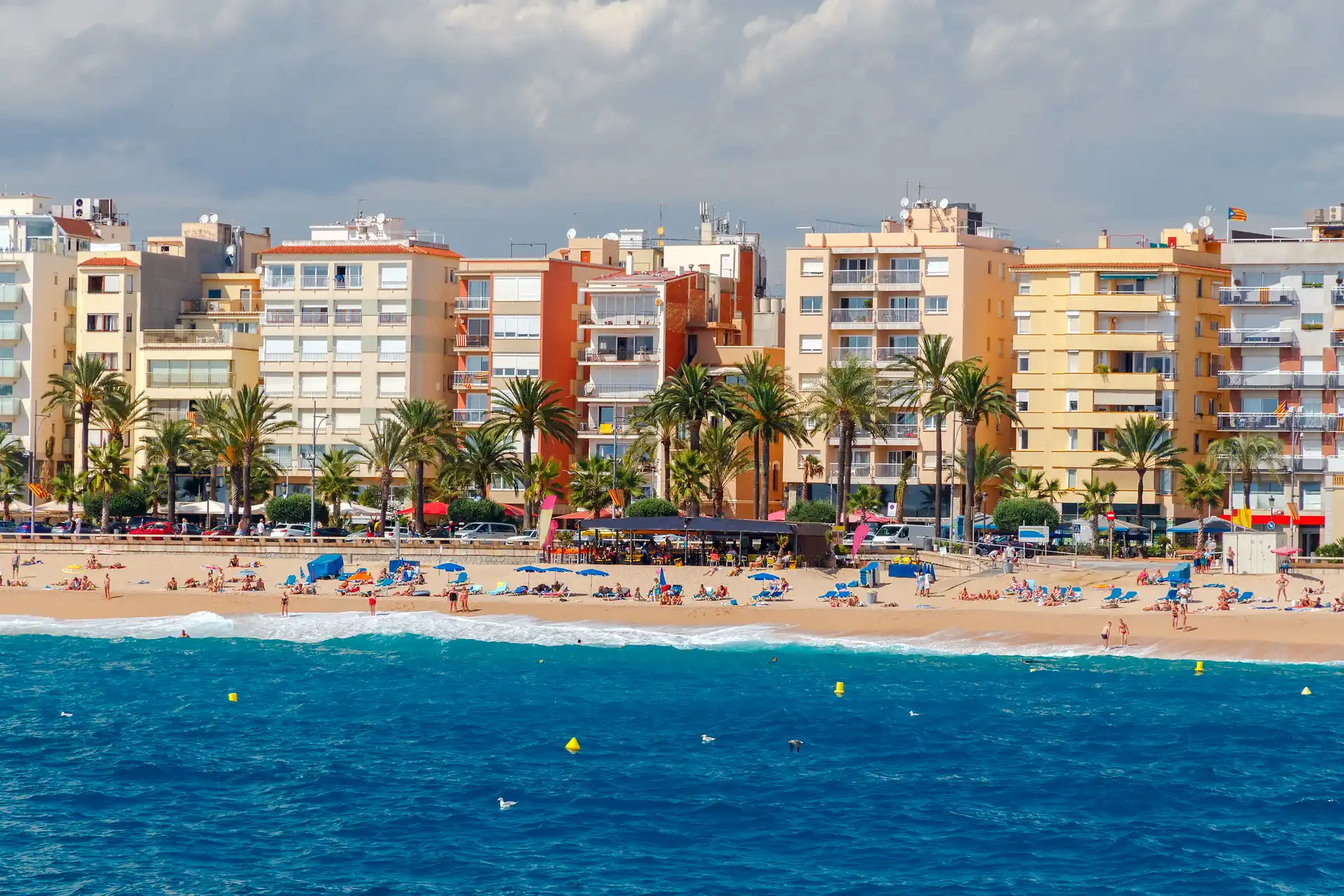
Buying property in Spain as a foreigner might seem a bit daunting, but it’s definitely achievable with a bit of know-how. The good news is that Spain has a pretty straightforward process for non-residents. Essentially, you’ll need to get an NIE number, find a property, arrange financing if needed, and then go through the legal and administrative steps, which are generally well-defined. It’s much less complicated than some people imagine.
Before you even think about browsing listings, there are a few foundational pieces you’ll need. Think of these as your essential toolkit for hitting the Spanish property market.
Your NIE Number: The Golden Ticket
This is non-negotiable. Your ‘Número de Identificación de Extranjero’ (NIE) is your foreigner identification number. You’ll need it for pretty much everything in Spain: opening a bank account, buying a car, signing contracts, and most importantly, purchasing property. You can apply for it at a Spanish police station in Spain or through a Spanish consulate abroad. It’s a fairly simple application, but you’ll need some proof of identity and usually a reason for needing it, which in this case is your intention to buy property.
Proof of Funds: Showing You’re Serious (and Able)
While not a formal requirement for viewing properties, it’s good practice to have a clear idea of your budget and how you’ll fund the purchase. Spanish banks will want to see evidence of your financial standing if you’re seeking a mortgage. This typically includes employment contracts, payslips, tax returns, and statements of your existing assets. The more prepared you are with this documentation, the smoother any financing discussions will be.
Finding Your Spanish Dream Home: The Search Begins
Now for the exciting part! Looking for your perfect place. Spain offers an incredible diversity of locations, from bustling city apartments to tranquil rural villas.
Choosing Your Location: Coast, City, or Country?
This is perhaps the biggest decision you’ll make. Think about your lifestyle needs.
Coastal Living: Sun, Sea, and Social Life
The costas (coasts) are incredibly popular for a reason. you have everything from the buzzing resorts of the Costa del Sol to the more laid-back vibes of the Costa Blanca or the stunning natural beauty of the northern coast. Consider the climate you prefer, the south is hotter and drier, while the north is greener and milder. Think about proximity to airports if you’ll be flying in and out regularly, and what level of social activity you’re looking for.
City Life: Culture, Convenience, and Opportunities
Cities like Barcelona, Madrid, Valencia, and Seville offer a very different experience. Property here can range from historic apartments in old town centres to modern flats in developing areas. You’ll have access to world-class amenities, culture, and often a more dynamic job market if you’re planning to relocate permanently.
Rural Retreats: Peace, Quiet, and Authenticity
If your idea of paradise is surrounded by nature, with rolling hills or olive groves, then a rural property might be for you. These often come with more land and can be a fantastic way to get a real feel for authentic Spanish life. Just be sure to consider infrastructure, access to shops, medical facilities, and reliable internet.
Working with Estate Agents: Your Local Guides
Estate agents can be invaluable. They have local knowledge, access to a broader range of properties, and can navigate the language barrier for you. Before you sign up with anyone, do your research.
Choosing the Right Agent: Local vs. National
Local agents will have in-depth knowledge of their specific area, which can be a huge advantage. Larger, national agencies might have a wider database but sometimes lack that niche understanding. It’s often a good idea to work with a couple of agents to get a broader view of the market.
What to Ask Your Agent: Questions to Get Answers
Don’t be shy! Ask about the local community, property prices for similar homes, potential rental yields, and any known issues with the property or area. A good agent will be transparent and helpful.
The Nitty-Gritty: Making an Offer and Securing the Deal
Once you’ve found ‘the one’, it’s time to get down to the business of making it yours.
Making an Offer: A Strategic Move
In Spain, property negotiations can differ slightly from other countries. Once you’ve found a property you love, you’ll typically make an offer through the estate agent. This is often followed by a period of negotiation on price.
The Reservation Contract (Contrato de Reserva): The First Step
Once an offer is accepted, you’ll usually sign a ‘contrato de reserva’ with the seller. This is a simple document that reserves the property for you for a set period, during which the seller cannot accept other offers. You’ll typically pay a small deposit here, usually around €3,000 to €6,000. This deposit is usually non-refundable if you pull out of the deal without a valid reason accepted by both parties.
Understanding the Deposit: What It Means
This deposit serves as a sign of your serious intent. It’s important to understand the terms of this contract, especially regarding what happens if unforeseen issues arise during the due diligence period.
The Preliminary Contract (Contrato de Arras or Contrato de Compraventa): The Binding Agreement
This is a more formal and legally binding document. It’s essentially a preliminary sale agreement. You’ll pay a larger deposit, typically 10% of the purchase price, minus the reservation deposit already paid. This contract will detail all the terms and conditions of the sale, including the final price, completion date, and any agreed repairs or included items.
The Importance of Legal Advice: Get a Lawyer
This is where hiring an independent lawyer (abogado) becomes absolutely crucial. They will review the contract, conduct due diligence on the property, and ensure all legal aspects are in order. They represent your interests.
Due Diligence: Kicking the Tires (Legally Speaking)
Your lawyer will conduct a thorough review of the property and its legal status. This includes:
Checking for Liens and Debts: Is Everything Clear?
Your lawyer will verify that the property has no outstanding mortgages, debts, or legal claims against it. This is vital to ensure you’re acquiring a clean title.
Verifying Building Permits and Licensing: Is It All Above Board?
They’ll check that the property was built legally, with the correct permits, and that there are no ongoing disputes with neighbours or the local council regarding its construction or modifications.
Reviewing Community Fees and Property Taxes: What Else Do You Owe?
Your lawyer will confirm that all community fees (if it’s an apartment or part of a development) and property taxes (IBI. Impuesto sobre Bienes Inmuebles) are up to date.
The Money Matters: Financing Your Spanish Property
Unless you’re paying cash, you’ll need to consider financing. Spanish banks offer mortgages to non-residents, but there are some specific considerations.
Mortgages for Non-Residents: What to Expect
Banks typically lend up to 60-70% of the lower of the purchase price or the valuation for non-residents. This means you’ll need a significant deposit, usually 30-40% of the purchase price, plus additional funds for taxes and fees.
Preparing Your Application: What Banks Want
As mentioned before, you’ll need detailed proof of income, employment history, and existing assets. Banks will also require your NIE and passport. They’ll conduct their own valuation of the property.
Associated Costs: Beyond the Sticker Price
Don’t forget the additional costs involved in buying property. These can add up, so it’s wise to budget for them.
Property Transfer Tax (ITP): The Main Tax
This is the biggest tax, and its rate varies depending on the region (Comunidad Autónoma). It typically ranges from 6% to 10% of the purchase price. If you’re buying a new build, you’ll pay VAT (IVA) instead of ITP.
Notary Fees: The Official Witness
The notary is a public official who oversees the signing of the deed and ensures the transaction is legal. Their fees are set by law and are generally a small percentage of the property value.
Land Registry Fees: Recording Your Ownership
Once the deed is signed, it needs to be registered in the Land Registry. These fees are also regulated and are usually a small percentage of the property value.
The Final Steps: Completion and Beyond
You’re almost there! The final stages involve signing the official documents and taking possession of your new Spanish home.
The Completion Day: Signing the Deed
This is the big day. You, your lawyer, the seller (or their representative), and a notary will gather to sign the ‘Escritura Pública de Compraventa’ (Public Deed of Sale). At this point, you’ll pay the remaining balance of the purchase price and any outstanding fees. Your lawyer will handle the transfer of funds.
The Notary’s Role: Ensuring Legality
The notary reads the deed aloud and ensures all parties understand the terms before signing. They are an impartial witness.
Post-Completion: What Happens Next
After signing, your lawyer will handle the registration of the deed with the Land Registry, ensuring your ownership is officially recorded. They’ll also help you set up utility contracts (water, electricity, gas) in your name and arrange for council tax payments.
Setting Up Utilities: Getting Connected
This process is usually straightforward. Your lawyer or a gestor (an administrative agent) can help with this. You’ll typically need your NIE, proof of ownership, and bank details.
Registering with the Town Hall: Local Bureaucracy
You’ll need to register with the local town hall (Ayuntamiento) for local taxes and services. Again, your lawyer or gestor can guide you through this. Some areas also require registration for health cards if you’re a resident.
By following these steps and enlisting the help of reputable professionals, buying property in Spain can be a smooth and rewarding experience. It’s about being informed, organized, and knowing when to ask for help.
FAQs
1. What are the requirements for buying property in Spain as a foreigner?
Foreigners can buy property in Spain without any restrictions. They will need to obtain a foreigner’s identification number (NIE) and open a Spanish bank account. It is also recommended to hire a lawyer to handle the legal aspects of the purchase.2. What are the additional costs associated with buying property in Spain?
In addition to the property price, buyers should budget for additional costs such as property transfer tax, notary fees, registry fees, and legal fees. These costs can add up to approximately 10-15% of the property’s purchase price.3. Are there any specific regulations or restrictions for buying property in certain regions of Spain?
Certain regions in Spain, such as Catalonia and the Balearic Islands, have specific regulations regarding the purchase of property by foreigners. It is important to research and understand any regional restrictions before buying property in Spain.4. What are the popular areas for buying property in Spain?
Popular areas for buying property in Spain include the Costa del Sol, Costa Blanca, Barcelona, Madrid, and the Balearic Islands. These areas offer a variety of property types, from beachfront villas to city apartments.5. What is the process for obtaining a mortgage to buy property in Spain?
Foreigners can obtain a mortgage to buy property in Spain, but the process may be more complex than in their home country. It is important to have a good understanding of the Spanish mortgage market and to work with a reputable mortgage broker or bank. Typically, banks in Spain will finance up to 70% of the property’s purchase price for non-residents.More from Investment & Relocation

Costa del Sol Investment Guide
Costa del Sol investment guide: real estate yields, Golden Visa, Malaga tech, Andalusia tax breaks, Sotogrande and agribusiness opportunities for 2026…

Maximizing Returns: Marbella Property Investment
Thinking about putting your money into property in Marbella? Smart move. The Costa del Sol’s most glamorous stretch offers a compelling mix of l…

Exploring International Schools on the Costa del Sol
Thinking about an international school for your child on the Costa del Sol? It’s a big decision, and understandably so! The good news is, you…