Your Ultimate Malaga Relocation Guide
So, you’re thinking about moving to Malaga? Excellent choice! This guide is designed to cut through the noise and give you the real scoop on what it takes to make the move, f…
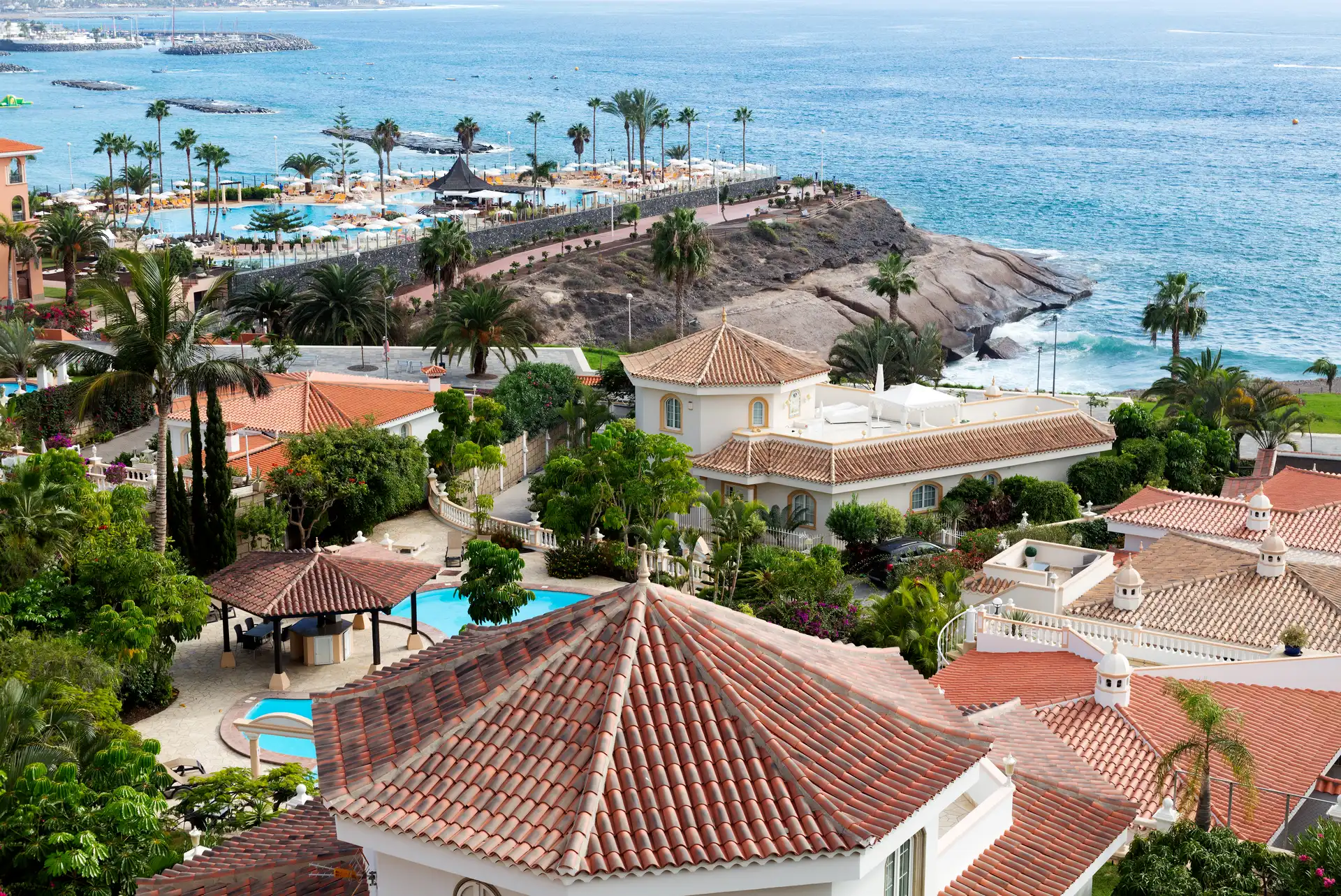
So, you’re thinking about moving to Malaga? Excellent choice! This guide is designed to cut through the noise and give you the real scoop on what it takes to make the move, from sorting out your visa to finding a decent flat and understanding the local vibe. No fluffy brochures, just practical advice to get you settled in this beautiful Andalusian city.
Unless you’re an EU citizen, your first hurdle will be getting the right to live and work here. This can feel like a mountain, but with a bit of planning, it’s totally surmountable.
Non-Lucrative Visa (NLV) – For the Financially Independent
The NLV is a popular option if you don’t plan to work in Spain and can prove you have sufficient funds to support yourself.
- Financial Proof: This is key. You’ll need to show you have at least 400% of Spain’s IPREM (Public Multiple Effects Income Indicator) annually. For 2024, that’s roughly €2,400 per month or €28,800 per year for the main applicant. For each additional family member, add another 100% of IPREM (€7,200 per year). Bank statements, investment portfolios, and proof of regular income (like pensions) are your friends here.
- Health Insurance: You need private health insurance from a Spanish company that offers full coverage with no co-pays or deductibles. This isn’t something to skimp on, they’re looking for comprehensive cover.
- Clean Criminal Record: An apostle-stamped FBI background check (or equivalent from your home country) is mandatory. Make sure it’s recent, usually within 90 days of your application.
- Medical Certificate: A doctor’s note stating you don’t have any diseases that could pose a public health risk. Keep it simple and clear.
- Application Process: You apply at the Spanish consulate in your home country. Gather all documents, get them translated by a sworn translator (traductor jurado) into Spanish, and book your appointment well in advance. Processing times vary, so be patient.
Digital Nomad Visa (DNV) – Working Remotely from the Sun
If you work remotely for a company outside of Spain, the DNV is a game-changer. It became available in early 2023.
- Eligibility: You need to be working for a company outside of Spain, or as a freelancer with at least one client based outside of Spain. Your income must come primarily from outside Spain.
- Income Requirement: Currently, you need to demonstrate average income of at least 200% of Spain’s minimum wage (€1,260/month in 2024), so around €2,520 per month.
- Work Relationship Proof: Contracts, payslips, and letters from your employer (or client contracts if freelancing) proving your remote work arrangement are essential. The company you work for must have been established for at least one year.
- Health Insurance and Criminal Records: Similar to the NLV, you’ll need private Spanish health insurance and a clean criminal record.
- Where to Apply: You can apply directly in Spain if you’re already here on a tourist visa (within 90 days of arrival), or at the Spanish consulate in your home country. Applying in Spain can often be quicker.
Other Visa Options – A Quick Glimpse
- Student Visa: If you plan on studying at a recognized institution for more than 90 days.
- Work Visa (Long-Term): This is harder to get as it requires a job offer from a Spanish company and often a demonstration that no EU citizen could fill the role.
- Golden Visa: For those making a significant investment (e.g. purchasing property worth €500,000 or more).
Getting Settled: Initial Bureaucracy & Essentials
Once you arrive with your visa (or as an EU citizen), there are a few immediate tasks you’ll need to tackle to get properly plugged in.
The NIE Number – Your Spanish ID
This is absolutely fundamental. Your NIE (Número de Identificación de Extranjero) is your foreigner identification number. You’ll need it for everything: opening a bank account, signing a rental contract, buying a car, getting a phone contract, etc.
- Applying for It: You can apply for your NIE at a police station (Comisaría de Policía) in Malaga. It’s best to book an appointment online (cita previa) well in advance, as slots fill up quickly. Alternatively, many gestorias (administrative consultants) can help you for a fee, which can save a lot of time and frustration.
- Documents Needed: Passport, a completed EX-15 form, and proof of why you need it (e.g. job offer, property interest). You’ll also pay a small fee at the bank using a 790 code 012 form.
Bank Account – Managing Your Money
Opening a Spanish bank account makes life a lot easier, especially for paying bills and direct debits.
- Requirements: You’ll typically need your NIE, passport, and proof of address. Some banks might also ask for proof of income.
- Bank Choice: Major banks like CaixaBank, Santander, BBVA, and Sabadell are common. Look for one with low or no maintenance fees and good online banking. N26 and Revolut are options for basic banking before you get your NIE, but a Spanish account is crucial long-term.
Padron – Registering Your Address
The “padrón” essentially registers you as a resident of Malaga in the municipal census. It’s important for accessing local services like healthcare and applying for residency.
- How to Do It: Go to your local city hall (Ayuntamiento) or a district office. You’ll need your passport, NIE, and your rental contract (or a letter from the property owner if you’re not the main tenant).
- Why It Matters: Once you’re on the padrón, you count as a resident of Malaga, which is often a prerequisite for other administrative steps, like applying for your TIE (Tarjeta de Identidad de Extranjero, the physical residency card you get after your initial visa).
Finding a Home: Rental Market & Neighbourhoods
Malaga’s rental market can be competitive, especially in central areas. Knowing where to look and what to expect will help.
Where to Live in Malaga – Neighbourhood Breakdown
Malaga is diverse, with options ranging from bustling city centres to quiet residential areas and beachside living.
- Centro Histórico (Historic Centre): Buzzing, central, full of life, but can be noisy and properties tend to be older and smaller. Great for walkability and immediate access to everything.
- Soho (Distrito de las Artes): Just south of the Alameda Principal, creative, trendy, and close to the port. A bit quieter than the historic centre but still very central.
- La Malagueta: Directly east of the centre, beachfront living with more modern apartments and higher prices. Great for beach access and a relaxed atmosphere.
- El Palo / Pedregalejo: East of La Malagueta, these are charming traditional fishing villages now absorbed by the city. More authentic, great for seafood, and popular with families. Further out, so requires more public transport or a car for commuting to the centre.
- Teatinos: North-west of the centre, a newer, more modern area popular with students (due to its proximity to the university) and young families. Lots of green spaces, good amenities, but quite a distance from the beach and city centre. Offers more contemporary apartments, often with pools.
- Cruz de Humilladero / Carretera de Cádiz: More residential, working-class areas west of the centre. Generally more affordable, with good transport links. Can be a bit grittier but offers practical living.
Rental Search Strategies – Don’t Rely Solely on Idealista
While Idealista and Fotocasa are the dominant platforms, expanding your search can give you an edge.
- Online Portals: Idealista.com, Fotocasa.es, and Piso.com are your main online hunting grounds. Set up alerts for new listings.
- Rental Agencies (Inmobiliarias): Many landlords use agencies. Be aware that you often pay an agency fee (typically one month’s rent plus IVA) in addition to the deposit. While this adds to the upfront cost, agencies can often streamline the process.
- Facebook Groups: Search for “Alquiler Malaga” or “Malaga Expats” groups. People often post rental availability directly, or you can post that you’re looking. This can sometimes cut out agency fees.
- Networking: Ask around in expat communities. Word-of-mouth is still powerful here.
- Visit in Person: It’s highly recommended to be physically in Malaga when looking for a long-term rental. Landlords prefer to meet prospective tenants, and you’ll get a much better feel for the property and neighbourhood. Short-term rentals (Airbnb) can serve as your base for the first few weeks while you search.
Rental Contract Basics – What to Expect
- Deposit: Usually one month’s rent, which the landlord must lodge with the Junta de Andalucía.
- Additional Guarantees: Some landlords might ask for an extra month or two as an additional guarantee (fianza adicional) or an “aval bancario” (bank guarantee), especially if you don’t have a stable Spanish work contract.
- Contract Length: Standard contracts are for one year, automatically renewable for up to five (or seven, if the landlord is a legal entity) unless you give proper notice (usually 30 days) before the renewal date. Tenants can typically leave after six months with 30 days’ notice, though there might be penalties if you break the contract early.
- Utilities: Usually not included in the rent. You’ll be responsible for electricity, water, gas, and internet.
Cost of Living: Beyond the Rent
Malaga is generally more affordable than many other Western European cities, but prices are rising.
Housing Costs – The Biggest Slice
- Rent: Expect to pay:
- €650 – €950 for a 1-bedroom flat in a decent central location.
- €900 – €1,500+ for a 2-bedroom flat, depending on location, size, and modernity.
- Outside the immediate centre, you can find more affordable options, potentially starting around €550-€700.
- Utilities:
- Electricity: €50 – €100+ per month (heavily dependent on air-con use in summer).
- Water: €15 – €30 per month.
- Internet: €30 – €50 per month for fibre optic.
Food & Groceries – Eating Well for Less
Supermarkets like Mercadona,
FAQs
What is the cost of living in Malaga?
The cost of living in Malaga is relatively affordable compared to other major cities in Europe. Rent, groceries, and dining out are generally cheaper than in cities like London or Paris.What is the healthcare system like in Malaga?
Malaga has a well-developed healthcare system with both public and private options. The public healthcare system provides quality care to residents and is accessible to expats who contribute to the social security system.What are the housing options in Malaga?
Malaga offers a variety of housing options, including apartments, townhouses, and villas. The city center has a mix of historic and modern properties, while the surrounding areas offer more spacious and tranquil living options.What is the climate like in Malaga?
Malaga enjoys a Mediterranean climate with mild winters and hot summers. The city receives plenty of sunshine throughout the year, making it an attractive destination for those seeking a warm and sunny climate.What are the job opportunities in Malaga?
Malaga has a growing economy with opportunities in sectors such as tourism, technology, and finance. The city is also home to a number of international companies and has a thriving startup scene, offering job prospects for expats with diverse skill sets.More from Investment & Relocation

Costa del Sol Investment Guide
Costa del Sol investment guide: real estate yields, Golden Visa, Malaga tech, Andalusia tax breaks, Sotogrande and agribusiness opportunities for 2026…

Maximizing Returns: Marbella Property Investment
Thinking about putting your money into property in Marbella? Smart move. The Costa del Sol’s most glamorous stretch offers a compelling mix of l…

Exploring International Schools on the Costa del Sol
Thinking about an international school for your child on the Costa del Sol? It’s a big decision, and understandably so! The good news is, you…