Your Ultimate Marbella Relocation Guide
Moving to Marbella? Great choice! This guide will walk you through everything you need to know to make your relocation as smooth as possible, from understanding the lifestyle to na…
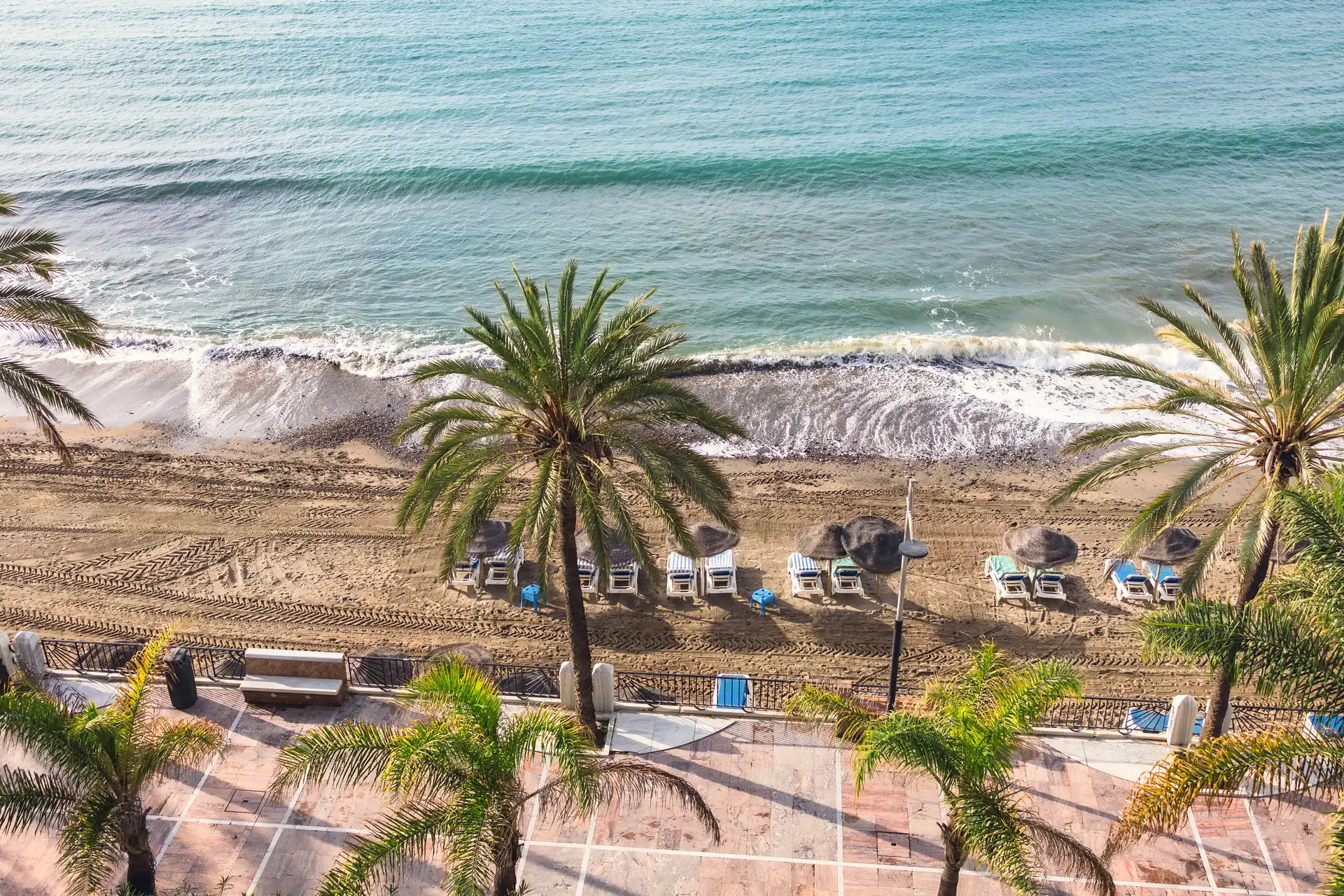
Moving to Marbella? Great choice! This guide will walk you through everything you need to know to make your relocation as smooth as possible, from understanding the lifestyle to navigating the bureaucracy. We’ll cover the essentials without the fluff, focusing on practical advice you can use.
Marbella isn’t just a holiday destination; it’s a vibrant, international community offering a high quality of life. Think sunshine, delicious food, and a relaxed atmosphere, but also a professional and bustling environment once you scratch beneath the surface. It’s not all yachts and rosé, though those are definitely part of the charm! Expect to find a mix of luxury and everyday living, with excellent infrastructure and services.
Where to Settle Down? Choosing Your Neighbourhood
Marbella municipality is large, and each area has its own distinct flavour. Your ideal spot will depend on your priorities, budget, family needs, lifestyle, and work.
The Golden Mile
This iconic stretch between Marbella town and Puerto Banús is synonymous with luxury. You’ll find exquisite villas, high-end apartments, and prestigious hotels here. Expect higher prices, but also unparalleled exclusivity, stunning sea views, and proximity to designer boutiques and gourmet restaurants. It’s ideal for those seeking a sophisticated, upscale lifestyle.
Puerto Banús
Known for its glamorous marina, luxury yachts, and buzzing nightlife, Puerto Banús is a magnet for the young and affluent. It’s a high-energy area with plenty of designer shops, restaurants, and bars. Property here tends to be apartments and penthouses, often with sea views. If you love a lively atmosphere and being at the heart of the action, this could be for you.
Nueva Andalucía
Just inland from Puerto Banús, Nueva Andalucía is often called “Golf Valley” due to its numerous golf courses. It’s a very popular residential area, especially for families, offering a mix of villas, townhouses, and apartments. It’s quieter than Banús but still very close to amenities, schools, and the coast. You get a bit more space and greenery here.
San Pedro de Alcántara
A more traditional Spanish town that has modernized significantly, San Pedro offers a fantastic balance. It has a lovely boulevard, a vibrant town centre with local shops and tapas bars, and a beautiful beachside promenade. Property here is generally more affordable than its Marbella neighbours, and it’s popular with families looking for a more authentic Spanish experience with good schools and amenities.
Marbella Old Town (Casco Antiguo)
If you dream of whitewashed streets, orange tree squares, and charming boutiques, then the Old Town is your spot. While predominantly apartments, there are some beautiful townhouses available. Living here means being immersed in history and culture, with excellent restaurants and a truly special atmosphere. It can get busy with tourists, especially in peak season.
Elviria & East Marbella
Further east, areas like Elviria, Cabopino, and Las Chapas offer a more relaxed, often greener environment. You’ll find a good mix of villas and apartment complexes, often with access to beautiful beaches and pine forests. These areas are popular with families and those seeking a quieter pace of life, while still being a short drive from central Marbella. Property here can offer better value for money.
Logistics: The Nitty-Gritty Details
Relocating involves a fair amount of paperwork and practical steps. Don’t be intimidated; breaking it down makes it manageable.
The NIE Number: Your Spanish ID
This is your absolute first step. The NIE (Número de Identificación de Extranjero) is a Foreigner Identification Number. You’ll need it for practically everything: opening a bank account, buying property, getting a job, signing utility contracts, even buying a car.
How to Get Your NIE
You can apply for your NIE at a Spanish police station (Comisaría de Policía) that handles foreign affairs. Alternatively, you can apply at a Spanish embassy or consulate in your home country before you move. Many people opt to use a gestor (an administrative agent) in Spain to help with this, as it can be a complex process if you don’t speak Spanish well or aren’t familiar with the system. You’ll need your passport, a copy of your passport, a completed EX-15 form, and proof of why you need the NIE (e.g. property purchase agreement, job offer).
Residencia: Becoming a Resident
If you plan to live in Spain for more than 90 days, you need to apply for residency. For EU citizens, this is relatively straightforward; for non-EU citizens, it’s a more involved process.
EU/EEA/Swiss Citizens
You will need to demonstrate sufficient financial means to support yourself (and your dependants), have public or private health insurance, and register on the ‘Padrón Municipal’ (local town hall register). The application is done at the local Oficina de Extranjería (Foreigner’s Office) or larger police stations. You’ll receive a ‘Certificado de Registro de Ciudadano de la Unión.’
Non-EU Citizens
This is typically done via a visa application before you enter Spain. Common options include:
- Non-Lucrative Visa: For those who can demonstrate sufficient funds to live in Spain without working.
- Golden Visa: For those making a significant investment in Spain (e.g. property purchase over €500,000).
- Work Visa: If you have a job offer from a Spanish company.
- Digital Nomad Visa: A newer option for remote workers earning above a certain threshold.
Each visa type has its own specific requirements, and it’s highly recommended to consult with an immigration lawyer specialising in Spanish residency for non-EU citizens.
Opening a Spanish Bank Account
You’ll need this without fail. Most banks offer accounts specifically for non-residents, and once you have your NIE, you can convert it to a resident account.
What You’ll Need
Typically, you’ll need your passport, your NIE number (even if temporary), and proof of address in Spain (rental contract or Padrón certificate). Some banks might ask for proof of income. Popular Spanish banks include CaixaBank, Santander, BBVA, and Sabadell. Consider which one offers the best online banking, English-speaking staff, and competitive fees.
Healthcare: Public vs. Private
Spain has an excellent public health system, but many expats opt for a combination or fully private cover.
Public Healthcare (Sistema Nacional de Salud)
If you’re working and paying social security contributions in Spain, you’ll be eligible for public healthcare. You’ll need to apply for a social security number and then register with a local health centre (Centro de Salud) to get your health card (Tarjeta Sanitaria).
Private Healthcare
Many expats choose private health insurance for more immediate access to specialists, shorter waiting lists, and a wider choice of hospitals and doctors, often with English-speaking professionals. Companies like DKV, Sanitas, and Mapfre are popular. It’s often mandatory for non-lucrative visa holders. You can usually get a comprehensive plan for a reasonable monthly fee.
Everyday Life: Settling In
Once the initial paperwork is done, it’s time to make Marbella feel like home.
Finding a Home: Renting or Buying
Housing is a significant decision. Marbella offers a vast range of properties.
Renting Property
Renting is often a good first step to get to know the area before committing to a purchase. You’ll typically need to pay a security deposit (usually one or two months’ rent) and the first month’s rent upfront. Estate agents usually charge a fee, though some landlords deal directly. Rental contracts are generally for a minimum of one year. Websites like Idealista, Fotocasa, and local real estate agency sites are useful.
Buying Property
The process involves several stages, including finding a property, making an offer, signing a ‘contrato de arras’ (preliminary agreement), conducting due diligence, and finally, signing the Escritura de Compraventa (title deeds) before a notary. It’s crucial to engage an independent lawyer who specialises in property law to represent your interests. Budget for around 10-12% on top of the purchase price for taxes (IVA if new build, ITP if resale) and fees (notary, registration, legal).
Schools & Education
Marbella offers a good selection of both Spanish public schools and international schools, catering to various educational philosophies.
Spanish Public Schools
These follow the Spanish curriculum, are free of charge, and teach in Spanish. They are an excellent option for immersion if your children are young or you want them to become fully bilingual. Enrolment is usually based on your residential address (Padrón).
International Schools
Marbella has several well-regarded international schools offering curricula like the British (English), American, or International Baccalaureate (IB). These include Aloha College, Swans International School, Laude San Pedro International College, and The British School of Marbella. They typically have a diverse student body and English as the primary language of instruction. Be aware that fees can be substantial, and spaces can fill up quickly, so early application is advised.
Getting Around: Transport Options
While Marbella is walkable in some areas, a car is often beneficial, especially for exploring beyond the immediate vicinity.
Public Transport
Marbella has a local bus service (Autobuses Urbanos de Marbella) that connects different parts of the town and surrounding areas. For longer distances along the coast, there are intercity buses (e.g. Avanza Bus) that run between Estepona, San Pedro, Marbella, Fuengirola, and Málaga.
Taxis & Ride-Sharing
Taxis are readily available at ranks and can be hailed. Uber and Cabify are also present in the area, offering convenient ride-sharing options.
Driving & Car Ownership
If you bring your car from another country, you typically have 6 months to re-register it in Spain. This involves an inspection (ITV), paying import taxes, and obtaining Spanish plates. It’s often simpler and sometimes more cost-effective to sell your old car and buy one in Spain. You’ll need a Spanish driving licence (or exchange your existing one if from certain countries). Car insurance is mandatory.
Embracing the Marbella Lifestyle
Marbella truly shines in its lifestyle offerings. It’s about more than just warm weather.
Food & Drink
Prepare for a culinary adventure! From traditional Spanish tapas bars (don’t miss the fried fish in San Pedro or the Old Town) to high-end Michelin-starred restaurants, Marbella has it all.
Local Delights
Indulge in fresh seafood, gazpacho, paella, and jamón ibérico. Explore the local markets for fresh produce. The social aspect of eating out is key here, mealtimes are often long and relaxed.
International Cuisine
Given its international population, Marbella boasts an incredible array of international restaurants, from Italian and Asian to Middle Eastern and South American. You’ll never be short of options.
Leisure & Activities
Marbella is an active place, catering to all interests.
Golf
As mentioned, Nueva Andalucía is “Golf Valley,” but there are numerous courses throughout the region, making it a golfer’s paradise.
Beach Life & Water Sports
With miles of coastline, beach days are a given. Enjoy swimming, paddleboarding, jet-skiing, or simply relaxing at one of the many chiringuitos (beach bars).
Outdoor Activities
The Sierra Blanca mountains provide excellent hiking and cycling opportunities, offering stunning views of the coast. Marches are a popular spot for walkers and hikers, as is La Concha mountain trail.
Culture & Entertainment
Marbella has a vibrant cultural scene with art galleries, live music venues, and often hosts concerts and festivals, especially in the summer. The Old Town is wonderful for evening strolls, and Puerto Banús offers nightlife for those who seek it.
Don’t Forget: Key Considerations
A few final tips to make your move even smoother.
Learning Spanish
While many people speak English in Marbella, especially in tourist areas and amongst the expat community, learning some Spanish will significantly enhance your experience. It helps with daily interactions, understanding local culture, and navigating bureaucracy. Even a basic grasp goes a long way.
Professional Assistance
Don’t be afraid to seek professional help. Lawyers, gestors, and financial advisors who specialise in expat services can save you a lot of time, stress, and potential pitfalls, especially when dealing with legal and tax matters. Their fees are often a wise investment.
Tax Implications
Spain has a different tax system. Seek advice from a Spanish tax advisor to understand your obligations regarding income tax, wealth tax, and any other relevant taxes for residents. This is especially important if you have assets or income in other countries.
Community & Networking
Join expat groups on social media (Facebook is particularly good for Marbella expat groups), attend local events, and consider joining clubs or societies. Building a local network will help you settle in faster and feel more at home. Marbella has a large and welcoming international community.
Relocating can be a big step, but Marbella offers a fantastic quality of life. With a bit of planning and practical advice, you’ll be enjoying the sunshine and lifestyle in no time. Welcome to your new home!
FAQs
What is Marbella known for?
Marbella is known for its luxurious lifestyle, beautiful beaches, upscale restaurants, and vibrant nightlife. It is a popular destination for tourists and expatriates seeking a high-quality living experience.What are the housing options in Marbella?
Marbella offers a wide range of housing options, including luxury villas, apartments, townhouses, and gated communities. There are also traditional Spanish-style homes and modern, contemporary properties available for purchase or rent.What are the healthcare facilities like in Marbella?
Marbella has a well-developed healthcare system with modern hospitals, clinics, and medical facilities. The Costa del Sol Hospital is the main public hospital in the area, and there are also private healthcare providers offering high-quality medical services.What are the education options for families in Marbella?
Marbella has a variety of international schools offering education in English and other languages. These schools provide a high standard of education and cater to the needs of expatriate families living in the area.What are the leisure and recreational activities in Marbella?
Marbella offers a wide range of leisure and recreational activities, including golf courses, water sports, hiking trails, and cultural attractions. The city also hosts numerous events and festivals throughout the year, providing entertainment for residents and visitors alike.More from Investment & Relocation

Costa del Sol Investment Guide
Costa del Sol investment guide: real estate yields, Golden Visa, Malaga tech, Andalusia tax breaks, Sotogrande and agribusiness opportunities for 2026…

Maximizing Returns: Marbella Property Investment
Thinking about putting your money into property in Marbella? Smart move. The Costa del Sol’s most glamorous stretch offers a compelling mix of l…

Exploring International Schools on the Costa del Sol
Thinking about an international school for your child on the Costa del Sol? It’s a big decision, and understandably so! The good news is, you…