Coastal Chic: Interior Design Costa del Sol
Let’s dive into the world of Costa del Sol interior design. The ‘Coastal Chic’ style on the Costa del Sol isn’t just about throwing some seashel…
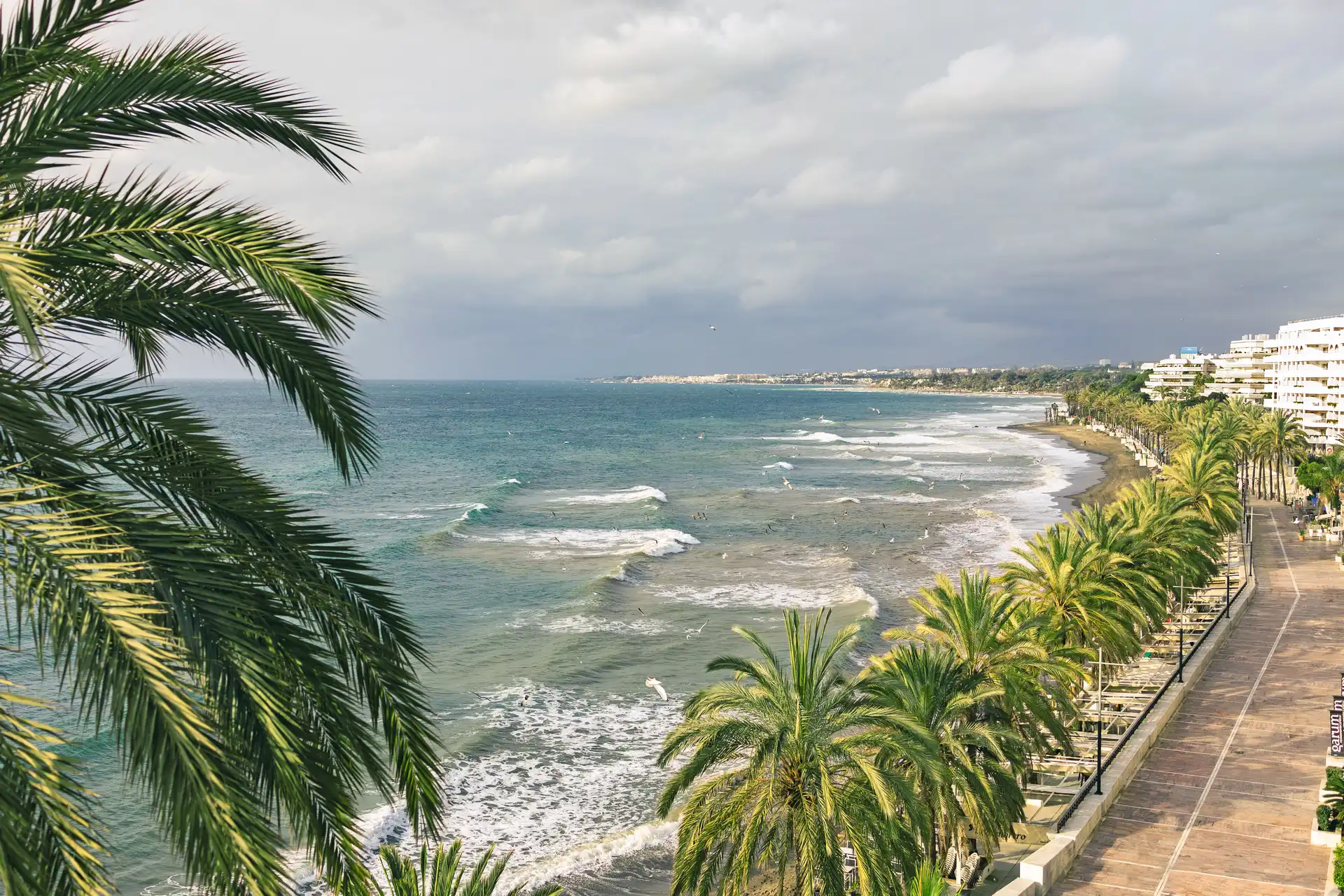
Let’s dive into the world of Costa del Sol interior design.
The ‘Coastal Chic’ style on the Costa del Sol isn’t just about throwing some seashells around. It’s a thoughtful blend of the sparkling Mediterranean environment with practical, comfortable living. Think light, airy spaces, natural materials, and a seamless flow from indoors to out. It’s about creating a home that feels like a permanent vacation, but with all the comforts of daily life.
Embracing the Costa del Sol Lifestyle in Design
The enduring appeal of the Costa del Sol isn’t just its sunshine or beaches; it’s a lifestyle. This relaxed yet sophisticated way of living deeply influences interior design choices here. We’re talking about homes that invite the outside in, celebrating the views, the light, and the warmth. It’s a design philosophy that prioritizes comfort and practicality without skimping on elegance.
When you think about designing a home on the Costa del Sol, it’s less about following fleeting trends and more about crafting spaces that resonate with the environment. This means considering how light changes throughout the day, how the sea breeze can be channeled through a home, and how materials stand up to the Mediterranean climate. It’s an approach that values longevity and natural beauty over artificiality.
Ultimately, Coastal Chic in this region is about creating a sanctuary. A place where you can unwind, entertain, and truly live, surrounded by an aesthetic that reflects the stunning natural beauty just beyond your windows. It’s not just a look; it’s a feeling.
The Foundation: Light, Space, and Natural Flow
The core of Costa del Sol design revolves around maximizing the natural assets of the region: abundant sunshine and often, spectacular views. This isn’t just about aesthetics; it’s about functionality and well-being.
Maximizing Natural Light
- Large Windows and Sliding Doors: This is non-negotiable. Full-height windows and expansive sliding glass doors are essential. They blur the lines between indoor and outdoor spaces, allowing sunlight to flood rooms and providing uninterrupted views. Think of them as living artworks that change with the time of day.
- Strategic Window Placement: It’s not just about size; it’s about placement. Designing with prevailing winds in mind allows for natural cross-ventilation, reducing reliance on air conditioning and bringing in fresh sea air.
- Light-Colored Palettes: To amplify light, walls and ceilings are typically painted in crisp whites, soft off-whites, or very pale neutrals. These colors reflect light, making spaces feel larger and airier. They also act as a clean canvas, allowing the views and natural materials to take center stage.
- Minimal Window Dressings: Heavy drapes are largely avoided. Instead, light linen curtains, sheer blinds, or natural wood shutters are preferred. These offer privacy and shade without blocking precious light or views. Their texture also adds a soft, organic feel.
Creating Open and Seamless Spaces
- Open-Plan Living: The traditional concept of separate rooms is often discarded in favor of open-plan layouts. Kitchens flow into dining areas, which then lead into living rooms, all designed to encourage social interaction and a feeling of spaciousness. This layout also makes the most of natural light and ventilation.
- Indoor-Outdoor Connection: This is perhaps the most defining characteristic. Terraces, patios, and outdoor living areas are not just adjacent to the house; they are integrated. Large sliding doors create wide openings, effectively extending the living space outdoors. This fosters a constant connection with the Mediterranean climate and landscape.
- Consistent Flooring: Using the same or similar flooring materials both indoors and outdoors helps to visually connect these spaces. Large format stone tiles, polished concrete, or natural wood are common choices, creating a smooth transition and enhancing the sense of continuity. Outdoor rugs and furniture echo the comfort of the interior.
Material Matters: Texture, Authenticity, and Durability
When designing for the Costa del Sol, material selection isn’t just about aesthetics. It’s about creating a space that feels authentic, withstands the climate, and grounds the home within its surroundings.
Natural Textures and Tones
- Wood: From bleached oak for flooring and cabinetry to teak or iroko for outdoor furniture, wood brings warmth and an organic feel. Lighter woods are often chosen for a more contemporary look, while reclaimed wood can add character and history. The grain and texture of wood are celebrated, adding depth to muted palettes.
- Stone: Marble, travertine, limestone, and local stone are frequently used for flooring, countertops, and even feature walls. Their cool touch is practical in the heat, and their natural variations add elegance and gravitas. Polished or honed finishes are common, reflecting light subtly. Stone also ages beautifully, developing a rich patina over time.
- Linen and Cotton: For textiles, these natural fibers are paramount. They are breathable, comfortable, and drape beautifully. Think flowing linen curtains, soft cotton throws, and slipcovers for sofas. Their slightly rumpled, relaxed look contributes to the overall laid-back elegance.
- Rattan and Wicker: These woven materials are excellent for adding texture and a touch of bohemian flair. Used for chairs, lampshades, and decorative accents, they bring an undeniable coastal feel that’s both light and sturdy. They bridge the gap between indoor refined style and outdoor casual comfort.
Durability and Climate Suitability
- Sun and Salt Resilience: Materials must be chosen with the intense sun and, for coastal properties, the salt air in mind. UV-resistant fabrics, weather-treated woods, and non-corrosive metals are crucial for outdoor spaces. Indoors, finishes that won’t fade or warp are a priority.
- Cooling Properties: Stone and concrete flooring help to keep interiors cool naturally. Good ventilation, often facilitated by the choice of materials and window placement, also plays a significant role in climate control.
- Low Maintenance: While luxury is key, practicality isn’t overlooked. Materials that are easy to clean and maintain are highly valued, allowing homeowners to spend more time enjoying their space and less time on upkeep. This often means choosing finishes that are forgiving and age gracefully rather than showing every imperfection.
The Color Palette: Serene Hues of the Mediterranean
The color scheme in Coastal Chic design on the Costa del Sol isn’t about vibrant, clashing tones. It’s a carefully curated palette that mirrors the natural environment, fostering a sense of calm and openness.
Drawing Inspiration from the Surroundings
- Whites and Off-Whites: These are the backbone of the Costa del Sol palette. They reflect light, create a sense of spaciousness, and provide a crisp backdrop for other elements. From brilliant optical white (less common in practice as it can feel stark) to warmer creamy whites and soft ivories, these hues are foundational. They allow the blues of the sea and the greens of the landscape to truly pop when viewed from within.
- Blues of the Sea and Sky: Varying shades of blue are introduced as natural accents. Think of soft sky blues, tranquil azure, deeper navy, and subtle teal. These are often seen in textiles like cushions, throws, or a statement armchair. They evoke the Mediterranean Sea and help to ground the interior within its geographical context.
- Greens of the Landscape: Olive green, sage, and softer mossy greens mirror the local vegetation. These can appear in potted plants (both indoor and outdoor), natural stone features, or subtle accent pieces. They add an organic, earthy feel that connects the home to the surrounding gardens and hillsides.
- Earthy Neutrals: Alongside whites, tones like sand, beige, taupe, and light greys provide warmth and depth. These are often found in natural materials like linen, jute, untouched wood, and unpolished stone. They create a harmonious transition between harder surfaces and softer furnishings.
Creating Depth and Interest
- Layering Textures within the Palette: The seemingly simple color scheme gains richness through texture. A white linen sofa against a white plaster wall with a beige jute rug adds visual interest despite the minimal color change. This layering prevents the space from feeling sterile.
- Pops of Natural Color: While the main palette is subdued, small bursts of color can be introduced through natural elements. A vibrant ceramic vase with fresh bougainvillea, a bowl of colorful local fruits, or a collection of art that reflects the region’s hues can provide these accents without overpowering the serene atmosphere.
- Avoiding Overwhelm: The key is restraint. The Costa del Sol style rarely features many different bright colors. Instead, it focuses on a few key, harmonious shades, allowing the beauty of the natural environment outside the windows to be the star. The intention is to create a calming, cohesive environment where the eyes can rest.
Furnishings and Decor: Comfort Meets Elegance
The furniture and decor in a Costa del Sol home are chosen for their comfort, functionality, and ability to enhance the relaxed yet sophisticated atmosphere. It’s about selecting pieces that feel substantial but not heavy, elegant but not overly formal.
Comfortable and Functional Furnishings
- Low-Slung Sofas and Armchairs: Comfort is paramount. Sofas and chairs are often deep-seated and upholstered in natural, durable fabrics like linen or cotton. Slipcovers are popular for their casual look and ease of cleaning. The idea is to create inviting seating areas perfect for lounging.
- Minimalist Approach to Furniture: While comfortable, the overall approach to furnishing is often minimalist. Spaces aren’t cluttered with unnecessary pieces. Each item is chosen for its purpose and aesthetic contribution, maintaining a sense of openness and flow. This also helps to keep rooms feeling cool and airy.
- Blended Indoor-Outdoor Furniture: With the strong emphasis on indoor-outdoor living, furniture often straddles both realms. High-quality outdoor furniture, made from weather-resistant materials like teak, aluminum, or synthetic rattan, often mirrors the style and comfort of interior pieces, ensuring a cohesive look. Large, comfortable outdoor sofas, dining sets, and sun loungers are common.
- Practical Storage Solutions: To maintain the minimalist aesthetic, integrated storage is key. Built-in shelving units, discreet wardrobes, and clever cabinetry help keep clutter at bay, ensuring that the focus remains on the open spaces and views.
Thoughtful Decor and Accents
- Art Reflecting the Region: Local art often finds its way into these homes. This could be paintings of the Mediterranean landscape, abstract works inspired by the sea, or sculptures made from natural materials. The art serves as a personal touch, connecting the home to its cultural surroundings.
- Ceramics and Pottery: Handmade ceramic pieces, perhaps from local artisans, add an authentic, artisanal touch. These could be decorative bowls, vases, or even tile details, often in earthy tones or soft blues. They bring a handcrafted element that contrasts with modern lines.
- Botanical Elements: Indoor plants are a must. Large leafy plants like olive trees in pots, fiddle-leaf figs, or smaller succulents bring life and a touch of green indoors. They also help purify the air and contribute to the calming atmosphere. Dried grasses or branches can also add a subtle, natural decorative touch.
- Subtle Nautical Touches: While avoiding overtly themed decor, subtle nods to the sea are appropriate. These might include sculptural pieces inspired by marine life, natural shell arrangements on a coffee table, or rope details, all done with a sophisticated hand rather than a literal interpretation.
- Lighting for Ambiance: Lighting is crucial for creating the right mood. Beyond abundant natural light, fixtures are chosen to provide soft, ambient illumination in the evenings. Woven pendant lights, subtle wall sconces, and floor lamps with natural shades contribute to a warm and inviting glow. Dimmers are often used to control the intensity and create different atmospheres.
Integrating Technology and Sustainability Seamlessly
In the modern Costa del Sol home, technology is expected, but it should enhance, not detract from, the tranquil environment. Sustainability, too, is becoming increasingly important, influencing both design choices and functionality.
Smart Home Integration
- Discreet Technology: Smart home systems are often integrated seamlessly. Lighting controls, climate control, automated blinds, and entertainment systems are managed via central hubs or apps, reducing visible clutter from switches and remotes. The aim is convenience without technological overload.
- Audio-Visual Solutions: High-quality sound systems are often built into walls or ceilings, providing discreet audio throughout the home and outdoor areas. Televisions might be hidden behind artwork or integrated into custom cabinetry, only appearing when in use. This ensures that the primary focus remains on the views and social interaction.
- Security Systems: Given the premium nature of many Costa del Sol properties, advanced security systems, including cameras and alarm systems, are standard. These are often integrated into the smart home platform for remote monitoring and control.
Sustainable Practices and Choices
- Energy Efficiency: New builds and renovations often prioritize energy-efficient solutions. This includes high-performance insulation, double or triple glazing on windows, and energy-efficient appliances. Solar panels for water heating or electricity generation are also increasingly common, reducing reliance on the grid.
- Water Conservation: In a region where water can be a precious resource, water-saving fixtures are a must. Low-flow toilets, efficient showerheads, and smart irrigation systems for gardens are standard. Native, drought-resistant landscaping is also preferred to minimize water consumption.
- Local and Recycled Materials: Sourcing materials locally reduces transportation costs and environmental impact. There’s a growing trend towards using recycled or salvaged materials, such as reclaimed wood or stone, which also adds unique character and a story to the design.
- Natural Ventilation: Designing homes to maximize natural cross-ventilation is a key sustainable practice. This reduces the need for air conditioning, saving energy and creating a more comfortable indoor climate with a constant flow of fresh air. This is often achieved through strategic window and door placement and open-plan layouts.
Creating Your Own Coastal Chic Sanctuary
Bringing the Coastal Chic aesthetic to your home on the Costa del Sol is about more than just a style; it’s about embracing a lifestyle. It’s about designing a space that feels deeply connected to its surroundings, prioritizes comfort and openness, and invites relaxation.
Starting Your Design Journey
- Observe Your Surroundings: Take cues directly from the Costa del Sol. What colors do you see in the sea and sky? What textures are present in the local stone, sand, and vegetation? Let these natural elements be your primary inspiration.
- Prioritize Light and View: When planning your layout, always consider how to maximize natural light and frame your views. These are your greatest assets.
- Invest in Quality, Natural Materials: Opt for materials that are durable, beautiful, and authentic. Wood, stone, linen, and cotton will not only look good but will age gracefully and contribute to the home’s longevity.
- Focus on Flow: Think about how you move through your home and how indoor spaces connect with outdoor areas. Create an environment that feels open and seamless.
- Keep it Edited: Resist the urge to over-decorate. A minimalist approach allows the beauty of the materials, the light, and the views to truly shine. Each piece should serve a purpose or bring genuine joy.
Designing for Living
Ultimately, your Costa del Sol home should be a reflection of how you want to live. Whether it’s a permanent residence or a holiday retreat, Coastal Chic allows for a space that is both sophisticated and incredibly comfortable, a true sanctuary under the Mediterranean sun. It’s a design journey that celebrates the beauty of the region in every thoughtful detail.
FAQs
What is interior design?
Interior design is the art and science of enhancing the interior of a space to achieve a healthier and more aesthetically pleasing environment for the people using the space. It involves planning, researching, coordinating, and managing various elements to create a functional and beautiful interior.What is the importance of interior design?
Interior design is important as it can significantly impact the overall look and feel of a space. It can improve the functionality, aesthetics, and the overall quality of life within a space. Good interior design can also increase the value of a property.What are some popular interior design styles in Costa del Sol?
In Costa del Sol, popular interior design styles include Mediterranean, Andalusian, and contemporary coastal designs. These styles often incorporate elements such as bright colors, natural materials, and a seamless indoor-outdoor flow to embrace the region’s climate and lifestyle.How can I find a reputable interior designer in Costa del Sol?
To find a reputable interior designer in Costa del Sol, you can start by researching online and looking for designers with experience in the region. It’s also helpful to ask for recommendations from friends, family, or real estate professionals who have worked with interior designers in the area.What are some key considerations for interior design in Costa del Sol?
Key considerations for interior design in Costa del Sol include incorporating natural light, choosing materials that can withstand the coastal climate, and creating spaces that embrace indoor-outdoor living. It’s also important to consider the local culture and architectural influences when designing interiors in Costa del Sol.More from Architecture & Interior Design
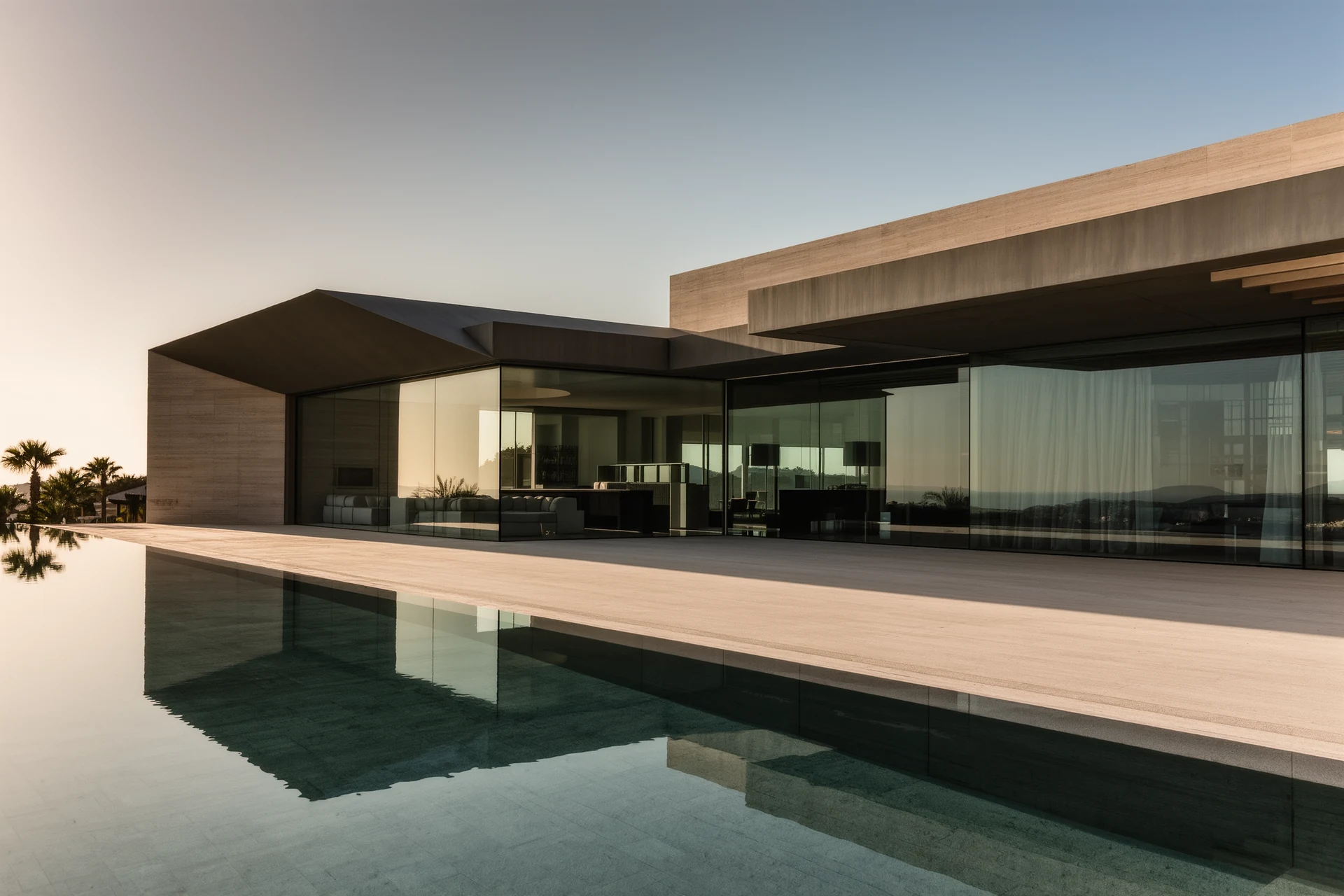
Architectural Digest Marbella: Luxury Living in Southern Spain
Marbella: A Taste of Luxury Living in Southern Spain Thinking about Marbella and wondering if it lives up to its luxury reputation? The short answer i…

Exquisite Luxury Villa Design in Spain
When it comes to exquisite luxury villa design in Spain, we’re talking about more than just big houses. It’s about blending stunning archi…
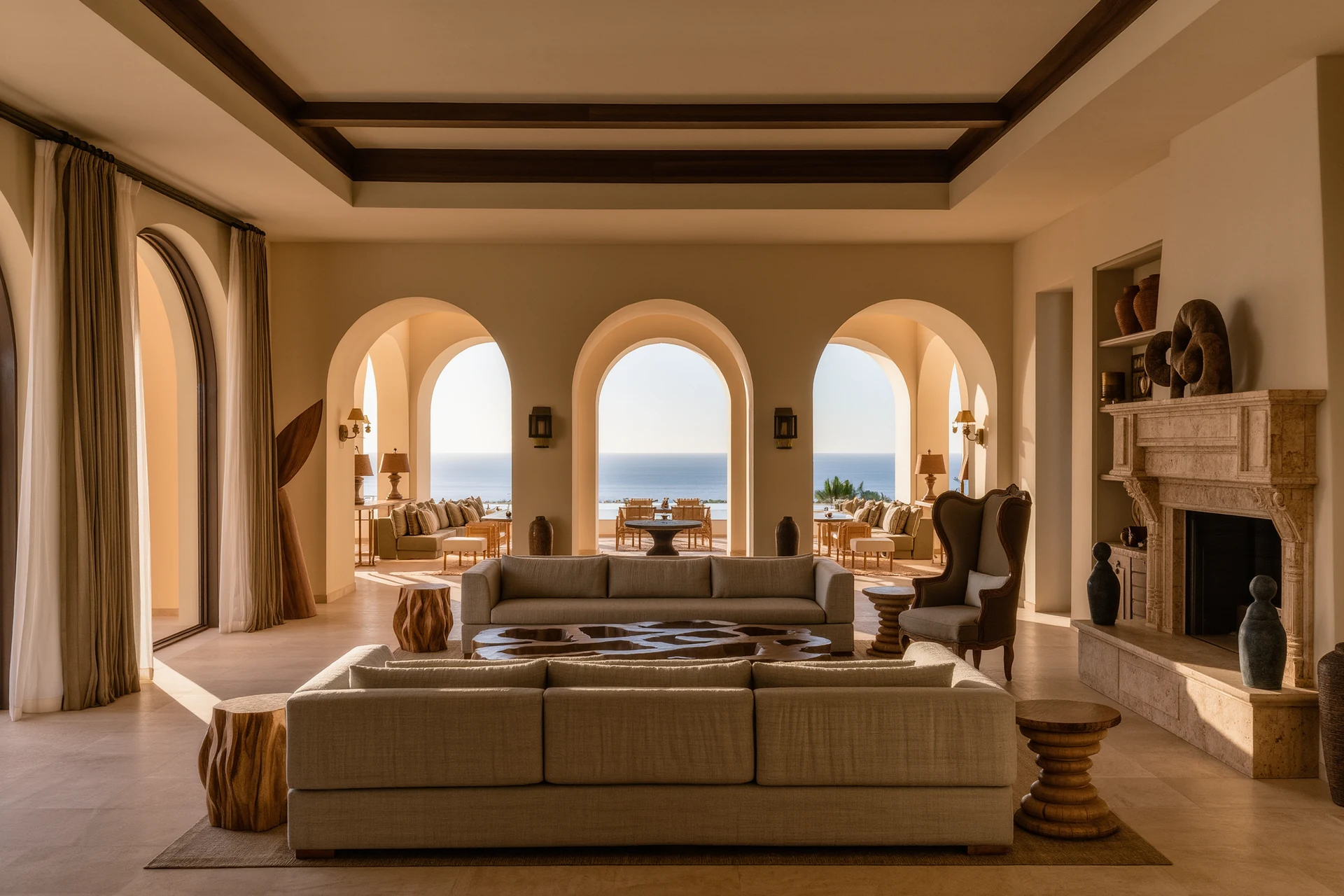
Discover High-End Furniture in Marbella
So, you’re looking for high-end furniture in Marbella? The short answer is yes, absolutely, you can find fantastic, luxurious pieces here. Marbe…