Exquisite Luxury Villa Design in Spain
When it comes to exquisite luxury villa design in Spain, we’re talking about more than just big houses. It’s about blending stunning architecture with the unique Spanis…
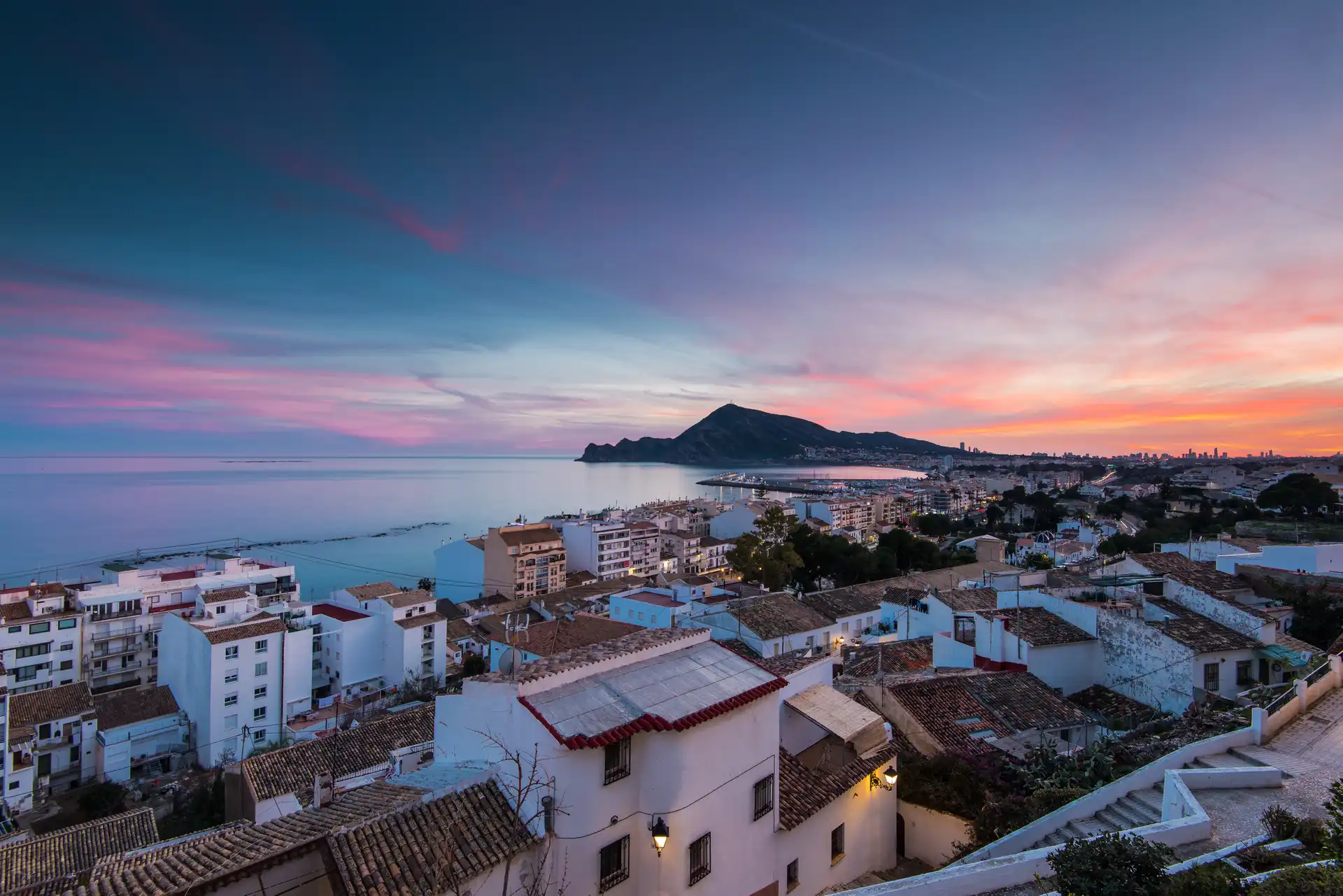
When it comes to exquisite luxury villa design in Spain, we’re talking about more than just big houses. It’s about blending stunning architecture with the unique Spanish landscape and climate, creating homes that offer comfort, beauty, and often, a really deep connection to their surroundings. Think advanced design principles, high-end materials, and smart technology all working together seamlessly.
Understanding the Spanish Context for Luxury Villa Design
Designing a luxury villa in Spain isn’t just about dropping a fancy house anywhere. The climate here varies quite a bit, from the hot, dry south to the more temperate north, and this plays a huge role in how these homes are designed. Sunlight, temperature, and even prevailing winds are all factored in.
Regional Influences on Design
Take, for example, Andalusia in the south. Here, you’ll often see designs that incorporate courtyards, thick walls, and small windows to keep interiors cool, echoing traditional Moorish architecture. Moving up to the Costa del Sol, you’ll find more contemporary designs that embrace open-plan living and expansive glass to maximize sea views, while still considering sun protection. In regions like Catalonia or the Balearic Islands, you might see a blend of traditional stone and modern elements, respecting the local vernacular while adding a touch of contemporary flair. Each region presents its own set of challenges and opportunities that designers thoughtfully address.
Adapting to the Climate
The Spanish climate, known for its intense sun and often high temperatures, is a primary driver in luxury villa design. Smart design isn’t just about aesthetics; it’s about making the home comfortable and energy-efficient. This involves strategic shading solutions like deep overhangs, pergolas, and retractable awnings that can be adjusted with the sun’s movement. Incorporating natural ventilation systems, like cross-ventilation through carefully placed windows and openings, helps to cool interiors without constant reliance on air conditioning. Materials with good thermal mass, such as local stone or concrete, are often used to absorb heat during the day and release it slowly at night, moderating indoor temperatures naturally.
Key Architectural Styles and Trends
Luxury villa design in Spain is a dynamic field, constantly evolving while still drawing inspiration from its rich architectural heritage. You’ll find a fascinating mix of styles that cater to diverse tastes.
Modern and Contemporary Aesthetics
When most people think of luxury villas today, they often picture modern or contemporary designs. These styles prioritize clean lines, open-plan layouts, and an emphasis on natural light. Large, floor-to-ceiling windows and sliding glass doors are common, blurring the boundaries between indoor and outdoor living spaces. Materials like polished concrete, steel, and expansive glass are frequently used, often contrasted with warmer elements like natural wood or local stone to prevent the space from feeling too stark. The goal is often to create a sleek, minimalist look that highlights the surrounding views and provides a sense of spaciousness.
Mediterranean and Traditional Elements
Despite the rise of modernism, Mediterranean and traditional elements remain highly popular, often reinterpreted for contemporary living. This can manifest in features like terracotta roof tiles, whitewashed walls, internal courtyards, and archways. These designs often evoke a sense of timeless elegance and connection to the local culture. However, even within these traditional frameworks, you’ll find modern amenities and a refined finish. It’s not about replicating old styles exactly, but about drawing inspiration from them to create something fresh and relevant, often incorporating features that enhance natural cooling and outdoor living, which are inherent to traditional Mediterranean architecture.
Blending Styles: Eclecticism in Design
Increasingly, luxury villa designs in Spain aren’t sticking to one strict style. Instead, designers are expertly blending elements from different aesthetics to create truly unique homes. You might see a contemporary structure that incorporates traditional Spanish tiles or an ultra-modern interior within a more classic Mediterranean shell. This eclectic approach allows for greater personalization and enables the creation of spaces that feel both cutting-edge and deeply rooted in their location. The key is balance and thoughtful integration, ensuring that disparate elements harmonize rather than clash, resulting in a sophisticated and layered aesthetic.
Designing for Seamless Indoor-Outdoor Living
One of the defining characteristics of luxury villas in Spain, particularly given the climate, is the emphasis on creating a fluid connection between indoor and outdoor spaces. It’s not just about having a terrace; it’s about making the outdoors an extension of the home.
Expansive Terraces and Patios
Terraces and patios are central to this concept. They aren’t just add-ons; they’re integrated living areas. Expect vast spaces, often covered to provide shade, featuring comfortable outdoor furniture, dining areas, and even outdoor kitchens. Materials chosen for these spaces often mirror or complement the interior, ensuring a smooth transition. Think large format tiles, natural stone, or decking that flows directly from the internal flooring, minimizing thresholds and creating an uninterrupted visual line from inside out. These areas become primary gathering spots for relaxation and entertaining, effectively expanding the usable square footage of the home.
Integrated Gardens and Landscaping
The garden is rarely an afterthought in luxury villa design. It’s meticulously planned to complement the architecture and provide privacy, beauty, and often, a microclimate. Landscapers often use native plants that are well-suited to the Spanish climate, conserving water and requiring less maintenance. Features like infinity pools that seem to merge with the horizon, thoughtfully placed water features for their soothing sounds, and pathways that lead to secluded seating areas all contribute to a holistic outdoor experience. Lighting is also crucial, transforming the garden into a magical space at night and highlighting architectural features and planting.
Pool Areas as Central Features
The swimming pool often acts as the focal point of the outdoor area, and sometimes even the entire property. Beyond just being a place to swim, luxury pools are designed as integrated landscape features, often featuring sophisticated lighting, zero-edge or infinity designs that offer breathtaking views, and integrated jacuzzi areas. Surrounding the pool, you’ll find expansive sun decks with high-end loungers, shaded cabanas, and often, an adjacent pool house or bar for ultimate convenience. The design seamlessly connects the pool to the main living areas, making it an ever-present element of the villa’s appeal.
High-End Materials and Finishes
The “luxury” in luxury villa design truly shines through in the quality and choice of materials. This isn’t just about expense; it’s about durability, aesthetic impact, and how they contribute to the overall experience of the home.
Natural Stone and Exotic Woods
Natural stone is a staple, used for flooring, countertops, accent walls, and even exterior cladding. Marble, granite, travertine, and local Spanish stones like Marfil cream or Rojo Alicante are frequently chosen for their timeless beauty and robust nature. Each slab is often unique, adding character. Exotic woods, such as ipe for outdoor decking or refined oak and walnut for interior flooring and cabinetry, bring warmth and richness. These materials are selected not just for their appearance but also for their ability to age gracefully and withstand the climate.
Advanced Glazing and Façade Systems
Given the importance of views and natural light, advanced glazing is paramount. This includes large format, frameless or minimally framed glass panels that offer unobstructed views. High-performance glass with excellent thermal insulation properties is crucial to manage heat gain in summer and retention in winter, contributing to energy efficiency. Façade systems often incorporate innovative materials and designs that provide solar shading, improve ventilation, or even integrate photovoltaic cells, blending aesthetic appeal with practical functionality and sustainability. This careful selection ensures comfort while maximizing connection to the outdoors.
Bespoke Fixtures and Custom Craftsmanship
True luxury often lies in the details, and this is where bespoke fixtures and custom craftsmanship come into play. Rather than off-the-shelf items, luxury villas often feature kitchens and bathrooms with custom-designed cabinetry, unique hardware, and state-of-the-art appliances that are integrated seamlessly. Lighting fixtures are often custom-made or sourced from high-end designers to create specific ambiances. Everything from custom wrought ironwork on balconies to hand-carved wooden details or specialized tiling work contributes to a sense of uniqueness and unparalleled quality, reflecting the homeowner’s individual taste and the designer’s vision.
Smart Home Technology and Sustainability
Modern luxury villas in Spain aren’t just beautiful; they’re also intelligent and eco-conscious, integrating advanced technology and sustainable practices that enhance comfort and minimize environmental impact.
Integrated Smart Home Systems
At the core of many luxury villas are integrated smart home systems. These systems allow homeowners to control practically every aspect of their environment with the touch of a button or a voice command. This includes lighting (often dimmable and color-changing to set different moods), climate control (heating, ventilation, and air conditioning), security systems complete with CCTV and smart locks, and entertainment systems that can deliver audio and video to every room. Blinds and curtains can be automated to open and close with the sun’s position or to provide privacy. The aim is to create an intuitive and responsive living experience that is both convenient and highly personalized.
Energy Efficiency and Renewable Energy
Sustainability is no longer an optional extra but a cornerstone of luxury design. Villas are increasingly incorporating energy-efficient building materials and techniques, such as superior insulation, double or triple glazing, and low-emissivity coatings on windows. Renewable energy sources are becoming standard. Solar panels for electricity generation (photovoltaic) and water heating are common, often seamlessly integrated into the roof design. Geothermal heating and cooling systems are also gaining traction for their efficiency. The goal is to reduce reliance on the grid and minimize the carbon footprint without compromising on comfort or style.
Water Management and Eco-Friendly Practices
Given Spain’s climate, responsible water management is a critical aspect of sustainable villa design. This includes rainwater harvesting systems, which collect and store rainwater for irrigation and other non-potable uses. Greywater recycling systems can treat water from sinks and showers for landscape irrigation. Drought-resistant landscaping using native plant species significantly reduces the need for irrigation. Beyond water, designers often specify eco-friendly materials that are recycled, locally sourced, or have a low environmental impact in their production. This holistic approach ensures that luxury living aligns with environmental responsibility.
The Role of Interior Design and Furnishings
While the architecture sets the stage, it’s the interior design and furnishing that truly transform a luxury villa into a home, reflecting the owner’s personality and creating inviting, functional spaces.
Curated Furnishings and Art Collections
Luxury villas are rarely filled with mass-produced furniture. Instead, interiors are carefully curated, often featuring bespoke pieces, designer furniture from renowned brands, and unique artworks. The selection process is highly personal, reflecting the owner’s taste, and often guided by experienced interior designers. Whether it’s a statement chandelier, custom-designed seating arrangements, or a carefully positioned sculpture, each element is chosen to contribute to the overall aesthetic and create a sense of refined elegance. Art collections are frequently integrated into the design scheme, with spaces specifically designed to showcase paintings, sculptures, or other valuable pieces.
Color Palettes and Textural Richness
The choice of color palette is crucial in setting the mood of a luxury villa. Often, serene and sophisticated neutral tones form the base, whites, creams, greys, and muted earthy tones, allowing natural light and the vibrant Spanish landscape to provide pops of color. These neutrals also create a calming backdrop that allows statement furniture, artworks, or accent colors to truly shine. Textural richness is achieved through a variety of materials: plush velvet, soft linens, raw silk, natural wood grains, polished stone, and woven textiles. This layering of textures adds depth and visual interest, making spaces feel luxurious and inviting without being overly flamboyant.
Lighting Design for Atmosphere and Function
Beyond the standard ceiling lights, lighting design in a luxury villa is an art form. It’s not just about illuminating a space; it’s about creating atmosphere, highlighting architectural features, and ensuring functionality. Multiple layers of lighting are employed: ambient lighting (for general illumination), task lighting (for specific activities like reading or cooking), and accent lighting (to draw attention to art, architectural details, or textures). This is often achieved through a combination of recessed lighting, elegant chandeliers, floor lamps, wall sconces, and carefully positioned outdoor lighting. Smart lighting systems allow for precise control, enabling residents to adjust brightness and color temperature to suit any mood or occasion, truly transforming the perception of the space throughout the day and night.
FAQs
What is a luxury villa design in Spain?
A luxury villa design in Spain refers to the architectural and interior design of high-end residential properties in Spain. These properties are typically spacious, well-appointed, and designed to offer a luxurious and comfortable living experience.What are some common features of luxury villa designs in Spain?
Common features of luxury villa designs in Spain may include expansive living areas, high-end finishes and materials, panoramic views, outdoor living spaces such as terraces and gardens, swimming pools, and state-of-the-art amenities such as home theaters and spa facilities.What are some popular architectural styles for luxury villa designs in Spain?
Popular architectural styles for luxury villa designs in Spain include traditional Spanish architecture such as Andalusian or Mediterranean styles, as well as contemporary and modern designs that incorporate sleek lines, open floor plans, and minimalist aesthetics.What are some key considerations in luxury villa design in Spain?
Key considerations in luxury villa design in Spain include maximizing natural light and views, incorporating outdoor-indoor living spaces, selecting high-quality materials and finishes, and ensuring a seamless flow between different areas of the property.What are some renowned luxury villa design firms in Spain?
Some renowned luxury villa design firms in Spain include A-cero, OHLAB, and Fran Silvestre Arquitectos, among others. These firms are known for their innovative and high-quality designs that cater to the luxury residential market in Spain.More from Architecture & Interior Design
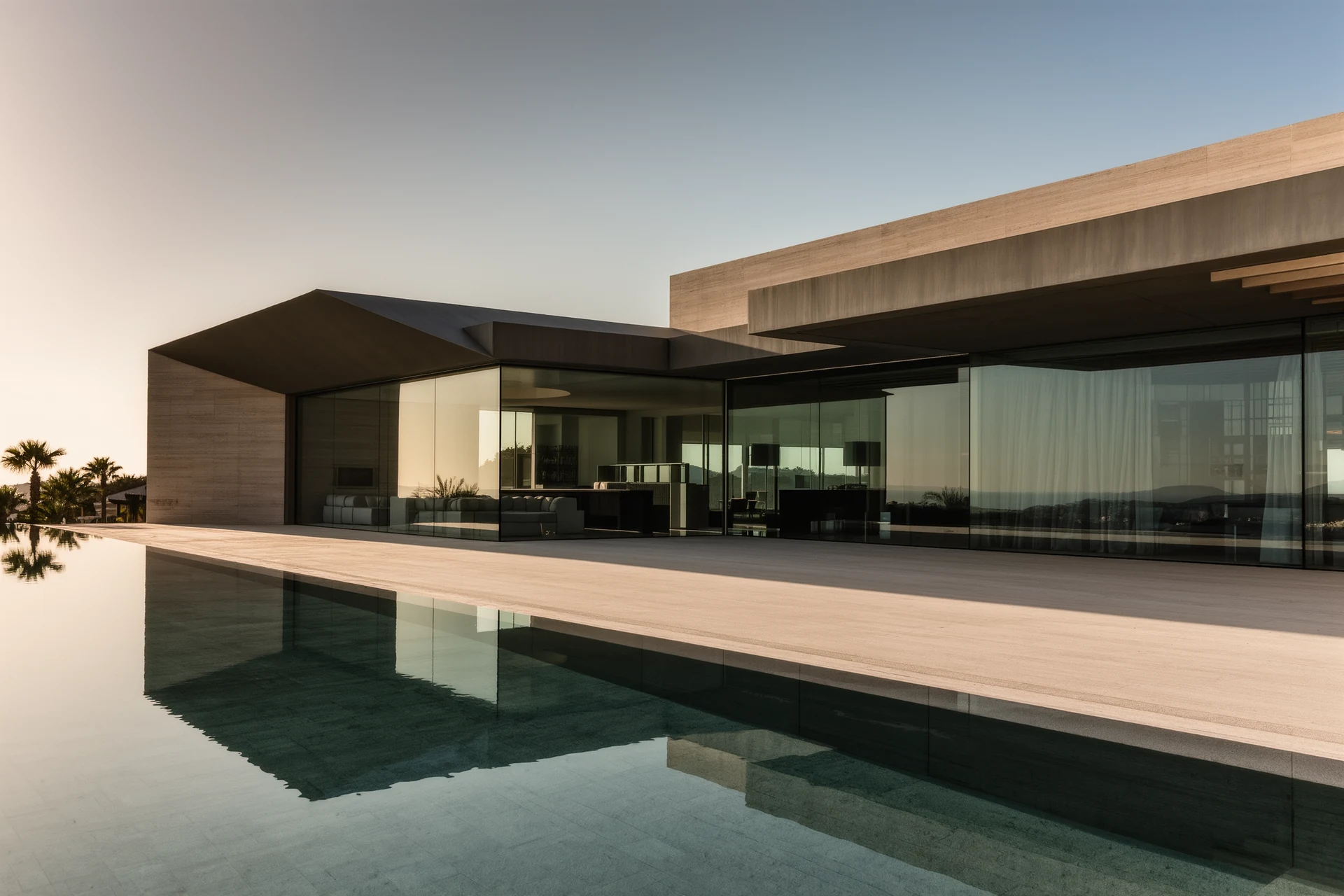
Architectural Digest Marbella: Luxury Living in Southern Spain
Marbella: A Taste of Luxury Living in Southern Spain Thinking about Marbella and wondering if it lives up to its luxury reputation? The short answer i…
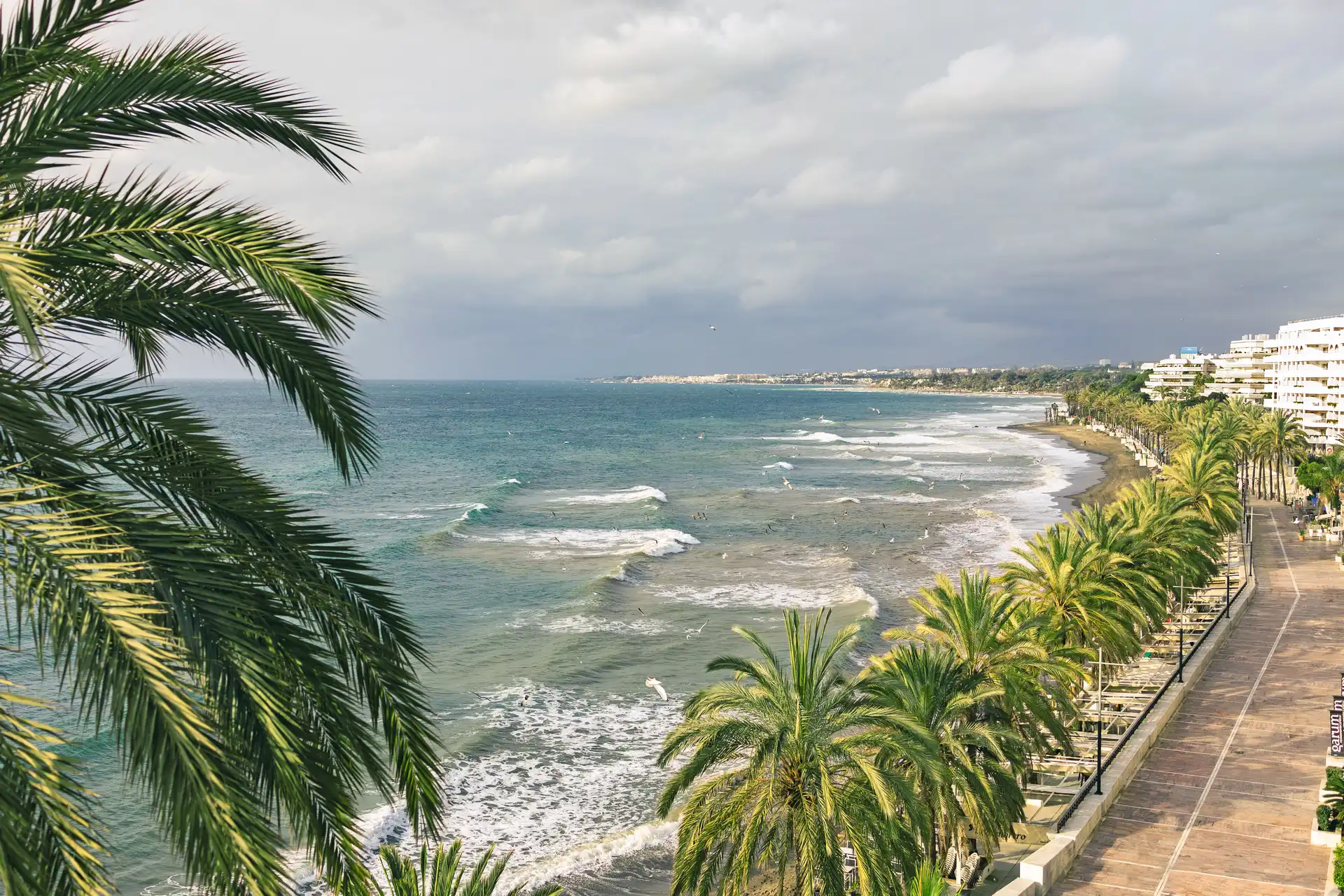
Coastal Chic: Interior Design Costa del Sol
Let’s dive into the world of Costa del Sol interior design. The ‘Coastal Chic’ style on the Costa del Sol isn’t ju…
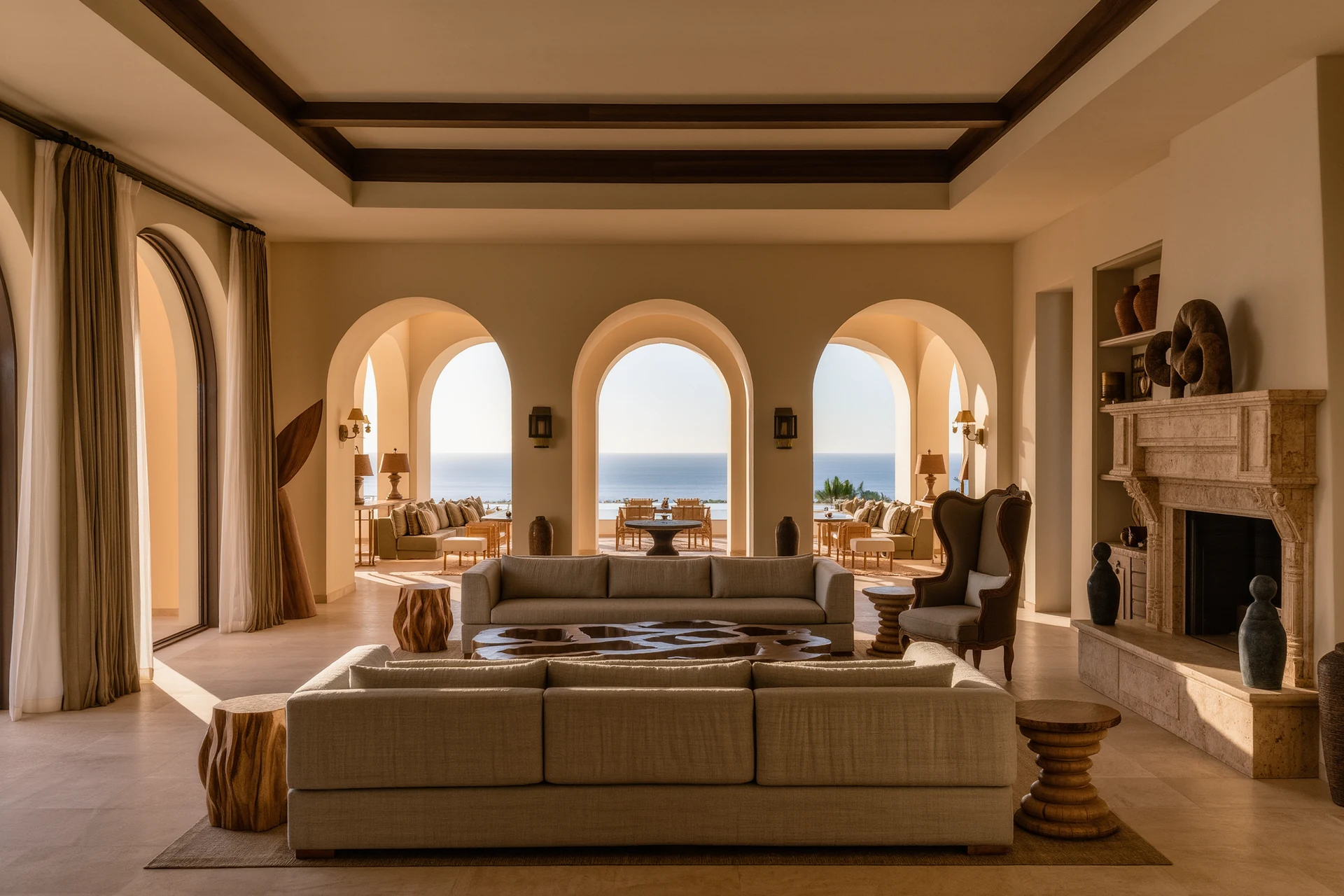
Discover High-End Furniture in Marbella
So, you’re looking for high-end furniture in Marbella? The short answer is yes, absolutely, you can find fantastic, luxurious pieces here. Marbe…