Costa del Sol Events Calendar: What’s On
So, you’re wondering what’s happening on the Costa del Sol? The answer is: a lot, all year round. From vibrant local fiestas to international music festivals and cultur…
So, you’re wondering what’s happening on the Costa del Sol? The answer is: a lot, all year round. From vibrant local fiestas to international music festivals and cultural exhibitions, there’s always something going on. Forget the idea that it’s just a summer destination; the Costa del Sol thrives with activity across all seasons, offering a diverse array of events to suit every taste.
Kicking Off the Year: Festivals and Celebrations
The start of the year on the Costa del Sol is anything but quiet. January may be a cooler month, but it warms up quickly with a flurry of cultural and traditional events.
Three Kings’ Day Parades (January 5th & 6th)
This is probably the most magical event for families. On the evening of January 5th, towns and cities across the Costa del Sol host magnificent parades (Cabalgatas de Reyes Magos) where the Three Kings (Melchior, Gaspar, and Baltasar) throw sweets to excited children lining the streets. The atmosphere is electric, filled with music, elaborate floats, and widespread joy. January 6th is a public holiday, a day for families to gather and open presents, much like Christmas Day in other cultures. Each town puts its own spin on it. Marbella, Malaga, and Estepona usually have particularly grand parades.
San Sebastian Day (January 20th)
San Sebastian is the patron saint of numerous towns in Andalusia, and while not a huge national holiday, many smaller villages and communities on the Costa del Sol will have local celebrations. These often involve religious processions, small local markets, and sometimes traditional music and dancing. It’s a great opportunity to experience a more authentic, community-focused fiesta away from the larger tourist hubs. Look out for events in smaller towns like Alhaurín de la Torre or Gaucín.
Carnaval (February/March)
The Costa del Sol embraces Carnaval with open arms. While not as famous as Cadiz, Malaga’s Carnaval is a spectacle in itself, featuring a grand parade, satirical ‘murgas’ and ‘comparsas’ singing groups, and a general air of revelry. Smaller towns also celebrate with impressive costumes, street parties, and competitions. The exact dates vary each year as it’s tied to Easter, but it generally falls in late February or early March. It’s a fantastic time to witness local creativity and lighthearted fun. Dress up if you dare!
Spring into Action: Culture and Semana Santa
As temperatures rise, so does the intensity of events. Spring brings profound religious traditions and a blossoming of cultural activities.
Semana Santa (Holy Week – March/April)
This is arguably the most significant cultural event in Andalusia, and the Costa del Sol is right in the thick of it. Semana Santa is a deeply moving and visually stunning experience, featuring solemn processions with elaborately decorated floats (tronos or pasos) carrying statues of Christ and the Virgin Mary. Penitent cofradías (brotherhoods) in traditional robes and pointed hoods (capirotes) parade through the streets, accompanied by marching bands playing mournful music. Malaga city’s Semana Santa is declared of International Tourist Interest and is particularly grand, with massive floats carried by hundreds of people. Other towns like Marbella, Estepona, and Vélez-Málaga also have impressive processions, offering a different, often more intimate, perspective. It’s not a time for wild partying, but rather for quiet reverence and observation of centuries-old traditions.
Local Spring Fairs (Ferias de Primavera – April/May)
Following Semana Santa, the region lightens up considerably with the arrival of the spring ferias. These are traditional Andalusian fairs, bursting with colour, music, and dance. Expect flamenco performances, horse parades, traditional food stalls, thrilling fairground rides, and an abundance of fino sherry. The Feria de Primavera in Marbella or the Feria de Mayo in Estepona are great examples. These fairs are a fantastic way to experience authentic Andalusian culture, often with a mix of modern entertainment and deep-rooted traditions. Each town’s feria has its own distinct character, so it’s worth checking out the schedule for local nuances.
International Jazz Festival (May/June)
While not an annual fixture in every Costa del Sol town, various municipalities often host international jazz festivals in late spring or early summer. Malaga, with its cultural vibrancy, is a frequent host of top-tier jazz musicians. These festivals bring a sophisticated musical flavour to the region, often featuring both renowned international artists and talented local acts. Keep an eye on local listings for specific dates and venues, as these can vary year to year.
Summer Sizzle: Music, Festivals and Beach Life
Summer on the Costa del Sol is synonymous with outdoor events, live music, and soaking up the sun. The long evenings are perfect for open-air concerts and street parties.
St. John’s Eve (Noche de San Juan – June 23rd)
This is a magical night celebrated with bonfires and fireworks along the entire coastline. People gather on the beaches to light bonfires, often burning old furniture or effigies (júas), and jump over them for good luck. Many take a midnight dip in the sea, believed to cleanse the soul and bring good fortune for the year ahead. Malaga’s Malagueta beach is usually a lively spot, but any beach along the coast will offer a glimpse of this ancient tradition. It’s a fantastic evening for families and friends to celebrate the summer solstice.
Summer Music Festivals (June – August)
The Costa del Sol becomes a hub for live music in the summer. From boutique events to large-scale international festivals, there’s something for every musical taste.
- Starlite Occident (Marbella): This is arguably the most famous and luxurious music festival on the Costa del Sol, attracting A-list international artists to its unique open-air auditorium in a former quarry. Held throughout July and August, it offers an unparalleled concert experience.
- Marenostrum Fuengirola: Located at the Sohail Castle, this venue hosts a superb lineup of national and international artists throughout the summer. It’s known for its stunning setting and diverse programme, ranging from pop and rock to electronic music.
- Local Concert Series: Almost every town will have its own series of free or low-cost concerts in parks, plazas, and auditoriums. These often feature local bands, flamenco, and classical music, offering a more intimate cultural experience. Check with local tourist offices for schedules.
Virgen del Carmen Festivities (July 16th)
The Virgen del Carmen is the patron saint of sailors and fishermen, and her feast day is celebrated with great passion in coastal towns. Fishermen adorn their boats with flowers and carry statues of the Virgin out to sea in a colourful procession. Towns like Estepona, Fuengirola, and Malaga’s El Palo district have particularly vibrant celebrations, often accompanied by fireworks, food stalls, and traditional music. It’s a beautiful tribute to the sea and those who make their living from it.
Marbella Feria (June) & Malaga Feria (August)
These are two of the biggest and most anticipated annual events.
- Marbella Feria: Kicking off summer, Marbella’s feria is a vibrant week-long celebration with a daytime fair in the old town (Feria de Día) and an evening fair on the fairgrounds (Feria de Noche) with rides, casetas (tents with food, drink, and music), and flamenco.
- Malaga Feria: The Malaga Feria is an absolute must-experience. Held in mid-August, it’s one of Spain’s largest and most famous ferias. The city transforms into a party zone, with flamenco, traditional dress, music, and dancing in the historic centre during the day (Feria de Día) and a huge fairground just outside the city for the evening (Feria de Noche). Expect horse-drawn carriages, street performers, and an incredibly lively atmosphere. It’s a full-on immersion into Andalusian festive culture.
Autumn Vibes: Harvest, Culture, and Gastronomy
As the intense summer heat subsides, autumn brings a more relaxed pace, but no less activity. It’s a great time for foodies and those looking for unique cultural experiences.
Moonlight Concerts and Open-Air Cinema (September)
With cooler evenings, many venues continue their outdoor entertainment well into September. Look out for “conciertos bajo la luna” (moonlight concerts) or open-air cinema screenings that take advantage of the pleasant temperatures. These often take place in historical settings or beautiful parks, offering a magical experience.
Feria de San Miguel (Torremolinos – Late September)
Torremolinos’ feria is one of the last major summer-style ferias on the Costa del Sol calendar. It’s a lively affair, celebrating the town’s patron saint with a vibrant daytime feria in the town center and a buzzing night fair with rides and casetas. It’s a fantastic way to extend the summer festivities.
Gastronomy Events and Food Festivals (September – November)
Autumn is harvest season, and the Costa del Sol celebrates its culinary heritage.
- Grape Harvest Festivals (Fiestas de la Vendimia): In towns closer to the vineyards, such as Manilva or Cómpeta, you might find grape harvest festivals in September. These celebrations often involve grape crushing demonstrations, wine tasting, and traditional music.
- Mushroom Forays (Jornadas Micológicas): As the first rains arrive, the hills become prime territory for mushrooms. Some inland towns and natural parks will host guided mushroom forays and gastronomic events dedicated to fungi.
- Chestnut Festivals (Fiestas de la Castaña): In the cooler, mountainous regions (like the Genal Valley or Sierra de las Nieves), villages celebrate the chestnut harvest in late October or November. These feature roasted chestnuts, local liqueurs, and traditional dishes. These are wonderful opportunities to explore the authentic, rural side of the Costa del Sol.
Halloween and All Saints’ Day (October 31st & November 1st)
While All Saints’ Day (Día de Todos los Santos) on November 1st is a traditional solemn public holiday where families visit cemeteries to honour their deceased loved ones, Halloween (October 31st) has become increasingly popular, especially among younger generations. Many towns, particularly those with a higher international population, will host Halloween parties, trick-or-treating events, and costume competitions. Theme parks and entertainment venues often put on special spooky events.
Winter Wonders: Christmas, Culture, and Cooler Charms
Don’t dismiss the Costa del Sol in winter. While it’s cooler, the mild climate still allows for outdoor activities, and the end of the year brings a special festive charm.
Christmas Lighting and Markets (Late November – January 6th)
The official start of the Christmas season on the Costa del Sol is marked by the spectacular Christmas lights. Malaga city is particularly famous for its Calle Larios light and sound show, which attracts thousands of visitors nightly. Many other towns also put on impressive displays.
- Christmas Markets: Throughout December, towns host charming Christmas markets (Mercados de Navidad) selling handmade crafts, festive food, and unique gifts. These are great places to soak up the atmosphere, enjoy a hot chocolate, and find some unique souvenirs. Marbella, Estepona, and Fuengirola often have popular markets.
New Year’s Eve Celebrations (Nochevieja – December 31st)
New Year’s Eve is celebrated with fireworks and gatherings in town squares. The tradition is to eat 12 grapes at midnight, one with each chime of the clock, to bring good luck for the new year. Malaga’s Plaza de la Constitución and Marbella’s Plaza de los Naranjos are popular spots where people gather to see in the new year. Restaurants and hotels also host special gala dinners and parties.
Exhibitions and Performing Arts (Winter Months)
The cooler months are a prime time for indoor cultural events. Malaga, in particular, boasts an impressive array of museums (Picasso Museum, Carmen Thyssen Museum, Centre Pompidou Malaga, Russian Museum Collection) which frequently host rotating exhibitions. The Cervantes Theatre in Malaga and other local auditoriums schedule a full programme of theatre, opera, dance, and classical music performances. This is a great time to delve deeper into Spanish and international art and culture without the summer crowds.
Sporting Events
While not constant, various sporting events take place throughout the year, especially outside the peak summer heat.
- Marathons and Half Marathons: Malaga hosts a popular marathon in December, and other towns often have half marathons or 10k races in the spring and autumn.
- Golf Tournaments: The Costa del Sol is renowned as the “Costa del Golf,” and there are numerous amateur and professional tournaments taking place at its many world-class golf courses throughout the year.
- Cycling and Hiking Events: The diverse landscape of mountains and coastline lends itself well to cycling and hiking challenges, particularly in spring and autumn.
Practical Tips for Enjoying Costa del Sol Events
Navigating events on the Costa del Sol is pretty straightforward with a bit of planning.
Where to Find Information
- Local Tourist Offices: This is your best friend. Every major town has a tourist office (Oficina de Turismo) where you can pick up event calendars, brochures, and ask for up-to-date information.
- Town Hall Websites: Most Ayuntamientos (Town Halls) publish their event schedules online. Look for sections like “Agenda Cultural,” “Eventos,” or “Noticias.”
- Local News Websites & Blogs: Search for “What’s On Costa del Sol” or “Eventos Costa del Sol” on Google. Several expat-focused websites and local news portals often compile event listings.
- Social Media: Follow official town pages, tourist boards, and event organizers on platforms like Facebook and Instagram for real-time updates.
Getting Around
- Public Transport: While efficient in some areas (e.g. Malaga to Fuengirola by train), public transport can be limited for inter-town travel, especially late at night after ferias or concerts.
- Taxis/Ride-Sharing: Readily available in most tourist areas, but can be expensive, especially during peak event times.
- Rental Car: Offers the most flexibility for exploring smaller towns and hidden gems, but parking can be a challenge in city centres during major events.
- Walking: Many town centres are pedestrian-friendly, making it easy to enjoy street events and ferias on foot.
Essential Advice
- Book Ahead: For popular concerts, theatre shows, or major festivals, tickets can sell out quickly. Book online well in advance.
- Check Times: Event times, especially for processions or parades, can be fluid. Always double-check closer to the date.
- Dress Appropriately: For religious events like Semana Santa, respectful attire is advised. For ferias, comfortable walking shoes are a must, and if you want to blend in, a touch of flamenco style never goes amiss!
- Stay Hydrated: Especially in summer, carry water and protect yourself from the sun.
- Embrace the Flow: Spanish events often run on ‘Spanish time,’ so be prepared for things to start a little later than advertised. Relax and enjoy the experience.
Whether you’re looking for profound cultural experiences, lively fiestas, world-class music, or simply a taste of local life, the Costa del Sol’s event calendar is packed year-round. It’s a region that loves to celebrate, and there’s always an open invitation to join in. So, next time you’re planning a trip, factor in some of these amazing happenings, you won’t regret it.
FAQs
What is the Costa del Sol events calendar?
The Costa del Sol events calendar is a comprehensive listing of upcoming events, festivals, concerts, and cultural activities taking place in the Costa del Sol region of Spain.Where can I find the Costa del Sol events calendar?
The Costa del Sol events calendar can be found on various websites, including official tourism websites, event organizers’ websites, and local news outlets. It is also often available in print at tourist information centers and hotels in the Costa del Sol region.What types of events are included in the Costa del Sol events calendar?
The Costa del Sol events calendar includes a wide range of events, such as music festivals, food and wine festivals, art exhibitions, theater performances, sporting events, and traditional local celebrations.How often is the Costa del Sol events calendar updated?
The frequency of updates to the Costa del Sol events calendar can vary depending on the source. However, it is generally updated regularly to include new events and to provide accurate information about dates, times, and locations.Is there a cost to access the Costa del Sol events calendar?
In most cases, access to the Costa del Sol events calendar is free of charge. However, some event organizers may require tickets or admission fees for specific events listed on the calendar.More from Events on the Coast
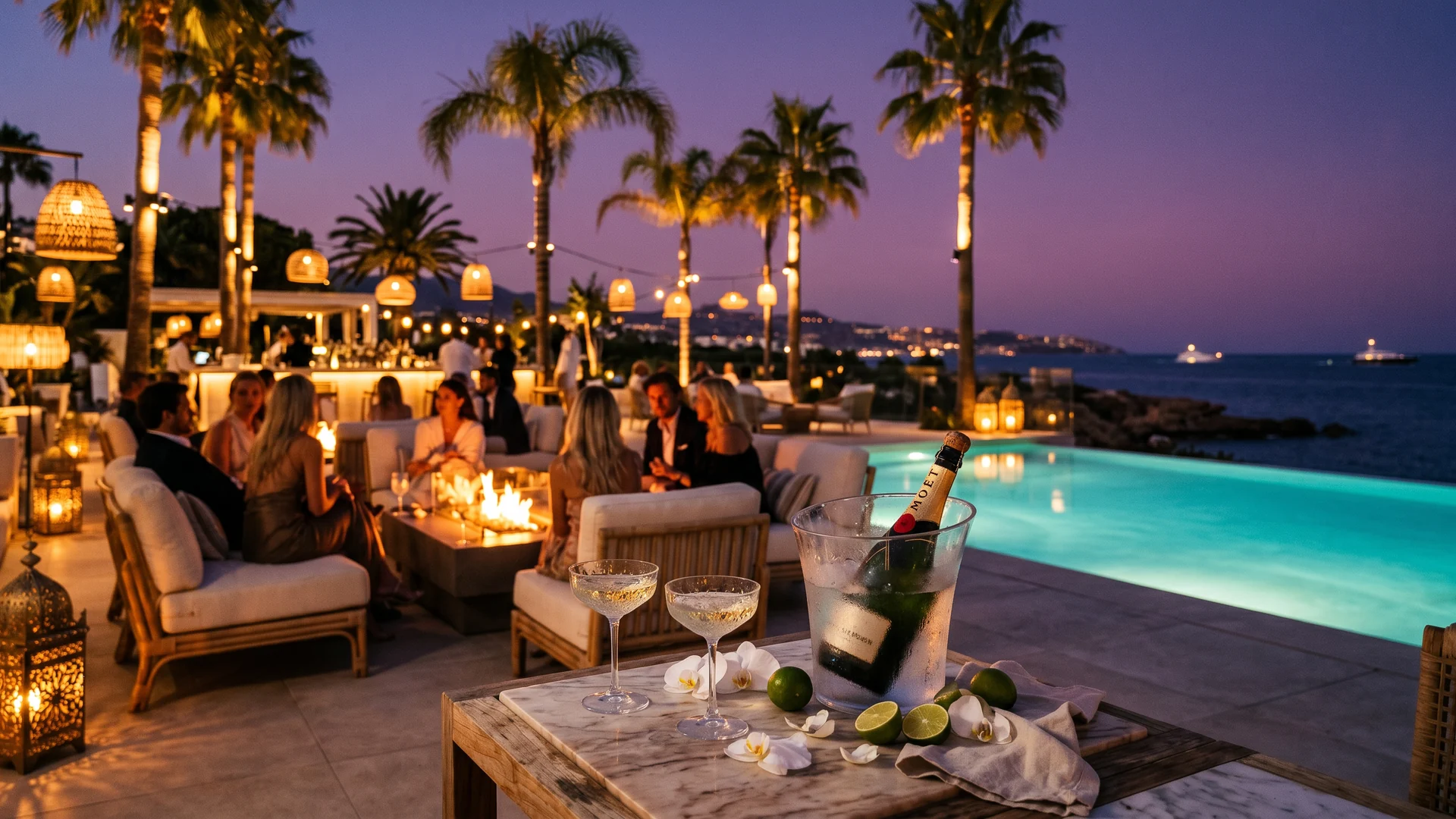
Costa del Sol Nightlife Guide
Costa del Sol nightlife guide: Marbella superclubs, Malaga Soho bars, Torremolinos LGBTQ scene, flamenco penas, dress codes, hours and prices from sun…
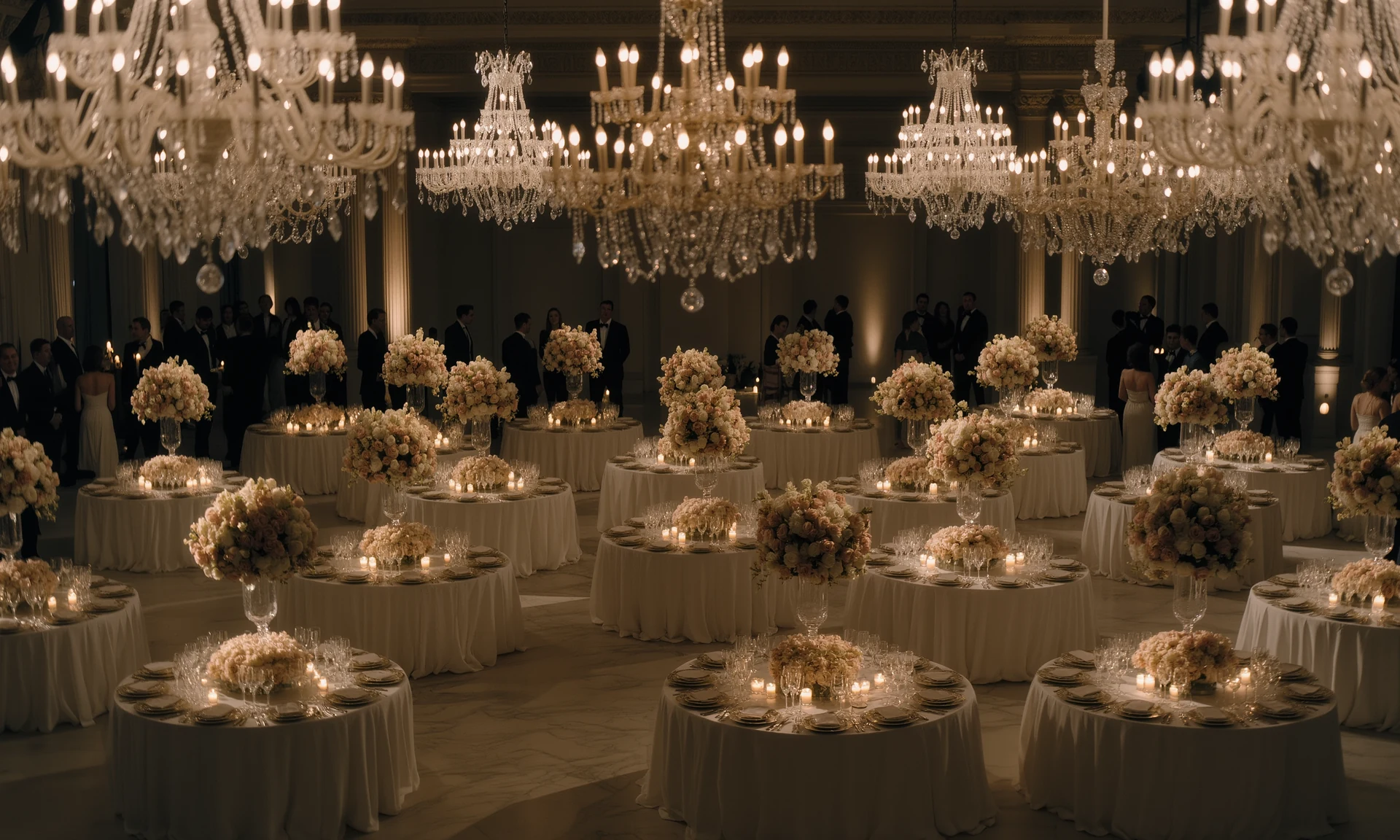
Ultimate Luxury Events in Marbella: Where Opulence Meets Elegance
When thinking about ultimate luxury events in Marbella, you’re really looking at a place where the sun-drenched Mediterranean lifestyle merges w…
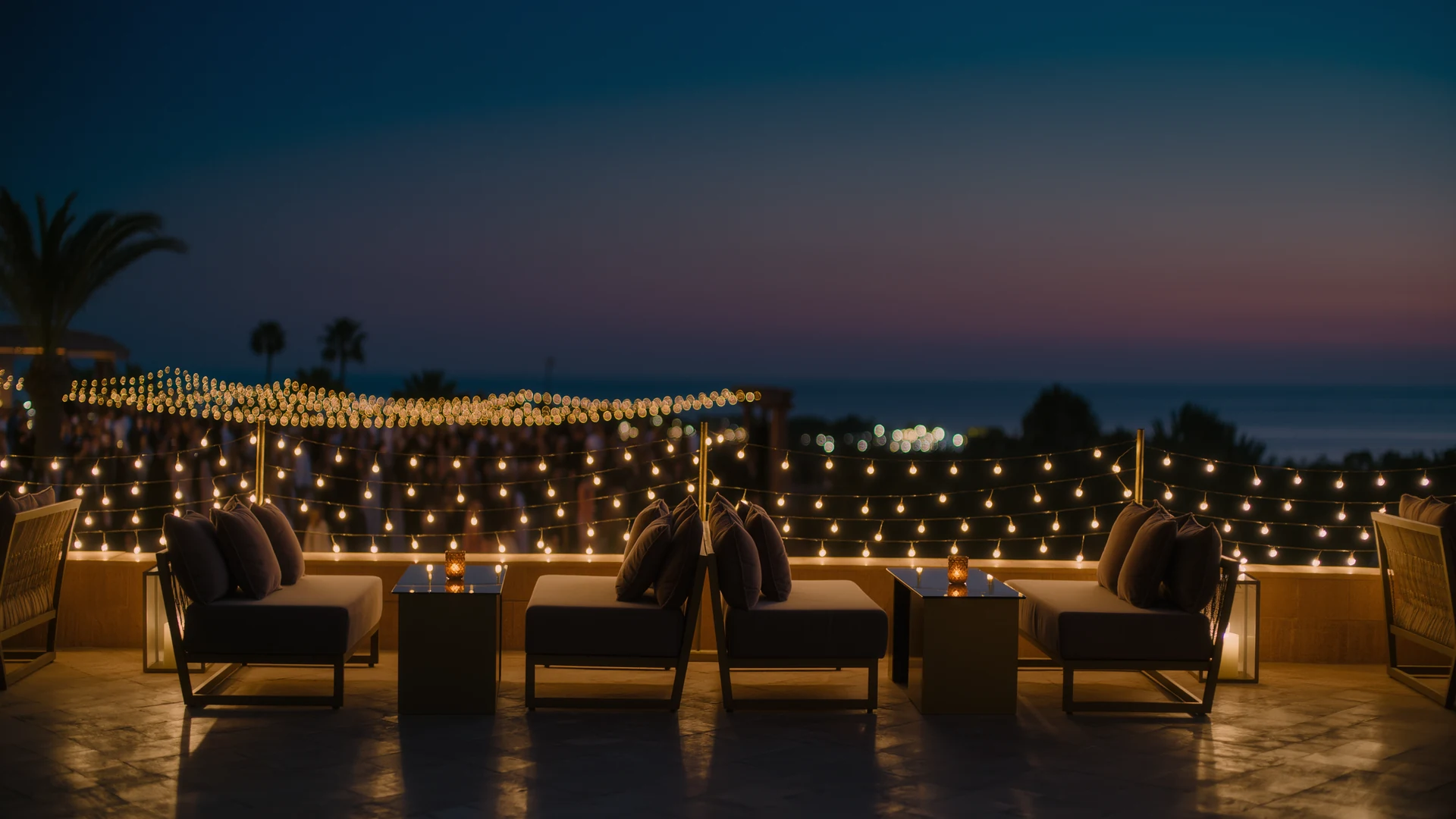
Exclusive Events in Spain: A Must-See Experience
Spain isn’t just about flamenco, tapas, and sun-drenched beaches, though those are fantastic. What often gets overlooked are the incredible exc…