Costa del Sol: The Ultimate Music Festival Destination
The Costa del Sol has quietly, and then not so quietly, become a powerhouse for music festivals. If you’re looking for sun, sea, and seriously good tunes, this stretch of sou…
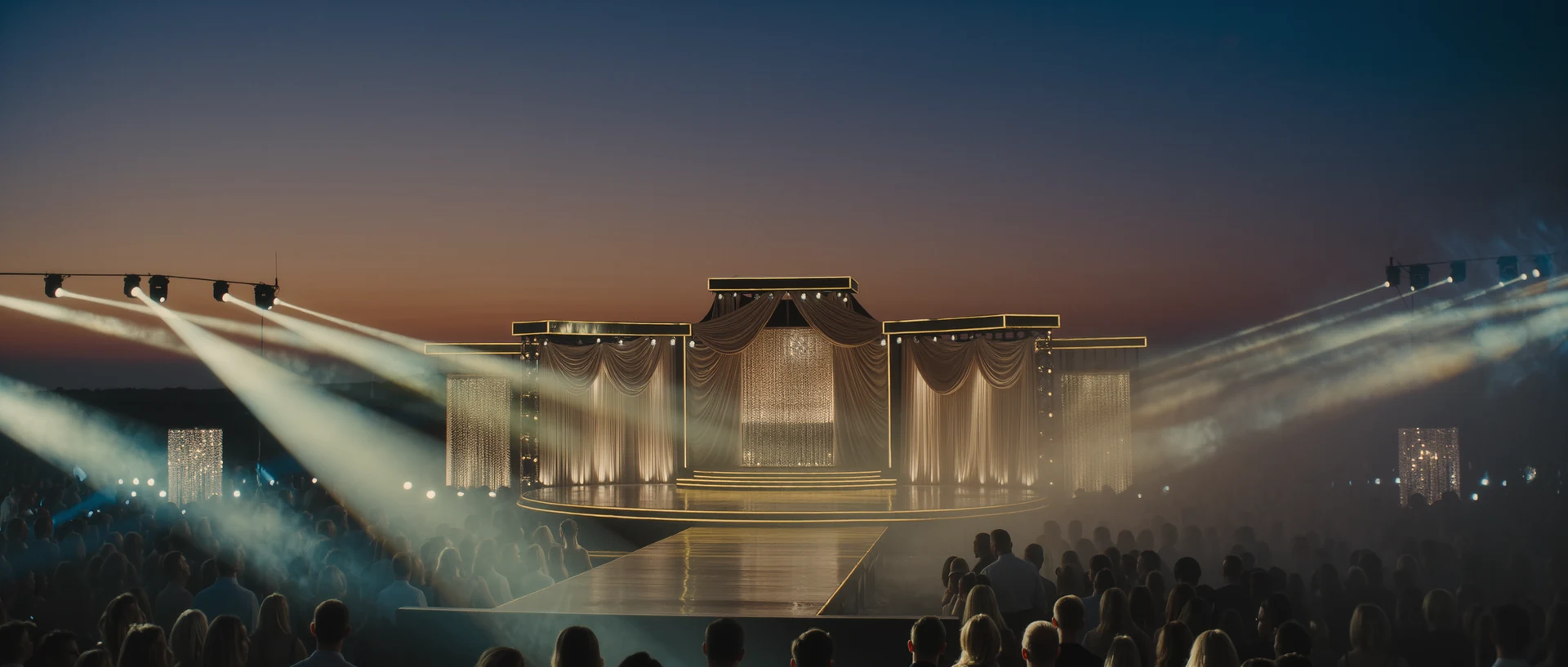
The Costa del Sol has quietly, and then not so quietly, become a powerhouse for music festivals. If you’re looking for sun, sea, and seriously good tunes, this stretch of southern Spain offers a surprising diversity of events throughout the year. From the biggest electronic names to intimate indie gigs, it’s a destination that genuinely caters to a broad range of musical tastes, often with the added bonus of stunning backdrops.
It’s not just about the music itself; the location plays a massive part. Think about it: reliably sunny weather, beautiful beaches for recovery days, and a well-developed tourism infrastructure that makes getting around and finding accommodation relatively painless. Plus, Malaga International Airport (AGP) is a major hub, making it easy to fly in from pretty much anywhere in Europe and beyond. This combination of factors takes a lot of the stress out of festival planning, letting you focus on enjoying the experience.
Year-Round Sunshine and Scenery
You don’t often associate music festivals with brilliant sunshine and warm evenings, but that’s the standard here. The Costa del Sol boasts over 320 days of sunshine a year, meaning festival-goers can generally expect good weather, whether they’re attending an event in spring, summer, or even autumn. The varied scenery, from the golden sands of Marbella to the dramatic cliffs of Nerja, provides unique backdrops that elevate the festival experience beyond a simple field or arena. Imagine watching your favourite band with the Mediterranean Sea shimmering in the distance, it’s a pretty compelling picture.
Accessibility and Infrastructure
Malaga Airport is a key player here. It’s one of Spain’s busiest airports, offering direct flights to countless European cities and some intercontinental destinations. Once you land, the region has excellent transport links, including a dependable train network connecting Malaga city to the coast, and a comprehensive bus network. This means getting to and from festival sites, and exploring the surrounding areas, is usually straightforward. Beyond transport, the sheer volume of hotels, apartments, and guesthouses along the coast, catering to all budgets, makes finding somewhere to crash after a long day (or night) of music a much simpler task than in some more isolated festival locations.
Beyond the Festival Gates: Exploring the Coast
Part of the appeal of a Costa del Sol festival is the opportunity to turn it into a full holiday. You’re not just flying in for a weekend of music and then leaving; you’ve got pristine beaches, charming white villages, historical sites, and delicious food right on your doorstep. Taking a day or two before or after the festival to explore places like Ronda, the Picasso Museum in Malaga, or the caves of Nerja can genuinely enrich your trip and make the whole experience feel less rushed and more fulfilling.
Key Players: Major Festivals on the Costa del Sol
While new events pop up and some occasionally fade, a few core festivals have cemented their place as must-attend events on the Costa del Sol’s musical calendar. These are often the ones that draw the biggest international names and attract an equally international crowd.
Weekend Beach Festival Torre del Mar
Held annually in early July, Weekend Beach Festival offers a diverse lineup that typically spans electronic, rock, pop, and urban music. It takes place right on the beach in Torre del Mar, providing a fantastic atmosphere where you can literally walk from the sand to the stages. The setting sun over the Mediterranean as the first headliner comes on is a truly memorable experience.
Diverse Line-up and Beachfront Location
Weekend Beach attracts a broad audience thanks to its eclectic programming. You’ll find world-renowned DJs sharing stages with veteran rock bands and burgeoning pop acts. The beachfront location isn’t just a marketing gimmick; it genuinely enhances the festival. Attendees can cool off in the sea during the day, enjoy the coastal breeze in the evening, and stumble back to nearby accommodation feeling refreshed. It’s a festival that perfectly marries the party vibe with the relaxing coastal lifestyle.
Beyond the Music: Food, Markets, and More
Like many Spanish festivals, Weekend Beach isn’t just about the stages. There are usually various food stalls offering local delicacies and international options, artisan markets selling unique crafts, and sometimes even water sports activities available during the day. It creates a well-rounded experience where there’s always something to do, even when your favorite act isn’t playing.
Starlite Occident (Marbella)
Starlite Occident is a different beast entirely. Running for over a month, typically from late June to early September, it’s less a single festival and more a series of high-profile concerts and events in an open-air auditorium carved into a quarry in Marbella. It combines music, gastronomy, and a glamorous setting, attracting a more mature and often A-list audience.
Music, Gastronomy, and Glamour
Starlite is known for attracting huge international names from across genres, think Elton John, Andrea Bocelli, Enrique Iglesias, and Sting, all performing in an intimate setting. But it’s not just about the music. The ‘auditorium’ itself is stunning, and the pre- and post-show areas offer gourmet dining experiences, DJ sets, and a generally sophisticated atmosphere. It’s an experience that’s as much about the ambiance and the setting as it is about the headline acts.
A Unique Open-Air Venue
The venue, “Cantera de Nagüeles,” is truly one-of-a-kind. Its natural rock walls provide exceptional acoustics and a visually striking backdrop. This natural amphitheater allows for a much more personal connection with the artists than a stadium or a large field festival, even when dealing with global superstars. It feels exclusive without being stuffy, offering a premium festival experience.
Cala Mijas Festival
Relatively new but quickly establishing itself as a major player, Cala Mijas Festival debuted in 2022 and has already made a significant impact. Held in early September, it bridges the gap between summer and autumn, offering a well-curated lineup heavy on indie, rock, and electronic acts, often bringing big international names to the Costa del Sol.
A Fresh Face with Big Ambitions
Cala Mijas burst onto the scene with an impressive launch, immediately positioning itself as a serious contender. Its September timing is a smart move, avoiding the peak summer heat and offering a vibrant end to the festival season. The festival site, located near the charming town of Mijas, offers good accessibility and plenty of space for multiple stages.
Focus on International Indie and Electronic
While broad in scope, Cala Mijas tends to lean heavily into contemporary indie, alternative rock, and electronic music, often featuring artists who are current critical darlings or major festival draws across Europe. This focus helps it carve out a distinct identity and appeal to a specific, often younger and more discerning, audience looking for cutting-edge acts rather than heritage headliners.
Niche and Emerging Festivals: Something for Everyone
Beyond the big names, the Costa del Sol is also home to a thriving scene of smaller, more specialized festivals. These often offer a more intimate experience or focus on particular genres, catering to dedicated fans.
Fuengirola Marenostrum
Marenostrum Fuengirola is another unique concept, set against the backdrop of Sohail Castle, an ancient Moorish fortress overlooking the sea. It hosts a series of individual concerts throughout the summer rather than a single multi-day festival, attracting a mix of Spanish and international artists.
A Castle Backdrop for Concerts
Attending a concert within the walls of an ancient castle, with the Mediterranean twinkling beyond, is a truly magical experience. The atmosphere is distinct from a typical festival or arena show, offering a historical and artistic dimension. While not a multi-stage festival in the traditional sense, Marenostrum consistently brings in top-tier talent.
Diverse Programming Throughout Summer
From Latin pop stars to rock legends, flamenco nights to electronic DJs, Marenostrum’s programming is incredibly varied, ensuring there’s something to appeal to almost every musical taste at some point during the summer. It’s an excellent option if you can’t commit to a full-weekend festival but still want to catch a fantastic live show in a spectacular setting.
Other Notable Events and Smaller Gatherings
The region also sees various smaller electronic music events, jazz festivals in Malaga city, and local celebrations that often incorporate live music. Keep an eye on local listings and event guides, sometimes the best experiences are found at these more intimate gatherings. Examples include regional flamenco festivals, urban music showcases in Malaga, and boutique electronic events in beach clubs. These smaller events are often where you discover emerging talent or experience a genre in a truly authentic Spanish setting.
Planning Your Festival Trip to the Costa del Sol
A little planning goes a long way to ensure a smooth, enjoyable festival experience, especially when you’re combining it with a holiday in a foreign country.
Accommodation: Book Early, Especially for Popular Events
The Costa del Sol is a popular tourist destination year-round, so accommodation near major festival sites can book up quickly and prices can rise significantly. Your best bet is to book as soon as you have your festival tickets. Consider hotels, apartments (often a great option for groups), or even well-located hostels. Look at transport links from your chosen accommodation to the festival site, what looks close on a map might require a longer journey via inconvenient public transport.
Hotels vs. Apartments vs. Hostels
- Hotels: Offer typical amenities, often with pools, restaurants, and reception services. Can be pricier during peak festival times. Best for convenience and traditional comfort.
- Apartments: Excellent for groups or those wanting space and self-catering options. Often more cost-effective for longer stays. Be aware of check-in procedures and potential service charges.
- Hostels: A budget-friendly choice, particularly for solo travelers or those looking to meet others. Many modern hostels offer private rooms too. Can be further from festival sites depending on location.
Transport: Getting There and Getting Around
As mentioned, Malaga Airport (AGP) is your gateway. From there, trains are great for connecting to Malaga city and towns like Fuengirola and Estepona. Buses cover the entire coast, often offering direct routes to festival locations. For late-night returns from festivals, licensed taxis or ride-sharing apps are usually available, though expect surcharges during peak times. If you plan to explore extensively beyond the festival, consider renting a car for a few days, but be mindful of parking at festival sites.
Public Transport Efficiency
Spain’s public transport is generally efficient and affordable. The local train line (Cercanías) is incredibly useful, connecting Malaga city, the airport, and many coastal towns directly. Buses fill in the gaps, linking smaller towns and specific points of interest. Always check timetables in advance, especially for late-night services after festival acts.
Taxis and Ride-Sharing
For convenience, especially after a long day of dancing, taxis are readily available. Ensure they are licensed (white cars with a green light on top). Ride-sharing apps like Uber and Cabify also operate in the region and can be a good option for pre-booking or transparent pricing, though availability can sometimes be an issue in smaller towns or at very late hours.
Staying Hydrated and Sun-Safe
This isn’t a damp, muddy field festival. The Costa del Sol means sun, often intense sun. Staying hydrated is paramount, drink plenty of water throughout the day. Sunscreen is non-negotiable, as is a hat and sunglasses. Evenings can still be warm, but a light layer might be useful if sea breezes pick up. Comfortable footwear is also key, as you’ll be on your feet for hours. And a portable charger for your phone is always a good idea.
Hydration Strategy
Carry a reusable water bottle and refill it whenever possible. Most festivals will have water stations or allow sealed bottles. Electrolyte drinks can also be beneficial, especially after dancing in the heat.
Essential Sun Protection
Aim for SPF 30 or higher and reapply throughout the day, particularly if you’re swimming or sweating. A wide-brimmed hat offers better protection than a baseball cap. Sunglasses not only protect your eyes but also reduce eye strain in bright conditions.
Exploring Beyond the Festival: Day Trips and Local Flavors
Don’t let the festival consume your entire trip. Carve out some time to experience the wider Costa del Sol. Visit the historic center of Malaga, explore the charming mountain village of Mijas Pueblo, or take a dip in the Med at one of the region’s many Blue Flag beaches. Sample the local cuisine, fresh seafood, traditional tapas, and refreshing espetos de sardinas (sardine skewers) cooked over open fires on the beach are absolute must-tries. This blend of music and culture is what makes a Costa del Sol festival trip truly special.
Cultural Immersion
Take a break from the electronic beats or rock anthems to explore Malaga’s rich history, from Roman ruins to Moorish fortresses. The Picasso Museum, Carmen Thyssen Museum, and Pompidou Centre offer cultural respite. Discover the intricate alleyways of the casco antiguo (old town) and soak in the vibrant atmosphere.
Culinary Delights
The food scene on the Costa del Sol is fantastic. Beyond the well-known tapas, seek out authentic chiringuitos (beach restaurants) for fresh catch, try Plato de los Montes for a hearty local meal, or indulge in a delicious paella. Don’t forget to pair your meals with local wines or a refreshing tinto de verano.
In short, the Costa del Sol offers more than just a music festival; it offers an entire experience. It’s a place where world-class acts meet stunning scenery, where you can dance until dawn and then recover on a sun-drenched beach. It’s practical, it’s diverse, and it’s increasingly becoming the destination for music lovers seeking a little more from their festival adventures.
FAQs
What are some popular music festivals on the Costa del Sol?
Some popular music festivals on the Costa del Sol include Starlite Festival, Weekend Beach Festival, and Oh See Festival.When do music festivals on the Costa del Sol typically take place?
Music festivals on the Costa del Sol typically take place during the summer months, from June to September.What genres of music are typically featured at music festivals on the Costa del Sol?
Music festivals on the Costa del Sol feature a wide range of genres, including pop, rock, electronic, reggae, and flamenco.Are there any family-friendly music festivals on the Costa del Sol?
Yes, there are family-friendly music festivals on the Costa del Sol, such as the Weekend Beach Festival, which offers activities for all ages.What are some tips for attending music festivals on the Costa del Sol?
Some tips for attending music festivals on the Costa del Sol include staying hydrated, wearing sunscreen, and familiarizing yourself with the festival’s lineup and schedule.More from Events on the Coast

Costa del Sol Nightlife Guide
Costa del Sol nightlife guide: Marbella superclubs, Malaga Soho bars, Torremolinos LGBTQ scene, flamenco penas, dress codes, hours and prices from sun…

Ultimate Luxury Events in Marbella: Where Opulence Meets Elegance
When thinking about ultimate luxury events in Marbella, you’re really looking at a place where the sun-drenched Mediterranean lifestyle merges w…

Exclusive Events in Spain: A Must-See Experience
Spain isn’t just about flamenco, tapas, and sun-drenched beaches, though those are fantastic. What often gets overlooked are the incredible exc…