Discover Malaga: The Perfect City Break Destination
Malaga makes for an excellent city break, blending history, culture, and fantastic food with a relaxed, coastal vibe. It’s easy to get to, compact enough to explore on foot, …
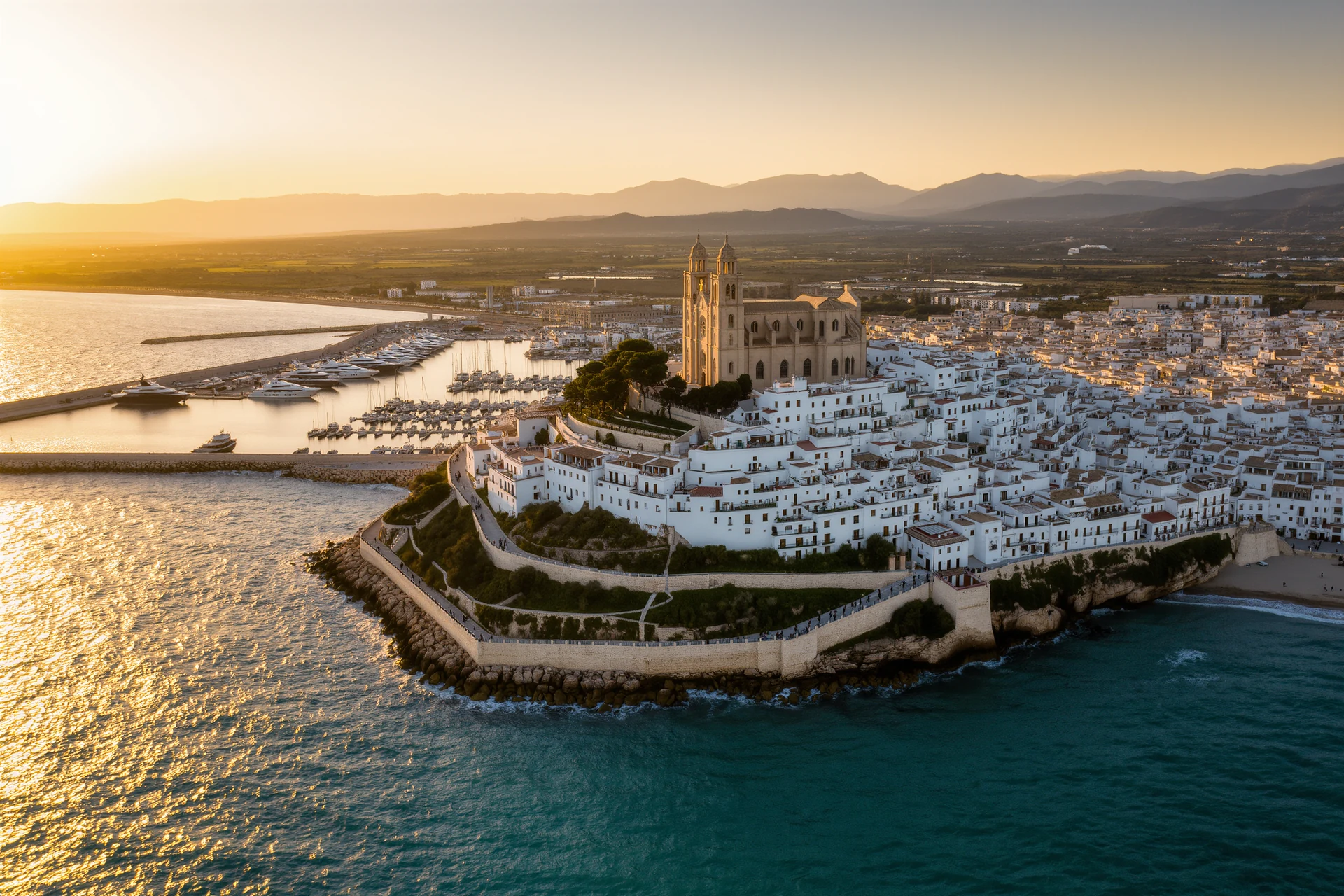
Malaga makes for an excellent city break, blending history, culture, and fantastic food with a relaxed, coastal vibe. It’s easy to get to, compact enough to explore on foot, and offers enough variety to keep you engaged without feeling rushed. You can tick off some impressive sights, soak up the sun, and enjoy some seriously good tapas all in just a few days.
Many people think of Malaga as just a gateway to the Costa del Sol, a place you fly into and then quickly leave. But that’s a big mistake. Malaga itself is a vibrant city with a rich history and a surprisingly diverse offering. It’s shed its old “gritty” image and emerged as a seriously attractive destination in its own right. Think Roman ruins, Moorish palaces, world-class art museums, and a buzzing food scene, all within a stone’s throw of decent urban beaches. It’s a city that genuinely has something for everyone, whether you’re a history buff, an art lover, a foodie, or simply looking to unwind.
A City Steeped in History
Malaga’s past is long and complex, evident in the layers of architecture scattered throughout the city. From Phoenician origins to Roman influence and centuries under Moorish rule, followed by the Christian reconquest, each period has left its mark.
Alcazaba: A Fortress Palace
The Alcazaba is probably Malaga’s most iconic historical site. This well-preserved Moorish fortress palace dates back to the 11th century and offers a fascinating glimpse into Islamic Spain. Wander through its intricate courtyards, lush gardens, and defensive walls. The views over the city and the port from up here are stunning. It’s not as grand as Granada’s Alhambra, but it’s more intimate and surprisingly beautiful. Give yourself at least an hour or two to explore it properly.
Roman Theatre: Echoes of an Empire
Right at the foot of the Alcazaba, you’ll find the ruins of a Roman Theatre. Discovered only in 1951, this ancient amphitheater dates back to the 1st century BC and was in use until the 3rd century AD. It’s a testament to the city’s Roman past and offers a cool contrast to the Moorish architecture above. There’s a small visitor center with some explanatory exhibits, and you can generally walk right up to the seating area.
Malaga Cathedral: The One-Armed Lady
Locally known as “La Manquita” (The One-Armed Lady), Malaga Cathedral is a magnificent example of Renaissance architecture, though its south tower remains unfinished. Construction began in the 16th century on the site of a former mosque and continued for over 200 years. The interior is vast and impressive, with a stunning choir stall and numerous chapels. Climbing to the rooftop offers panoramic views of the city, definitely worth the effort if you’re up for it.
Art and Culture: Picasso’s Hometown
Malaga is proudly the birthplace of Pablo Picasso, and the city does an excellent job of celebrating its most famous son, alongside a broader commitment to the arts.
Picasso Museum: A Must-Visit
The Museo Picasso Malaga, located in the beautiful Palacio de Buenavista, houses a significant collection of Picasso’s work, covering his early days through to his later periods. It’s not just about his iconic cubist pieces; you’ll see his early academic works, sculptures, ceramics, and drawings. It gives a really good overview of his prolific artistic journey. Book tickets online in advance to avoid queues, especially during peak season.
Carmen Thyssen Museum: Spanish Masters
For something different, the Carmen Thyssen Museum focuses on 19th-century and early 20th-century Spanish art, particularly Andalusian painting. Housed in the stunning 16th-century Palacio de Villalón, it’s a beautifully curated collection that provides a wonderful insight into regional artistic traditions. It’s often less crowded than the Picasso Museum and offers a calmer, reflective experience.
Centre Pompidou Malaga: Modern Flavors
Malaga has its own “cube”: a colorful glass structure that marks the presence of the Centre Pompidou Malaga. This branch of the famous Parisian museum presents a selection of modern and contemporary art from its main collection. It’s distinctively modern and provides a good counterpoint to the city’s more traditional offerings. The rotating exhibitions are always interesting.
Foodie Paradise: A Taste of Malaga
Malaga’s food scene is vibrant, authentic, and delicious. You’ll find traditional tapas bars sitting comfortably alongside innovative, modern restaurants. The city is especially known for its fresh seafood, thanks to its coastal location.
Tapas Culture: Eating Your Way Through
Tapas are the heart and soul of Andalusian dining. Don’t be afraid to hop from bar to bar, trying a few dishes in each. Look for places busy with locals, that’s usually a good sign. Classic Malagueño tapas include espetos de sardinas (sardines grilled on skewers over an open fire), fritura malagueña (a mixed platter of lightly fried seafood), and ensaladilla rusa (Russian salad, often with tuna and prawns).
- Marisquerías: For seafood lovers, these specialized seafood restaurants (or bars) are a must. They often have dazzling displays of fresh fish and shellfish on ice.
- Bodegas: Traditional wine cellars (bodegas) often serve simple but excellent tapas alongside their wines. Try a glass of local sweet wine, like Moscatel, with a cheese or almond tapa.
Malaga’s Market Life: Atarazanas
The Mercado Central de Atarazanas is an absolute sensory overload in the best possible way. Housed in a beautiful 19th-century iron structure on the site of a former Nasrid shipyard, it’s where locals come to shop for fresh produce, meat, cheese, and, most importantly, incredibly fresh seafood. There are also several small bars within the market where you can grab some excellent tapas and drinks, a fantastic spot for lunch. Just be aware it closes in the early afternoon.
Málaga’s Sweet Wines: A Local Delicacy
Don’t leave Malaga without trying its famous sweet wines. Typically made from Moscatel or Pedro Ximénez grapes, they are often served as a dessert wine or with cheese. Many traditional bars will offer a shot of it with your coffee. The Museo del Vino Malaga also offers tastings and insights into the region’s winemaking history.
Relaxing in Malaga: Sun and Sea
Given its coastal location, Malaga offers easy access to beaches for when you need a break from sightseeing. The city’s climate means plenty of sunshine throughout most of the year.
La Malagueta Beach: Urban Convenience
La Malagueta is Malaga’s main urban beach, just a short walk (or bus ride) from the city center. It’s a sandy beach with plenty of facilities, including sun loungers, showers, and chiringuitos (beachfront restaurants). While it can get busy, especially in summer, it’s a perfectly good spot for a quick dip or to soak up some sun after a morning of exploring.
Pedregalejo and El Palo: A More Local Vibe
For a slightly more authentic beach experience, head east to the old fishing villages of Pedregalejo and El Palo. These areas have a more relaxed, local feel, with charming promenades lined with traditional chiringuitos that specialize in seafood. This is where you’ll find the best espetos de sardinas. It’s an easy bus ride or a pleasant walk along the coast from the city center.
Getting Around and Practical Tips
Malaga is a very walkable city, especially the historic center. Most of the main attractions are within easy reach of each other.
On Foot is Best
For central Malaga, your feet are your best mode of transport. Wear comfortable shoes, as you’ll be doing a lot of walking on cobbled streets.
Public Transport: Buses and Trains
For longer distances, Malaga has an efficient bus network. Google Maps is generally reliable for bus routes and times. The city also has a metro system, though it primarily serves areas outside the main tourist zone. The Cercanías train line connects the city center (Malaga Centro-Alameda station) with the airport (C1 line) and other coastal towns, making day trips convenient.
When to Visit
Spring (April-May) and autumn (September-October) offer the most pleasant weather for a city break in Malaga, with warm temperatures and less humidity. Summers can be very hot, especially in July and August, but if you’re planning on a beach-centric trip, it might be ideal. Winters are generally mild and sunny, making it a great escape from colder northern climates.
Language and Etiquette
While many people in the tourist areas speak English, knowing a few basic Spanish phrases will go a long way. “Hola” (hello), “Gracias” (thank you), “Por favor” (please), and “La cuenta, por favor” (the bill, please) are always appreciated. Spaniards typically eat dinner later than in many other countries, so don’t expect restaurants to fill up until after 8:30 PM. Tipping is not as common or expected as in some other countries, but rounding up the bill or leaving a few euros for good service is customary.
Malaga genuinely offers a compelling package for a city break. It’s a city that’s constantly evolving, blending its historic charm with a modern, cosmopolitan edge. You can dive deep into history and art, indulge in fantastic food, and still have time to relax by the sea. It’s straightforward to navigate, enjoyable in every season, and provides a truly authentic slice of Andalusian life without the overwhelming crowds of some other Spanish hotspots. Give Malaga a proper look; you might just find your new favorite city break destination.
FAQs
What is Malaga known for?
Malaga is known for its rich history, beautiful beaches, and vibrant cultural scene. It is also famous for being the birthplace of the renowned artist Pablo Picasso.What are some popular attractions in Malaga?
Some popular attractions in Malaga include the Alcazaba, a Moorish fortress, the Picasso Museum, the Malaga Cathedral, and the beautiful beaches along the Costa del Sol.What is the best time to visit Malaga?
The best time to visit Malaga is during the spring (April to June) and fall (September to November) when the weather is pleasant and the city is less crowded with tourists.What are some outdoor activities to do in Malaga?
Visitors to Malaga can enjoy outdoor activities such as hiking in the nearby mountains, exploring the beautiful botanical gardens, and relaxing on the city’s beaches.What is the local cuisine in Malaga?
The local cuisine in Malaga includes delicious seafood dishes, traditional tapas, and sweet desserts such as churros and borrachuelos. The city is also known for its sweet wine, known as Malaga wine.More from Malaga City Guide
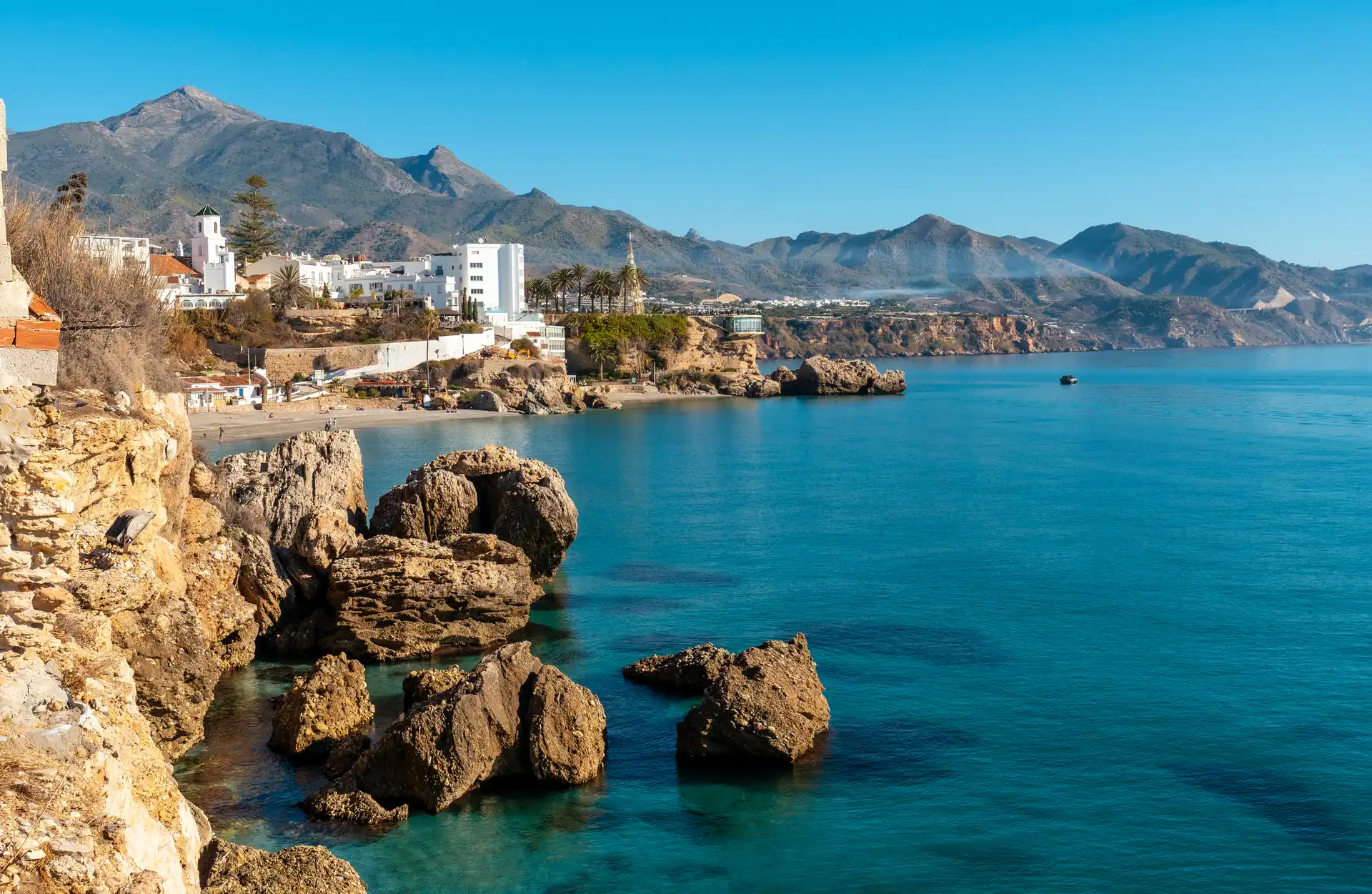
Exploring Malaga’s Charming Wine Bars
So, you’re thinking about hitting up Malaga and wondering about the wine bar scene? You’re in for a treat. Malaga isn’t just about sun and beaches; it…
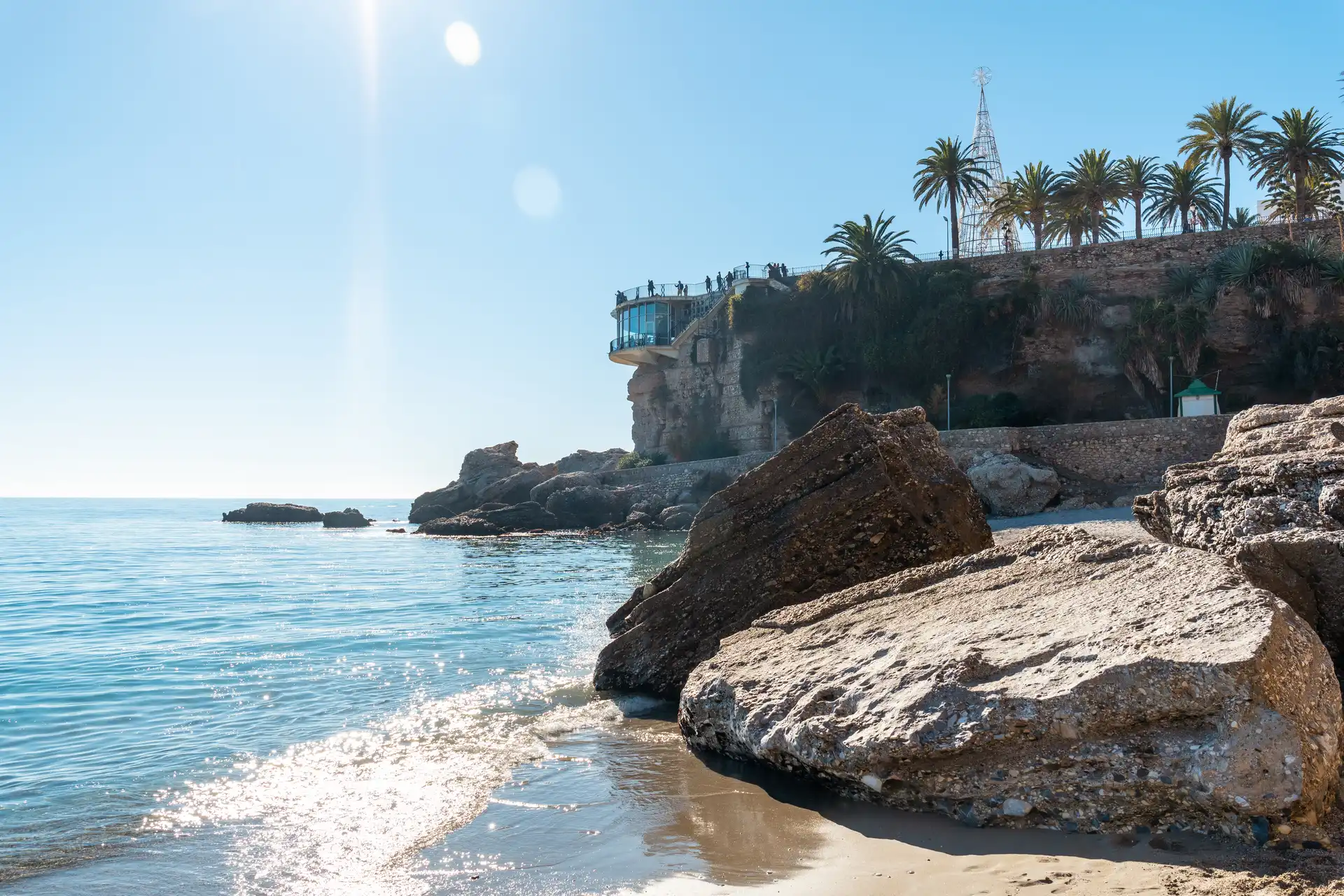
Malaga Relocation Guide: Your Essential Move
Thinking about packing up and heading to sunny Málaga? You’re not alone! It’s a fantastic city, brimming with culture, delicious food, and…
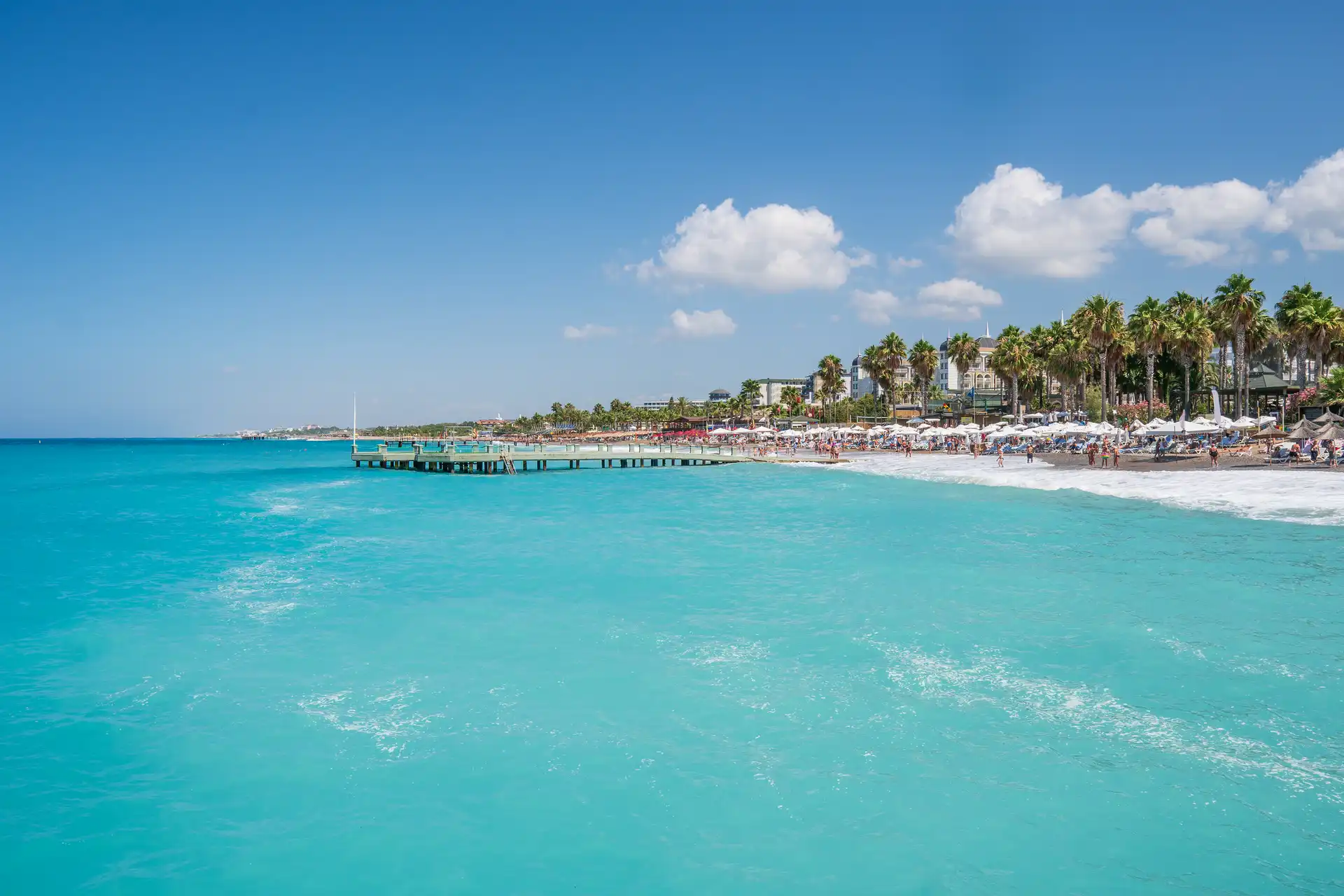
Discover the Best Museums in Malaga
So, you’re in Malaga and wondering where to get your art and culture fix? You’re in luck! Malaga is absolutely brimming with fantastic mus…