Malaga Relocation Guide: Your Essential Move
Thinking about packing up and heading to sunny Málaga? You’re not alone! It’s a fantastic city, brimming with culture, delicious food, and that incredible Mediterranean…
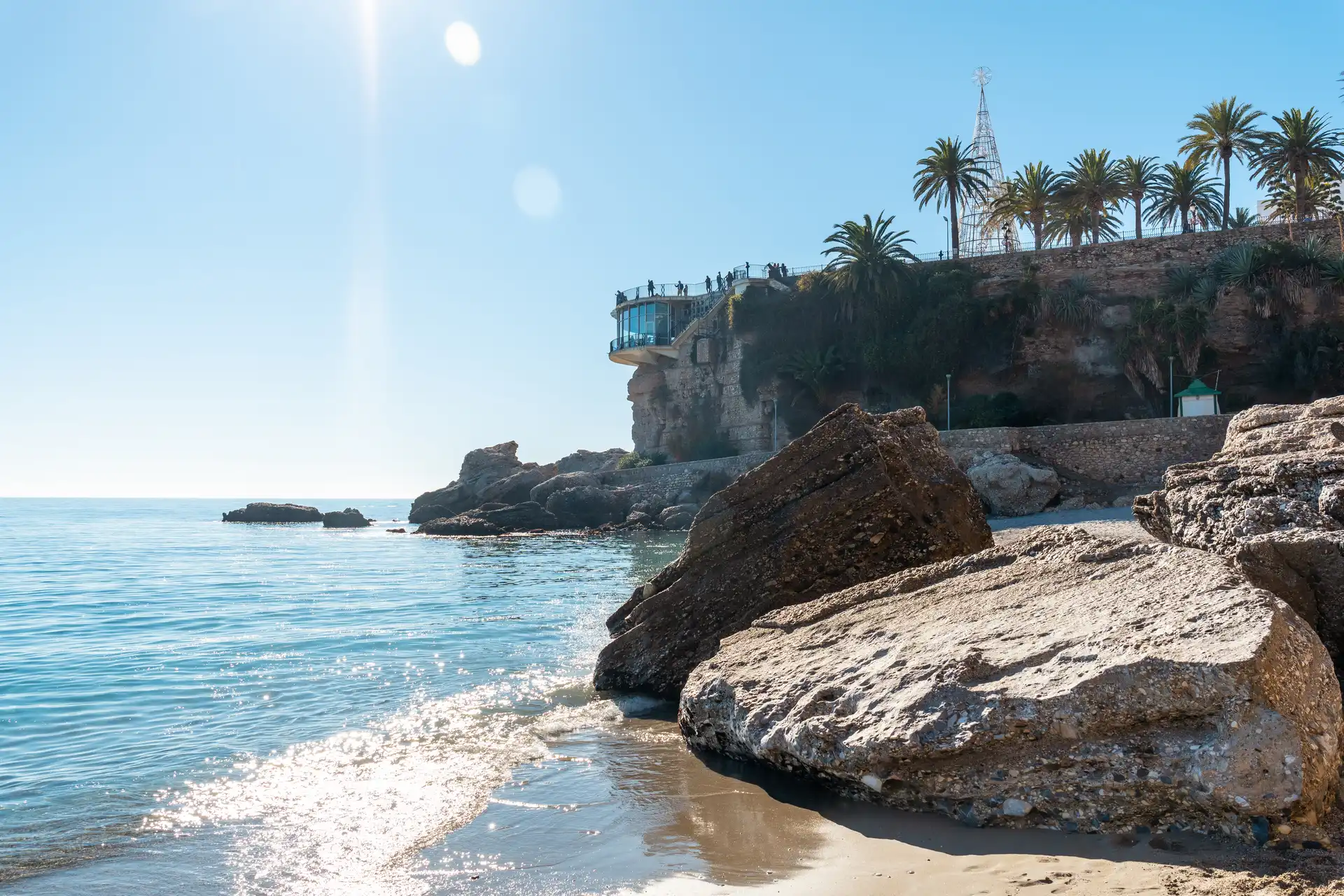
Thinking about packing up and heading to sunny Málaga? You’re not alone! It’s a fantastic city, brimming with culture, delicious food, and that incredible Mediterranean lifestyle. But like any big move, it can feel a bit daunting, especially when you’re not sure where to start. This guide is designed to cut through the noise and give you the practical, down-to-earth information you need to make your relocation to Málaga as smooth as possible. We’ll cover everything from the nitty-gritty of paperwork to finding your perfect spot in this vibrant Andalucian gem.
Alright, let’s get the formalities out of the way first. Moving internationally means there’s a bit of bureaucracy involved, but it’s manageable if you tackle it step by step. Getting these things sorted early will save you a lot of headaches later on.
Your NIE Number: The Essential First Step
What is it and why do you need it?
The Número de Identificación de Extranjero (NIE) is basically your foreigner identification number in Spain. You’ll need it for almost everything important: opening a bank account, signing a rental contract, getting a work permit, registering for healthcare, and even buying a car. Think of it as your Spanish social security number.
How to apply
You can apply for your NIE either in Spain at a local police station (Comisaría de Policía) or at a Spanish consulate or embassy in your home country. Applying in Spain is often quicker, but you’ll need to have already arrived.
- In Spain: You’ll need to book an appointment (cita previa) online. This can sometimes be tricky, so keep checking the website regularly. You’ll need your passport, a completed application form (EX-15), and proof of why you need the NIE (e.g. a rental offer or employment contract).
- From Abroad: Contact the Spanish consulate in your country. The process and required documents will be clearly outlined on their website.
It’s worth noting that sometimes a gestoría (a professional administrative advisor) can help you with this process, especially if you’re not yet in Spain or feeling overwhelmed.
Residency Permit: For the Longer Haul
EU vs. Non-EU Citizens
The requirements for residency differ significantly depending on whether you’re an EU/EEA citizen or not.
- EU/EEA Citizens: If you’re planning to stay for more than three months, you need to register for a Certificado de Registro de Ciudadano de la Unión Europea. This is essentially your residency certificate. You’ll need your passport, proof of sufficient funds or employment, private health insurance, and the application form (EX-18).
- Non-EU Citizens: This is a more complex process and usually involves obtaining a specific visa before you arrive in Spain. Common visas include work visas, student visas, or the non-lucrative visa (if you have sufficient funds and won’t be working). You’ll need to apply through the Spanish embassy or consulate in your home country. Once in Spain, you’ll need to apply for a Tarjeta de Identidad de Extranjero (TIE), which is your foreigner identity card.
Healthcare: Staying Healthy and Covered
Public vs. Private Healthcare
Spain has a public healthcare system (Sistema Nacional de Salud) that is generally very good. For EU citizens who are registered residents, you’ll usually be covered. For non-EU citizens, it can depend on your visa type and if you’ve paid into the system.
Getting registered
- Public System: If you are employed and paying social security contributions, or are a pensioner, you will likely be entitled to the public system. You’ll need to register with the national health system (Seguridad Social) to get your medical card.
- Private Insurance: Many expats opt for private health insurance. It offers quicker access to specialists and a wider choice of hospitals and doctors, and it’s often a requirement for certain visa types. Companies like Sanitas, Mapfre, and Adeslas are popular.
Finding Your Spanish Abode: Rental Market Insights
The thought of finding a place to live can be exciting, but the Spanish rental market, especially in a popular city like Málaga, can have its quirks. Here’s a breakdown to help you navigate it.
Types of Rentals Available
Long-Term Rentals (Alquiler de larga duración)
This is what most people look for when relocating. You’ll typically sign a contract for at least a year. Prices vary wildly depending on location, size, and amenities.
Short-Term and Holiday Lets
While tempting for initial stays, be aware that these are often more expensive per month and may not be ideal for settling down. Websites like Airbnb and Booking.com are full of these.
Furnished vs. Unfurnished
Most rentals in Spain come furnished, which can be a big plus when you’re moving internationally. However, unfurnished (or semi-furnished) places are also available, often for a lower rental price.
Where to Look
Online Platforms
- Idealista: This is probably the most popular property portal in Spain, comparable to Rightmove or Zillow. You’ll find a massive selection of apartments and houses.
- Fotocasa: Another major player in the Spanish property market.
- Pisos.com: A good secondary option for searching.
- Facebook Groups: Search for “Málaga Rentals” or “Expats in Málaga” groups. People often post direct listings there, sometimes cutting out agents.
Real Estate Agents (Inmobiliarias)
Agents can be helpful, especially if you’re not fluent in Spanish, but be prepared for agency fees, typically equivalent to one month’s rent.
What to Expect When Renting
Deposits and Guarantees
Be ready to pay a security deposit, usually one month’s rent. Some landlords might ask for additional guarantees, especially if you’re new to them or don’t have a Spanish work history.
Contracts and Your Rights
Always read your rental contract carefully. Spanish rental law is generally quite protective of tenants, but understanding your obligations and rights is crucial. Common contract lengths are one year, but they automatically renew.
Understanding Rent Increases
Rent can be updated annually according to the Consumer Price Index (IPC) for Spain.
Settling In: Daily Life and Practicalities
Beyond the big stuff, it’s the little things that make a place feel like home. Málaga has a great quality of life, and understanding the local rhythm will help you get into the swing of things.
Banking and Finances
Opening a Bank Account
This is a pretty straightforward process. You’ll need your NIE, passport, and proof of address (like a rental contract or utility bill). Many banks offer accounts specifically for non-residents initially, which you can convert to resident accounts later.
- Major Banks: Santander, BBVA, CaixaBank, and Sabadell are the big players.
- Online Banks: N26 and Revolut can be useful for international transfers and managing money before you establish a Spanish account, but for daily life, a local bank is usually best.
Managing Your Money
Spain uses the Euro (€). Credit and debit cards are widely accepted, but it’s always good to have some cash for smaller purchases or certain local markets.
Utilities: Electricity, Water, and Internet
Getting Connected
Once you have your rental contract, you’ll need to set up utilities. This usually involves contacting the respective companies and providing your NIE and the property’s meter numbers.
- Electricity (Endesa, Iberdrola, Naturgy): You’ll need your rental contract and your NIE.
- Water (Aguas de Málaga): Similar process to electricity.
- Internet/Broadband (Movistar, Vodafone, Orange, MásMóvil): Many providers offer bundles with TV and phone. Installation times can vary.
Telecommunications: Mobile Phones
You can get a Spanish SIM card easily with your passport and NIE. Major providers like Movistar, Vodafone, and Orange have physical stores, and many budget-friendly options like Digi or Simyo are available online.
Transport: Getting Around Málaga and Beyond
Málaga is well-connected, and you have a few good options for getting around.
Public Transport in Málaga City
- Buses: The Empresa Malagueña de Transporte (EMT) operates a comprehensive bus network throughout the city. It’s affordable and reliable. You can buy single tickets or a rechargeable transport card.
- Metro Málaga: The metro system is growing and currently serves some of the outer districts, gradually connecting to the city center.
- Taxis: Readily available and a convenient option for getting around quickly.
Commuting and Travel Around the Province
- Trains (Renfe): For travel to other cities in Spain (like Seville, Madrid, or Barcelona), the high-speed AVE trains are fantastic. Within the province, the Cercanías (commuter) trains are useful for destinations like Fuengirola or Torremolinos.
- Buses (Avanza, ALSA): Intercity bus services are extensive and connect Málaga to towns and cities across Andalusia and Spain.
- Car Hire: If you plan on exploring the wider region extensively, hiring a car can be a good option. Numerous rental agencies are available at the airport and in the city.
Driving in Spain
If you plan to drive, familiarize yourself with Spanish road rules. An International Driving Permit might be required depending on your nationality, although many non-EU licenses are valid for a limited time.
Embracing the Culture: Food, Social Life, and Local Customs
Málaga isn’t just a place to live; it’s a lifestyle to embrace. Understanding and participating in the local culture will enrich your experience immensely.
The Spanish Diet: More Than Just Tapas
Key Staples
You’ll find a healthy emphasis on fresh produce, olive oil, fish, and legumes.
- Tapas: While iconic, tapas are often more of a social event than a full meal. They’re small plates designed for sharing, perfect for tasting a variety of flavors.
- Pescaíto Frito: This is a Málaga specialty, an assortment of fried fish, especially popular along the coast.
- Gazpacho and Salmorejo: Cold soups, perfect for hot summer days.
- Montaditos: Small sandwiches, often found in tapas bars.
Meal Times
Be prepared for a different rhythm!
- Lunch (Comida): This is the main meal of the day, typically eaten between 2 PM and 4 PM. Many restaurants offer menú del día (menu of the day) at very reasonable prices.
- Dinner (Cena): Usually eaten late, around 9 PM or 10 PM.
Social Etiquette
Greetings
A handshake is common, but close friends and family often greet each other with two kisses on the cheek (one on each side). When meeting someone for the first time, especially in a more formal setting, a handshake is standard.
Siesta…Sort Of
The traditional long afternoon siesta for shops is less common in city centers now, especially in tourist areas. However, smaller or more traditional shops might still close for a couple of hours in the early afternoon (around 2 PM to 4:30 PM).
Socialising
Spaniards are generally very social. If you’re invited to someone’s home, it’s polite to bring a small gift, like a bottle of wine or some chocolates. Conversational skills are highly valued, and even if your Spanish isn’t perfect, making an effort will be appreciated.
Navigating Málaga’s Neighborhoods: Finding Your Perfect Spot
Málaga is a city of distinct neighborhoods, each with its own character and vibe. Where you choose to live will significantly impact your daily life.
City Center (Centro Histórico)
Pros:
- Vibrant Atmosphere: Bustling with life, shops, restaurants, and cultural attractions.
- Convenience: Everything is at your doorstep; you can walk almost everywhere.
- History and Culture: Surrounded by beautiful architecture and historical sites.
Cons:
- Noise and Crowds: Can be very busy and noisy, especially on weekends and during peak tourist season.
- Parking: Extremely difficult and expensive if you have a car.
- Smaller Apartments: Properties here tend to be older and often smaller.
Soho
Pros:
- Trendy and Artsy: Known for its street art, galleries, and modern cafes.
- Central Location: Still very close to the city center but often a bit quieter.
- Good Mix: Has a good blend of residential and commercial spaces.
Cons:
- Emerging Area: Some parts are still developing, and prices are rising.
- Can be Compact: Many apartments still on the smaller side.
La Malagueta & El Palo (Coastal Areas)
Pros:
- Beach Proximity: Ideal if you love being by the sea, with beautiful promenades and chiringuitos (beach bars).
- Relaxed Vibe: Generally more laid-back than the city center.
- Seafood: Excellent access to fresh seafood.
Cons:
- Commute: Further from the city center, requiring bus or car to get to work or amenities in the heart of Málaga.
- Can be Touristy: Particularly La Malagueta, which can get busy in summer.
- Property Can be Older: Especially in traditional fishing villages like El Palo.
Teatinos
Pros:
- Residential and Modern: A more modern, planned neighborhood popular with families and students.
- Green Spaces: Plenty of parks and open areas.
- Good Amenities: Well-served by shops, supermarkets, and services.
- Good Transport Links: Connected by bus and the metro line.
Cons:
- Less “Historic” Feel: Lacks the charm of the older parts of the city.
- Further Out: A longer commute into the core city center for some.
El Limonar & Cerrado Calderón
Pros:
- Affluent and Quiet: Upscale residential areas with larger properties and villas.
- Green and Peaceful: More tranquil and private.
- Good Schools: Home to some of the best international and private schools.
Cons:
- Higher Prices: Generally more expensive for both rent and purchase.
- Requires a Car: Less walkable; you’ll likely need a car for daily errands.
- Less Character: Can feel more suburban than traditionally Spanish.
Conclusion
Moving to Málaga is an adventure, and with a little preparation and the right information, it can be an incredibly rewarding one. This guide has aimed to equip you with the practical knowledge to navigate the initial stages of your relocation. Remember to be patient, embrace the learning curve, and most importantly, soak in the incredible lifestyle that Málaga has to offer. ¡Bienvenido a Málaga!
FAQs
What is the cost of living in Malaga?
The cost of living in Malaga is relatively affordable compared to other major cities in Europe. Rent, groceries, and dining out are generally cheaper in Malaga.What is the healthcare system like in Malaga?
Malaga has a well-developed healthcare system with both public and private options. The public healthcare system provides quality care to residents and is accessible to expats who contribute to the social security system.What are the housing options in Malaga?
Malaga offers a variety of housing options, including apartments, townhouses, and villas. The city center and coastal areas are popular choices for expats, and there are also suburban and rural areas with more affordable housing options.What is the climate like in Malaga?
Malaga enjoys a Mediterranean climate with mild winters and hot summers. The city receives plenty of sunshine throughout the year, making it an attractive destination for those seeking a warm and sunny climate.What are the job opportunities in Malaga?
Malaga has a growing economy with job opportunities in sectors such as tourism, technology, and finance. The city is also home to a number of international companies and offers opportunities for remote work and entrepreneurship.More from Malaga City Guide
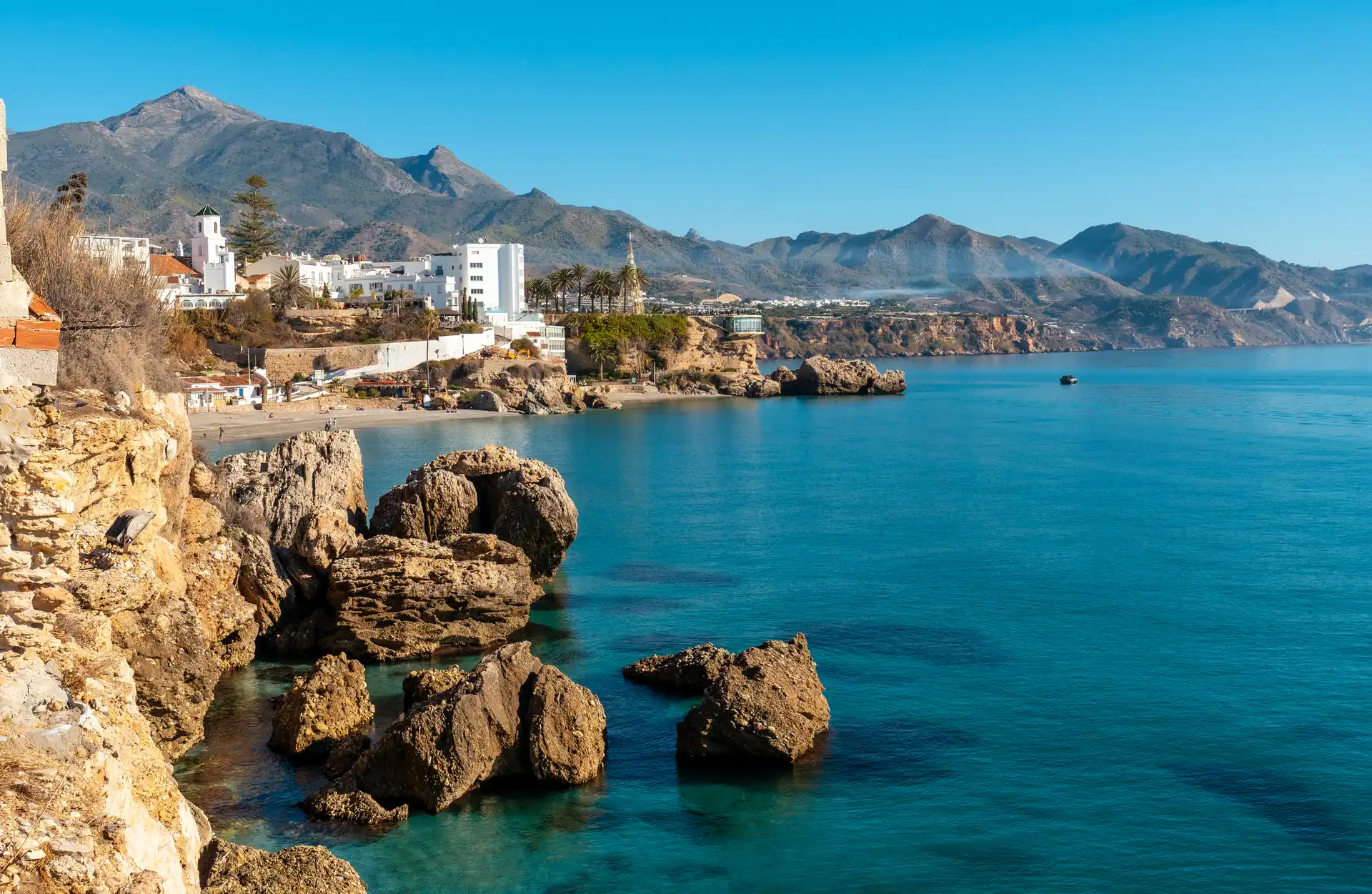
Exploring Malaga’s Charming Wine Bars
So, you’re thinking about hitting up Malaga and wondering about the wine bar scene? You’re in for a treat. Malaga isn’t just about sun and beaches; it…
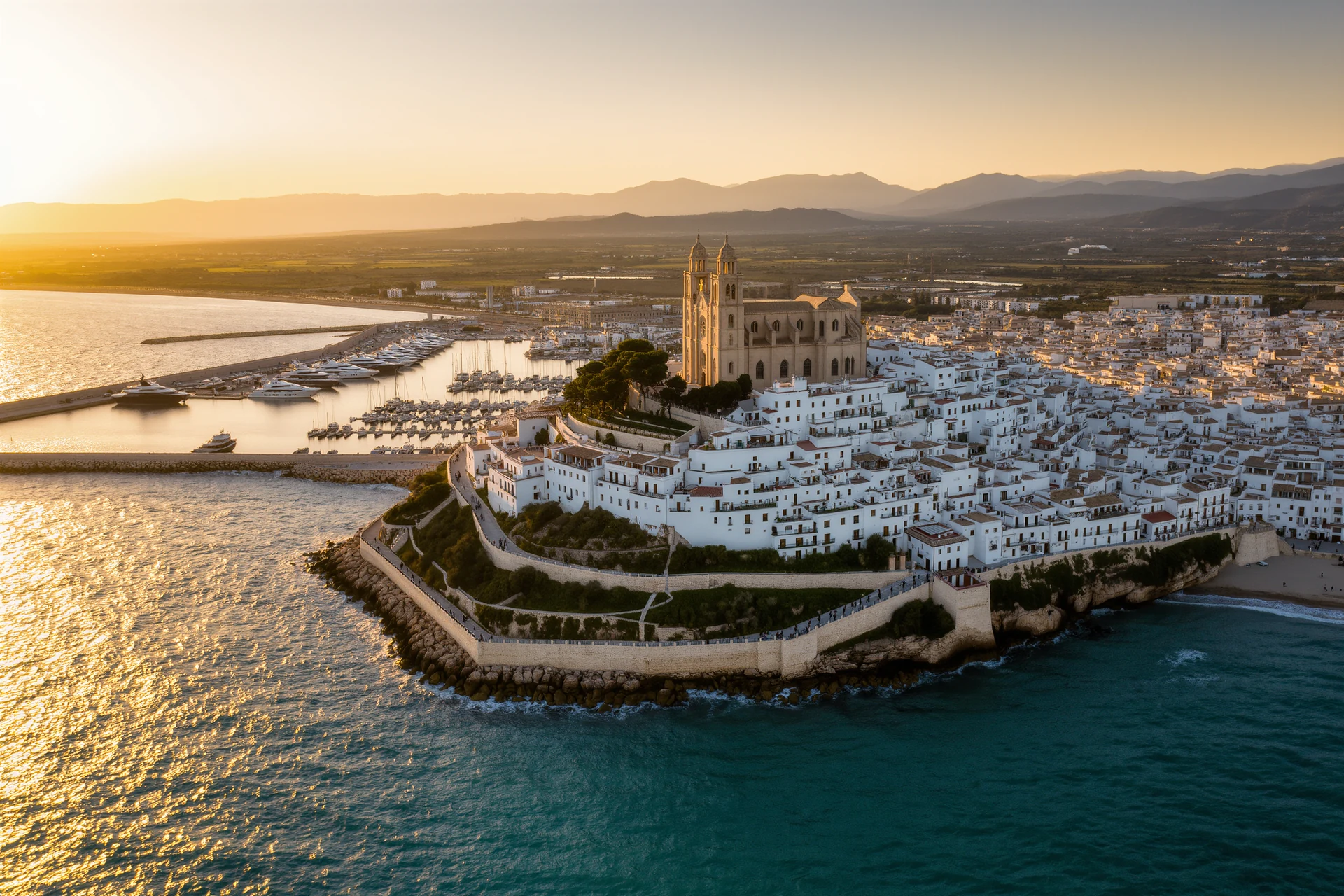
Discover Malaga: The Perfect City Break Destination
Malaga makes for an excellent city break, blending history, culture, and fantastic food with a relaxed, coastal vibe. It’s easy to get to, compa…
Discover the Best Museums in Malaga
So, you’re in Malaga and wondering where to get your art and culture fix? You’re in luck! Malaga is absolutely brimming with fantastic mus…