Discovering the Charms of Costa del Sol – Costa del Sol Travel Magazine
So, you’re wondering what the Costa del Sol is all about? In a nutshell, it’s Spain’s famous “Sun Coast,” a stretch of coastline in Andalusia known fo…
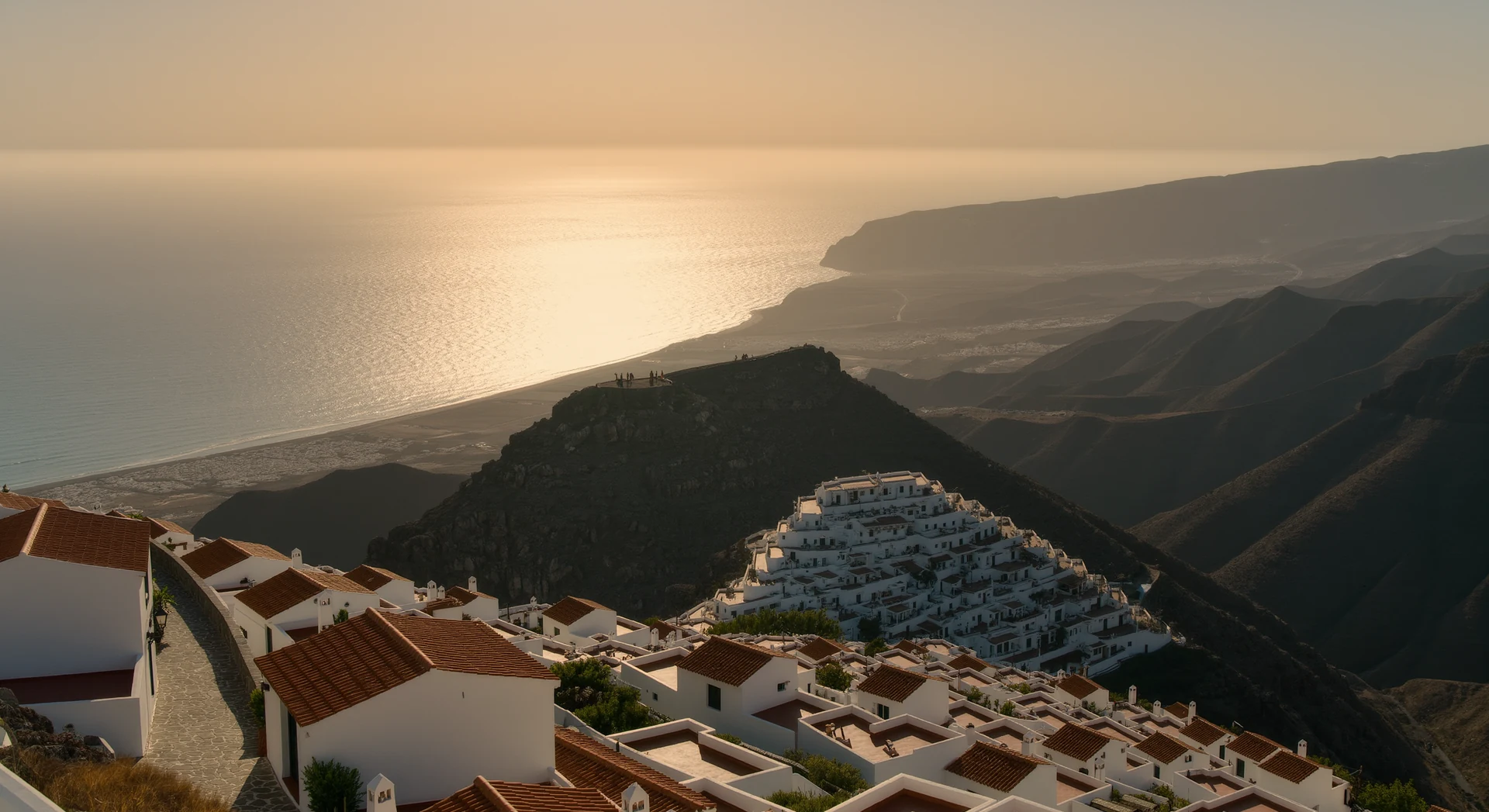
So, you’re wondering what the Costa del Sol is all about? In a nutshell, it’s Spain’s famous “Sun Coast,” a stretch of coastline in Andalusia known for its consistently sunny weather, beautiful beaches, and a vibrant mix of traditional Spanish charm and modern amenities. It’s a place where you can relax on the sand, hike in the mountains, explore historic white villages, and enjoy delicious food, all within a relatively short distance. It’s not just a beach destination; there’s a surprising amount of culture, nature, and adventure to uncover once you peel back the layers.
The Costa del Sol sprawls for about 150 kilometers (roughly 93 miles) along the Mediterranean Sea, in the province of Málaga. Its name isn’t just a marketing ploy; it genuinely boasts over 320 sunny days a year. This consistent sunshine, coupled with a mild climate, makes it a popular destination almost year-round, even if some parts quiet down a bit in the winter.
East vs. West: Different Vibes
While it’s all the Costa del Sol, there’s a noticeable distinction between the eastern and western parts.
The Eastern Costa del Sol (Costa del Sol Oriental): Generally, this side, heading east from Málaga city towards Nerja, is a bit quieter, more rugged, and feels a touch more traditionally Spanish. You’ll find charming whitewashed villages perched on hillsides, fewer high-rise developments, and often a more relaxed atmosphere. It’s popular with those looking for a slightly less commercialized experience.
The Western Costa del Sol (Costa del Sol Occidental): This is where you’ll find the bigger, more well-known resort towns like Torremolinos, Benalmádena, Fuengirola, Marbella, and Estepona. It’s more developed, with larger hotels, a wider range of international restaurants, and more vibrant nightlife. While it can be busier, especially in peak season, it also offers a vast array of activities and amenities.
Málaga: The Heartbeat
Málaga city isn’t just an airport hub; it’s a vibrant, historical city that often gets overlooked as people rush to the beaches. It’s the capital of the province and a cultural gem in its own right, boasting a rich history, impressive art museums (including one dedicated to its most famous son, Picasso), delicious tapas, and a lively urban atmosphere. Don’t just pass through; spend a day or two exploring.
Beyond the Beach: Uncovering Diverse Experiences
While the beaches are undoubtedly a major draw, limiting your trip to just sand and sea would be missing out. The Costa del Sol offers a surprising variety of activities and sights.
Charming Inland Villages
Venture inland just a short drive from the coast, and you’ll discover a different side of Andalusia.
Mijas Pueblo: This iconic white village, perched in the mountains, offers breathtaking panoramic views of the coastline. Its narrow, winding streets are best explored on foot, and you can even take a donkey taxi (though do consider the animal welfare aspects). There’s a charming bullring, an oval-shaped church, and plenty of artisan shops.
Frigiliana: Often voted one of Andalusia’s most beautiful villages, Frigiliana is another whitewashed gem in the eastern Costa del Sol. Its Moorish-Baroque old quarter is delightful to wander, with ceramic mosaics telling its history and stunning views over the surrounding countryside and the sea.
Casares: Towering on a hillside with its castle ruins at the very top, Casares offers dramatic scenery. Its labyrinthine streets are incredibly picturesque, and it feels a step back in time. It’s a bit further inland but well worth the drive for its authentic charm and stunning photo opportunities.
Nature and Outdoor Activities
The topography of the Costa del Sol isn’t just flat beaches. You have mountains, caves, and natural parks.
Caminito del Rey: This once-dangerous (now perfectly safe and stunning) walkway through a gorge is an absolute must for anyone who enjoys a bit of adventure and incredible scenery. Suspended high above a river, it offers unparalleled views of the Gaitanes Gorge. Book tickets well in advance, they sell out.
Caves of Nerja (Cuevas de Nerja): These magnificent prehistoric caves are a natural wonder. Home to some of the world’s oldest Neanderthal cave paintings and monumental stalactite and stalagmite formations, they offer a fascinating glimpse into ancient history and geology.
Sierra de las Nieves National Park: A designated UNESCO Biosphere Reserve, this mountain range offers fantastic hiking opportunities. You’ll find unique Spanish fir forests (Pinsapo forests), dramatic karst landscapes, and diverse wildlife. It’s a cooling escape from the coastal heat in summer and beautiful for walking in spring and autumn.
Tantalizing Your Taste Buds: Andalusian Cuisine
Food is an integral part of any Spanish experience, and the Costa del Sol is no exception. While you’ll find international cuisine in abundance, seeking out traditional Andalusian dishes is highly recommended.
Seafood Galore
With such a long coastline, seafood is naturally a centerpiece.
Espetos de Sardinas: This is quintessential Costa del Sol street food. Fresh sardines are skewered on reeds and roasted over open fires in old fishing boats filled with sand. Simple, fresh, and incredibly delicious, especially by the beach. Look for “chiringuitos” (beach bars) that specialize in them.
Fritura Malagueña: A mixed fried fish platter, usually featuring small white fish, squid, and local options. It’s light, crispy, and perfect for sharing.
Ajoblanco: Especially popular in Málaga, this is a cold almond and garlic soup, often served with grapes or melon. It’s wonderfully refreshing on a hot day.
Tapas Culture
Tapas are more than just small plates; they’re a way of life in Spain.
Free Tapas (sometimes): While not as prevalent as in Granada, some bars in Málaga and surrounding towns still offer a small, complimentary tapa with your drink. Don’t expect it everywhere, but it’s a pleasant surprise when it happens.
Variety is Key: From traditional albóndigas (meatballs) and boquerones fritos (fried anchovies) to more modern, inventive options, explore different bars and try a bit of everything. Don’t be afraid to point or ask for recommendations, even if your Spanish is limited.
Navigating the Coast: Getting Around
Getting around the Costa del Sol is relatively straightforward, depending on where you want to go and your budget.
Car Hire
For flexibility and exploring inland villages or national parks, renting a car is probably your best bet.
Pros: Freedom to explore at your own pace, access to less-trafficked areas, convenient for carrying beach gear.
Cons: Parking can be challenging in popular towns, especially in peak season; fuel costs.
Public Transport
The main coastal towns are well-connected by train and bus.
Trains (Cercanías C1 Line): This commuter train runs from Málaga city center (though not all the way to Nerja in the east) to Fuengirola, stopping at the airport and all major coastal towns like Torremolinos and Benalmádena. It’s efficient, affordable, and frequent.
Buses: An extensive bus network connects towns that the train doesn’t reach, including Nerja, Frigiliana, and many inland areas. ALSA is a major intercity bus company. Buses are generally reliable and comfortable.
Taxis & Ride-sharing: Taxis are readily available, and ride-sharing apps like Uber and Cabify operate in the larger towns. They offer convenience but come at a higher cost.
Walking and Cycling
For getting around within individual towns, walking is often the best option, especially in the historic centers. Many coastal towns also have excellent promenades ideal for leisurely strolls or cycling. Bike rental shops are common in tourist areas.
Practical Tips for a Smooth Trip
A little preparation can go a long way in ensuring your Costa del Sol adventure is enjoyable and hassle-free.
Best Time to Visit
Spring (April-May): Pleasant temperatures, fewer crowds, lush landscapes, and ideal for hiking and sightseeing.
Early Summer (June): Warm, sunny, and lively, but not yet at peak crowd levels or extreme heat.
Autumn (September-October): Sea is still warm enough for swimming, pleasant temperatures, and crowds thin out slightly.
Winter (November-March): Milder temperatures, less commercial activity, great for golf and exploring without the heat. Some places may close for the low season.
Language Basics
While English is widely spoken in tourist areas, especially in the western Costa del Sol, making an effort with a few Spanish phrases will be appreciated.
- Hola (Hello)
- Gracias (Thank you)
- Por favor (Please)
- Adiós (Goodbye)
- ¿Cuánto cuesta? (How much does it cost?)
- Una cerveza, por favor (A beer, please)
- La cuenta, por favor (The bill, please)
Money and Tipping
Spain uses the Euro (€). Credit and debit cards are widely accepted, but it’s always good to have some cash for smaller purchases, markets, or in rural areas.
Tipping is customary but not obligatory. A small tip (5-10%) for good service in restaurants is appreciated, especially if not included as a service charge. For drinks, rounding up the bill or leaving a small coin is common.
Siesta and Opening Hours
While the traditional long siesta is less prevalent in major tourist hubs, many smaller shops, banks, and some businesses in less populated areas still close for a few hours in the afternoon (typically 2 PM to 5 PM). Plan your errands accordingly. Restaurants often open later for dinner, usually not before 8 PM.
Sun Protection
The “Sun Coast” lives up to its name. Bring high-factor sunscreen, a hat, and sunglasses. Stay hydrated, especially in summer. Even on cloudy days, the sun can be strong.
In conclusion, the Costa del Sol is far more than just a string of beaches; it’s a region rich in natural beauty, history, and vibrant culture. Whether you’re seeking relaxation, adventure, or a taste of authentic Andalusia, a little exploration beyond the obvious will reveal its many charms. So, pack your bags, embrace the sunshine, and get ready to discover a corner of Spain that truly has something for everyone.
FAQs
What is the Costa del Sol travel magazine?
The Costa del Sol travel magazine is a publication that focuses on providing information and resources for travelers interested in visiting the Costa del Sol region in southern Spain.What type of content can be found in the Costa del Sol travel magazine?
The magazine features articles, guides, and recommendations on attractions, accommodations, dining, activities, and events in the Costa del Sol area. It also includes travel tips, local insights, and cultural highlights.Where can I find the Costa del Sol travel magazine?
The magazine is available both in print and online. It can be found at local tourist information centers, hotels, and airports in the Costa del Sol region. Additionally, it can be accessed through the magazine’s official website and various online platforms.Is the Costa del Sol travel magazine available in multiple languages?
Yes, the magazine is available in multiple languages to cater to a diverse audience of travelers. Common languages include English, Spanish, German, and French.Can I contribute content to the Costa del Sol travel magazine?
The magazine welcomes contributions from writers, photographers, and travel enthusiasts. Interested individuals can submit their content ideas and proposals to the magazine’s editorial team for consideration.More from Luxury Travel

Andalusia Travel Guide
Andalusia travel guide from the Costa del Sol: reach Seville, Granada, Córdoba, Ronda and the white villages by car or AVE train, with tips on timing …

Ultimate Luxury Resorts in Marbella: Indulge in Paradise
Marbella, with its golden beaches and sparkling Mediterranean, is renowned for its high-end experiences, and its luxury resorts are no exception. If y…
Ultimate Luxury Travel Planning with Marbella’s Expert
When you picture ultimate luxury travel, what comes to mind? Private jets, bespoke itineraries, and experiences that feel tailor-made just for you, ri…