Exploring the Mediterranean Coast: Festivals, Cuisine, and Scenic Views
Planning a trip to the Mediterranean coast? You’re in for a treat. This region is a treasure trove of vibrant festivals, mouth-watering cuisine, and breathtaking scenery. Whe…
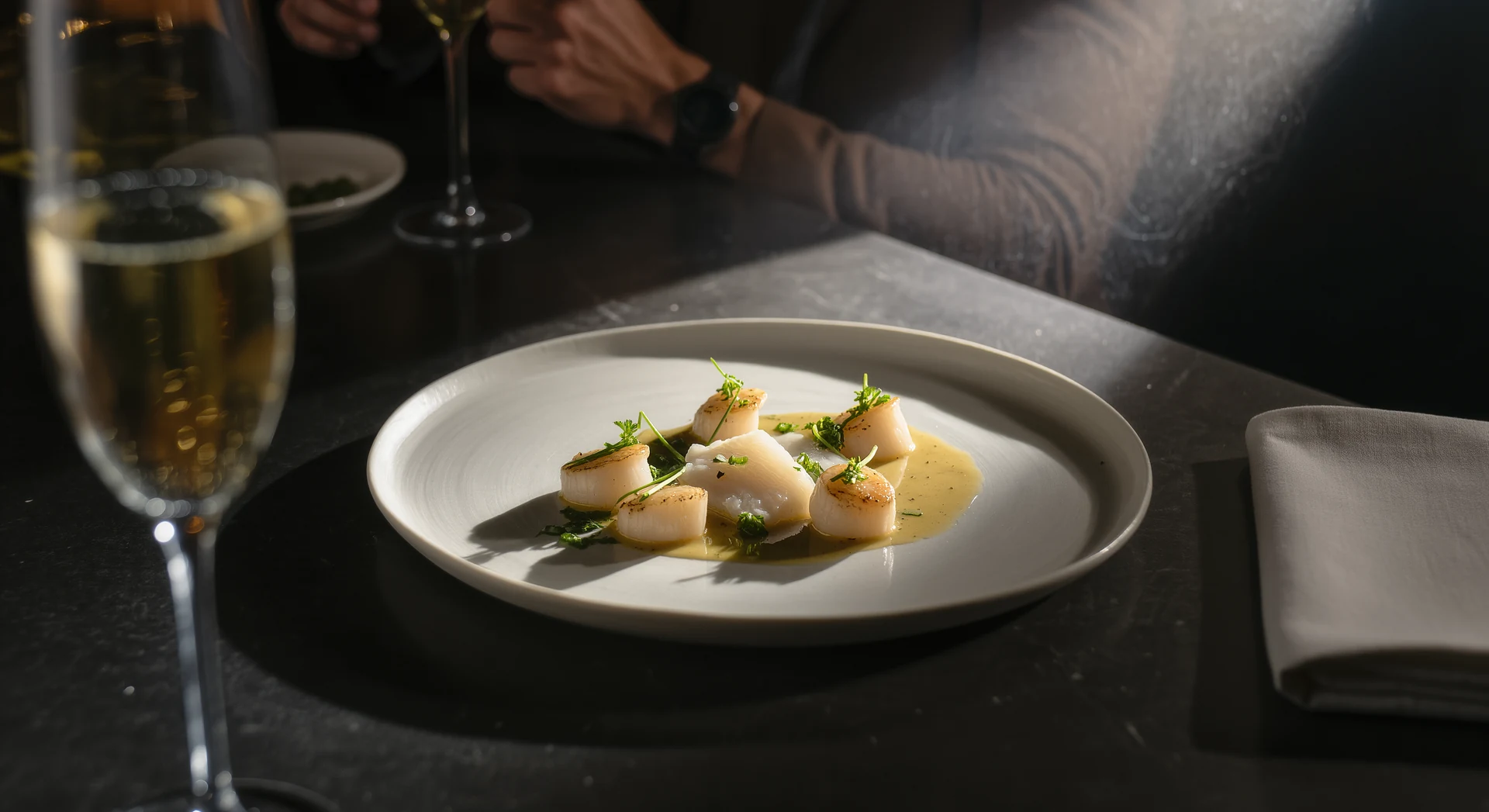
Planning a trip to the Mediterranean coast? You’re in for a treat. This region is a treasure trove of vibrant festivals, mouth-watering cuisine, and breathtaking scenery. Whether you’re chasing the sun, a food enthusiast, or a history buff, the Med has something special for you.
The Mediterranean isn’t just about beautiful beaches; it’s a living, breathing cultural tapestry. Throughout the year, towns and cities burst into life with festivals that celebrate everything from ancient traditions to local produce. These aren’t just tourist spectacles; they’re deeply ingrained in the local fabric.
Spring’s Awakening
As the weather warms, so do the spirits. Spring brings a flurry of activities that shake off the winter chill.
Holy Week (Semana Santa)
Across Spain, Italy, and Malta, Holy Week is a profound and moving experience. Expect solemn processions, intricate floats, and a palpable sense of devotion. Seville’s Semana Santa is particularly renowned for its elaborate brotherhoods and haunting music. Even if you’re not religious, the cultural significance and sheer visual spectacle are captivating.
Flower Festivals
Spring is also a time for nature’s bounty. Girona, Spain, hosts Temps de Flors, where the entire city becomes a living art installation, adorned with spectacular flower arrangements. In Italy, the Infiorata festivals in various towns like Noto and Genzano see streets carpeted with intricate designs made from flower petals, a truly ephemeral art form.
Summer’s Vibrant Pulse
When the heat is on, so is the party. Summer in the Mediterranean is synonymous with music, revelry, and outdoor celebrations.
Music Festivals
From intimate jazz performances in seaside towns to massive electric dance music (EDM) events, there’s a music festival for every taste. The Montreux Jazz Festival (Switzerland, though close to the Méditerranée) is world-famous, while less-known but equally delightful traditional music fests pop up in countless villages. Look out for local “fiestas” that often feature live bands and dancing in town squares.
Saint’s Day Festivities
Every town and village has a patron saint, and their day is celebrated with gusto. These often involve parades, fireworks, traditional dances, and, of course, plenty of food and drink. The Feast of Saint John (San Juan) on June 23rd is particularly popular in Spain and Portugal, marked by bonfires on beaches and lively gatherings.
Historical Reenactments
Many towns take pride in their history, staging impressive reenactments of medieval battles, Roman life, or ancient Greek rituals. The Carthage International Festival in Tunisia, for instance, celebrates its rich ancient heritage with music, dance, and theater in its historic amphitheater. These events offer a fascinating glimpse into the past, often with participants dressed in elaborate period costumes.
Autumn’s Harvest & Cultural Riches
As temperatures cool, the focus shifts to harvests and cultural deeper dives.
Wine and Olive Oil Festivals
Autumn is harvest season, and the Mediterranean celebrates its bounty. Wine festivals, especially in Italy and France, offer grape stomping, tastings, and a chance to learn about winemaking. Olive oil festivals are equally popular, providing opportunities to sample fresh-pressed oil and local delicacies. These are fantastic chances to taste the region’s liquid gold directly from the source.
Film Festivals
The autumn months also see a number of prestigious film festivals. The Venice Film Festival in Italy is one of the oldest and most esteemed in the world, attracting global stars and cinephiles. More niche festivals celebrating independent cinema or specific genres can also be found in smaller cities, offering a unique cultural experience.
Cuisine: A Culinary Journey for the Senses
Mediterranean food isn’t just sustenance; it’s a way of life. It’s fresh, flavorful, and deeply connected to the land and sea. Forget bland tourist traps; delve into the heart of regional gastronomy.
Fresh from the Sea
Given the extensive coastline, seafood is a cornerstone of Mediterranean diets.
Grilled Fish & Seafood Paella
Nearly every coastal town boasts excellent grilled fish: simple, fresh, and often just seasoned with olive oil and lemon. In Spain, paella is iconic, with its saffron-infused rice, often loaded with prawns, mussels, and calamari. Don’t be afraid to experiment with lesser-known local seafood dishes; you might discover a new favorite.
Bouillabaisse in Marseille
This classic French fish stew is a hearty and aromatic dish, traditionally made with several types of fish, shellfish, and a rich broth flavored with saffron and herbs. It’s typically served with rouille (a spicy mayonnaise) and crusty bread. Eating bouillabaisse in its birthplace is an absolute must for any food lover.
Earth’s Bounty: Vegetables & Grains
The sun-drenched climate is perfect for growing an abundance of vegetables, pulses, and grains which form the backbone of many dishes.
Mezze in the East
Moving towards the eastern Mediterranean, the concept of “mezze” takes center stage. These small, flavorful dishes like hummus, baba ghanoush, tabbouleh, and labneh are perfect for sharing and offer a diverse range of tastes and textures. It’s a fantastic way to sample many local specialties in one sitting.
Pasta & Pizza Perfection
Italy, of course, is world-renowned for its pasta and pizza. But don’t just stick to the familiar. Explore regional pasta shapes and sauces, from the pesto of Liguria to the carbonara of Rome. Pizza varies greatly too; try a Neapolitan classic for its soft, chewy crust, or a crispy Roman style. Every region boasts its own specialties and fresh ingredients that elevate these dishes.
Greek Salads & Spanakopita
Greek cuisine celebrates fresh, vibrant ingredients. A classic Greek salad with ripe tomatoes, cucumbers, olives, feta, and a drizzle of olive oil is simple perfection. Spanakopita, savory spinach and feta pie wrapped in flaky phyllo pastry, is another delightful staple.
Sweet Endings & Liquid Gold
No meal is complete without indulging in some local sweets and washing it all down with distinctive local beverages.
Gelato & Baklava
Italian gelato is a universal favorite, with countless flavors made from fresh ingredients. In the eastern Mediterranean, baklava, layers of phyllo pastry, nuts, and sweet syrup, is an irresistible treat. Explore local bakeries for regional pastry specialties.
Olive Oil & Wine
Beyond food, Mediterranean olive oil is renowned for its quality and health benefits. Many regions offer tastings directly from producers. And, of course, wine. From the robust reds of Tuscany to the crisp whites of Greece, each country and region boasts its unique varietals and winemaking traditions. Don’t forget the local spirits, like Ouzo in Greece or Pastis in France, which often have cultural significance.
Scenic Views: Where Land Meets Sea in Spectacle
The Mediterranean coastline is legendary for a reason. From dramatic cliffs to idyllic coves, the scenery is diverse and awe-inspiring.
Cliffside Villages & Ancient Ruins
Prepare to be mesmerized by towns perched precariously on cliffs and the enduring legacy of ancient civilizations.
Santorini’s Caldera
The iconic white-washed villages of Santorini, Greece, clinging to the edge of a volcanic caldera, offer some of the most breathtaking sunsets on Earth. Every turn reveals another postcard-perfect view of the Aegean Sea.
Amalfi Coast’s Terraces
Italy’s Amalfi Coast, with its terraced lemon groves, vibrant villages like Positano and Ravello, and winding coastal roads, is a UNESCO World Heritage site for good reason. The views of the deep blue sea against the rugged cliffs are simply unforgettable.
Roman and Greek Theatres
Scattered across the Mediterranean, you’ll find impeccably preserved ancient theatres and amphitheatres. Imagine watching a performance in the ancient Roman Theatre of Taormina in Sicily, with Mount Etna looming in the background, or the grand Theatre of Epidaurus in Greece, renowned for its perfect acoustics. These sites merge history with unparalleled natural beauty.
Pristine Beaches & Azure Waters
The Mediterranean Sea itself is a major draw, with its captivating clear waters and diverse beaches.
Turquoise Coves in Croatia
Croatia’s Dalmatian Coast is famous for its stunning turquoise coves, hidden bays, and pebble beaches. The clarity of the water is incredible, making it perfect for swimming, snorkeling, and diving. Islands like Hvar and Korčula are particularly beautiful.
Sandy Shores of Cyprus
For those who prefer sand between their toes, Cyprus offers beautiful stretches of sandy beaches, such as Fig Tree Bay. These areas are perfect for relaxing, sunbathing, and enjoying the warm, shallow waters.
Hidden Gems in Sardinia
Off the beaten path, Sardinia in Italy boasts some of the Mediterranean’s most spectacular beaches and coves, often accessible only by boat. Cala Luna or Cala Mariolu are just two examples of these pristine, almost untouched paradises.
Local Life: Immersing Yourself in the Culture
Beyond the big attractions, the true magic of the Mediterranean lies in its everyday rhythm and local interactions.
Engaging with Locals
Don’t be shy! A friendly smile and a few words in the local language can open doors to authentic experiences.
Coffee Culture
Throughout the Mediterranean, coffee isn’t just a drink; it’s a ritual. In Italy, enjoy an espresso standing at the bar. In Greece, linger over a freddo cappuccino. In Turkey, sip thick, potent Turkish coffee. Observing and participating in these daily rituals offers a glimpse into local life.
Market Visits
The local markets are sensory feasts. From vibrant fruit and vegetable stalls to fishmongers hawking the day’s catch, these markets are bustling hubs of activity. It’s not just about shopping; it’s about observing, chatting with vendors, and getting a real feel for the local produce and economy.
Embracing the Pace
Life here often moves at a different speed.
Siesta & Passeggiata
Many Mediterranean countries embrace the siesta, a midday break from the heat and work. Evenings often involve the “passeggiata,” a leisurely stroll after dinner that allows families and friends to socialize. Embrace this slower pace; it’s part of the charm.
Family Values
Family is central to Mediterranean culture. You’ll often see multi-generational families enjoying meals together, especially on weekends. These are often lively, loud, and joyful occasions that embody the spirit of the region.
Practical Tips for Your Mediterranean Adventure
To make your trip smooth and enjoyable, a little planning goes a long way.
Best Time to Visit
Timing is everything when it comes to the Mediterranean.
Shoulder Seasons (Spring & Autumn)
For the best balance of good weather, fewer crowds, and more moderate prices, aim for the shoulder seasons (April-May and September-October). The temperatures are pleasant, and you can still enjoy the beaches without the intense summer heat.
Summer Buzz (June-August)
If you love warm weather, lively atmospheres, and don’t mind crowds, summer is for you. However, prepare for higher prices, pre-book accommodations, and stay hydrated, as temperatures can be very high.
Getting Around
Consider your transport options carefully.
Rental Cars for Freedom
A rental car offers the ultimate flexibility, especially if you plan to explore rural areas or multiple villages. Be aware that some old town centers have restricted access, and parking can be a challenge. Roads can also be narrow and winding in certain coastal regions.
Public Transport for Cities
Major cities are well-served by public transport (buses, trams, metro). For inter-city travel, trains in Italy, France, and Spain are efficient and comfortable. Ferries are crucial for island hopping in Greece and Croatia.
Walking & Cycling
Many coastal towns are best explored on foot. Consider cycling in flatter regions or for specific routes; it’s an environmentally friendly way to see the sights.
Language & Currency
A little preparation here makes a big difference.
Basic Phrases
Learning a few basic phrases in the local language (hello, please, thank you, excuse me, where is…) will be greatly appreciated. While English is spoken in tourist areas, local efforts go a long way.
Local Currency
Most Mediterranean countries use the Euro (€), but some, like Croatia, Turkey, and Egypt, have their own currencies. Check exchange rates and be aware of any foreign transaction fees from your bank. ATMs are widely available, but it’s always good to have some cash on hand for smaller purchases or local markets.
The Mediterranean isn’t just a destination; it’s an experience. It’s a blend of ancient history, vibrant daily life, incredible flavors, and breathtaking natural beauty. Pack your bags, bring your curiosity, and get ready to create some unforgettable memories.
FAQs
What are some popular events on the Mediterranean coast?
Some popular events on the Mediterranean coast include music festivals, food and wine festivals, cultural celebrations, and sporting events such as regattas and beach volleyball tournaments.When do these events typically take place?
Events on the Mediterranean coast typically take place throughout the year, with peak seasons during the summer months. However, there are also events during the spring and fall, and some winter events as well.Where can I find information about upcoming events on the Mediterranean coast?
Information about upcoming events on the Mediterranean coast can be found on official tourism websites, event-specific websites, social media pages, and local event calendars. Travel agencies and tourist information centers can also provide information.What are some popular destinations for events on the Mediterranean coast?
Popular destinations for events on the Mediterranean coast include cities and towns in countries such as Spain, France, Italy, Greece, Turkey, and Croatia. Some specific destinations known for their events include Barcelona, Cannes, Athens, and Dubrovnik.Are there any cultural or historical events on the Mediterranean coast?
Yes, there are many cultural and historical events on the Mediterranean coast, including traditional festivals, reenactments, and historical commemorations. These events often showcase the rich history and diverse cultures of the region.More from Events on the Coast
Costa del Sol Nightlife Guide
Costa del Sol nightlife guide: Marbella superclubs, Malaga Soho bars, Torremolinos LGBTQ scene, flamenco penas, dress codes, hours and prices from sun…
Ultimate Luxury Events in Marbella: Where Opulence Meets Elegance
When thinking about ultimate luxury events in Marbella, you’re really looking at a place where the sun-drenched Mediterranean lifestyle merges w…
Exclusive Events in Spain: A Must-See Experience
Spain isn’t just about flamenco, tapas, and sun-drenched beaches, though those are fantastic. What often gets overlooked are the incredible exc…