Indulge in Culinary Delights at Costa del Sol’s Food Festivals
Thinking about a gastronomic adventure on the Costa del Sol? You’re in luck! The region is bursting with food festivals throughout the year, offering an incredible chance to …
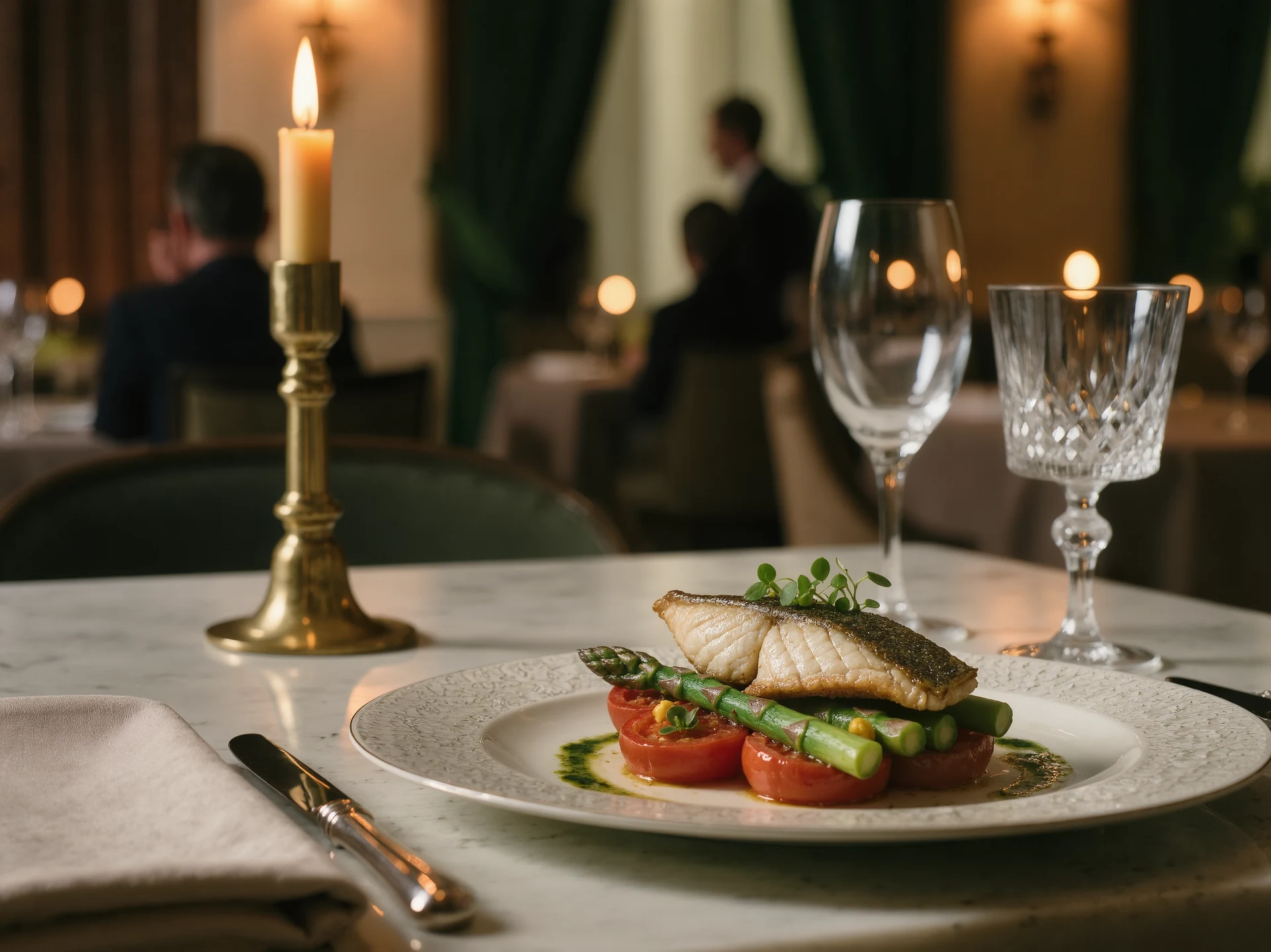
Thinking about a gastronomic adventure on the Costa del Sol? You’re in luck! The region is bursting with food festivals throughout the year, offering an incredible chance to taste local specialties, fresh produce, and innovative dishes. These aren’t just markets; they’re vibrant celebrations of food, culture, and community, where you can truly immerse yourself in the flavors of Andalusia.
A Year-Round Gastronomic Calendar
The Costa del Sol doesn’t just save its food celebrations for one season. From the sun-drenched days of summer to the crisp evenings of autumn and even the mild winters, there’s almost always a food festival happening somewhere. This means you can plan your visit around specific culinary interests, whether it’s seafood, olives, or traditional sweets. Each festival offers a unique glimpse into the local culinary scene.
Why You Should Visit a Food Festival
Beyond just eating (which, let’s be honest, is a huge draw), food festivals here offer a fantastic way to engage with the local culture. You’ll meet producers, sample directly from the source, and often witness traditional cooking demonstrations. It’s a much more authentic experience than simply dining at a restaurant, allowing you to understand the passion and heritage behind the dishes.
Given its prime coastal location, it’s no surprise that the Costa del Sol excels at seafood. Festivals dedicated to the bounty of the Mediterranean are a highlight, especially during the warmer months when the catches are plentiful and the atmosphere is buzzing.
Sardine Skewers and Espetos
One of the most iconic sights (and smells!) along the Costa del Sol is the espeto de sardinas, sardines grilled over an open fire in a sandpit boat. Many coastal towns celebrate this tradition with dedicated sardine festivals.
- Fuengirola’s ‘Fiesta del Pescaito’: This annual event, typically held in early summer, is a must for seafood lovers. You’ll find countless stalls grilling fresh sardines, anchovies, and other local fish. It’s often accompanied by live music and a lively, family-friendly atmosphere. The focus here is on simplicity and freshness, showcasing how delicious perfectly cooked local fish can be. It’s not just about eating; it’s about the communal experience of sharing food by the sea. Expect long lines, but the wait is always worth it for the smoky, tender fish.
- Torremolinos’ ‘Día del Turista’: While not solely a sardine festival, this event often features free espetos and other seafood tasters for visitors, especially in the La Carihuela district. It’s a great opportunity to enjoy the local specialty in a festive environment, usually celebrated in late September. It’s a way for the town to thank tourists and showcase its culinary heritage, particularly its strong ties to fishing.
Malagan Anchovy Extravaganza
The boquerón, or anchovy, is another superstar in Malagan cuisine, often served fried (fritos) or marinated in vinegar (en vinagre).
- Rincón de la Victoria’s ‘Boquerón Victoriano Festival’: This festival, usually in September, is entirely dedicated to the local “Victorian anchovy,” renowned for its size and flavor. You can sample them prepared in countless ways, fried, marinated, in salads, and even in more innovative dishes. There are often cooking competitions, live music, and plenty of opportunities to purchase local anchovy products to take home. It’s a deep dive into a single, beloved ingredient that is central to the region’s food identity. This festival highlights the versatility of the humble anchovy and its importance to the local fishing industry.
Shellfish and More
Beyond sardines and anchovies, other festivals celebrate the diverse shellfish and fin fish caught off the coast.
- Estepona’s Seafood Fair: Estepona, with its active fishing port, often hosts fairs where various types of seafood are available for tasting and purchase. From prawns (gambas) to clams (almejas) and mussels (mejillones), you can explore the full range of marine delicacies. These events are less about a single ingredient and more about the broad spectrum of fresh seafood available. Check local listings, as these events can vary in timing and exact focus, but Estepona is a reliable spot for quality seafood gatherings.
Celebrating the Land: Produce and Products
The Costa del Sol isn’t just about the sea; its fertile hinterland produces an abundance of fruits, vegetables, olives, and wines. These festivals highlight the rich agricultural heritage of the region.
Olive Oil: Liquid Gold
Andalusia is world-famous for its olive oil, and the Costa del Sol’s inland areas, particularly around towns like Ronda, Antequera, and Alhaurín el Grande, are significant producers.
- Alhaurín el Grande’s ‘Día de la Aceituna’: This “Olive Day,” typically in May, is a fantastic opportunity to learn about olive oil production first-hand. You can witness traditional olive pressing, taste different varieties of virgin olive oil, and stock up on local products. The festival also features local gastronomy, folklore, and crafts, making it a comprehensive cultural experience. It showcases the dedication of local farmers and the artisanal methods that still produce some of the world’s best olive oil. You’ll gain a true appreciation for the effort that goes into every bottle.
- Ardales’ ‘Fiesta de la Cerveza y la Aceituna’: While a bit of a mix, this festival (usually in April) combines local craft beers with the star of the show: olives. It’s a chance to taste various cured olives and even olive oil-infused dishes, often paired with regional brews. It’s a more modern and less traditional festival, but still highlights the importance of olives in the local diet and economy.
Citrus and Tropical Delights
The mild climate allows for a surprising array of citrus and even tropical fruits to thrive.
- Coín’s ‘Día de la Naranja’: Coín celebrates its oranges every May with this sweet and fragrant festival. You’ll find stalls selling freshly squeezed orange juice, orange-based desserts, marmalades, and traditional dishes that incorporate the fruit. It’s a refreshing festival, especially if you’re visiting during the warmer spring months. It highlights the versatility of oranges beyond just juice, showing their role in both sweet and savory local cuisine.
- Vélez-Málaga’s ‘Feria de la Agricultura Tropical’: The Axarquía region, where Vélez-Málaga is located, is known for its tropical fruits like avocados, mangoes, and cherimoyas. This fair (dates vary, often autumn) provides an opportunity to sample these exotic local produce, learn about their cultivation, and enjoy dishes that incorporate them. It’s a testament to the region’s unique microclimate and agricultural diversity. You’ll be surprised by the variety and quality of tropical fruits grown so close to the Mediterranean.
From Vine to Wine
Andalusia has a rich winemaking tradition, particularly known for its sweet wines, but also producing excellent reds and whites.
- Ronda’s ‘Día del Vino’: Ronda and its surrounding vineyards are gaining recognition for their quality wines. This “Wine Day” (often in late summer or early autumn) allows visitors to taste wines from local bodegas, meet the winemakers, and learn about the unique terroir of the Ronda region. It’s a more intimate experience than larger wine fairs, focusing on the passion of individual producers. You’ll discover the distinct characteristics of Ronda’s emerging wine scene.
- Cómpeta’s ‘Noche del Vino’: Held in mid-August, this festival is a celebration of the region’s Muscatel wine. It’s a lively event with flamenco, dancing, and of course, plenty of wine tasting. It’s a traditional vendimia (harvest) celebration, rooted in the joy and hard work of winemaking.
Sweet Treats and Traditional Flavors
No culinary tour is complete without indulging in the local sweets and traditional dishes that tell a story of regional heritage.
Festive Pastries and Confections
Andalusia has a history of Moorish influence, which is evident in its sweets, often incorporating honey, almonds, and spices.
- Alfarnatejo’s ‘Fiesta de la Cereza’: While primarily a cherry festival (usually June), many towns celebrating fruit harvests also feature pastries and desserts made from that fruit. Here, you’ll find cherry tarts, jams, and other sweet creations alongside the fresh produce. It’s a delightful way to experience the fruit in its various forms.
- Antequera’s ‘Mollete and Mantecado Fair’: Antequera is famous for its molletes (a soft, fluffy bread roll, often served with olive oil and tomato for breakfast) and its mantecados (traditional shortbread-like biscuits, especially popular around Christmas). While not a huge festival, there are often smaller fairs or markets, particularly in winter, where you can buy these local specialties directly from producers. It’s a chance to taste authentic, homemade versions of these beloved treats.
Culinary Heritage Showcases
Some festivals are broader, encompassing a range of traditional dishes and culinary customs.
- Casares’ ‘Fiesta de la Morcilla’: This “Blood Sausage Festival” (typically in spring) might seem niche, but it’s a popular event celebrating a traditional Andalusian delicacy. While morcilla is the star, the festival often features other local meats, stews, and traditional dishes served alongside it. It’s an insight into the more rustic and hearty side of local cuisine, popular with residents and adventurous tourists alike.
- Tolox’s ‘Día de la Tagarnina’: This festival, usually in January, celebrates the “thistle cardoon,” a wild edible plant central to local cuisine, especially in stews and omelets. It’s a wonderful example of how local communities celebrate humble, foraged ingredients and turn them into delicious, traditional dishes. It’s a great way to experience a unique, seasonal vegetable often overlooked.
Unique Culinary Experiences
Beyond the usual festivals, some events offer a distinct twist or celebrate a particular, perhaps unusual, aspect of local food culture.
Gastronomic Weeks and Routes
Many towns don’t just have one-off festivals but organize longer “gastronomic weeks” or “tapa routes” that allow you to explore a variety of establishments and dishes.
- Mijas Pueblo’s ‘Tapa Route’: Throughout the year, Mijas Pueblo often organizes “tapa routes,” where participating bars and restaurants offer a special tapa and a drink (often beer or wine) for a set, low price. It’s a fantastic way to explore different eateries, try a variety of mini-dishes, and experience the social aspect of Spanish dining. These events are usually advertised locally and often come with a passport or map to guide you. You get to vote for your favorite tapa, adding a fun competitive element!
- Marbella’s Gastronomic Weeks: While Marbella is known for its high-end dining, it also hosts more accessible gastronomic weeks where local restaurants offer special menus or themed events. These can be a great way to experience quality dining at a more approachable price point, showcasing both traditional and modern Andalusian cuisine. Keep an eye on local tourism office announcements.
Organic and Artisan Markets
While not always a “festival” in the traditional sense, dedicated organic or artisan food markets are popping up more frequently, providing a more structured way to sample local produce and handcrafted goods.
- Málaga’s ‘Mercado de Atarazanas’ (with special events): While a permanent market, Atarazanas often hosts special tasting events, culinary workshops, or themed days, especially around holidays or seasonal produce. It’s an excellent place to find fresh, local ingredients, and these events offer an added layer of experience. Think of it as a rolling mini-festival within a magnificent market.
- Estepona’s Agricultural and Artisanal Market: Many smaller towns and cities will have monthly or seasonal markets where local farmers and artisans sell their produce directly. While not always framed as a “food festival,” these are excellent opportunities to try local cheeses, cured meats, olive oils, and seasonal fruits and vegetables directly from the people who produce them. They often have a warm, community feel.
Planning Your Culinary Journey
A little planning goes a long way to make the most of Costa del Sol’s food festivals. Because many of these events are deeply rooted in local traditions and seasonal produce, their dates can shift slightly year to year.
Tips for Festival-Goers
- Check Dates in Advance: Festival dates are often announced a few months ahead. Always check the official tourism websites for the specific town or region you’re interested in. Local town hall (ayuntamiento) sites are also reliable.
- Go Early: Popular festivals, especially those offering free tastings or limited-edition items, can get very busy. Arriving earlier in the day often means fewer crowds and fresher selections.
- Bring Cash: While some larger stalls might accept cards, many smaller vendors, especially at traditional markets, prefer cash.
- Stay Hydrated: Especially in the warmer months, you’ll be spending time outdoors. Bring water and take breaks.
- Pace Yourself: With so many delicious things to try, it’s easy to get carried away. Sample small portions to experience a wider range of offerings without feeling overwhelmed.
- Engage with Locals: Don’t be shy! Ask vendors about their products, how they’re prepared, or for recommendations. It’s part of the experience and a great way to learn about the local culture.
- Consider Public Transport or Taxis: Parking can be a challenge at popular festivals, especially in smaller towns. If you plan to enjoy some local wine or beer, it’s safer and more convenient.
- Don’t Forget the Sunscreen: Andalusian sun can be intense, even outside of peak summer.
Beyond the Tasting Stalls
Many food festivals aren’t just about eating and drinking. They often feature:
- Live Music and Flamenco: Adding to the festive atmosphere.
- Cooking Demonstrations: A chance to learn local recipes and techniques.
- Children’s Activities: Making them family-friendly events.
- Craft Stalls: Selling local artisanal products alongside food.
- Guided Tours: Sometimes offering insights into the local area or specific produce.
The Costa del Sol’s food festivals are more than just events; they’re an invitation to experience the heart and soul of Andalusia through its incredible culinary traditions. So, ditch the generic tourist traps and immerse yourself in these authentic, flavorful celebrations!
FAQs
What are some popular food festivals on the Costa del Sol?
Some popular food festivals on the Costa del Sol include the Malaga Food and Wine Festival, the Sabor a Malaga Fair, and the Axarquia Málaga Honey Festival.When do these food festivals typically take place?
Food festivals on the Costa del Sol typically take place throughout the year, with some of the larger festivals occurring in the spring and summer months.What types of food and drinks can be found at these festivals?
At these festivals, visitors can expect to find a wide variety of local and regional foods, including seafood, olives, cheeses, and traditional Andalusian dishes. There are also plenty of opportunities to sample local wines, sherries, and other beverages.Are these festivals suitable for families and children?
Many of the food festivals on the Costa del Sol are family-friendly, with activities and entertainment for children. However, it’s always best to check the specific festival’s website for details on family-friendly activities.How can I find out more information about specific food festivals on the Costa del Sol?
For more information about specific food festivals on the Costa del Sol, including dates, locations, and participating vendors, it’s best to visit the official websites of the festivals or contact the local tourism office for the most up-to-date information.More from Events on the Coast

Costa del Sol Nightlife Guide
Costa del Sol nightlife guide: Marbella superclubs, Malaga Soho bars, Torremolinos LGBTQ scene, flamenco penas, dress codes, hours and prices from sun…

Ultimate Luxury Events in Marbella: Where Opulence Meets Elegance
When thinking about ultimate luxury events in Marbella, you’re really looking at a place where the sun-drenched Mediterranean lifestyle merges w…

Exclusive Events in Spain: A Must-See Experience
Spain isn’t just about flamenco, tapas, and sun-drenched beaches, though those are fantastic. What often gets overlooked are the incredible exc…