Authentic Villages of Costa del Sol: Discover the Charm of Traditional Andalusian Life
Thinking of ditching the concrete jungles and discovering a more genuine side of the Costa del Sol? You’re in luck! While the region is well-known for its bustling beaches and live…
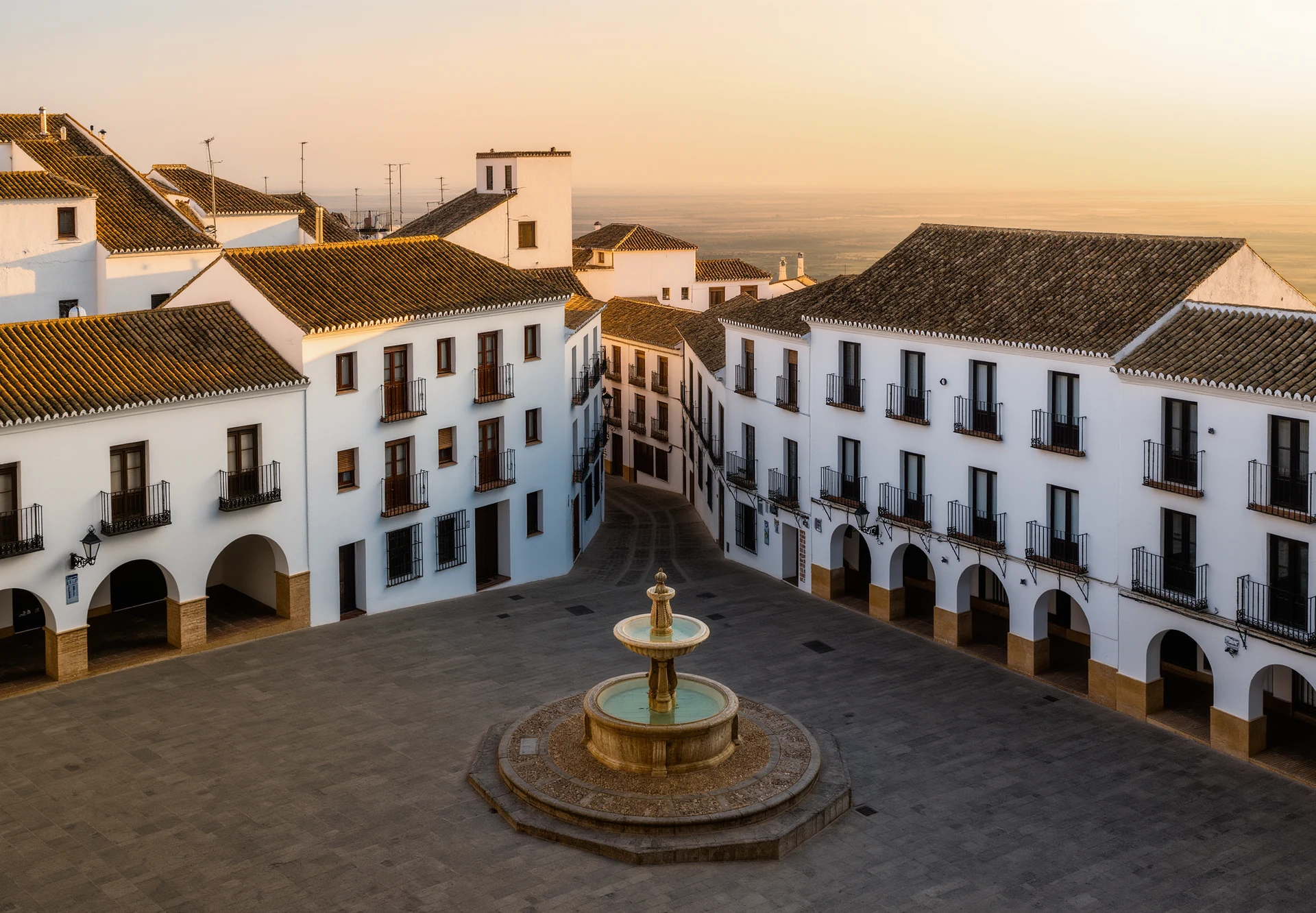
Thinking of ditching the concrete jungles and discovering a more genuine side of the Costa del Sol? You’re in luck! While the region is well-known for its bustling beaches and lively resorts, just a short drive inland, you’ll find a treasure trove of villages where traditional Andalusian life still hums along. These aren’t just pretty places; they’re living, breathing communities offering a real glimpse into Spanish culture, delicious local food, and a slower pace of life. Forget the generic souvenir shops and loud tourist traps; these villages are where you can truly connect with the heart of Andalusia.
Beyond the Beaches: Why Go Inland?
Many people visit the Costa del Sol and stick to the coast. And hey, there’s nothing wrong with enjoying the sun and sand! But when you venture inland, even just a few kilometers, you unlock a completely different experience. You trade the beachfront high-rises for whitewashed houses clinging to hillsides, the international cuisine for generations-old recipes, and the constant buzz for the gentle rhythm of village life. It’s a chance to see how locals truly live, away from the tourist spotlight.
A Different Pace of Life
Life in these inland villages moves at a different speed. Mornings start with the clinking of coffee cups in a local bar, afternoons are for siestas (especially in summer), and evenings bring neighbours out to chat in the squares. It’s less about rushing and more about savoring the moment. This slower pace can be incredibly refreshing, offering a respite from the stresses of modern life.
Authentic Encounters
You’re more likely to interact with locals in these villages. Whether it’s ordering your morning coffee, buying fresh produce at the market, or simply smiling at someone passing by, these small, everyday interactions can be incredibly rewarding. It’s in these moments that you truly experience the warmth and hospitality of Andalusian people.
Exploring the White Villages (Pueblos Blancos)
The “Pueblos Blancos” (White Villages) are perhaps the most iconic representation of traditional Andalusian architecture. Clustered like pearls in the rolling hills, their whitewashed buildings offer a striking contrast to the azure skies and green landscapes. While many are found further inland in Cádiz province, Malaga province also boasts some stunning examples right on the Costa del Sol’s doorstep.
Mijas Pueblo: The Postcard Village Without the Fluff
Mijas Pueblo is probably one of the most famous white villages, and for good reason. It’s incredibly picturesque with its donkey taxi stands, narrow cobblestone streets, and stunning panoramic views of the coast. While it does see its fair share of visitors, it still maintains an authentic village feel, especially if you wander off the main tourist routes.
Donkey Taxis and Cultural Corners
The donkey taxis are a classic Mijas attraction, and while they might seem a bit kitsch, they’ve been part of the village’s heritage for decades. If you enjoy a unique ride, give it a try. Beyond that, explore the bullring, the quaint Virgen de la Peña shrine carved into the rock, and the charming local craft shops. For a dose of culture, the CAC Mijas museum houses works by Picasso and Dalí, an unexpected find in such a small village.
Eating in Mijas Pueblo
You’ll find everything from traditional tapas bars to more upscale restaurants. For a truly authentic experience, find a small, family-run ‘venta’ (roadside inn) or ‘meson’ (traditional restaurant) slightly off the main square. Look for daily specials, often hearty stews, fresh fish, or local pork dishes.
Frigiliana: Moorish Charm and Flowery Streets
Often voted one of Spain’s prettiest villages, Frigiliana is a true gem. Nestled in the hills just a short drive from Nerja, it boasts a beautifully preserved Moorish old quarter characterized by its narrow, winding streets, whitewashed houses adorned with vibrant flowers, and intricate ceramic plaques detailing its history.
The Old Quarter: A Treat for the Senses
Wandering through Frigiliana’s old quarter (Barrio Alto or Morisco-Mudéjar district) is like stepping back in time. The air is often filled with the sweet scent of jasmine, and every corner reveals a new, photogenic scene. Don’t be afraid to get lost, that’s part of the fun. The village is built on a hillside, so be prepared for some inclines, but the views are well worth the effort.
Local Produce and Festivities
Frigiliana is known for its sweet wine (vino de Frigiliana) and local honey. You can often find these for sale in small shops. If you happen to visit in August, try to catch the “Festival de las Tres Culturas” (Festival of Three Cultures), celebrating the village’s Christian, Moorish, and Jewish heritage with music, food, and historical reenactments.
The Sierras: Hidden Gems in the Foothills
Beyond the immediate coastal plain, the Sierras (mountain ranges) offer even deeper immersion into traditional Andalusian life. These villages are often less frequented by tourists, providing an even more tranquil and authentic experience.
Casares: The Hanging Village
Casares is an absolutely spectacular white village, often dubbed the “hanging village” due to its dramatic position clinging to a steep hillside. Crowned by a Moorish castle, it offers breathtaking views of the surrounding countryside, stretching all the way to the coast and even Gibraltar on a clear day.
Castle Views and Local Life
The medieval castle ruins at the top are worth the climb for the panoramic vistas. Below, the village itself is a maze of charming, steep streets. You’ll find local shops selling bread, cheese, and cured meats. Take your time, enjoy a coffee in the main square (Plaza de España), and simply observe local life unfolding.
Natural Surroundings
Casares is also a great base for walking and hiking enthusiasts. The surrounding natural park, Sierra Bermeja, offers numerous trails with diverse flora and fauna. It’s a wonderful way to combine cultural exploration with outdoor activity.
Genalguacil: The Art Village
Tucked away in the Genal Valley, Genalguacil is unique among the white villages. Every two years, it hosts the “Encuentros de Arte” (Art Encounters), where artists come to live and create in the village, leaving their works as permanent installations. This has transformed Genalguacil into an open-air museum, blending traditional architecture with contemporary art.
Art Around Every Corner
As you explore Genalguacil, you’ll continually discover sculptures, murals, and installations integrated into the village fabric, in squares, on walls, and even embedded in the natural landscape. It’s a delightful surprise to stumble upon a thought-provoking piece of art amidst the whitewashed houses and potted geraniums.
A Taste of the Wild
The Genal Valley is renowned for its chestnut forests, especially stunning in autumn when the leaves turn coppery gold. This area is also popular for mushroom foraging (with local guidance, of course!) and offers a truly unspoiled rural Andalusian experience.
Gastronomy: The Heart of Andalusian Culture
Food is not just sustenance in Andalusia; it’s a way of life, a social connector, and a source of immense pride. In these authentic villages, you’ll find traditional dishes prepared with fresh, local ingredients, often based on recipes passed down through generations.
Tapas Culture: More Than Just Small Plates
Tapas are an integral part of Spanish culture. In these villages, tapas aren’t just for tourists; they’re how locals socialize. A “tapeo” (tapas crawl) involves moving from bar to bar, enjoying a small dish and a drink (beer, wine, or soft drink) at each.
What to Order
Look for regional specialties. In mountain villages, you’ll find excellent cured Iberian ham (jamón Ibérico), particularly from pigs that roam the cork oak forests. Morcilla (blood sausage), chorizo, and various stews often feature. On the coast-facing villages, expect fresh seafood, but inland, the focus shifts to robust meat and vegetable dishes. Don’t miss ajo blanco (a cold almond and garlic soup) or salmorejo (a thicker version of gazpacho, often topped with ham and egg).
Local Produce and Markets
Many villages have weekly markets where you can buy fresh, seasonal produce directly from local farmers. This is an excellent way to connect with the community and taste the freshest ingredients. Look for local cheeses, olives, olive oil, and seasonal fruits like oranges, figs, and pomegranates.
Olive Oil: Liquid Gold
Andalusia is the world’s largest producer of olive oil, and it’s a staple in every household. Many villages have small mills where you can buy freshly pressed olive oil. It’s far superior to what you’ll find in most supermarkets.
Practical Tips for Your Village Exploration
To make your trip to these authentic villages as enjoyable and respectful as possible, keep a few practical points in mind.
Getting Around: Car is King
While some larger villages are accessible by bus, a car is highly recommended for exploring these hidden gems. Many of them are off the main routes, and public transport can be infrequent or non-existent. Having your own vehicle gives you the freedom to explore at your own pace and discover smaller, lesser-known spots.
Parking Pointers
Parking can be tight in older villages, particularly in the narrow streets. Look for designated public car parks (often on the outskirts of the village) and be prepared for some walking. It’s usually worth the effort for the quiet streets.
Embrace the Siesta
Many establishments, especially small shops and restaurants, will close for a few hours in the afternoon (typically between 2 PM and 5 PM) for siesta. Plan your activities accordingly. This is a great time to enjoy a leisurely lunch, relax, or simply wander the quieter streets.
Learn a Few Phrases
While many people in tourist areas speak some English, in these smaller, more authentic villages, you’ll find that not everyone does. Learning a few basic Spanish phrases like “Hola” (hello), “Gracias” (thank you), “Por favor” (please), and “Una cerveza, por favor” (a beer, please) will go a long way and be greatly appreciated by the locals.
Dress Respectfully
When visiting churches or religious sites, it’s always a good idea to dress modestly, covering shoulders and knees. Even generally, opting for respectful attire shows consideration for the local culture.
Support Local Businesses
Try to spend your money in small, local shops, cafes, and restaurants. This helps sustain the village economy and keeps these authentic places thriving. Instead of generic souvenirs, look for locally made crafts, food products, or artwork.
Embracing the Authentic
Visiting these authentic villages on the Costa del Sol is about more than just sightseeing. It’s about slowing down, engaging with a different culture, and appreciating the simple beauty of traditional Andalusian life. It’s about the smell of orange blossoms, the sound of church bells, the taste of genuinely local food, and the warmth of a community that still holds onto its heritage. So, next time you’re in the Costa del Sol, do yourself a favor and venture beyond the coast, you won’t regret discovering these charming, real-deal villages.
FAQs
What are some authentic villages to visit in Costa del Sol?
Some authentic villages to visit in Costa del Sol include Mijas, Frigiliana, Casares, and Comares. These villages offer a glimpse into traditional Andalusian culture and architecture.What can visitors expect to experience in these authentic villages?
Visitors can expect to experience charming cobblestone streets, whitewashed buildings, and stunning views of the surrounding countryside. They can also explore local artisan shops, enjoy traditional cuisine, and immerse themselves in the rich history of the region.Are these villages easily accessible from popular tourist destinations in Costa del Sol?
Yes, many of these authentic villages are easily accessible from popular tourist destinations in Costa del Sol. They are often just a short drive from cities like Malaga, Marbella, and Torremolinos, making them convenient day trip options for visitors.What is the best way to explore these authentic villages?
The best way to explore these authentic villages is on foot. Many of them are pedestrian-friendly, allowing visitors to wander through the narrow streets and soak in the local atmosphere. Guided tours are also available for those who want to learn more about the history and culture of each village.What makes these villages unique compared to other tourist destinations in Costa del Sol?
These villages offer a more authentic and traditional experience compared to the bustling beach resorts and urban centers of Costa del Sol. They provide a glimpse into the region’s rich cultural heritage and offer a peaceful retreat from the more touristy areas.More from Hidden Gems
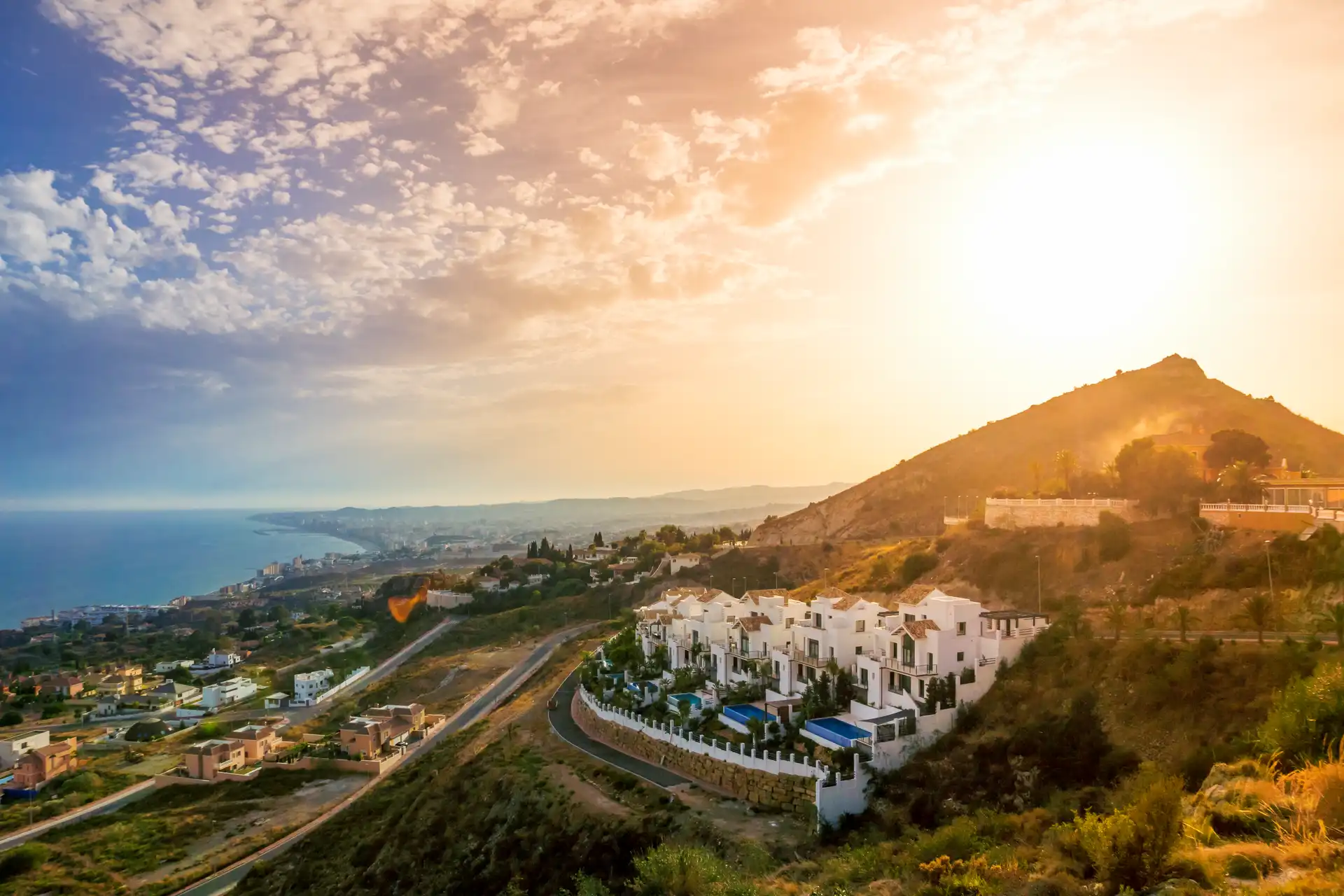
Chic Costa del Sol: Boutique Bliss
So, you’re thinking about a trip to the Costa del Sol but want to skip the mega-resorts and find something a little more… special? You’re …
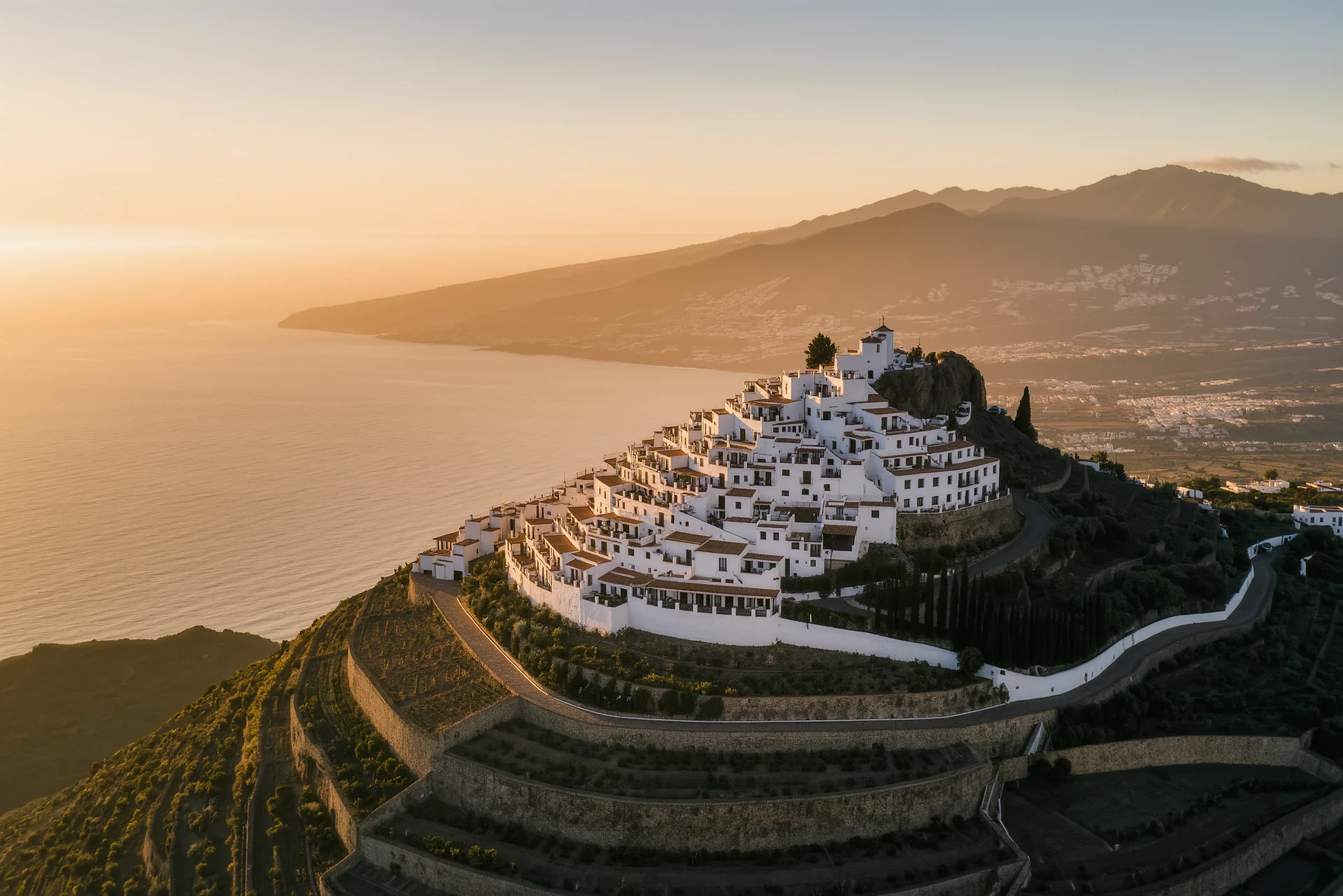
Charming Towns Near Marbella: Exploring the Costa del Sol
Looking for that quintessential Spanish charm beyond the glitz of Marbella? You’re in luck! The Costa del Sol is dotted with genuinely lovely to…
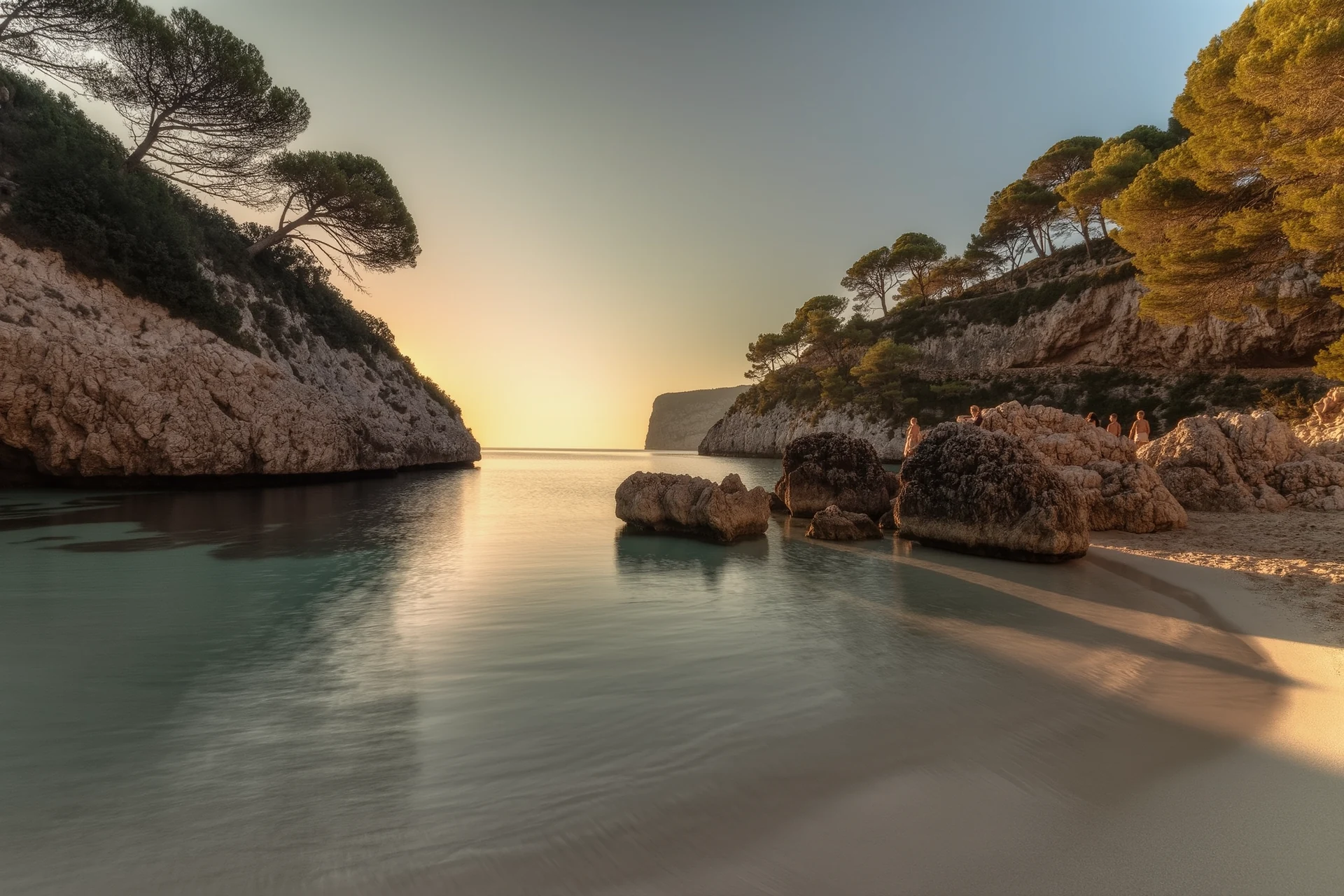
Secret Coves: Costa del Sol’s Hidden Gems
Looking for those tucked-away beaches on the Costa del Sol? While the main playas are great for families and facilities, sometimes you just want a bit…