Charming Towns Near Marbella: Exploring the Costa del Sol
Looking for that quintessential Spanish charm beyond the glitz of Marbella? You’re in luck! The Costa del Sol is dotted with genuinely lovely towns that offer a more relaxed …
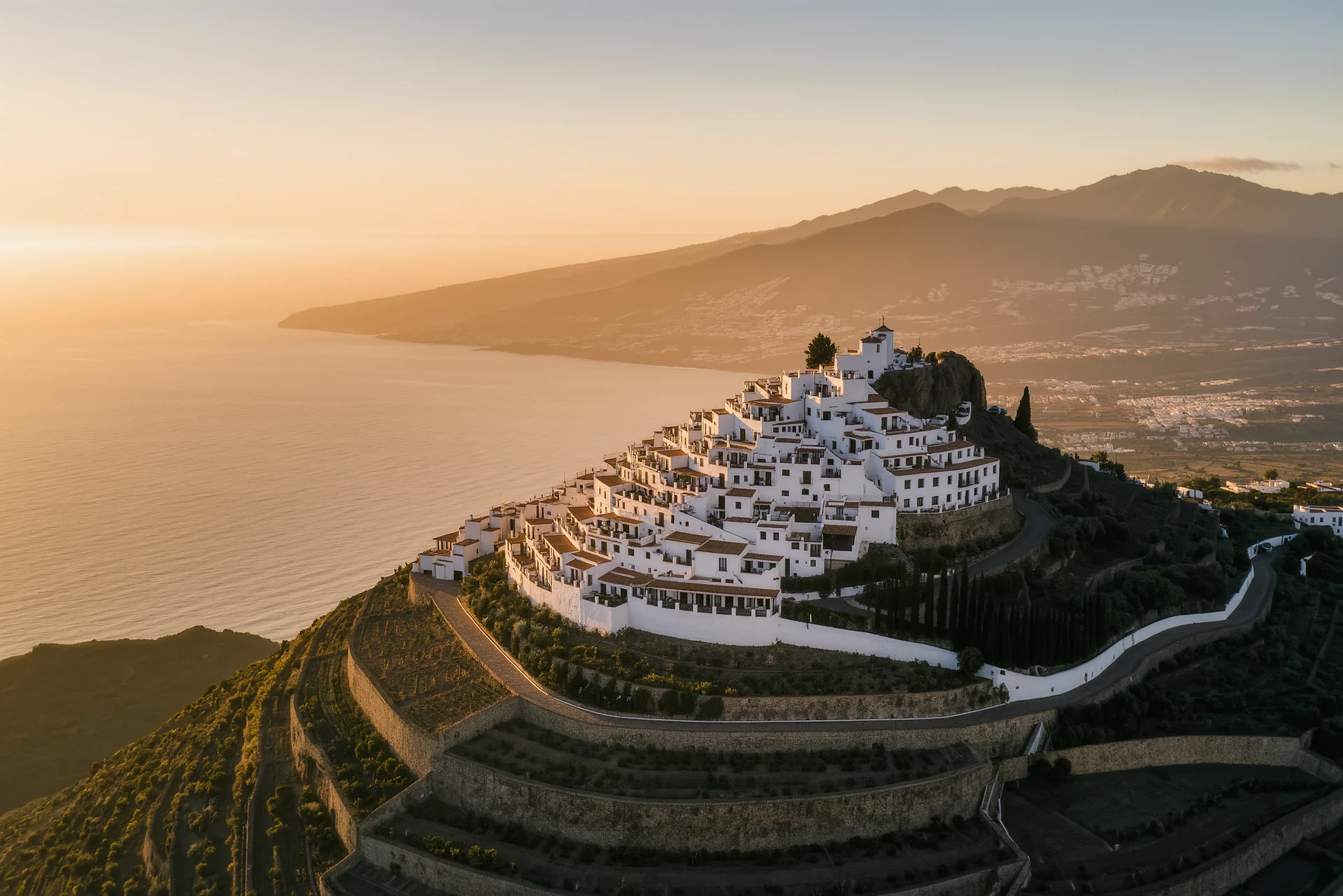
Looking for that quintessential Spanish charm beyond the glitz of Marbella? You’re in luck! The Costa del Sol is dotted with genuinely lovely towns that offer a more relaxed pace and a taste of authentic Andalusian life. While Marbella has its undeniable appeal, venturing a little further reveals beautifully preserved historic centers, stunning natural landscapes, and a more local flavor. So, if you’re keen to explore what lies just beyond the doorstep of Marbella’s renowned beaches, let’s dive into some of the most charming towns on the Costa del Sol.
Perhaps one of the most iconic and visually dramatic towns near Marbella is Ronda. It’s not just a pretty face; Ronda feels like stepping into a postcard that somehow came to life. Its most striking feature, the Puente Nuevo (New Bridge), spans a dizzying gorge, and the views from it are simply breathtaking. But there’s more to Ronda than just its famous bridge.
The Dramatic Puente Nuevo and El Tajo Gorge
You can’t talk about Ronda without highlighting the Puente Nuevo. This 18th-century architectural marvel took 42 years to build and connects the old Moorish town with the newer El Mercadillo district. The sheer scale of it, straddling the El Tajo gorge, is enough to make you pause. Standing on the bridge offers panoramic views of the plunging gorge below, the Guadalevín River, and the surrounding Sierra de las Nieves Natural Park. It’s a place that truly takes your breath away, offering countless photo opportunities.
Exploring the Old Town (La Ciudad)
Wander through the labyrinthine streets of Ronda’s old town, a UNESCO World Heritage site. You’ll find whitewashed houses adorned with flower-filled balconies, charming plazas, and hidden courtyards. Get lost on purpose and discover unexpected architectural gems. The Moorish influence is palpable here, with remnants of its past evident in the layout of the streets and the style of some buildings.
Historical and Cultural Highlights
Ronda is steeped in history. Don’t miss the Plaza de Toros, one of the oldest bullrings in Spain, dating back to 1785. It’s a beautifully preserved arena with a museum that delves into the history of bullfighting in the region. The Arab Baths (Baños Árabes), also from the Moorish period, offer a glimpse into daily life centuries ago. For art lovers, the Casa del Rey Moro has a beautiful descent down to the river through a historic water mine, offering fantastic views of the gorge from a different perspective.
Gastronomic Delights in Ronda
Ronda offers a delicious culinary scene. Try local specialties like rabo de toro (bull’s tail stew) or migas (a dish made with breadcrumbs, often served with pork and eggs). The local wines, particularly from the Serranía de Ronda region, are also worth exploring. Many restaurants offer terraces with stunning views, making for a memorable dining experience.
Mijas Pueblo: Whitewashed Charm in the Hills
Just a short drive from Marbella, Mijas Pueblo is the quintessential white village of Andalusia. Perched high in the Mijas Mountains, it offers a refreshing escape from the coastal bustle with its narrow, winding streets, explosion of bougainvillea, and stunning sea views. It’s a place that exudes tranquility and postcard-perfect charm.
The Iconic White Streets and Flower Pots
The defining characteristic of Mijas Pueblo is its immaculate whitewashed buildings. Every corner is adorned with vibrant potted flowers, geraniums, petunias, and bougainvillea, creating a cheerful and picturesque landscape. Walking through these narrow, cobbled streets feels like stepping back in time.
Andalusian Courtyards (Patios)
Many of Mijas Pueblo’s homes feature beautiful patios, traditional Andalusian courtyards decorated with plants, fountains, and colorful tiles. While not all are publicly accessible, you can often catch glimpses of these private havens through open doorways, adding to the village’s intimate charm.
The Donkey Taxis: A Quirky Tradition
A unique and somewhat controversial tradition in Mijas Pueblo is the donkey taxi service. While the welfare of the animals is a frequent topic of discussion, these donkeys have been a symbol of the town for decades. Visitors can opt for a short ride through the village, though it’s worth considering the ethics before partaking.
Mirador de la Sierra and Panoramic Views
The Mirador de la Sierra offers a fantastic viewpoint overlooking the coast and the Mediterranean Sea. It’s a perfect spot to sit, relax, and soak in the expansive vistas. On a clear day, the views stretch all the way to Africa.
Local Crafts and Souvenirs
Mijas Pueblo is a great place to pick up some local crafts. You’ll find shops selling pottery, ceramics, leather goods, and traditional textiles. It’s a good spot to find unique souvenirs that reflect the Andalusian culture.
Estepona: A Blooming Coastal Gem
Estepona has undergone a remarkable transformation in recent years, shedding some of its more developed feel to re-embrace its roots as a charming fishing village. It boasts a beautiful coastline, a wonderfully preserved old town, and a surprising artistic flair, all while maintaining a distinctly local atmosphere.
The Old Town’s Floral Display
Estepona’s old town is often referred to as the “Garden of the Costa del Sol.” The town council has made a concerted effort to beautify the streets with vibrant flowers, and the result is stunning. Each street is dedicated to a different flower, and pots of geraniums, bougainvillea, and other colorful blooms cascade down the whitewashed walls. It’s a truly unique and captivating urban garden.
Rambla y Jardín de las Columnas
This unique open-air museum showcases Roman columns and historical artifacts that have been unearthed in the town. It’s a fascinating way to connect with Estepona’s deeper history, integrated beautifully into the urban landscape.
The Estepona Orchidarium
For a dose of subtropical wonder, the Estepona Orchidarium is a must-visit. This modern architectural marvel houses an impressive collection of thousands of orchids. It’s a tranquil and visually stunning experience, with cascading waterfalls and a vibrant display of colors and fragrances. Even if you’re not a plant enthusiast, the sheer beauty of this place is captivating.
The Marina and Promenade
Estepona’s marina is a lively hub with a good selection of restaurants and bars. The long, well-maintained promenade is perfect for a leisurely stroll, offering lovely sea views and a chance to people-watch. It’s a more relaxed alternative to some of the busier promenades further east.
Local Markets and Culinary Scene
Estepona’s local market is a vibrant place to experience the town’s daily life. You can find fresh produce, local delicacies, and crafts. The town also has a growing reputation for its excellent restaurants, offering everything from traditional tapas to fresh seafood.
Benahavís: The Gastronomic Village in the Mountains
Often bypassed by those sticking to the coast, Benahavís is a mountain village renowned for its exceptional culinary scene. It’s a traditional Andalusian white village that has strategically cultivated its reputation as the “gastronomic corner” of the Costa del Sol, offering a sophisticated dining experience in a charming, rustic setting.
A Haven for Food Lovers
Benahavís is famous for its high concentration of excellent restaurants, from traditional tapas bars to more upscale dining establishments. The village has even developed a “restaurant walk” where you can sample dishes from various places. It’s the perfect destination for a leisurely lunch or a special dinner.
Traditional White Village Atmosphere
Despite its gastronomic fame, Benahavís retains its authentic Andalusian charm. The narrow, winding streets are lined with whitewashed houses, and the pace of life is wonderfully slow. It’s a peaceful retreat from the coastal heat, offering cooler temperatures and a relaxed ambiance.
The Benahavís Castle and Views
Perched on a hill overlooking the village, the ruins of Benahavís Castle (Castillo de Montemayor) offer a glimpse into its strategic past. While largely in ruins, it’s worth a visit for the historical context and the panoramic views of the coastline and surrounding countryside.
Hiking and Outdoor Activities in the Sierra de las Nieves
For the more active, the surrounding Sierra de las Nieves Natural Park offers fantastic opportunities for hiking and exploring. Benahavís is an ideal starting point for treks through beautiful natural landscapes, leading to waterfalls and breathtaking vistas.
Nerja: Caves, Beaches, and Balcony Views
While a bit further east than some of the other towns mentioned, Nerja is undeniably one of the jewels of the Costa del Sol and well worth the journey. Famous for its stunning caves and the iconic Balcón de Europa, Nerja offers a blend of natural wonders, beautiful beaches, and a charming town center.
The Balcón de Europa: A Grand Vista
The Balcón de Europa, or “Balcony of Europe,” is Nerja’s most famous landmark. This former Arab fortress, now a wide promenade jutting out over the sea, offers spectacular panoramic views of the Mediterranean coastline and the Bay of Nerja. It’s a bustling spot, especially at sunset, with street performers and locals enjoying the view.
The Caves of Nerja: An Underground Marvel
The Caves of Nerja (Cueva de Nerja) are a spectacular natural wonder. Discovered in 1959, these vast caverns feature stunning stalactites and stalagmites, some of the largest in the world. The guided tour takes you through different chambers, showcasing the immense beauty and geological history of the caves. There’s even an annual flamenco festival held within one of the larger caves, a truly unique experience.
Beautiful Beaches and Coves
Nerja boasts a string of beautiful beaches, from the central Playa Calahonda, nestled beneath the Balcón de Europa, to the more secluded coves like Playa de Maro. The clear waters are perfect for swimming, snorkeling, and kayaking. Playa de Maro is particularly picturesque, with waterfalls cascading down the cliffs into the sea.
The Old Town’s Charm
Nerja’s old town, while more developed than some of its smaller counterparts, still retains a pleasant charm with its narrow streets, whitewashed houses, and orange trees. The Plaza de España is a lively square perfect for stopping for a refreshing drink and people-watching.
The Acueducto del Águila
Just outside Nerja, on the road towards Frigiliana, you’ll find the striking Acueducto del Águila. This impressive 19th-century aqueduct, with its distinctive tiered arches, is a testament to historical engineering and a photogenic sight against the Andalusian landscape.
These towns offer a different, perhaps more genuine, side to the Costa del Sol experience. They are accessible, offer rich histories, and provide opportunities for exploration beyond the usual tourist trails. Each has its own unique character waiting to be discovered.
FAQs
1. What are some charming towns near Marbella?
Some charming towns near Marbella include Mijas, Ronda, Estepona, and Benahavís. These towns offer a unique blend of traditional Spanish culture, stunning architecture, and beautiful landscapes.2. What are the main attractions in these charming towns?
In Mijas, visitors can explore the picturesque white-washed buildings and enjoy stunning views of the coast. Ronda is known for its dramatic gorge and historic bullring. Estepona boasts beautiful beaches, a charming old town, and a lively marina. Benahavís is famous for its gastronomy and scenic hiking trails.3. How far are these towns from Marbella?
Mijas is approximately 30 minutes away from Marbella by car, while Ronda is about an hour’s drive. Estepona is around 20 minutes away, and Benahavís is just a short 10-minute drive from Marbella.4. What activities can visitors enjoy in these towns?
Visitors can enjoy activities such as exploring historic landmarks, dining at traditional Spanish restaurants, shopping at local markets, relaxing on the beaches, and hiking in the surrounding countryside.5. Are these towns easily accessible from Marbella?
Yes, these towns are easily accessible from Marbella by car. There are also public transportation options available, such as buses and taxis, making it convenient for visitors to explore these charming towns.More from Hidden Gems
Chic Costa del Sol: Boutique Bliss
So, you’re thinking about a trip to the Costa del Sol but want to skip the mega-resorts and find something a little more… special? You’re …
Secret Coves: Costa del Sol’s Hidden Gems
Looking for those tucked-away beaches on the Costa del Sol? While the main playas are great for families and facilities, sometimes you just want a bit…
Uncover Costa del Sol’s Best-Kept Travel Secrets
So, you’re dreaming of the Costa del Sol, but want to see beyond the usual postcard pictures and crowded beaches? Good news, there’s a whole lo…