Uncover Costa del Sol’s Best-Kept Travel Secrets
So, you’re dreaming of the Costa del Sol, but want to see beyond the usual postcard pictures and crowded beaches? Good news, there’s a whole lot more to this vibrant region …
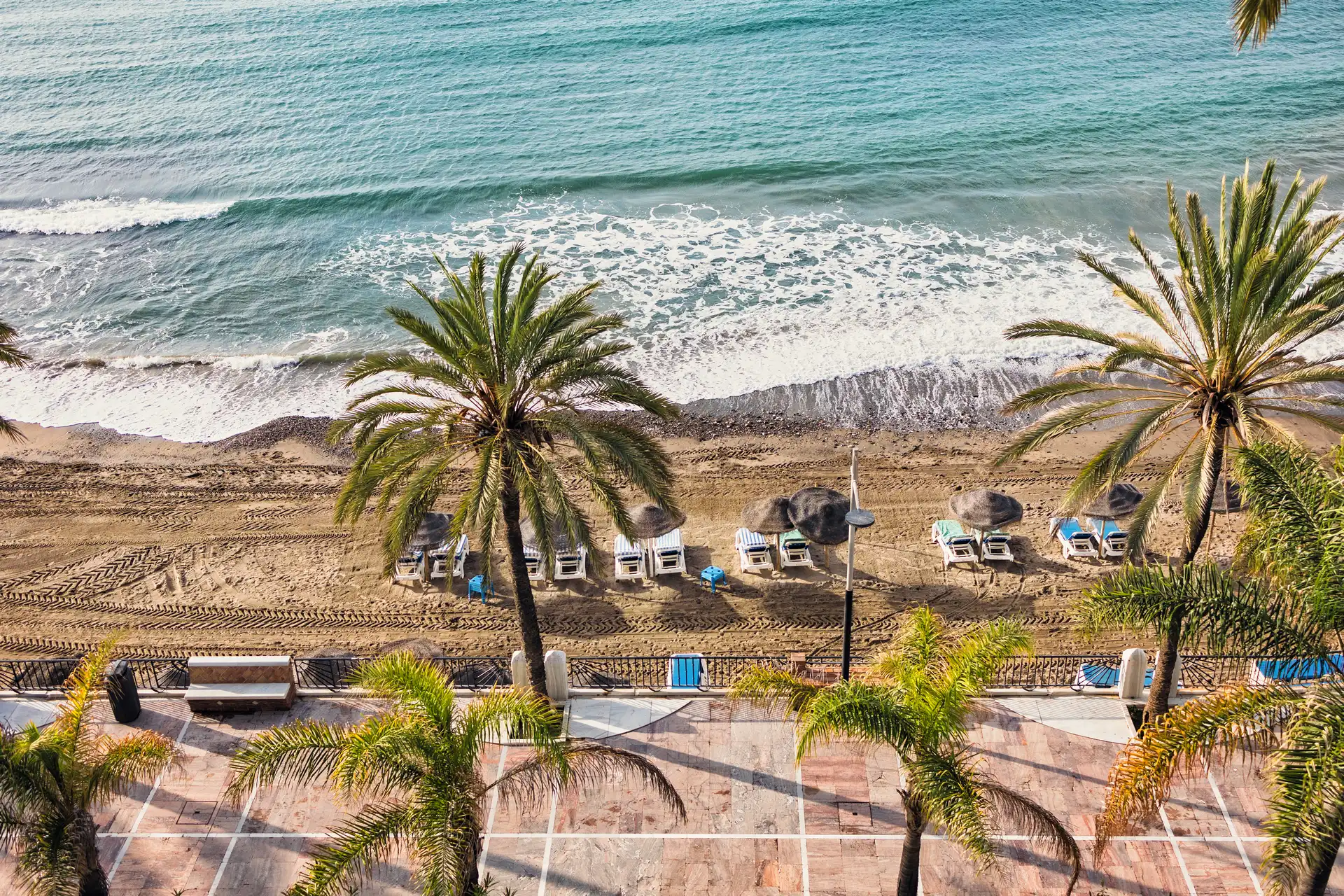
So, you’re dreaming of the Costa del Sol, but want to see beyond the usual postcard pictures and crowded beaches? Good news, there’s a whole lot more to this vibrant region than meets the eye. Forget the generic travel agent brochures; we’re diving into the hidden gems and local favorites that will transform your trip from ordinary to unforgettable. It’s about experiencing the real Costa del Sol, with its rich history, stunning natural beauty, and authentic culture, all while avoiding the biggest tourist traps.
Beyond the Beach: Unearthing Authentic Delights
While the beaches are undeniably a draw, reducing the Costa del Sol to just sand and sea is like judging a book by its cover. The region boasts a rich tapestry of history, culture, and gastronomy that truly comes alive when you venture off the beaten path. Think ancient Moorish towns, quiet mountain villages, and culinary experiences that go far beyond paella and sangria (though we love those too!).
Charming Inland Pueblos
Get ready to swap your swimwear for walking shoes. Just a short drive from the coast, you’ll discover a world of whitewashed villages clinging to hillsides, each with its own unique character. These “pueblos blancos” offer a refreshing contrast to the bustling coastal resorts.
Frigiliana: A Moorish Masterpiece
Often hailed as one of Spain’s most beautiful villages, Frigiliana is a maze of narrow, cobbled streets, adorned with colorful flower pots and boasting breathtaking views of the Mediterranean. Stroll through the old quarter, explore the shops selling local crafts and ceramics, and stop for a refreshing drink at a traditional tapas bar. The quiet alleys and the scent of jasmine make it feel like stepping back in time.
Mijas Pueblo: A Donkey’s Tale
While Mijas Pueblo can get busy, if you know when to go (early morning or late afternoon), its charm shines through. Famous for its donkey taxis (an experience if you’re so inclined, though walking is just as rewarding), this village offers panoramic views, a charming bullring carved into the rock, and the fascinating Carromato de Mijas, a miniature museum showcasing tiny art. Don’t miss a visit to the Ermita de la Virgen de la Peña, a small chapel carved into the rock.
Casares: Eagle’s Nest Views
Perched dramatically on a craggy peak, Casares offers some of the most spectacular views in the region. Its castle ruins watch over the village, and wandering through its steep, winding streets feels like an adventure. It’s less polished than Frigiliana, but that’s part of its allure, it feels more authentically lived-in. Grab a coffee in the plaza and watch daily life unfold.
Culinary Adventures: Eating Like a Local
Forget the tourist menus with five languages and photos of every dish. The true taste of the Costa del Sol lies in its unpretentious chiringuitos, bustling market halls, and family-run restaurants tucked away on side streets. This is where you’ll find authentic flavors and genuinely warm hospitality.
Seafood Straight from the Sea
The Costa del Sol means seafood, and not just calamari rings. Head to traditional chiringuitos (beachfront restaurants) that specialize in espetos de sardinas, sardines grilled on skewers over an open fire. It’s a simple dish, but when done right, it’s pure perfection.
El Palo & Pedregalejo (Málaga): Chiringuito Heaven
For an authentic chiringuito experience, stray from the main tourist beaches and head east of Málaga city to the old fishing villages of El Palo and Pedregalejo. Here, you’ll find rows of casual beach bars, their grills smoking on the sand, serving up the freshest fish. Order a variety of plates, share them, and soak in the laid-back atmosphere. It’s unpretentious and utterly delicious.
Tapas Culture: More Than Just Small Plates
Tapas in Spain is a way of life, not just an appetizer. It’s about socializing, trying many different things, and hopping from one bar to another. In many places, especially outside the main tourist hubs, you’ll still receive a free tapa with your drink.
Centro Histórico (Málaga): Tapas Trail
Málaga city, especially its historic center, is a tapas paradise. Skip the main thoroughfares and duck into dimly lit, traditional bars where locals congregate. Try Ajoblanco (cold almond and garlic soup), Boquerones al Vinagre (marinated anchovies), and Gambas Pil Pil (sizzling garlic prawns). Don’t be afraid to point at what looks good or ask the bartender for their recommendations.
Mercado de Atarazanas (Málaga): A Feast for the Senses
This bustling market in Málaga city is a must-visit for any food lover. Beyond the fresh produce, fish, and meat, you’ll find numerous stalls offering prepared tapas, fresh seafood, and local delicacies. Grab a plate of fried pescaíto frito (mixed fried fish) and a cold beer for an authentic market lunch experience.
Offbeat Delicacies
Venture beyond the well-known staples and discover some unique local specialties.
Ajoblanco: Málaga’s White Gazpacho
This refreshing cold soup made from almonds, garlic, bread, olive oil, and vinegar, often garnished with grapes or melon, is a local specialty, particularly in the Axarquía region. It’s a delightful alternative to gazpacho and perfect for hot days.
Moscatel Wine: Sweet Sips of the Sun
The region is famous for its sweet Moscatel wine, particularly from the Axarquía area. Visit a local bodega (winery) for a tasting and learn about the traditional winemaking processes. It’s a delightful way to spend an afternoon and sample a different side of Spanish agriculture.
Embracing Nature: Beyond the Coastline
The Costa del Sol might conjure images of sandy beaches, but inland lies a dramatic landscape of mountains, rivers, and natural parks just waiting to be explored. Lace up your hiking boots or pack your swimming gear, there’s plenty of outdoor adventure to be had.
Hidden Hiking Trails
Escape the crowds and discover the natural beauty of the region on foot. From coastal paths to challenging mountain routes, there’s a trail for every fitness level.
El Torcal de Antequera: An Alien Landscape
This surreal natural park near Antequera is unlike anywhere else. Millions of years of erosion have sculpted the limestone into an incredible landscape of bizarre rock formations. There are well-marked hiking routes ranging from easy strolls to more challenging treks. Keep an eye out for ibex! It’s a fantastic day trip for nature lovers and photographers.
Río Chillar (Nerja): The Water Walk
For something truly unique, head to the Río Chillar near Nerja. This “river walk” involves wading, splashing, and even swimming through a gorge, often in refreshing knee-deep water. It’s an exhilarating experience, especially on a hot summer day, culminating in stunning waterfalls. Wear appropriate footwear that can get wet!
La Concha (Marbella/Ojén): Peak Views
For serious hikers, scaling La Concha mountain, the iconic shell-shaped peak behind Marbella, offers unparalleled panoramic views of the entire coastline, Gibraltar, and even across to Africa on a clear day. The hike is challenging but incredibly rewarding.
Secret Wild Swimming Spots
When the summer heat kicks in, knowing where the locals go to cool off is a game-changer. These spots are often less crowded and offer a more natural swimming experience.
Charco del Cura (Coín): Riverside Bliss
Nestled amidst lush greenery near Coín, Charco del Cura is a series of natural pools and small waterfalls, a real hidden gem for a refreshing dip in fresh water. It’s popular with local families but generally much quieter than the beaches. Pack a picnic and enjoy the tranquil surroundings.
Las Angosturas (Archidona): A Canyoning Adventure
For the more adventurous, the Las Angosturas gorge near Archidona offers opportunities for wild swimming and even canyoning. The river carves through dramatic rock formations, creating natural pools and exciting passages. It’s often best explored with a local guide due to some challenging sections.
Unearthing History: More Than Just Sun & Sand
The Costa del Sol has a history spanning millennia, from Phoenician and Roman settlements to a significant Moorish past and the subsequent Christian Reconquista. Dig a little deeper, and you’ll find fascinating stories around every corner.
Roman Ruins & Moorish Legacy
Before the beach resorts, empires left their marks, shaping the culture and landscape of the region.
Baelo Claudia (Tarifa, near Costa del Sol): A Roman Gem
While technically just outside the immediate Costa del Sol, a visit to Baelo Claudia is well worth the drive if you’re interested in Roman history. This remarkably preserved Roman city directly on the beach near Tarifa offers an incredible insight into daily life almost 2,000 years ago. The theatre, basilica, and fish-salting factories are particularly impressive, with the Atlantic Ocean as a stunning backdrop.
Alcazaba of Antequera: A Moorish Stronghold
Often overshadowed by Málaga’s Alcazaba, the Alcazaba of Antequera is equally impressive and usually far less crowded. This Moorish fortress, perched high above the town, offers fantastic views and a chance to explore a significant piece of Andalusian history without the throngs of tourists. Combine it with a visit to El Torcal for a fantastic day trip.
Ronda: A Town Divided by a Gorge
While popular, Ronda’s dramatic setting and Puente Nuevo bridge are not to be missed. Go beyond the bridge views and explore the old town’s quieter corners, including the ancient Arab baths and the Palacio de Mondragón. The bullring, one of the oldest in Spain, also has a fascinating history. Visiting early or late in the day can help avoid peak crowds.
Echoes of the Past in Urban Centers
Even in bustling cities, history quietly awaits discovery if you know where to look.
Málaga’s Roman Theatre and Alcazaba: Layered History
Right in the heart of Málaga, you’ll find the striking Roman Theatre at the foot of the magnificent Alcazaba, a Moorish palatial fortress. These two sites stand as a testament to the city’s layered past. Explore the Alcazaba’s peaceful courtyards and intricate architecture, then imagine the Roman performances below. It’s an easily accessible dose of history in the city center.
Castillo Sohail (Fuengirola): Coastal Fortress Views
Perched on a hill overlooking the Mediterranean, Castillo Sohail offers not just history but also spectacular coastal views. While its origins are Roman, it was significantly reinforced by the Moors. Today, it hosts concerts and events, but it’s also a great spot for a historical stroll, especially at sunset.
Unique Experiences: Beyond the Typical Tourist Trail
Ready to try something truly different? The Costa del Sol offers a range of activities that will give you a deeper, more personal connection to the region.
Stargazing in Sierra Nevada
Escape light pollution and witness a breathtaking display of stars. While technically not on the Costa del Sol, the Sierra Nevada mountains are an easily accessible day or overnight trip that offers some of the best stargazing opportunities in Europe.
Observatorio de Sierra Nevada: Guided Celestial Tours
Consider joining a guided tour at an observatory to learn about constellations and planets from experts. The clear mountain air and altitude create ideal conditions for viewing the night sky. It’s an unforgettable experience, especially if you have an interest in astronomy.
Horse Riding in the Countryside
Discover the scenic inland landscapes from a different perspective. Several stables offer horse riding experiences suitable for all levels, from beginners to experienced riders.
Rancho La Paz (Near Estepona): Coastal and Countryside Trails
This family-run ranch offers rides through the beautiful natural parks and along quieter coastal trails. It’s a wonderful way to connect with nature and see parts of the region you wouldn’t otherwise. They often have routes that include stunning viewpoints.
Centro Hipico El Anímar (Near Antequera): Mountain Majesty
If you prefer mountain scenery, this center near Antequera offers rides through olive groves and up into the foothills, providing a different backdrop and terrain. It’s a peaceful way to immerse yourself in the Andalusian countryside.
Flamenco Beyond the Tabloas
While touristy flamenco shows exist, seeking out more authentic, local experiences can be incredibly rewarding.
Peña Flamenca (Various locations): Local Passion
Look for a “Peña Flamenca”: a local club dedicated to preserving and promoting flamenco. These are often intimate affairs, less polished than a commercial show, but brimming with raw passion and genuine artistry. Málaga city has several, and smaller towns may have them too. Ask a local where to find one.
Sacromonte (Granada, easily accessible from Costa del Sol): Cave Flamenco
Another slightly further but unforgettable experience is to witness flamenco in the cave dwellings of Sacromonte in Granada. The acoustics are incredible, and the atmosphere is intensely personal. It’s a profoundly moving experience unique to this part of Andalusia.
By looking past the obvious, exploring the less-trodden paths, and engaging with the local culture, you’ll uncover a Costa del Sol that’s far richer and more rewarding than you ever imagined. Enjoy your adventure!
FAQs
What is the Costa del Sol known for?
The Costa del Sol, located in the southern region of Spain, is known for its beautiful Mediterranean coastline, stunning beaches, vibrant nightlife, and rich cultural heritage.What are some popular activities to do in Costa del Sol?
Some popular activities in Costa del Sol include sunbathing on the beaches, exploring charming coastal towns like Marbella and Nerja, visiting historical sites such as the Alcazaba fortress in Malaga, and enjoying water sports like sailing and snorkeling.What is the best time to visit Costa del Sol?
The best time to visit Costa del Sol is during the spring (April to June) and fall (September to October) when the weather is pleasant, and the tourist crowds are smaller. However, the region enjoys a mild climate year-round, making it a popular destination for winter sun seekers as well.What are some hidden gems or off-the-beaten-path attractions in Costa del Sol?
Some hidden gems in Costa del Sol include the picturesque village of Frigiliana, the stunning El Torcal Natural Park with its unique limestone formations, and the charming mountain town of Mijas Pueblo.What are some local delicacies to try in Costa del Sol?
Some local delicacies to try in Costa del Sol include fresh seafood dishes like espetos (grilled sardines), traditional Andalusian gazpacho, and sweet treats like churros and chocolate. Additionally, the region is known for its delicious wines and olive oils.More from Hidden Gems
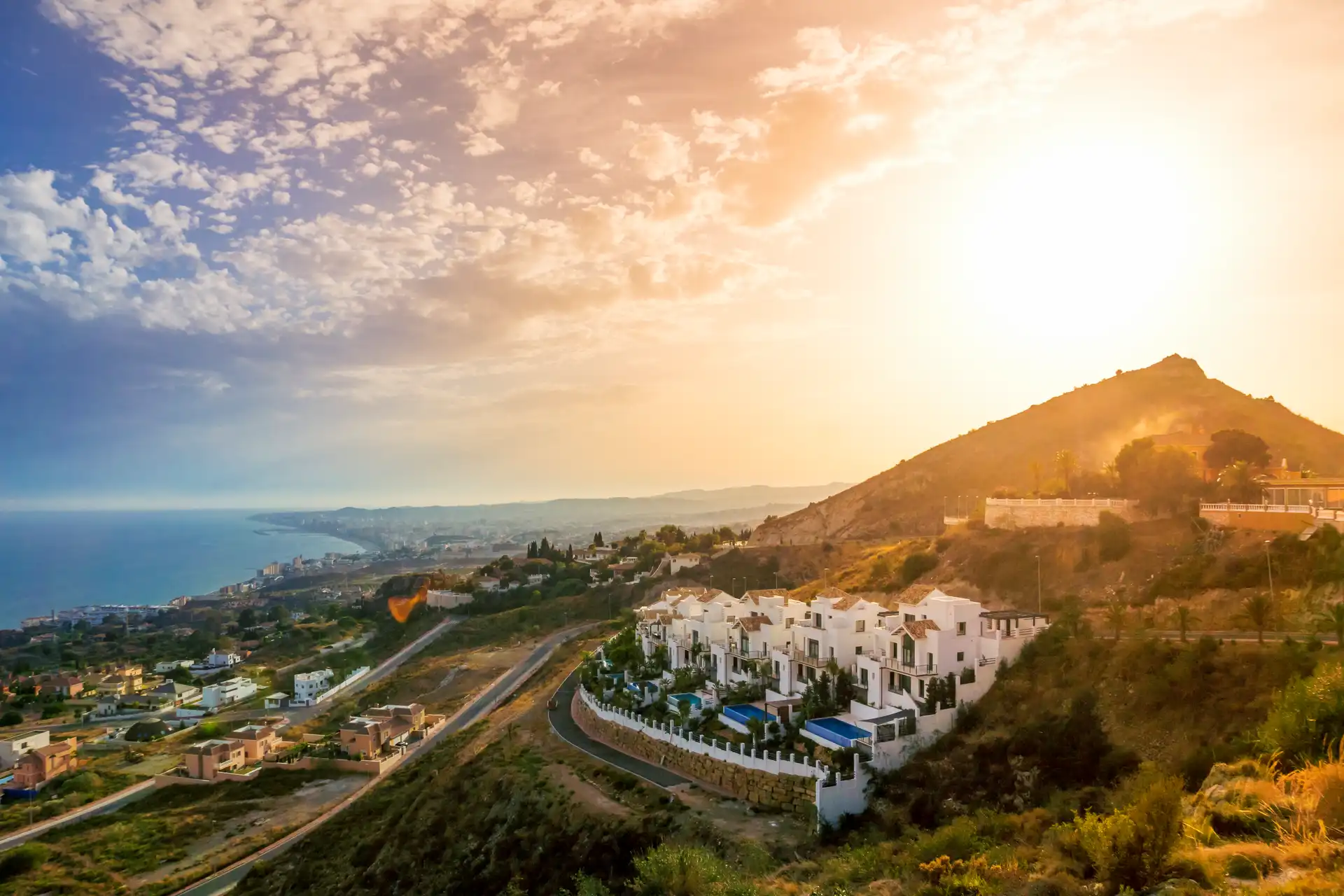
Chic Costa del Sol: Boutique Bliss
So, you’re thinking about a trip to the Costa del Sol but want to skip the mega-resorts and find something a little more… special? You’re …
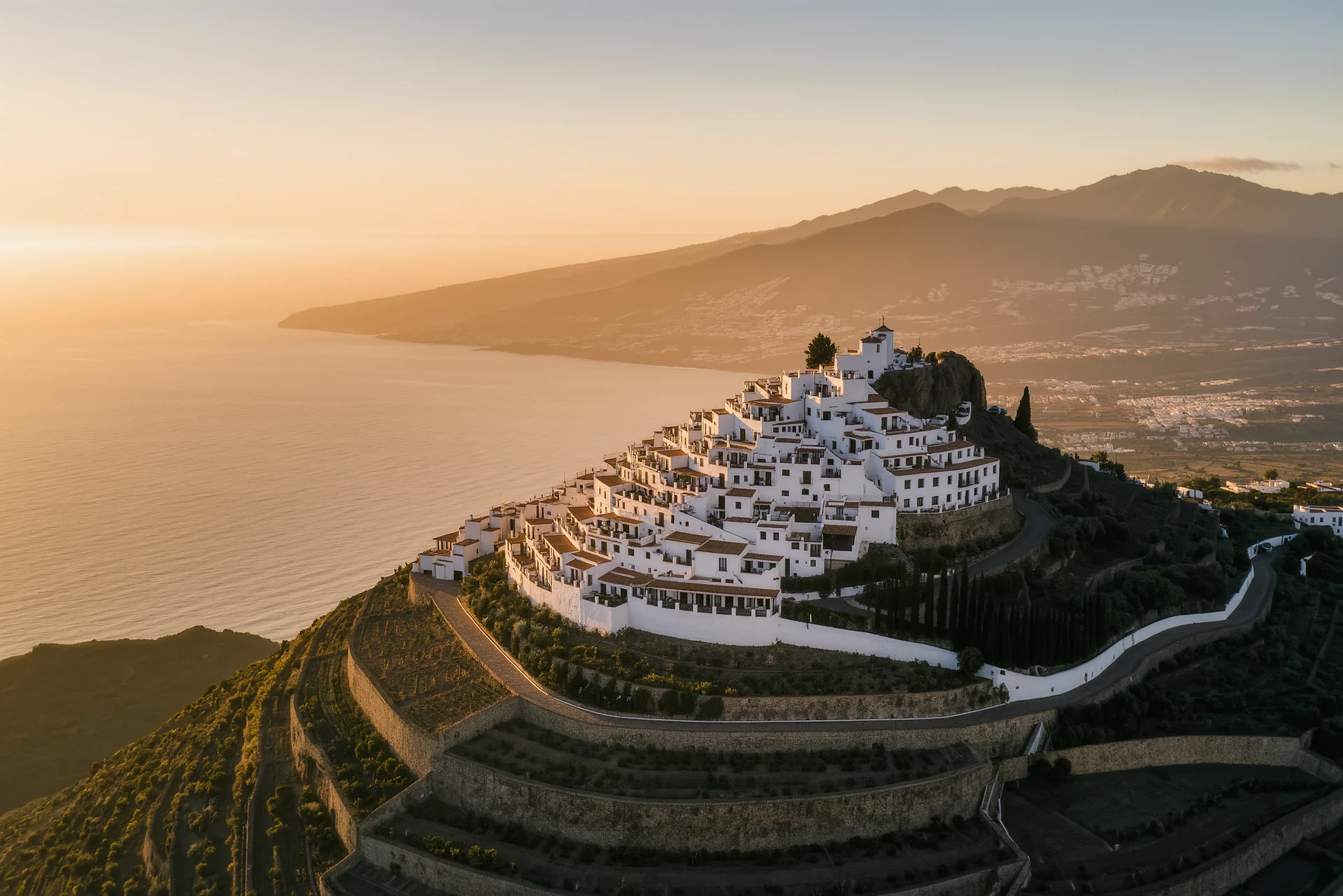
Charming Towns Near Marbella: Exploring the Costa del Sol
Looking for that quintessential Spanish charm beyond the glitz of Marbella? You’re in luck! The Costa del Sol is dotted with genuinely lovely to…
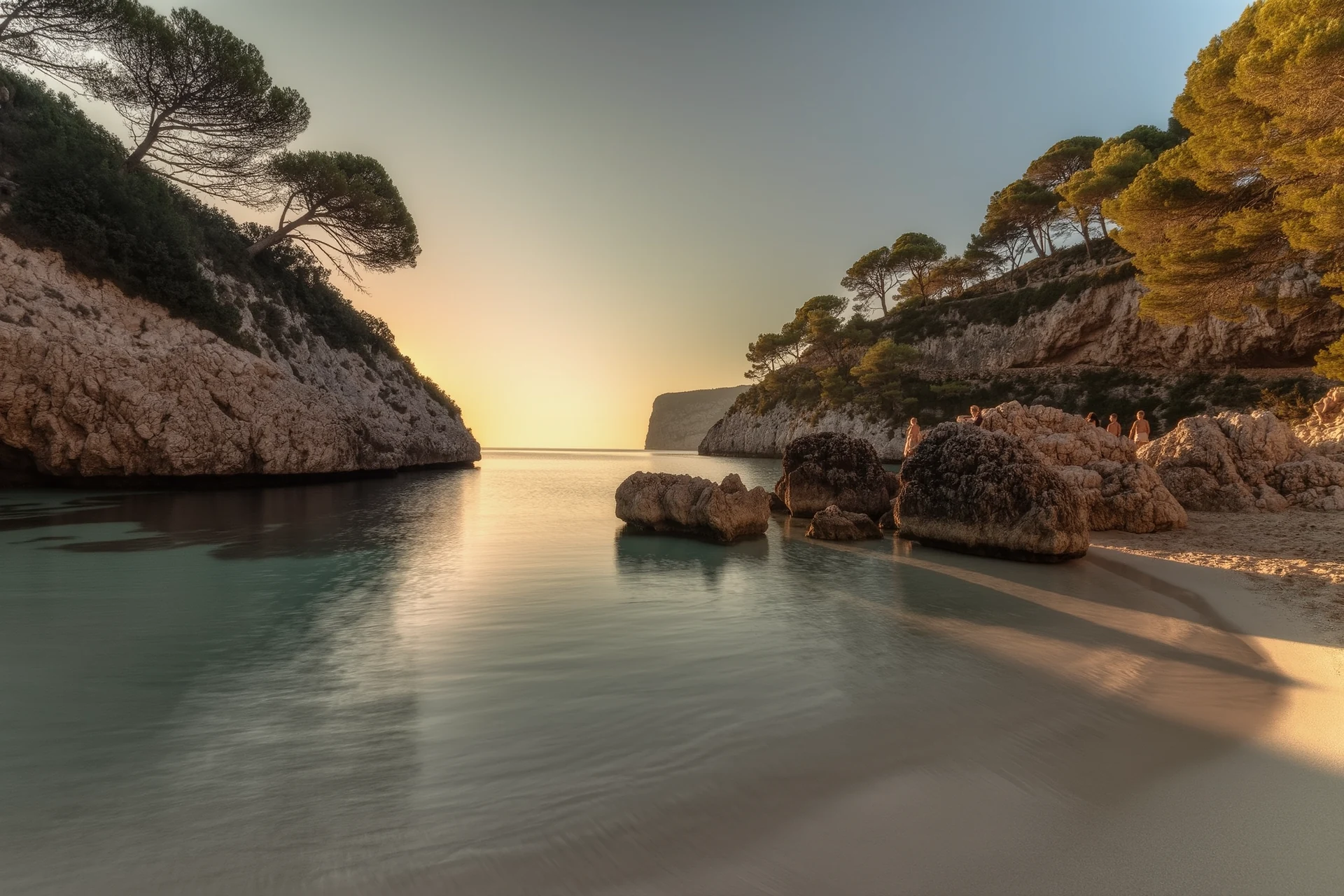
Secret Coves: Costa del Sol’s Hidden Gems
Looking for those tucked-away beaches on the Costa del Sol? While the main playas are great for families and facilities, sometimes you just want a bit…