Secret Coves: Costa del Sol’s Hidden Gems
Looking for those tucked-away beaches on the Costa del Sol? While the main playas are great for families and facilities, sometimes you just want a bit more peace, a quieter swim, o…
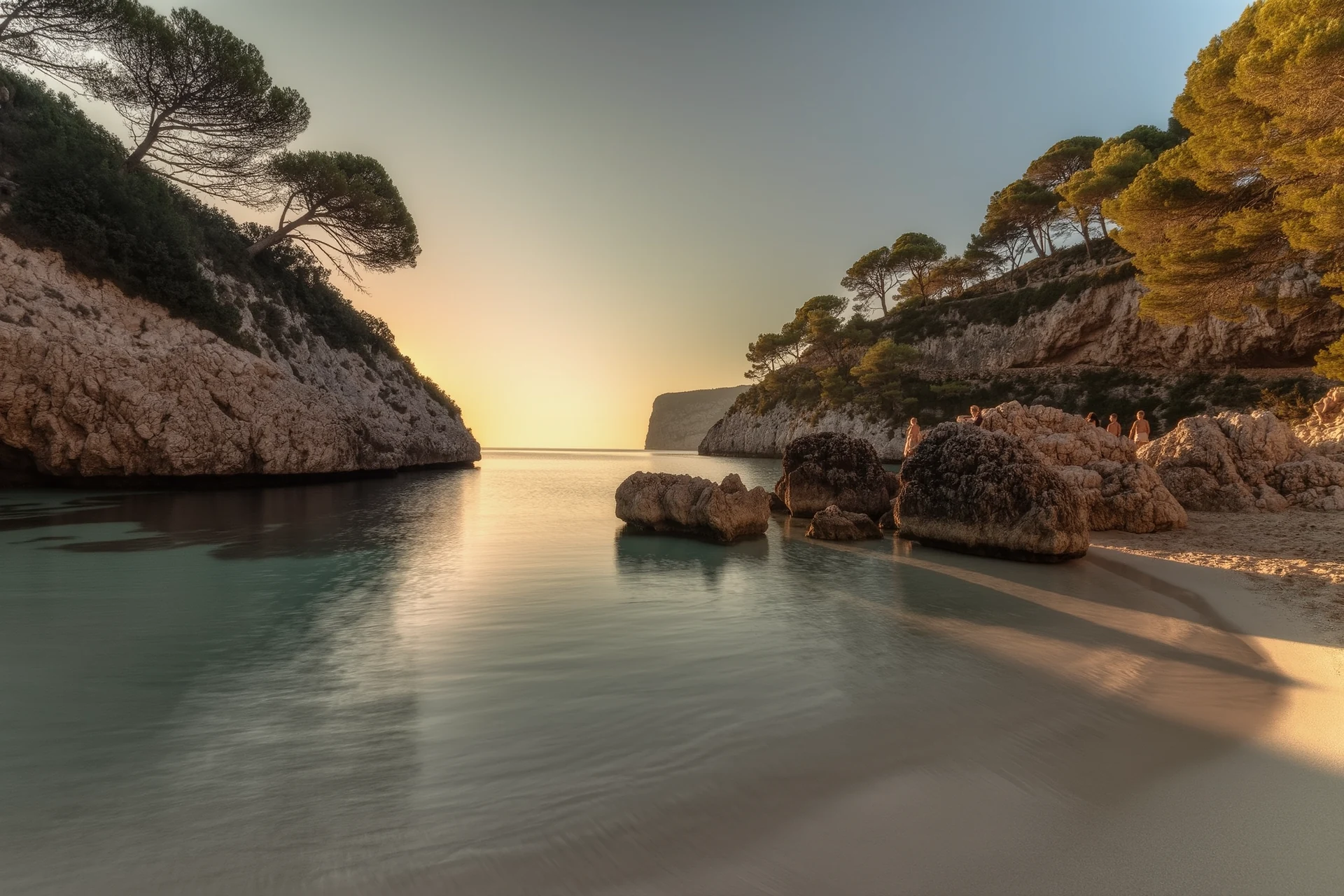
Looking for those tucked-away beaches on the Costa del Sol? While the main playas are great for families and facilities, sometimes you just want a bit more peace, a quieter swim, or a feeling of discovery. The trick is knowing where to look beyond the obvious. Luckily, the Costa del Sol, especially as you head further east or west from the major towns, still holds plenty of enchanting coves and smaller beaches that feel a world away from the bustling resorts. These “secret coves” offer a different kind of Mediterranean charm, think rugged cliffs, clear waters, and often, an adventure to get there.
As you drive east from Málaga city, the coastline starts to shift, becoming a little wilder, a bit more authentic. This stretch, particularly around Torre del Mar, Nerja, and Maro, is a treasure trove of smaller, more intimate beaches.
Maro-Cerro Gordo Natural Park
This protected area is undoubtedly the champion when it comes to hidden coves on the eastern Costa del Sol. It’s part of a beautiful natural park, meaning development is restricted, preserving its raw beauty. Expect impressive cliffs, lush vegetation, and often, incredibly clear waters, perfect for snorkelling.
Cala del Cañuelo
Often considered one of the most beautiful beaches in the region, Cala del Cañuelo is a pristine pebbly cove. It’s not the easiest to access, which keeps the crowds down. You’ll typically park at the top and take a shuttle bus down (in summer) or walk a steep path. The reward is turquoise water, excellent visibility for snorkelling, and a couple of informal chiringuitos (beach bars) that blend into the surroundings. It’s a fantastic spot for a quiet day.
Playa de Cantarriján
Just a stone’s throw from Cañuelo, Cantarriján has gained a reputation as a naturist-friendly beach, though it’s mixed in parts. Like Cañuelo, access involves a shuttle or a walk. It’s bigger than Cañuelo, with a wonderfully relaxed vibe. The water here is equally clear, and the views of the cliffs framing the beach are stunning. There are a couple of popular chiringuitos here too, known for fresh fish and a bohemian atmosphere.
Other Coves Around Maro
The entire stretch around Maro village is dotted with smaller, less-known coves accessible via steep, sometimes unmarked paths. Look out for signs (or lack thereof!) for places like Playa de la Caleta de Maro or Playa del Molino de Maro. These are often tiny, picturesque, and might involve a bit of scrambling. They are definitely for those seeking true solitude and are worth the effort for the intrepid explorer. Be mindful of tides and wear appropriate footwear.
Westward Wanderings: Marbella’s Quieter Neighbours
Heading west from Málaga, past the glitz of Marbella and Puerto Banús, the coastline again begins to reveal its wilder side, particularly leading up to Estepona and beyond. While Marbella itself is known for its wide sandy beaches, its fringes and the areas further west offer more secluded options.
Around Cabopino
Cabopino is one of those places that feels a bit like a secret, despite being relatively easy to reach. It’s nestled between Marbella and Fuengirola, but its natural dunes and pine forests give it a more rustic feel.
Playa de Cabopino (Dunas de Artola)
This isn’t one single small cove, but rather a long stretch of protected dunes that offer a very different beach experience. Behind the picturesque marina, the beach itself is wide and backed by significant sand dunes (the Dunas de Artola), which are a natural monument. This area allows for more privacy, often leading to designated nudist sections. The water is generally shallow, and the overall atmosphere is much more laid-back than the main Marbella beaches. You can rent kayaks or paddleboards from the marina.
Cala de Mijas Coves
While Cala de Mijas itself is a developed town, the coastline stretching east and west from its main beach offers several smaller, more secluded spots. Many of these are accessible via the Senda Litoral, a coastal boardwalk.
Playa El Chaparral
Just west of La Cala de Mijas, Playa El Chaparral is a mixture of sand and shingle, often less crowded than the main urban beaches. It benefits from a backdrop of pine trees and has a more natural feel. It’s not a true “cove” but offers a sense of space and tranquility that’s harder to find in the bustling centres. It’s often popular with divers due to interesting underwater formations a little further out.
Estepona’s Untamed Edges
Estepona itself boasts beautiful urban beaches, but its charm often lies in the areas just outside the town, particularly heading towards Manilva and Gibraltar.
Around Punta Chullera
This area, located between Estepona and Sotogrande, is where the Costa del Sol genuinely starts to feel wilder and less developed. The landscape becomes more rugged, and the beaches are often narrower, rockier, and more authentic.
Playa de la Duquesa (Castillo Beach)
Okay, this one isn’t exactly “secret,” but the stretch around the small yacht marina and Castillo de la Duquesa offers a more charming, less commercialised feel than many other places. Head beyond the main beach of Duquesa, and you’ll find smaller stretches, sometimes rocky, that are perfect for a quiet dip and beachcombing. The old castle provides a historical backdrop.
Cala de la Sardina
This small, sheltered cove is located near the eastern edge of Estepona, just before you hit San Pedro de Alcántara. It’s a mix of dark sand and pebbles, often very calm and clear. It’s popular with locals and often has a simple chiringuito, but it maintains a low-key, family-friendly atmosphere without the masses. Parking can be a bit tricky, but it’s usually worth the effort for the sense of quiet discovery.
Calas de Punta Chullera
This is where the true adventure begins in the far west. The Punta Chullera area is characterized by a series of small, rocky coves separated by low cliffs. Each one is a little different, some sandy, some pebbly, but all share a sense of being untamed and natural. You’ll often find these completely empty, especially outside of peak season. Access can involve walking along the coastline or finding discreet paths from the road. These are definite gems for those who love snorkelling and exploring rock pools. There are very few (if any) facilities, so come prepared with your own water and snacks.
Practical Pointers for Cove Hopping
Finding these hidden gems often requires a bit more effort than just stumbling out of your hotel onto the main beach. But that’s part of the fun!
Getting There
Don’t expect easy parking. For many of these coves, particularly in the Maro area, parking is limited, and you might need to use a shuttle bus (seasonal) or walk a fair distance down steep tracks. Google Maps is your friend for general directions, but be prepared for the last leg to be a bit more adventurous. Consider renting a smaller car for easier navigation on narrow roads.
What to Bring
Since many of these coves are undeveloped, you won’t find shops or facilities. Pack your own water, snacks, sunscreen, and a hat. Good walking shoes are a must for approach paths. If you plan to snorkel, bring your gear, the clear waters in these coves are perfect for it. A beach mat or small chair for comfort on pebbles can also be a good idea.
Respecting the Environment
These are often natural, protected areas. Take all your rubbish with you, even if you don’t see bins. Avoid disturbing local wildlife or plants. Leave nothing but footprints.
When to Go
Outside of July and August is generally your best bet for true solitude. Even in peak season, early mornings or late afternoons can be significantly quieter. The water might be a little cooler in spring or autumn, but the peace and quiet more than make up for it.
Safety First
Some of these coves are very secluded. Make sure someone knows where you are going, especially if you plan to explore alone. Be mindful of tides and current, particularly in rocky areas. Mobile phone signal can be patchy in some remote locations.
Finding these secret coves on the Costa del Sol is a rewarding experience. It means stepping a little off the well-trodden path, but what you gain is a sense of discovery, a closer connection to nature, and the chance to enjoy the Mediterranean in a way that feels truly personal and unforgettable. So pack your small bag, lace up your comfortable shoes, and go explore, there’s a quiet piece of paradise waiting for you.
FAQs
1. What are hidden coves in Costa del Sol?
Hidden coves in Costa del Sol are small, secluded beaches that are often tucked away from the main tourist areas. They are known for their pristine beauty and tranquil atmosphere.2. Where can I find hidden coves in Costa del Sol?
Hidden coves can be found along the coastline of Costa del Sol, particularly in areas such as Nerja, Maro, and Cabopino. These coves are often accessible by foot or boat and offer a peaceful escape from the bustling tourist beaches.3. What activities can I do in hidden coves in Costa del Sol?
Visitors to hidden coves in Costa del Sol can enjoy activities such as swimming, snorkeling, and sunbathing. The calm waters and natural surroundings make these coves perfect for relaxation and exploration.4. Are hidden coves in Costa del Sol suitable for families?
While some hidden coves may be more secluded and less accessible, there are also family-friendly coves with gentle waters and sandy shores. Families can enjoy a day of beach activities and picnics in these hidden gems.5. What should I bring when visiting hidden coves in Costa del Sol?
Visitors to hidden coves in Costa del Sol should bring essentials such as sunscreen, water, snacks, and beach towels. It’s also a good idea to wear sturdy footwear if accessing the coves by foot, and to be mindful of the natural environment by taking any trash with you when you leave.More from Hidden Gems
Chic Costa del Sol: Boutique Bliss
So, you’re thinking about a trip to the Costa del Sol but want to skip the mega-resorts and find something a little more… special? You’re …
Charming Towns Near Marbella: Exploring the Costa del Sol
Looking for that quintessential Spanish charm beyond the glitz of Marbella? You’re in luck! The Costa del Sol is dotted with genuinely lovely to…
Uncover Costa del Sol’s Best-Kept Travel Secrets
So, you’re dreaming of the Costa del Sol, but want to see beyond the usual postcard pictures and crowded beaches? Good news, there’s a whole lo…