Beachside Living in Spain: The Ultimate Coastal Lifestyle
So, you’re dreaming of a life where the salty air is your constant companion and the sound of waves is your soundtrack? Great choice! Living by the beach in Spain offers a tr…
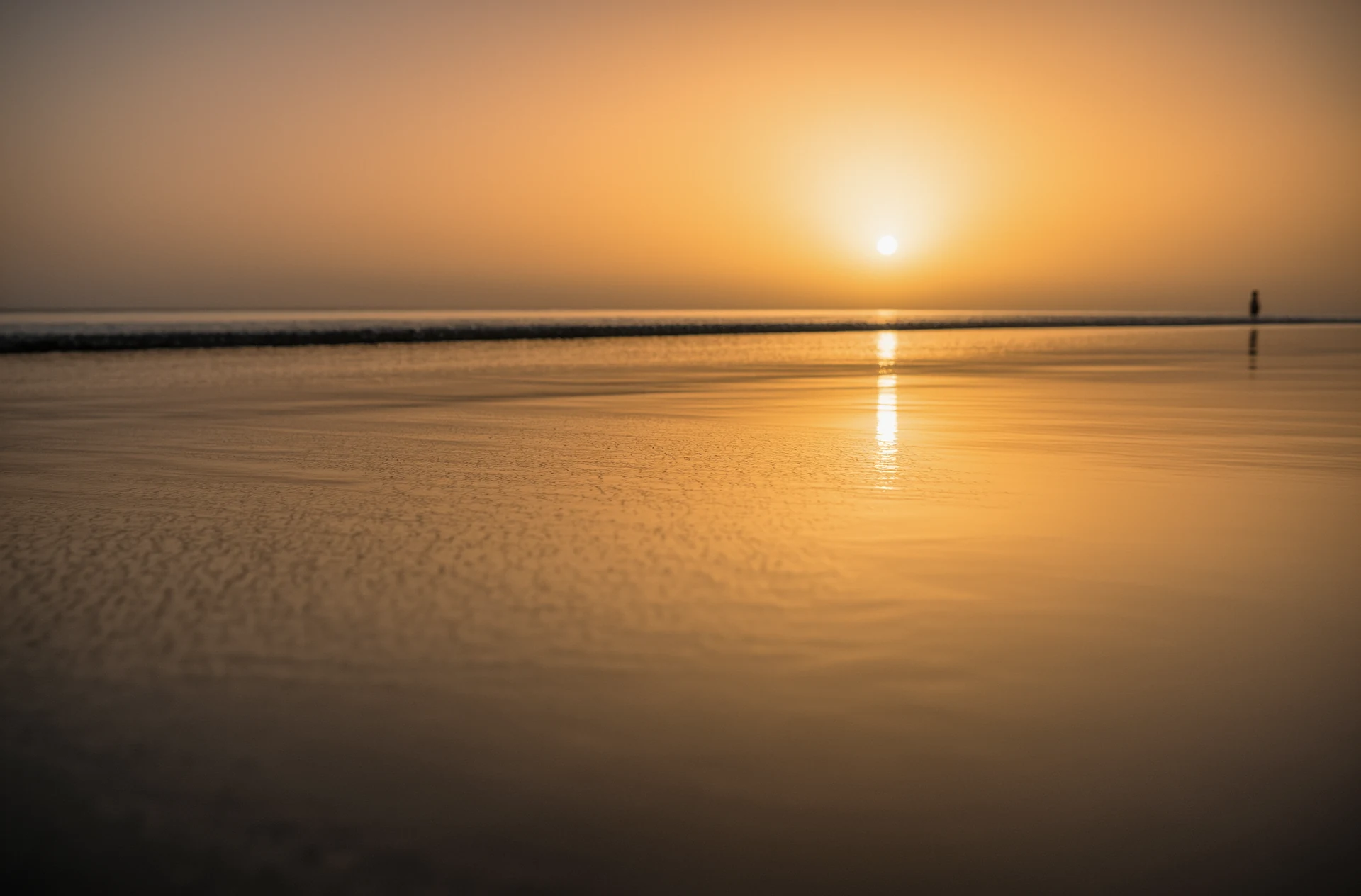
So, you’re dreaming of a life where the salty air is your constant companion and the sound of waves is your soundtrack? Great choice! Living by the beach in Spain offers a truly unique lifestyle, a blend of relaxation, vibrant culture, and gorgeous scenery that’s hard to beat. It’s more than just a holiday home; it’s a complete shift in how you live, breathe, and enjoy each day. The question isn’t really if you should live by the Spanish coast, but more about how to make it your reality and what to expect when you do.
Spain’s coastline is long and varied, meaning there’s a stretch of sand and sea to suit almost everyone. From the bustling Costa del Sol to the wilder Atlantic shores, understanding the different regions is key to finding your perfect spot.
The Mediterranean Marvels: Costa del Sol
The Costa del Sol (Sun Coast) in Andalusia is probably what most people picture when they think of Spanish beach life. It’s known for its sunny disposition, lively atmosphere, and well-developed infrastructure.
Marbella: Glamour and Golden Sands
Marbella is the well-known jewel, offering luxury living, its famous marina Puerto Banús, and beautiful beaches. It attracts a sophisticated crowd and has world-class dining and shopping.
Málaga: Culture Meets Coast
Málaga, the provincial capital, offers a more urban beach experience. You get stunning beaches like La Malagueta alongside a rich cultural scene, with Picasso’s birthplace, museums, and a historic Alcazaba. It’s a good option if you want city amenities with beach access.
Nerja: Caves and Caletas
Further east, Nerja offers a more traditional feel. Famous for its Balcón de Europa (Balcony of Europe) viewpoint and impressive caves, it boasts charming coves (caletas) and a less commercial vibe than some of its neighbours.
The Eastern Exposure: Costa Blanca
Lining the province of Alicante, the Costa Blanca (White Coast) is another popular destination, especially for its mix of sandy beaches and dramatic cliffs.
Benidorm: The Icon of Entertainment
Benidorm is legendary. If you’re looking for non-stop entertainment, lively nightlife, and sprawling sandy beaches like Playa de Levante, Benidorm delivers. It’s a busy hub, offering a lot of activity.
Alicante City: Urban Chic and Sandy Shores
Alicante itself provides a great balance. You have a beautiful city with a marina, historic castle (Santa Bárbara), and excellent transport links, all complemented by city beaches and easy access to the stunning beaches further south and north.
Jávea/Xàbia: Bays and Beaches
Jávea, or Xàbia in Valencian, is known for its picturesque coves, crystal-clear waters, and a beautiful old town. It’s a bit more upscale and offers a more tranquil experience than some of the larger resorts while still having plenty of amenities.
The Atlantic Allure: Green Spain
Moving up the coast, towards the north of Spain, you’ll find a different kind of beach life. This is “Green Spain,” an area known for its lush landscapes and wilder, more dramatic coastline.
San Sebastián: Elegance and Gastronomy
San Sebastián in the Basque Country is famed for its stunning shell-shaped bay, La Concha beach, and its incredible culinary scene. It’s sophisticated and offers a blend of urban buzz and natural beauty.
Asturias: Rugged Beauty and Wild Beaches
The Costa Verde in Asturias offers a stark contrast to the Mediterranean. Think dramatic cliffs, powerful waves ideal for surfing, and hidden, pristine beaches. It’s for those who appreciate raw, natural beauty and a more adventurous spirit.
The Southern Charm: Costa de la Luz
Facing the Atlantic in Andalusia, the Costa de la Luz (Coast of Light) is known for its wide, sandy beaches, strong winds (making it a wind and kite-surfing paradise), and a more laid-back, authentic Andalusian feel.
Cádiz: History and Sand
Cádiz, one of Europe’s oldest continuously inhabited cities, offers a unique historical backdrop to its glorious beaches. It has a distinct island feel, with a vibrant old town and wide open beaches.
Tarifa: The Windy Gateway
Tarifa is the windsurfing and kitesurfing capital of Europe. It’s a young, energetic town with a Bohemian flair and breathtaking views of Africa across the Strait of Gibraltar. The beaches here are vast and wild.
The Balearic Islands: Island Paradise
While not strictly mainland, the Balearic Islands offer some of the most sought-after beachside living in Spain.
Mallorca: Diverse Shores
Mallorca is a large island with incredibly diverse coastlines. From the busy resorts of Palma and Alcúdia to the secluded coves of the north and west, there’s a beach for every taste.
Ibiza: Beyond the Nightlife
Ibiza is much more than its famous nightlife. It boasts stunning, turquoise waters, beautiful beaches like Cala Comte and Ses Salines, and charming quieter villages.
Menorca: Pristine Coves
Menorca is the most tranquil of the Balearics, known for its undeveloped natural beauty and countless pristine coves (calas) with crystal-clear waters.
The Daily Rhythms of Beachfront Living
Life by the Spanish coast isn’t just about lounging on the sand, though there’s plenty of that. It’s about a lifestyle that naturally integrates the sea into your daily routine.
Morning Rituals by the Sea
Mornings often start with the soft glow of the sun rising over the water. Many people enjoy a quiet walk along the beach as the day begins, the cool sand underfoot and the gentle lapping of waves a perfect way to awaken the senses. Some might even take a refreshing dip before the heat of the day sets in. The air is usually calmest in the morning, making it ideal for any outdoor activities.
Midday Sun and Siesta Culture
As the sun climbs higher, the energy shifts. Many locals embrace the traditional Spanish siesta, a period of rest during the hottest part of the day. This isn’t about laziness; it’s a smart way to conserve energy and adapt to the climate. While shops might close, the beaches are often still a hive of activity or a peaceful escape for a quiet read.
Evening Ambles and Sunset Views
Evenings are magical. As the heat dissipates, the coastline comes alive again. Beach promenades fill with people strolling, families out and about, and friends meeting for a drink. The sunsets over the Mediterranean or Atlantic are spectacular, painting the sky in an array of colours, best enjoyed with a glass of local wine or a refreshing cerveza.
Embracing the Outdoor Lifestyle
The Spanish coast is a playground for anyone who loves being outdoors. The climate is incredibly conducive to an active, outdoor life for much of the year.
Beach Activities for Everyone
The obvious draw is the sea itself. Swimming, sunbathing, and simply relaxing are paramount. But beyond that, there’s a whole world of water sports.
Paddleboarding and Kayaking
These are fantastic ways to explore the coastline at your own pace. The calmer waters of the Mediterranean are perfect for paddleboarding, while the more rugged coastlines might offer exciting kayaking adventures.
Surfing and Wind Sports
For the thrill-seekers, the Atlantic coast, particularly areas like Tarifa and parts of the Basque Country, offer world-class surfing, windsurfing, and kitesurfing conditions thanks to consistent winds and waves.
Sailing and Boat Trips
Many coastal towns have marinas and offer opportunities for sailing, whether you own a boat or fancy chartering one. Day trips to explore nearby coves or enjoy the coast from a different perspective are popular.
Coastal Walks and Hiking Trails
Beyond the beaches themselves, the coastal areas are often crisscrossed with walking and hiking trails. These offer breathtaking views, rugged cliffs, and access to often-secluded coves.
The Camino del Rey (near Málaga)
While inland, this is a spectacular and not-to-be-missed walk with incredible gorge views. However, for true coastal hikes, look for routes like the Senda Litoral on the Costa del Sol or trails in natural parks like Cabo de Gata.
Natural Parks and Protected Areas
Spain has many beautiful natural parks along its coastlines, such as Cabo de Gata-Níjar Natural Park in Almería or the Garraf Natural Park south of Barcelona. These offer well-maintained trails with stunning scenery.
The Practicalities of Spanish Beachside Living
It’s not all sunshine and sangria; there are practical aspects to consider when making the move to a Spanish coastal town.
Property Hunters: What to Know
Finding a property by the sea requires some research. Prices vary significantly depending on the location, proximity to the beach, and the specific region.
Buying vs. Renting
For a long-term stay, buying might seem appealing, but renting can offer flexibility, especially if you’re not yet sure of your long-term commitment to a specific area. Properties can range from apartments with sea views to detached villas nestled near the coast.
Key Considerations
Look for properties with good natural light, especially as the days can be shorter in winter. Consider air conditioning for the warmer months and good insulation for cooler periods. Proximity to amenities like local shops, restaurants, and public transport is also important. Don’t forget to factor in community fees for apartments and urbanisations.
Daily Life and Local Culture
Integrating into the local community is part of the charm of living in Spain. Each coastal town, from large cities to small villages, has its own unique character.
Language and Communication
While many people in tourist areas speak English, learning some basic Spanish is highly recommended and greatly appreciated by locals. ‘Hola,’ ‘Gracias,’ ‘Por favor,’ and ‘Adiós’ go a long way. Functional Spanish will open doors to deeper connections and allow you to navigate daily life much more smoothly.
Navigating Bureaucracy
Setting up utilities, getting a residency permit (if applicable), and understanding local taxes are all part of the process. It’s wise to seek advice from local gestores (administrative agents) or legal professionals who specialise in helping expats.
Healthcare
Spain has an excellent public healthcare system, and if you are a resident, you are entitled to access it. You’ll need to register with the local health centre. For non-residents or those wanting private cover, private health insurance is readily available.
The Economic Landscape: Cost of Living and Opportunities
Living by the Spanish coast can be surprisingly affordable, especially when compared to many other popular European destinations, but this depends heavily on your chosen location.
Affordability Factors
The further you move away from the most sought-after hotspots and major tourist hubs, the more affordable living generally becomes. Regions like the Costa de la Luz or less developed parts of the Costa Blanca can offer excellent value.
Property Prices
As mentioned, prices vary. A modest apartment just a few streets back from the beach in a less-developed area might cost a fraction of a luxury villa with direct sea access in Marbella. Renting is also significantly cheaper in many of these areas.
Daily Expenses
Grocery shopping, eating out, and local transportation are generally more affordable than in many northern European countries. Fresh produce from local markets is inexpensive and delicious. Eating at ‘menu del día’ (set lunch menu) restaurants offers fantastic value.
Employment and Business Opportunities
If you’re looking to work or start a business, the coastal regions offer various avenues, though competition can be high in some sectors.
Tourism and Hospitality
This is the dominant industry along the coasts. Opportunities exist in hotels, restaurants, bars, and tour operations. Seasonal work is plentiful, but year-round employment often requires specific skills or a higher level of Spanish.
Freelancing and Remote Work
With improving internet infrastructure, Spain is increasingly viable for freelancers and remote workers. Many expats find they can earn a living from their home country while enjoying the Spanish lifestyle.
Niche Markets and Entrepreneurship
There are always opportunities for entrepreneurial individuals, particularly for businesses catering to expats or offering unique services that aren’t readily available. Think about specialised crafts, consultancy, or digital services.
Making the Move: What to Expect and How to Settle In
The transition to living by the Spanish coast is an exciting process. While challenges exist, the rewards of this lifestyle are substantial.
Pre-Move Preparations
Thorough research is key. Visit areas you’re interested in during different seasons to get a true feel for the climate and atmosphere. Understand the visa requirements if you’re not from an EU country.
Settling into the Community
Be open and friendly. Embrace the local pace of life. Attend local fiestas and events, this is a fantastic way to meet people and experience the culture firsthand. Don’t be afraid to try new things and step outside your comfort zone.
The Long-Term Vision
Living by the Spanish coast is often a lifestyle choice. It’s about prioritising health, relaxation, and enjoying the simple pleasures. Whether it’s a permanent move or a significant period of time, embracing the Spanish way of life fully will truly unlock the magic of living by the sea. It’s an investment in happiness, well-being, and a unique quality of life that very few places can offer.
Ultimately, beachside living in Spain is about more than just the physical location; it’s about a mindset. It’s about trading the hustle for the tide, the stress for the sunset, and discovering a richer, more relaxed way of being. If that sounds appealing, then the Spanish coast is waiting for you.
FAQs
What are the benefits of beachside living in Spain?
Beachside living in Spain offers a relaxed and laid-back lifestyle, with easy access to beautiful beaches, stunning ocean views, and a variety of water activities. The Mediterranean climate also provides plenty of sunshine and warm temperatures, making it an ideal location for outdoor living.What are some popular areas for beachside living in Spain?
Some popular areas for beachside living in Spain include the Costa del Sol, Costa Blanca, Costa Brava, and the Balearic Islands. These areas offer a mix of vibrant beach towns, charming coastal villages, and luxurious beachfront properties.What amenities and services are available for beachside residents in Spain?
Beachside residents in Spain can enjoy a wide range of amenities and services, including beach clubs, waterfront restaurants, water sports facilities, and beachfront promenades. Many beachside communities also offer access to golf courses, marinas, and shopping centers.What are the potential drawbacks of beachside living in Spain?
Some potential drawbacks of beachside living in Spain may include higher property prices, crowded beaches during peak tourist seasons, and the risk of coastal erosion or flooding in certain areas. Additionally, some beachside communities may experience higher levels of noise and activity during the summer months.What should potential buyers consider before purchasing a beachside property in Spain?
Potential buyers should consider factors such as property location, proximity to amenities, beach access, property maintenance costs, and potential rental income if the property will be used as a vacation rental. It’s also important to research local zoning laws and regulations related to beachfront properties.More from Mediterranean Lifestyle

Costa del Sol Family Guide
Costa del Sol family guide: the best towns, international schools, healthcare, childcare costs, kids’ attractions and rainy-day ideas for famili…
Costa del Sol Living Guide 2026
Costa del Sol Living Guide 2026: zones, cost of living, healthcare, schools, visas and property prices from Marbella to Nerja for your move to souther…

Top 5 Best Places to Live on the Costa del Sol
Thinking about making the move to the Costa del Sol? Smart choice! It’s a fantastic part of Spain with a lot to offer. But with so many beautifu…