Bringing the Mediterranean Vibes Home: Interior Design Inspiration
So, you’re craving that relaxed, sun-drenched feel of the Mediterranean in your own home? It’s definitely achievable! Think warm, inviting spaces that feel both lived-in and …
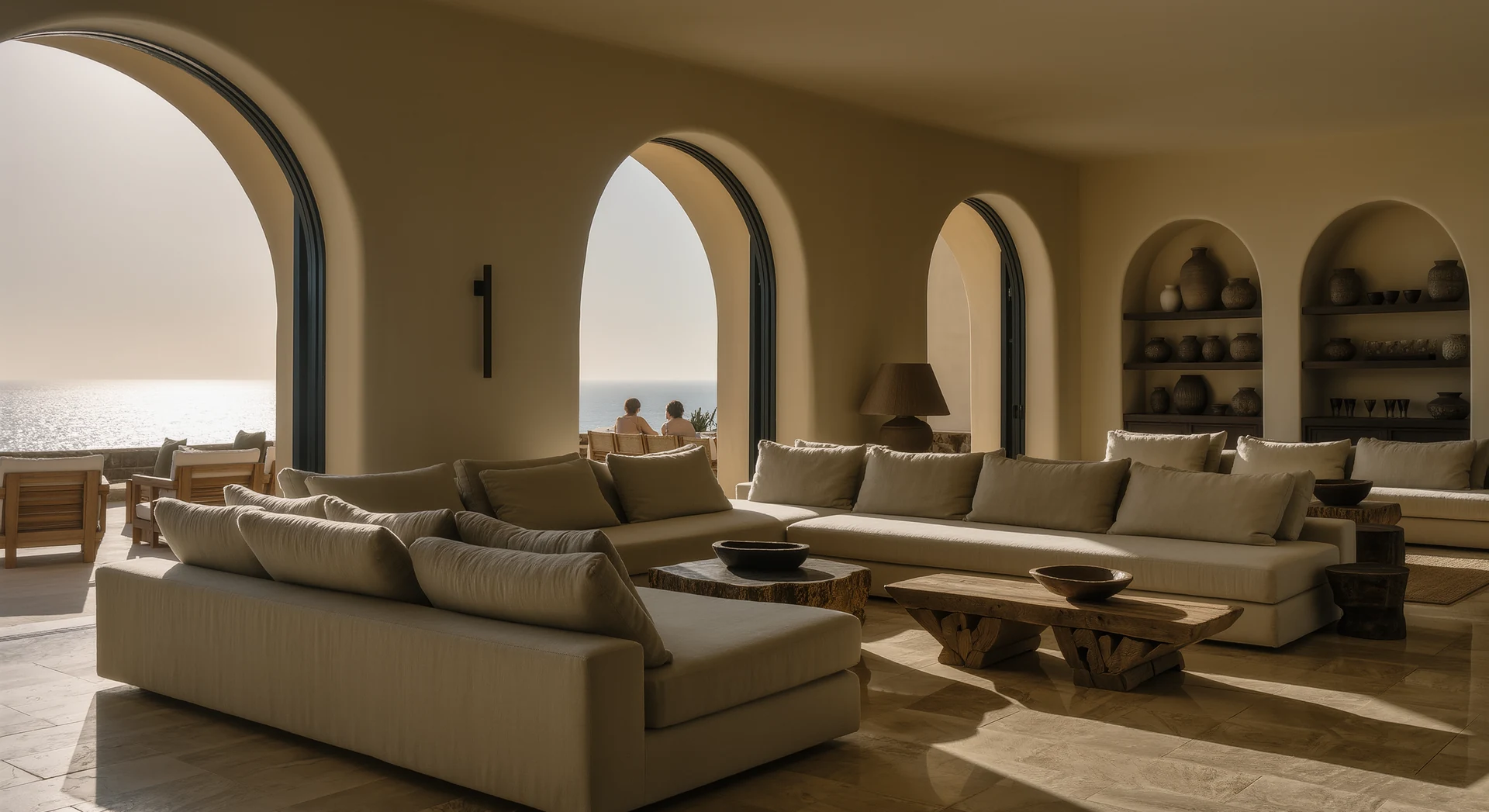
So, you’re craving that relaxed, sun-drenched feel of the Mediterranean in your own home? It’s definitely achievable! Think warm, inviting spaces that feel both lived-in and stylish. It’s less about copying a specific blueprint and more about capturing a feeling: one of comfort, connection to nature, and effortless beauty. Let’s dive into how you can bring those gorgeous Mediterranean vibes home.
The Mediterranean landscape is your best inspiration for color. It’s all about hues that feel natural and calming, reflecting the sea, the soil, and the sun-baked villages.
The Foundation: Whites and Neutrals
- Crisp Whites: A good, warm white is your starting point. Think of whitewashed walls in Greek island villages. It’s not a stark, sterile white, but rather one with a hint of cream or beige. This makes the space feel bright and airy, instantly expanding it.
- Earthy Tones: Beyond white, beige, terracotta, and sand hues are essential. These colors ground the space and create a cozy, welcoming atmosphere. They pair beautifully with natural materials, enhancing the organic feel.
Pops of Mediterranean Blue
- The Cerulean Sea: Deep blues, reminiscent of the Mediterranean Sea, are a must. Use these as accent colors. Think cushions, artwork, or a statement rug. This adds a refreshing splash and breaks up the warmer tones.
- Azure Sky: Lighter, sky blues can also be incorporated for a more subtle touch, especially in smaller doses or in rooms where you want to emphasize a sense of calm.
Warm Undertones: Terracotta and Ochre
- Sun-Kissed Terracotta: This warm, earthy red-brown is a signature Mediterranean color. It appears in tiles, pottery, and sometimes even in painted finishes. It brings immediate warmth and a rustic charm.
- Golden Ochre: Imagine the warm glow of the late afternoon sun. Ochre shades can be introduced through textiles, decorative objects, or even a feature wall to add that golden warmth.
Natural Materials: The Heart of the Mediterranean
This is where the true magic happens. Natural materials are what give Mediterranean interiors their authentic, grounded feel. They’re tactile, beautiful, and connect your home to the outdoors.
Wood: Warmth and Texture
- Aged and Distressed: Forget sleek, modern finishes. Mediterranean wood tends to be a bit rougher, with visible grain and a sense of history. Think reclaimed wood beams, rustic wooden furniture, or even limewashed wooden doors.
- Light to Medium Tones: While darker woods can work, lighter to medium tones like oak, olive, or walnut are more common and help maintain that bright, airy feel.
Stone and Tile: Cool and Timeless
- Terracotta Tiles: These are practically synonymous with the Mediterranean. Whether patterned or plain, they add unparalleled warmth and character to floors and even walls. They’re durable and incredibly beautiful as they age.
- Natural Stone: Limestone, travertine, or even local stone can be used for flooring, countertops, or decorative features. They offer a cool, grounding effect and stand the test of time, both aesthetically and practically.
- Hand-Painted Tiles: Don’t shy away from decorative tiles. Look for patterns inspired by Moroccan zellige or Spanish ceramics. They can be used as a backsplash, border, or a small accent area to inject personality.
Woven Wonders: Rattan, Jute, and Linen
- Rattan and Wicker: These natural fibers are perfect for furniture like chairs, sofas, or even decorative baskets. They bring a breezy, relaxed feel and add a lovely textural element.
- Jute and Sisal Rugs: Large jute or sisal rugs are a fantastic way to anchor a room and add a natural, fibrous texture underfoot. They’re durable and complement the other natural materials beautifully.
- Linen Textiles: For curtains, upholstery, and bedding, linen is your best friend. It has a beautiful, slightly slubby texture and drapes wonderfully, contributing to that effortlessly chic look. It’s breathable and perfect for warmer climates.
Texture and Pattern Play
Mediterranean design isn’t minimalist in its texture; it embraces layers and interesting details that add depth and visual interest.
Beyond Smooth Surfaces: Embracing Imperfection
- Plaster and Limewash: Textured walls are a hallmark. Think about limewashed or stucco finishes. These aren’t perfectly smooth; they have a subtle unevenness that catches the light beautifully, giving walls depth and a rustic, handmade feel.
- Rough-Hewn Elements: Exposed brick or stone accents can add a rugged, authentic touch, especially if you have existing architectural features you can reveal or incorporate.
Pattern with Purpose
- Geometric Motifs: Traditional Mediterranean patterns often feature geometric designs, found in tiles, textiles, and even wrought iron. These add a sense of artistry and history.
- Floral and Botanical: Delicate floral or botanical motifs, inspired by local flora like olive branches or bougainvillea, can add a softer touch, particularly in cushions or artwork.
- Layering is Key: Don’t be afraid to mix patterns, but try to keep them within your chosen color palette to maintain harmony. A patterned rug with patterned cushions can work wonderfully if the colors are complementary.
Light and Breezy: Creating an Open and Inviting Space
The Mediterranean lifestyle is all about enjoying the outdoors and letting natural light flood in. Your interior design should reflect this.
Maximizing Natural Light
- Sheer Curtains: Opt for lightweight, sheer fabrics like linen or cotton for your window treatments. These allow light to filter through beautifully, keeping the space bright and airy.
- Minimal Window Obstructions: Avoid heavy, dark drapes. If privacy is a concern, consider shutters or simple blinds that can be easily opened wide.
- Mirrors: Strategically placed mirrors can reflect natural light and make your rooms feel larger and brighter. Consider an ornate, antique-style mirror to add a touch of glamour.
Illumination and Ambiance
- Warm Lighting: When it comes to artificial light, warm tones are crucial. Think about lamps with soft, diffused light rather than harsh overhead lighting.
- Lanterns and Pendant Lights: Decorative lanterns, whether made of metal, rattan, or glass, can add a charming, ambient glow. Consider pendant lights with a slightly rustic or handcrafted feel over dining areas or kitchen islands.
- Candles: The ultimate ambiance enhancer. Tealights and pillar candles in glass holders or traditional lanterns create a warm, inviting atmosphere, especially in the evening.
Furnishings and Decor: Effortless Elegance
Mediterranean style is about comfort and longevity, with pieces that feel well-loved and chosen over time.
Comfortable Seating
- Deep, Plush Sofas: Think comfortable, inviting sofas and armchairs. Upholstery in natural fabrics like linen or cotton, in your chosen neutral or blue palette, works wonderfully.
- Woven Chairs: Accent chairs made from rattan, wicker, or even carved wood add that perfect touch of natural texture and a relaxed vibe.
- Low-Level Seating: In some areas, consider lower-level seating options, like floor cushions or poufs, to create a more casual and communal feel.
Timeless Tables
- Solid Wood Dining Tables: A substantial wooden dining table is a centerpiece. It doesn’t need to be perfectly polished; a slightly distressed or aged finish adds character.
- Mosaic or Ceramic Tabletops: Smaller accent tables or even dining tables with mosaic or ceramic tile tops are classic Mediterranean features, adding color and pattern.
- Wrought Iron Accents: Wrought iron furniture, from coffee tables to dining sets, adds a touch of Mediterranean drama and durability.
Decorative Touches
- Ceramics and Pottery: Handmade ceramics, large vases, bowls, and terracotta pots are essential. They’re not just decorative; they can hold plants, flowers, or simply add artisanal charm.
- Art and Textiles: Choose artwork that reflects nature or local scenes. Think landscape paintings, botanical prints, or even tapestries. Layered cushions, throws, and rugs in natural fibers and complementary patterns pull the look together.
- Greenery is Key: Plants are vital for bringing the outdoors in. Think olive trees (even small potted ones!), citrus plants, ferns, and trailing vines. They add life, color, and a fresh, natural scent.
Touches of the Sea
- Shells and Driftwood: Subtle use of natural elements like shells, starfish, or pieces of driftwood can add a direct connection to the coast. Use them sparingly as decorative accents rather than filling every surface.
- Nautical Blues: As mentioned, shades of blue are a direct nod to the sea. A blue and white patterned rug or some subtly distressed blue furniture can evoke that coastal feel without being overly themed.
Outdoor Living Inspired
- Courtyard Feel: Even if you don’t have a dedicated courtyard, try to create a sense of transition between indoor and outdoor spaces. Large windows, French doors, and a focus on comfortable seating for both areas can achieve this.
- Terracotta Pots on Patios: Extend the terracotta theme outside with plenty of potted plants, herbs, and even small trees.
Bringing the Mediterranean vibes home is about creating a sanctuary that feels warm, inviting, and deeply connected to nature. It’s a style that encourages relaxation, gathering, and enjoying the simple beauty of life. It’s not about achieving perfection, but about cultivating a feeling of comfortable, timeless elegance. By focusing on natural materials, an earthy palette, and layers of texture, you can transform your home into your very own sun-drenched oasis.
FAQs
What is Mediterranean interior design?
Mediterranean interior design is a style inspired by the coastal regions of Spain, Italy, Greece, and other countries surrounding the Mediterranean Sea. It is characterized by warm colors, natural materials, and a relaxed, rustic aesthetic.What are the key elements of Mediterranean interior design?
Key elements of Mediterranean interior design include earthy tones, textured walls, exposed wooden beams, wrought iron accents, terracotta tiles, and natural light. Furniture is often made of dark woods and features ornate detailing.How can I incorporate Mediterranean interior design into my home?
To incorporate Mediterranean interior design into your home, consider using warm, earthy colors like terracotta, ochre, and deep blues. Use natural materials such as stone, wood, and wrought iron for furniture and decor. Incorporate elements like mosaic tiles, arches, and lush greenery to evoke the Mediterranean feel.What are some popular Mediterranean interior design styles?
Popular Mediterranean interior design styles include Spanish, Tuscan, and Greek. Each style has its own unique characteristics, such as the use of vibrant colors in Spanish design, the rustic elegance of Tuscan design, and the simplicity and whitewashed walls of Greek design.What are some tips for achieving a Mediterranean interior design look on a budget?
To achieve a Mediterranean interior design look on a budget, focus on incorporating key elements such as warm colors, natural materials, and rustic textures. Look for affordable decor items like terracotta pots, woven baskets, and colorful textiles. Consider DIY projects like creating a faux stone accent wall or repurposing thrifted furniture with a distressed finish.More from Architecture & Interior Design
Architectural Digest Marbella: Luxury Living in Southern Spain
Marbella: A Taste of Luxury Living in Southern Spain Thinking about Marbella and wondering if it lives up to its luxury reputation? The short answer i…

Exquisite Luxury Villa Design in Spain
When it comes to exquisite luxury villa design in Spain, we’re talking about more than just big houses. It’s about blending stunning archi…
Coastal Chic: Interior Design Costa del Sol
Let’s dive into the world of Costa del Sol interior design. The ‘Coastal Chic’ style on the Costa del Sol isn’t ju…