Captivating Spanish Villa Interiors: A Timeless Elegance
Let’s talk about what makes the inside of a Spanish villa so special. It’s not just about pretty furniture; it’s a feeling, a way of living that blends history, l…
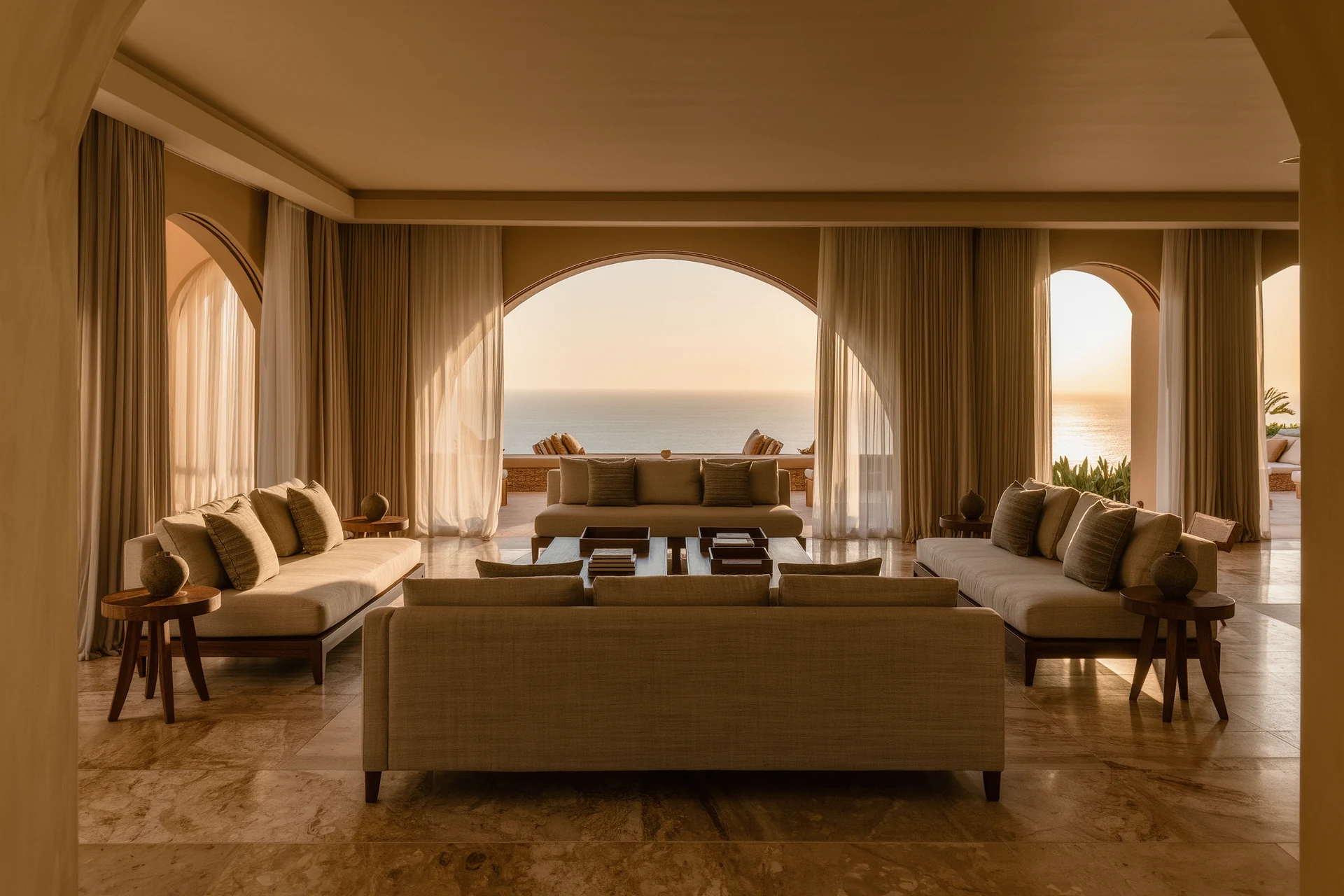
Let’s talk about what makes the inside of a Spanish villa so special. It’s not just about pretty furniture; it’s a feeling, a way of living that blends history, light, and comfort. Spanish villa interiors are captivating because they masterfully combine architectural features with materials and colors that evoke a sense of timeless elegance and relaxed living. Think of it as a warm embrace, a space that feels lived-in and loved, yet undeniably sophisticated.
The Unmistakable Structure: Walls of Character
The bones of a Spanish villa interior are crucial to its charm. These aren’t modern boxes; they have a story built into them.
Thick Walls and Their Cool Advantage
You’ll often find incredibly thick walls in older Spanish villas. This isn’t just for show; it was a practical solution for keeping the interiors cool in the hot Mediterranean climate. These walls act as natural insulators, meaning the inside stays refreshingly temperate even on the sweltering days, reducing the need for constant air conditioning. Imagine the comfort of stepping from the bright sun into a naturally cool haven.
Arches and Openings: Connecting Spaces
One of the most iconic architectural elements you’ll see is the arch. Whether it’s a grand entrance arch, a graceful passage between rooms, or a decorative element, arches create a sense of flow and visual interest. They break up the solidity of walls, allowing light to move more freely and subtly guiding your eye through the space. This open feeling makes rooms feel larger and more connected, fostering a welcoming atmosphere.
From Round to Pointed: Arch Variety
While rounded arches are more common in traditional Mediterranean styles, you might also encounter pointed arches, especially in regions influenced by Moorish architecture. Each type adds a unique character and historical nuance to the space.
Exposed Beams: A Rustic Foundation
Look up, and you’ll frequently find beautiful exposed wooden beams, often dark and substantial. These timber beams are not just decorative; they’re structural and add a significant amount of warmth and rustic character to the ceilings. They speak to the craftsmanship of the past and provide a grounding element that balances lighter colors and fabrics used elsewhere in the design.
The Beauty of Patina
The age of these beams often means they have a lovely patina, showing the marks of time and use. This imperfection is part of their appeal, adding authenticity and a sense of history.
Material Matters: Textures that Tell a Story
The materials used in Spanish villa interiors are as important as their structure. They contribute to the tactile and visual richness of the spaces.
Terracotta Tiles: The Soul of the Floor
When you think of Spanish floors, terracotta tiles likely come to mind, and for good reason. These iconic earthy tiles are ubiquitous. Their natural warmth, robust durability, and beautiful variations in color, from soft ochre to deep rust, make them incredibly versatile. They not only look fantastic but also feel wonderful underfoot, especially in warmer weather. They also absorb and release heat slowly, contributing to the home’s natural temperature regulation.
Natural Variations and Patterns
The beauty of terracotta lies in its natural imperfections and the slight variations in tone. Laid in simple patterns like squares or rectangles, they create a grounded, organic feel. For a bit more flair, you might find them laid in intricate geometric patterns, a nod to Moorish design influences.
Natural Stone: Cool and Classic
Beyond tiles, you’ll often find natural stone used in flooring, feature walls, and even countertops. Limestone, marble, and local quarried stones offer a timeless elegance. Their cool feel is a welcome respite from the heat, and their natural veining and texture add depth and a touch of raw beauty to the interior.
From Rough to Refined
Stone can be used in a variety of finishes, from roughly hewn and rustic to polished and smooth, allowing for different levels of formality and style.
Plaster and Whitewash: Softening the Edges
The walls themselves are often treated with plaster, frequently finished with a limewash or a light, textured paint. This creates a soft, matte surface that diffuses light beautifully. It’s a departure from the starkness of modern paints and adds a breathable, organic quality to the interiors. Whitewashed walls are particularly effective at reflecting sunlight, making rooms feel brighter and more expansive.
Subtle Texture Adds Depth
The slight texture achieved with plasterwork prevents the walls from feeling flat. It catches the light in a way that painted walls often can’t, adding a subtle but significant visual dimension.
The Palette of Sunshine and Earth: Colors that Inspire
Spanish villa interiors are characterized by a color palette that reflects the surrounding landscape, sun-drenched, earthy, and vibrant.
Warm Neutrals: The Foundation of Calm
The backbone of many Spanish villa interiors is a palette of warm neutrals. Think creamy whites, soft beiges, and earthy taupes. These colors create a serene and inviting atmosphere, acting as a perfect backdrop for other elements. They also brilliantly reflect the abundant natural light, making even smaller rooms feel airy and open.
Embracing Imperfection
These neutral tones in plasterwork often have a lovely subtle variation, adding an artisanal, handcrafted feel that is far from sterile.
Earthy Hues: Grounding the Space
Deeper, earthier tones are also integral. Rich terracottas, warm ochres, and muted olives ground the spaces and add a sense of natural connection. These colors can be found in tiles, textiles, and decorative accents, bringing the warmth of the landscape indoors.
Subtle Accents for Depth
These earthy tones are often used more subtly, perhaps in a patterned rug, a ceramic pot, or a cushion, providing pops of rich color without overwhelming the calm neutral base.
Vibrant Touches: The Mediterranean Spark
And then there are the bursts of vibrant color! Deep blues, sunny yellows, and rich reds are often introduced through tiles, textiles, art, and decorative objects. These colors are reminiscent of Mediterranean flowers, ceramics, and the azure sea. They add personality and a lively spark to the interiors, preventing them from becoming too muted.
Balancing Boldness
The key is balance. These vibrant colors are usually used as accents, strategically placed to draw the eye and inject energy, rather than dominating the entire space.
Furniture and Accents: A Blend of Comfort and Craft
The furnishings in a Spanish villa are chosen not just for their function but for their ability to enhance the character of the home.
Solid Wood: Enduring Charm
You’ll often find substantial pieces made from solid wood, like dark oak or pine. These are often vintage or antique pieces, showcasing intricate carvings or simple, robust designs. Their weight and presence lend a sense of permanence and history to the rooms. They are built to last and often develop a beautiful patina over time.
Handcrafted Quality
Look for details that suggest handcrafted quality: dovetail joints, hand-planed surfaces, and traditional joinery. These are hallmarks of well-made furniture that contributes to the villa’s authentic feel.
Wrought Iron: Delicate Strength
From chandeliers and lamps to decorative screens and bed frames, wrought iron makes a frequent and elegant appearance. Its ability to be shaped into intricate, often floral or geometric, designs provides a beautiful contrast to the solid wood and plaster elements. It adds a touch of artisanal flair and a subtle industrial edge that is undeniably Spanish.
Functional Art
Wrought iron pieces are often as much artistic statements as they are functional items, adding a delicate yet strong presence to the interiors.
Ceramics and Pottery: Artistic Expressions
Ceramics play a huge role. Think of hand-painted tiles, decorative plates hung on walls, and an abundance of beautiful pottery, from large amphorae to small, intricately patterned bowls. These pieces are functional art, adding color, texture, and a distinctly Mediterranean aesthetic. They are often found on shelves, tables, and even the floor, infusing every corner with personality.
Moorish Influences
Many ceramic designs show strong Moorish influences, with geometric patterns and vibrant glazes. Azulejo tiles, specifically, are a form of hand-painted tin-glazed ceramic tilework.
Textiles: Warmth and Pattern
Textiles are used to soften spaces and add layers of color and pattern. Think of rich, woven fabrics, embroidered cushions, and embroidered throws. These might feature geometric patterns, floral motifs, or ethnic-inspired designs. They add comfort and a cozy, lived-in feel.
Natural Fibers
Linen, cotton, and wool are common choices, adding a natural, breathable quality that complements the other materials.
Lighting: Embracing the Natural Glow
Spanish villa interiors are designed to maximize natural light, and the artificial lighting complements this beautifully.
Maximizing Sunlight: The Primary Goal
The design of Spanish villas inherently prioritizes natural light. Large windows, often with shutters, allow sunlight to flood the rooms. The layout, with its arches and open passages, encourages light to travel freely throughout the home. This natural illumination is the most captivating element, creating a bright, airy, and welcoming atmosphere.
Working With the Sun’s Path
Architects historically understood how to orient rooms to capture the best of the sun’s light at different times of the day, creating dynamic and ever-changing interiors.
Warm and Ambient Artificial Light
When it comes to artificial lighting, the goal is to create a warm, ambient glow that mirrors the natural light. Overly bright or harsh lights are avoided. Instead, you’ll find strategically placed lamps with warm bulbs, often featuring fabric or decorative iron shades.
Layered Lighting for Ambiance
A layered approach is key. This means having a combination of ambient, task, and accent lighting. Low-level table lamps create intimate zones, while a central chandelier or wrought iron fixtures can provide broader illumination.
Lanterns and Pendant Lights: Decorative Touches
Wrought iron lanterns and decorative pendant lights are common. These are not just sources of light but also design features that add character and a touch of old-world charm. They can hang in hallways, kitchens, or over dining tables, becoming focal points in their own right.
Illuminating Architectural Features
Carefully placed spotlights or uplighters can also be used to highlight architectural details like arches, beams, or textured walls, adding depth and drama, especially in the evenings.
The Art of Indoor-Outdoor Living: Seamless Transitions
Spanish villas excel at blurring the lines between the interior and exterior spaces, a fundamental aspect of their captivating elegance.
Verandas and Terraces: Extended Living Rooms
Perhaps the most defining feature of this indoor-outdoor flow is the generous use of verandas, terraces, and courtyards. These spaces are not just transitional but are treated as extensions of the living areas. Furnished with comfortable seating, dining tables, and often shaded by pergolas or fragrant vines, they become beloved spots for relaxing, entertaining, and simply enjoying the climate.
Al Fresco Dining Experiences
Picture enjoying a long, leisurely meal outdoors, bathed in the gentle evening light, with the scent of jasmine in the air. This is the essence of Spanish villa living.
Large Openings: Connecting with Nature
Large French doors, sliding glass doors, and strategically placed windows create a physical and visual connection to the outside. They allow for easy movement between rooms and the garden or patio, and they invite natural light and fresh air to permeate the interior.
Framing the View
These openings are often designed to frame beautiful views of the surrounding landscape, be it gardens, olive groves, or the distant sea, turning the exterior into a living masterpiece.
Courtyards: Private Oases
Many Spanish villas feature internal courtyards, which serve as private, tranquil oases. These are often adorned with fountains, lush planting, and comfortable seating, providing a cool, shaded respite and a central gathering point for the home. They bring the tranquility of nature right into the heart of the house.
The Sound of Water
A small fountain in a courtyard or a larger one on a terrace adds a soothing auditory element that enhances the sense of peace and relaxation.
Integrated Planting: Bringing the Garden Inside
It’s not uncommon to see plants and even small trees brought inside, particularly in sunny corners or courtyards. This integration of greenery further bridges the gap between the built environment and the natural world, adding life, color, and a fresh, natural aroma to the interiors.
Wicker and Rattan Accents
While not strictly “planting,” furniture made from natural materials like wicker and rattan also contributes to this outdoor feel, often used on terraces and in sunrooms, bringing the relaxed vibe of the garden indoors.
FAQs
What are some common features of Spanish villa interiors?
Some common features of Spanish villa interiors include terracotta tile flooring, exposed wooden beams, wrought iron accents, and colorful ceramic tiles.What color palettes are typically used in Spanish villa interiors?
Spanish villa interiors often feature warm and earthy color palettes, including shades of terracotta, ochre, deep reds, and vibrant blues. These colors are inspired by the natural surroundings and Mediterranean landscapes.What types of furniture are commonly found in Spanish villa interiors?
Spanish villa interiors often feature rustic and traditional furniture pieces such as wooden tables and chairs, wrought iron bed frames, and upholstered seating with ornate detailing. These pieces are often handcrafted and showcase intricate designs.How do Spanish villa interiors incorporate natural elements?
Spanish villa interiors often incorporate natural elements such as stone, wood, and clay to create a warm and inviting atmosphere. Additionally, large windows and open floor plans are used to bring in natural light and showcase the surrounding landscape.What are some key design elements of Spanish villa interiors?
Key design elements of Spanish villa interiors include arched doorways, decorative tile work, ornate light fixtures, and hand-painted details. These elements contribute to the overall charm and character of the space.More from Architecture & Interior Design
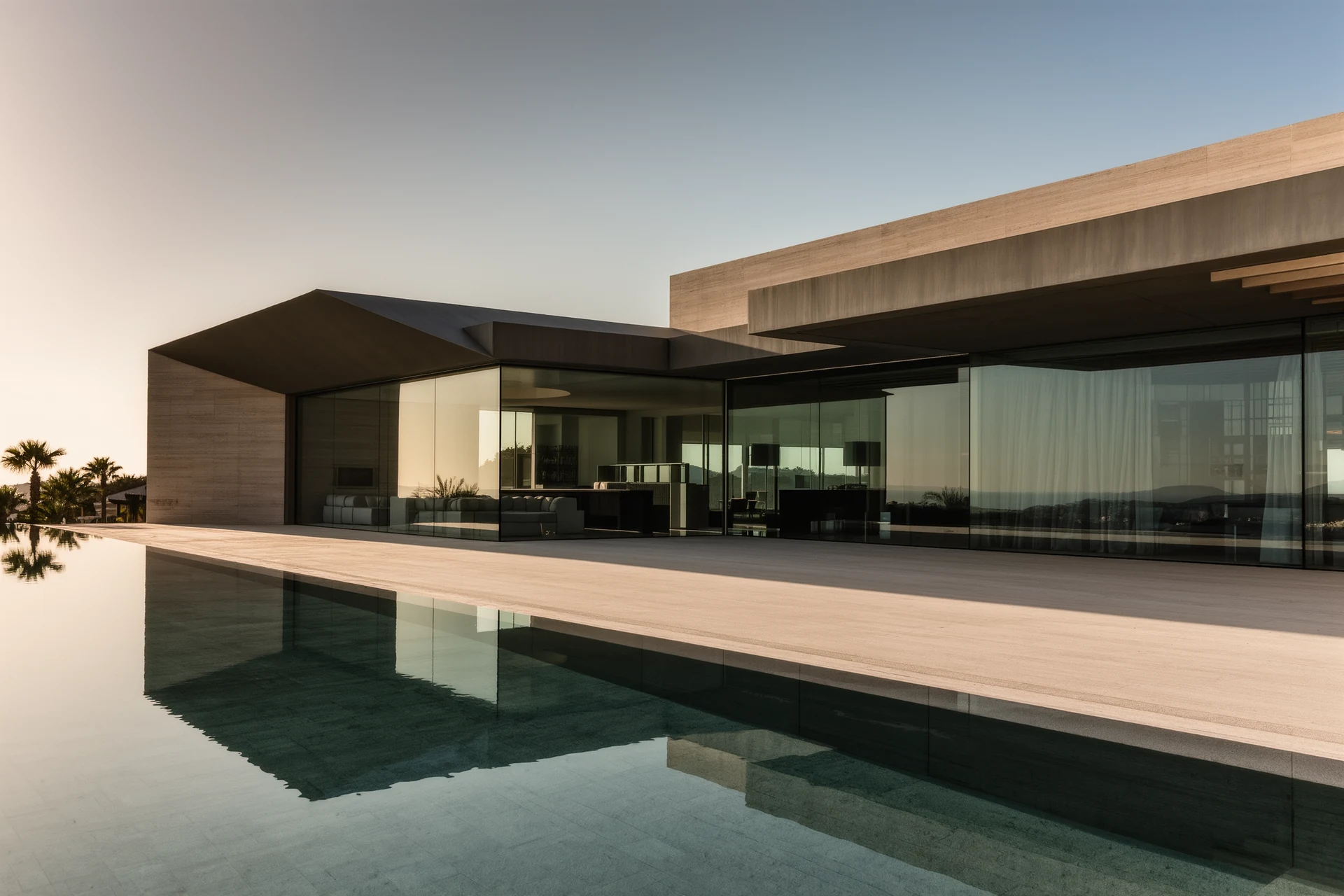
Architectural Digest Marbella: Luxury Living in Southern Spain
Marbella: A Taste of Luxury Living in Southern Spain Thinking about Marbella and wondering if it lives up to its luxury reputation? The short answer i…
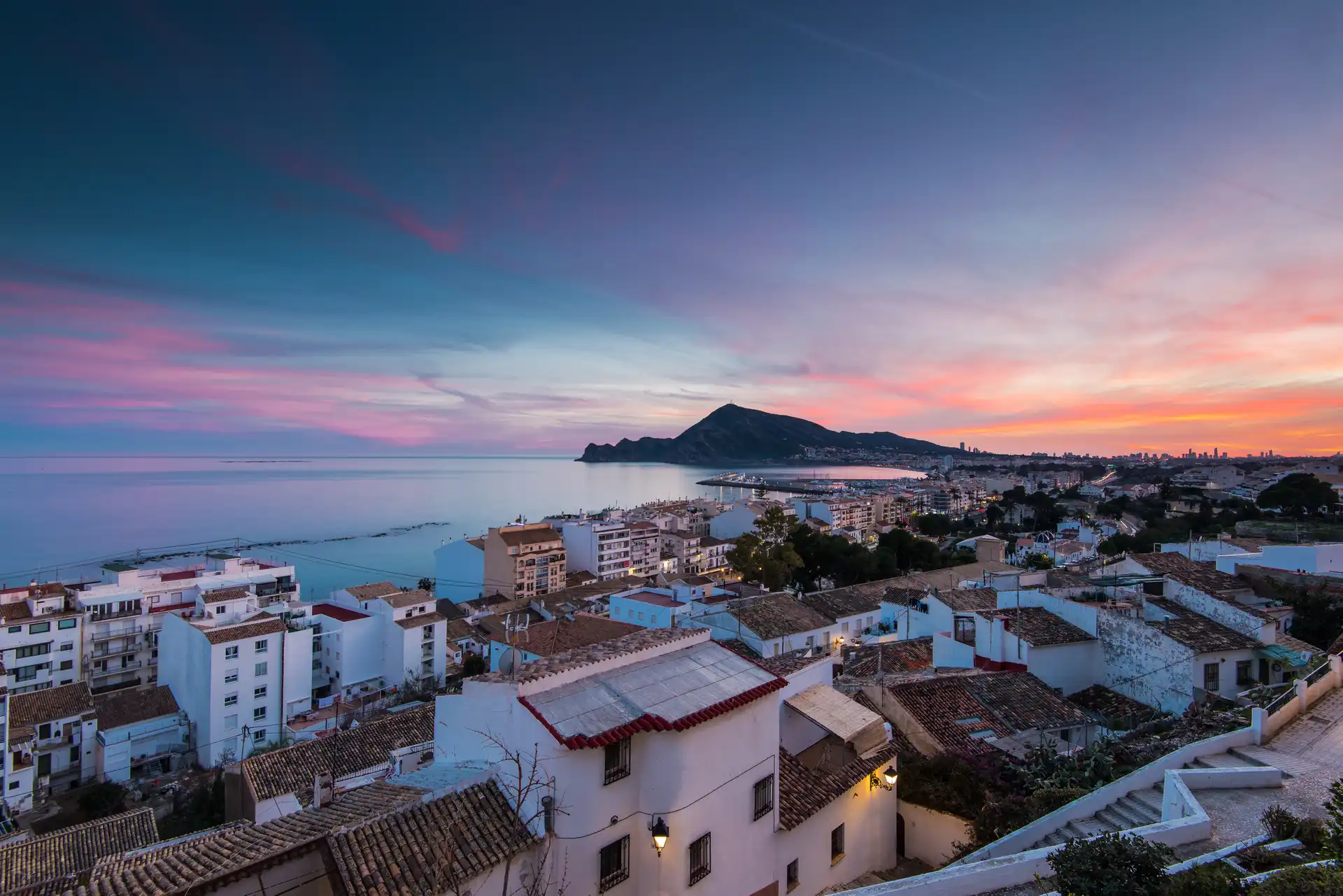
Exquisite Luxury Villa Design in Spain
When it comes to exquisite luxury villa design in Spain, we’re talking about more than just big houses. It’s about blending stunning archi…
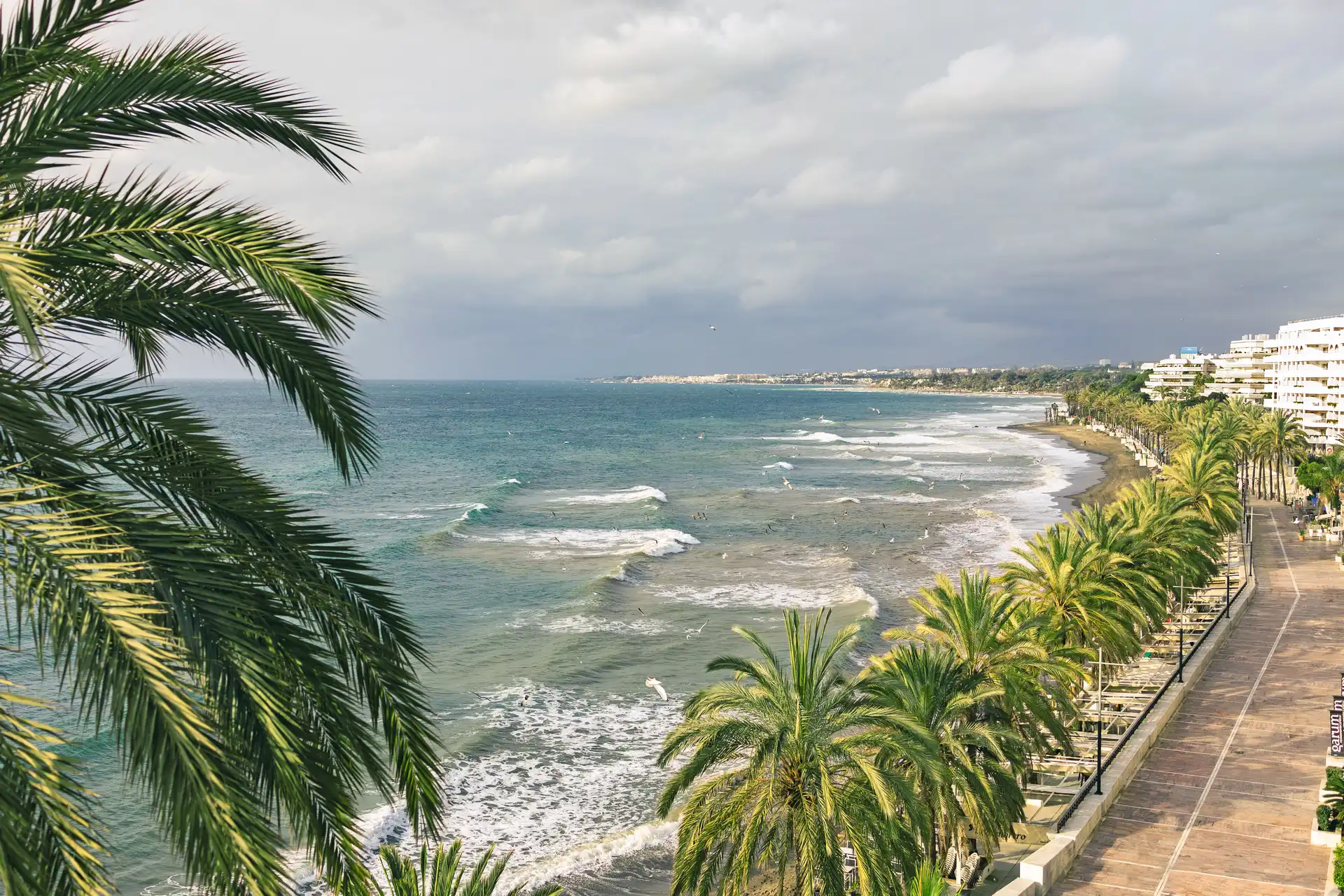
Coastal Chic: Interior Design Costa del Sol
Let’s dive into the world of Costa del Sol interior design. The ‘Coastal Chic’ style on the Costa del Sol isn’t ju…