Costa del Sol Architecture: Modern Trends and Influences
When you picture the Costa del Sol, you might think of sun-drenched beaches and lively nightlife. But the architecture along this Spanish coast tells a fascinating story, blending …
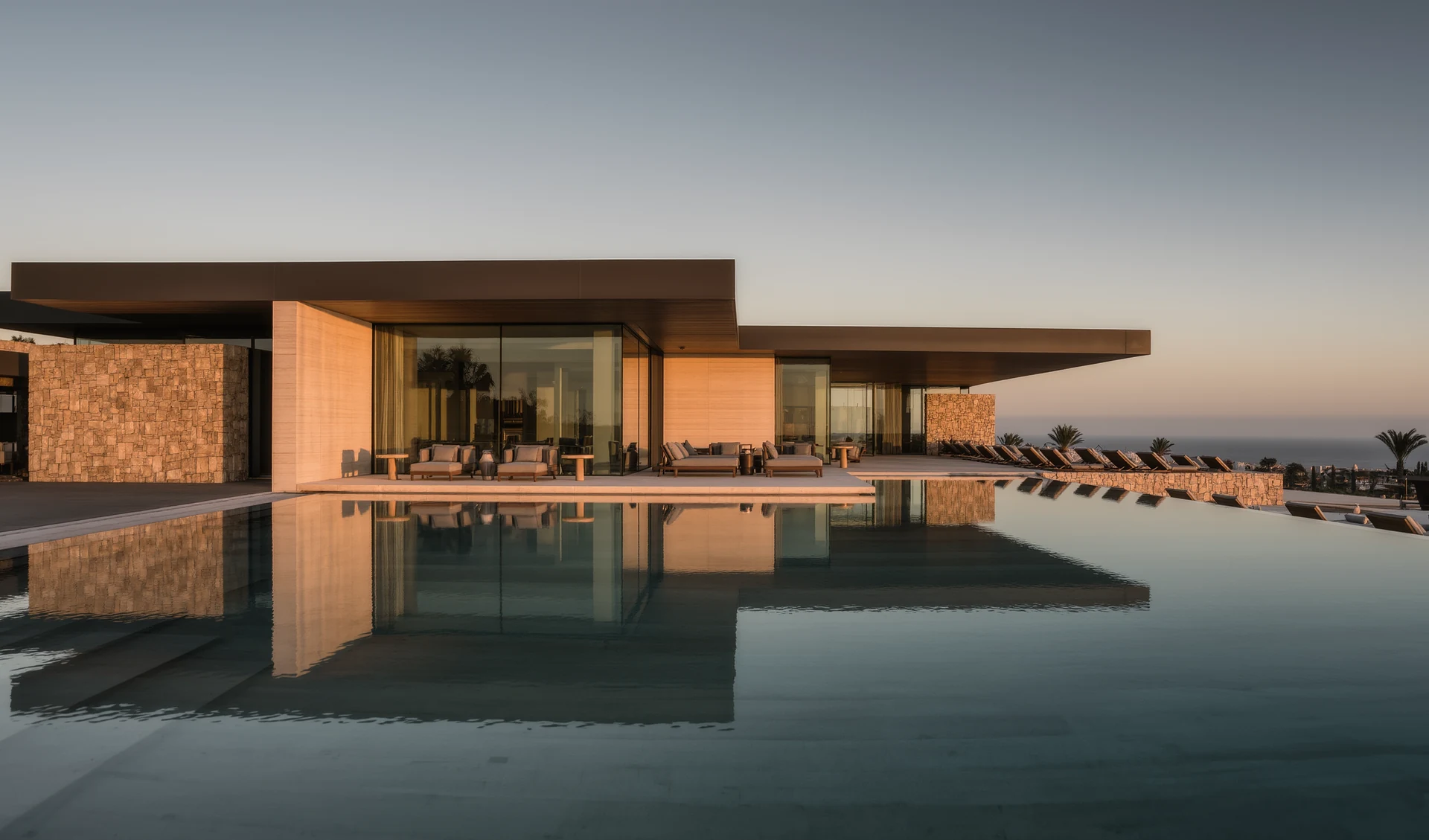
When you picture the Costa del Sol, you might think of sun-drenched beaches and lively nightlife. But the architecture along this Spanish coast tells a fascinating story, blending historical roots with very modern sensibilities. So, what are the key modern trends and influences shaping Costa del Sol architecture today? It’s a dynamic mix, driven by a desire for seamless indoor-outdoor living, a commitment to sustainability, and a thoughtful integration of local materials and styles into contemporary designs. Think clean lines, abundant natural light, and a conscious effort to echo the natural beauty of the landscape.
Before diving into the new, it’s crucial to understand the foundation. The Costa del Sol’s architectural DNA is deeply intertwined with its past.
Influences of Moorish Design
For centuries, Moorish influence has left an indelible mark. You see it in the intricate geometric patterns, the prevalence of courtyards (patios), and the use of decorative tilework (azulejos).
The Patio as a Central Hub
The traditional Andalusian patio isn’t just a pretty space; it’s a functional core of a home. Designed for cooling and gathering, these sheltered courtyards, often featuring fountains and lush planting, remain incredibly relevant as designers seek to create calm, private outdoor living areas. Modern interpretations might feature sleek water features or minimalist planting, but the spirit of refuge and connection to nature persists.
The Art of Azulejo Tiles
While historically vibrant and ornate, azulejos are experiencing a modern revival. Today, you’ll find them used in subtler, more sophisticated ways, think monochrome designs, large-format tiles, or accent walls that add a touch of texture and color without overwhelming the space. They’re a direct nod to tradition, but reimagined for a contemporary aesthetic.
Andalusian Vernacular Architecture
Beyond the Moorish, the straightforward, functional building styles of rural Andalusia also play a role. Think whitewashed walls, terracotta roofs, and simple, robust structures designed to withstand the climate.
Whitewashed Walls: A Timeless Classic
The ubiquitous white walls of Andalusian homes aren’t just for show; they’re highly effective at reflecting sunlight and keeping interiors cool. This practical element is a cornerstone of sustainable design and continues to be a popular choice for its clean, bright aesthetic. Modern architects often employ this technique, sometimes contrasting it with darker, natural materials.
Terracotta and Natural Materials
The warm tones of terracotta tiles and the earthy feel of local stone are enduring features. These materials connect buildings to the landscape and offer a natural aesthetic that is both beautiful and environmentally sound. Contemporary projects often use these, but perhaps in more refined finishes or combined with glass and steel.
Embracing the Mediterranean Lifestyle: Indoor-Outdoor Flow
Perhaps the most defining characteristic of modern Costa del Sol architecture is the emphasis on blurring the lines between indoor and outdoor living. The climate is simply too good to ignore.
The Rise of Large Glazed Surfaces
Expansive sliding glass doors and floor-to-ceiling windows are no longer a luxury but a standard feature. They open up living spaces to terraces, gardens, and pools, making the most of panoramic views and natural light. This isn’t just about aesthetics; it’s about maximizing usable space and enhancing well-being.
Seamless Transitions
The goal is to create a sense of one continuous living area. Interior flooring materials often extend seamlessly onto terraces, and the same paint colors or decorative finishes might be used inside and out to reinforce this connection.
Maximizing Views and Light
Even in more compact designs, architects are prioritizing how homes interact with their surroundings. This means orienting buildings to capture the best views, whether it’s the Mediterranean Sea, rolling hills, or landscaped gardens, and ensuring ample natural light enters every room.
Outdoor Living Spaces as Extensions of the Home
Terraces, patios, and balconies are no longer just passive spaces but actively designed extensions of the interior.
Covered Terraces and Pergolas
To make the most of the outdoor space year-round, covered terraces and pergolas are essential. These provide shade during the hottest parts of the day and shelter from occasional rain, allowing for comfortable outdoor dining, lounging, and entertaining. Modern designs often incorporate clean, minimalist structures or integrate climbing plants for natural shade.
Integrated Kitchens and Lounges
Outdoor kitchens, complete with barbecue facilities and even refrigerators, are increasingly common. Likewise, outdoor lounge areas, furnished with comfortable seating and mood lighting, create inviting spaces for evening gatherings.
Sustainability Takes Centre Stage
The environmental consciousness that’s growing globally is strongly reflected in Costa del Sol’s contemporary architecture. Building with the planet in mind is becoming as important as creating beautiful spaces.
Energy Efficiency and Passive Design
Modern architects are employing strategies to reduce energy consumption. This includes excellent insulation, high-performance windows, and smart orientation of the building to take advantage of natural breezes and sunlight.
Natural Ventilation
Designing for cross-ventilation, where possible, reduces the reliance on air conditioning. This might involve strategically placed windows and openings, or internal courtyards that act as thermal chimneys.
Solar Power Integration
Photovoltaic panels are becoming a common sight on rooftops, providing clean, renewable energy. Many new developments are designed with solar integration in mind, making it a seamless part of the building’s aesthetic rather than an afterthought.
Water Management and Conservation
Given the region’s climate, water conservation is a critical consideration.
Rainwater Harvesting
Systems for collecting and storing rainwater are often incorporated for garden irrigation and other non-potable uses.
Drought-Resistant Landscaping
The use of native and drought-tolerant plants in gardens and green spaces is a practical and beautiful way to reduce water consumption. This also ties into the aesthetic of blending with the natural Andalusian landscape.
Material Choices: Eco-Conscious and Local
The selection of building materials plays a significant role in a project’s sustainability.
Reclaimed and Recycled Materials
There’s a growing trend towards using reclaimed timber, recycled concrete, and other materials that have a lower environmental impact.
Locally Sourced Materials
Whenever possible, materials sourced from the region are preferred. This not only reduces transport emissions but also supports local economies and helps maintain a regional character. Think local stone, sustainable timber, and even lime-based renders.
Contemporary Minimalism and Clean Lines
While tradition is respected, modern Costa del Sol architecture has largely embraced a sleek, minimalist aesthetic.
Simplicity in Form and Function
Designs are characterized by clean geometric shapes, uncluttered facades, and a focus on essential elements. Ornamentation is kept to a minimum, allowing the quality of materials and the interplay of light and shadow to take centre stage.
Monochromatic Palettes and Natural Tones
Color palettes tend to be restrained, often featuring whites, greys, and earthy tones derived from natural materials. This creates a sense of calm and sophistication, allowing the surrounding landscape to be the true star.
Open-Plan Living
The popularity of open-plan living spaces continues to grow. Kitchens, dining areas, and living rooms often flow into one another, creating a sense of spaciousness and facilitating social interaction.
The Use of Modern Materials
While traditional materials remain, contemporary designs often incorporate modern ones to achieve specific looks and functionalities.
Glass and Steel
These materials are used extensively to create large expanses of glazing and structural elements that allow for open, light-filled spaces. The contrast between the industrial feel of steel and the warmth of natural elements is often explored.
Polished Concrete and Stone
Smooth, polished concrete floors provide a modern and durable surface, while meticulously finished natural stone adds a touch of luxury and a connection to the earth.
The Influence of International Design Trends
Costa del Sol is a global destination, and its architecture reflects this, drawing inspiration from international movements and styles.
Scandinavian Minimalism’s Impact
The clean lines, functional approach, and emphasis on natural light found in Scandinavian design resonate well with the Mediterranean climate and lifestyle. This influence can be seen in the straightforward forms and uncluttered interiors.
Hygge Outdoors
While hygge is an indoor concept, its spirit of cozy contentment is translated to outdoor spaces, with comfortable seating, soft lighting, and a focus on enjoying simple pleasures.
Japanese Zen Principles
The Japanese appreciation for natural beauty, simplicity, and tranquility also finds echoes in Costa del Sol architecture. This can be seen in the careful consideration of space, the use of natural materials like wood, and the creation of serene, contemplative areas.
Wabi-Sabi Aesthetics
The appreciation for imperfection and the beauty of natural processes (wabi-sabi) is subtly incorporated, allowing materials to age gracefully and creating a sense of authentic, lived-in beauty.
Biophilic Design Movement
This trend focuses on connecting building occupants more closely to nature. It’s about bringing the outdoors in through natural light, plants, natural materials, and even views of nature.
Integrated Greenery
This can range from small indoor plants to living walls and rooftop gardens, all designed to enhance well-being and create a more harmonious living environment.
Integrating Technology: Smart Homes and Modern Comforts
While aesthetics and sustainability are paramount, modern Costa del Sol architecture doesn’t shy away from technology. Smart home systems are increasingly integrated for convenience and efficiency.
Automated Systems
Control of lighting, temperature, security, and even window blinds can be managed remotely or through automated schedules, enhancing comfort and saving energy.
Integrated Lighting Design
Thoughtful lighting schemes are crucial for creating atmosphere. This includes natural light maximization, but also the sophisticated use of artificial lighting to highlight architectural features, create mood, and ensure functionality.
Accent and Task Lighting
Beyond general illumination, modern designs use accent lighting to draw attention to art or architectural details, and task lighting where needed for activities like cooking or reading.
Climate Control Innovations
Advanced climate control systems, often linked to smart home technology, ensure optimal indoor temperatures with minimal energy waste, adapting to local weather patterns.
Conclusion: A Harmonious Blend for the Future
Costa del Sol architecture today is a fascinating conversation between past and future. It’s about respecting the region’s rich heritage, the Moorish courtyards, the Andalusian whitewash, while boldly embracing contemporary needs. The core principles remain consistent: a profound appreciation for the Mediterranean lifestyle, a commitment to environmental responsibility, and a pursuit of beauty through simplicity. Expect to see designs that continue to maximize natural light and ventilation, seamlessly integrate indoor and outdoor living, and use materials consciously, both for their aesthetic appeal and their environmental credentials. It’s an architecture designed not just for living in, but for living well, in harmony with its stunning surroundings.
FAQs
What are the current architecture trends in Costa del Sol?
The current architecture trends in Costa del Sol include a mix of modern and traditional styles, with an emphasis on sustainable and eco-friendly design. There is also a growing interest in incorporating elements of Andalusian architecture, such as white-washed walls and tiled roofs, into contemporary designs.What are some popular materials used in Costa del Sol architecture?
Popular materials used in Costa del Sol architecture include locally sourced stone, wood, and clay tiles. There is also a growing trend towards using sustainable and recycled materials, such as reclaimed wood and eco-friendly insulation.How does the climate in Costa del Sol influence architecture trends?
The warm and sunny climate in Costa del Sol has a significant influence on architecture trends. There is a focus on creating open and airy spaces that allow for natural ventilation and maximize natural light. Additionally, there is an emphasis on outdoor living spaces, such as terraces and courtyards, that take advantage of the region’s mild climate.Are there any specific design features that are common in Costa del Sol architecture?
Common design features in Costa del Sol architecture include large windows and sliding glass doors to connect indoor and outdoor spaces, as well as flat roofs and rooftop terraces. There is also a focus on creating seamless transitions between interior and exterior spaces, blurring the lines between indoor and outdoor living.How are architects incorporating sustainability into their designs in Costa del Sol?
Architects in Costa del Sol are incorporating sustainability into their designs by using eco-friendly materials, implementing energy-efficient systems, and integrating passive design strategies to reduce energy consumption. There is also a focus on creating buildings that harmonize with the natural landscape and minimize their environmental impact.More from Architecture & Interior Design
Architectural Digest Marbella: Luxury Living in Southern Spain
Marbella: A Taste of Luxury Living in Southern Spain Thinking about Marbella and wondering if it lives up to its luxury reputation? The short answer i…
Exquisite Luxury Villa Design in Spain
When it comes to exquisite luxury villa design in Spain, we’re talking about more than just big houses. It’s about blending stunning archi…
Coastal Chic: Interior Design Costa del Sol
Let’s dive into the world of Costa del Sol interior design. The ‘Coastal Chic’ style on the Costa del Sol isn’t ju…