Costa del Sol Insider Tips: Local Secrets for the Perfect Vacation
Looking for the real Costa del Sol experience, away from the tourist traps and crowded beaches? You’ve come to the right place. This guide is all about sharing those local se…

Looking for the real Costa del Sol experience, away from the tourist traps and crowded beaches? You’ve come to the right place. This guide is all about sharing those local secrets, the kind of tips you’d get from a friend who lives here, helping you craft a truly memorable and authentic trip. No fluff, just practical advice to help you discover the hidden gems and make the most of your time on this beautiful stretch of Spanish coast.
While Marbella and Málaga city are wonderful, the Costa del Sol truly shines in its smaller, often overlooked villages. These are the places where you’ll find genuine local life, delicious traditional food, and a more relaxed pace.
Frigiliana: The White Village Gem
Nestled in the hills just a short drive from Nerja, Frigiliana consistently wins awards as one of Spain’s most beautiful villages. Its whitewashed houses, adorned with colorful flowers, cling to a steep hillside.
- Wander the Moorish Quarter: This is the oldest part of the village, a maze of narrow, cobbled streets and tiny plazas. Get lost (in the best way possible) among the steps and archways. Look out for the ceramic plaques depicting the village’s history.
- Taste Local Delicacies: Frigiliana is famous for its Miel de Caña (sugar cane honey). You’ll find it drizzled over berenjenas con miel (fried eggplant with honey) – a must-try tapa. There are also local wines and olive oils worth sampling.
- Hiking Opportunities: The natural park surrounding Frigiliana offers lovely hiking trails with stunning views of the coast and mountains. Ask at the local tourist office for maps and recommendations suitable for your fitness level.
Mijas Pueblo: A Serene Escape from the Coast
Perched in the mountains above Fuengirola, Mijas Pueblo offers a charming escape. Again, it’s a whitewashed village, but with a unique character and incredible panoramic views.
- Donkey Taxis (or not): While famous, the donkey taxis can be controversial. Consider if you’re comfortable with the practice. If not, simply enjoy strolling through the village on foot. There are plenty of charming shops and viewpoints to discover.
- Hermitage of the Virgen de la Peña: Carved into the rockface, this tiny hermitage offers a peaceful retreat and fantastic views. It’s a small but significant part of Mijas’s history.
- The Miniature Museum (Carromato de Mijas): This quirky museum houses an impressive collection of miniatures from around the world. It’s small, but surprisingly captivating and a fun diversion for an hour.
Casares: An Eagle’s Nest Village
Often called an ‘eagle’s nest’ village, Casares is dramatically perched on a rocky outcrop with Moorish castle ruins at its peak. It’s less frequented by tourists than Frigiliana or Mijas, offering a more tranquil experience.
- Climb to the Castle Ruins: The views from the top are simply breathtaking, stretching over the surrounding countryside to the Rock of Gibraltar and even across to Africa on a clear day. The climb is steep but rewarding.
- Explore the Village Centre: The streets here are incredibly steep, so wear comfortable shoes. You’ll find charming little squares, friendly locals, and a slower pace of life.
- Sulfur Baths of Hedionda: Just outside Casares, these ancient Roman baths are famed for their sulfurous waters, said to have healing properties. It’s a rustic, free experience. Don’t expect a spa, but do expect a unique dip!
Savoring the Flavors: Eating Like a Local
Food on the Costa del Sol is more than just paella and sangria. It’s about fresh seafood, local produce, and a culture of sharing.
Chiringuitos: The Authentic Beach Dining Experience
Forget the overpriced beachfront restaurants. Chiringuitos are the rustic, often family-run beach bars and restaurants that dot the coastline.
- Espetos de Sardinas: This is the quintessential Costa del Sol dish. Fresh sardines grilled on skewers over an open wood fire in a small boat filled with sand. Simple, fresh, and incredibly delicious. Always ask for espetos.
- Fried Fish (Fritura Malagueña): A plate of mixed, lightly battered and fried local fish (boquerones, calamaritos, rosada, adobo). It’s meant for sharing and best enjoyed with a cold beer or crisp white wine.
- Location, Location: Look for chiringuitos where you see plenty of locals, especially during lunchtime. They usually have a blackboard with the daily specials (pescado del día) which hint at the freshest catches.
- Beyond Lunch: Many chiringuitos stay open into the evening, offering a relaxed dinner with the sound of waves as your soundtrack.
Tapas Culture: More Than Just Small Plates
Tapas are a way of life in Spain, and Andalucía excels at it. It’s a chance to sample many different dishes without committing to one large meal.
- Bar Hopping (Tapeo): The real fun of tapas is moving from bar to bar, having one or two small plates and a drink at each. This is how locals socialize.
- Look for ‘Tapa Gratis’: In some parts of Andalucía (less common now on the immediate coast but still found in Málaga city and inland towns), you might receive a free tapa with your drink. Don’t expect it everywhere, but it’s a pleasant surprise if it happens.
- Local Specialties: Beyond the usual suspects, try local tapas like porra antequerana (a thicker, creamier gazpacho-like soup), ensaladilla rusa (Russian salad), albóndigas en salsa de almendras (meatballs in almond sauce), or camarones (tiny fried shrimp).
- Ordering Etiquette: Don’t be afraid to point! Many bars have their tapas displayed at the counter. When it’s busy, be assertive to get the waiter’s attention.
Markets and Delis: Fresh Produce and Local Goods
For an authentic taste of the region, head to a local market.
- Mercado Atarazanas (Málaga City): This stunning 19th-century iron market building is a feast for the senses. You’ll find fresh produce, seafood, meats, and spices. Many stalls also offer prepared food and tapas.
- Smaller Local Markets: Most towns will have a covered market or a weekly street market (check local listings for mercadillos). These are great places to pick up local cheeses, olives, cured meats (embutidos), and seasonal fruits.
- Panaderías (Bakeries): Seek out local bakeries for fresh bread, pastries, and traditional sweets. Try a pitufo (a small bread roll) with coffee for breakfast.
Getting Around Like a Local: Transportation Tips
Navigating the Costa del Sol without a car is perfectly doable, but knowing your options makes all the difference.
Public Transport: Efficient and Affordable
The public transport network along the coast is surprisingly good, especially for connecting the main towns.
- Cercanías Train (C1 Line): This coastal train line runs from Málaga city center (María Zambrano station) all the way to Fuengirola, stopping at key points like the airport, Torremolinos, and Benalmádena. It’s fast, frequent, and very affordable for inter-town travel.
- Buses (Autobuses): Buses fill the gaps where the train doesn’t go, connecting towns further east (like Nerja, Frigiliana, and Torre del Mar) and west (like Marbella, Estepona, and Gibraltar). Use apps like Moovit or the official Avanza/Alsa websites for routes and timetables.
- Málaga City Buses: The urban bus network in Málaga city is excellent. Buy a multi-trip card (tarjeta de transporte) for cheaper fares if you plan on using it frequently.
Car Hire: For Exploring the Inland Gems
While public transport is great for coastal towns, a car opens up a world of possibilities, especially for those charming inland villages.
- Book in Advance: Especially during peak season, car hire prices can fluctuate wildly. Book well in advance for the best deals.
- Automatic vs. Manual: Manual (stick shift) cars are standard in Spain and generally cheaper. If you’re not comfortable driving a manual, ensure you specify an automatic.
- Insurance: Check your insurance thoroughly. Basic insurance often has a high excess. Consider full coverage (either third-party or directly with the rental company) for peace of mind, especially on narrow, winding village roads.
- GPS/Offline Maps: Download offline maps (Google Maps, Maps.me) as phone signal can be spotty in mountainous areas.
- Parking: Parking in popular coastal towns and historic centers can be tricky and expensive. Look for underground car parks (parking subterráneo) or park on the outskirts and walk in. Many villages have free parking further away from the main hub.
Ride-Sharing and Taxis: Convenience When Needed
For shorter, more convenient trips, these services are readily available.
- Uber/Cabify: These ride-sharing apps operate in Málaga city and along parts of the coast (e.g. Marbella). They can be a convenient alternative to traditional taxis, often with upfront pricing.
- Taxis: Traditional taxis are metered and found at designated ranks or can be hailed on the street (look for the green light). Confirm the estimated fare for longer journeys.
Uncovering Hidden Beaches and Coastal Nooks
The Costa del Sol has hundreds of kilometers of coastline, but some spots are better than others for peace and natural beauty.
East of Málaga: Calmer Waters and Coves
The coastline east of Málaga city, particularly towards Nerja, is rockier, creating charming coves and clearer waters ideal for snorkeling.
- Playa del Cañuelo (Maro-Cerro Gordo Natural Park): This is often considered one of the most beautiful beaches in the region. It’s a protected area, meaning no construction right on the beach, and the water is incredibly clear. There’s a shuttle bus down to the beach for a small fee, or you can walk.
- Cala del Pino (Maro-Cerro Gordo Natural Park): Similar to Cañuelo but often a little quieter, this cove offers excellent snorkeling and a serene ambiance. It requires a walk down a path, which helps keep the crowds away.
- Playa Burriana (Nerja): While more developed, this long sandy beach in Nerja offers plenty of amenities but also designated areas for less crowded sunbathing. It’s popular for kayaking and paddleboarding.
West of Marbella: Secluded Bays
While Marbella has its famous stretches, heading west towards Estepona and further offers some quieter alternatives.
- Playa Cristo (Estepona): A sheltered cove with calm, shallow waters, making it ideal for families. It’s west-facing, so it boasts fantastic sunsets. There are a couple of chiringuitos here too.
- Playa del Saladillo (Estepona): A long, natural beach with fewer facilities than its neighbors, offering a more relaxed atmosphere. It’s a great spot for a long walk.
- Casares Beach: Away from the main hustle, Casares has a surprisingly nice, long sandy beach. It’s often much quieter than those closer to Estepona or Marbella, especially outside of peak times.
Nudist/Naturist Beaches: For Those Who Prefer Less
Spain is generally tolerant of naturism, and there are designated areas if you prefer to shed your swimwear.
- Playa Artola (Cabopino, Marbella): One of the most well-known naturist beaches on the Costa del Sol. It’s a beautiful dune system, and while clothing is optional, it’s mixed with textile users further along.
- Playa de Cantarriján (Maro-Cerro Gordo Natural Park): Just east of Nerja, this is another popular naturist beach, set within a stunning natural park. It has a good chiringuito and clear waters.
Experience the Culture: Festivals, Flamenco, and More
Beyond sun and sand, the Costa del Sol is rich in cultural experiences that offer a deeper insight into Andalucía.
Ferias and Romarías: Dive into Local Festivities
Throughout the year, every town and village has its own feria (fair) or romería (pilgrimage). These are joyous celebrations involving music, traditional dress, horse riding, and plenty of food and drink.
- Timing is Key: Each town celebrates at a different time, often tied to a patron saint’s day. Check local tourist information websites for dates. The Feria de Málaga (August) is the biggest, but smaller village ferias often provide a more intimate and authentic experience.
- Daytime vs. Nighttime: Ferias usually have a ‘Feria de Día’ (day fair) with music and dancing in the town center, and a ‘Feria de Noche’ (night fair) at a fairground with rides and marquees.
- Dress Code (Optional but Fun): While not required, you’ll see many locals dressed in traditional traje de gitana (flamenco dress) or traje corto (short suit for men). It adds to the atmosphere.
Authentic Flamenco: Skip the Tourist Traps
Genuine flamenco on the Costa del Sol is about raw emotion and passion, not dinner-and-a-show tourist performances.
- Peñas Flamencas: These are local flamenco clubs where genuine aficionados gather. They are less about performance and more about spontaneous singing and dancing. Most are not geared towards tourists, so it’s a more challenging but rewarding experience. Peña Flamenca Juan Breva in Málaga is a good starting point.
- Bar La Campana (Málaga): Often recommended as a place for impromptu flamenco. It’s casual, lively, and you might catch some authentic singing and dancing.
- Smaller Towns: Sometimes, local bars in smaller, less touristy towns will host informal flamenco nights. Ask around locally.
- Late Start: Flamenco shows (even formal ones) often start late, sometimes not until 10 pm or later.
Bullfighting Cultural Nuances: A Look, Not a Promotion
While bullfighting is controversial, it is historically and culturally significant in Andalucía. This isn’t an endorsement, but an acknowledgment of its place in regional culture.
- Understanding the Controversy: Be aware of the strong opinions surrounding bullfighting. Many Spaniards are against it, while others view it as an art form and tradition.
- Ronda Bullring: If you are curious about the history and tradition without attending a fight, the Bullring in Ronda is one of the oldest and most beautiful in Spain, offering a museum and guided tours. This allows you to appreciate the architecture and history without the live event.
- Seasonal: Bullfights are seasonal, primarily in spring and summer. Check local listings if you choose to attend.
This guide is designed to get you started on your Costa del Sol adventure, giving you the tools to explore beyond the usual brochures. Embrace the relaxed pace, indulge in the local flavors, and let these insider tips lead you to a truly unforgettable experience.
FAQs
What is the Costa del Sol known for?
The Costa del Sol, located in the southern region of Spain, is known for its beautiful Mediterranean beaches, vibrant nightlife, and rich cultural heritage. It is a popular tourist destination for its sunny climate and picturesque coastal towns.What are some insider tips for visiting the Costa del Sol?
Some insider tips for visiting the Costa del Sol include exploring the charming white-washed villages known as “pueblos blancos,” indulging in the region’s delicious seafood and tapas, and taking advantage of the many outdoor activities such as hiking, golfing, and water sports.What are the best times to visit the Costa del Sol?
The best times to visit the Costa del Sol are during the spring (April to June) and fall (September to October) when the weather is pleasant and the tourist crowds are smaller. Summer (July and August) is the peak tourist season with hot temperatures and crowded beaches.What are some must-see attractions in the Costa del Sol?
Some must-see attractions in the Costa del Sol include the historic city of Malaga, the luxurious resort town of Marbella, the stunning Alhambra Palace in Granada, and the picturesque village of Ronda with its famous bridge and dramatic gorge.What are some local customs and traditions to be aware of in the Costa del Sol?
In the Costa del Sol, it is customary to greet people with a kiss on each cheek, especially when meeting friends and family. It is also important to respect local dining customs, such as eating dinner later in the evening and taking time to savor each course during a meal. Additionally, it is polite to dress modestly when visiting religious sites and to be mindful of siesta hours when many businesses close for a midday break.More from Hidden Gems
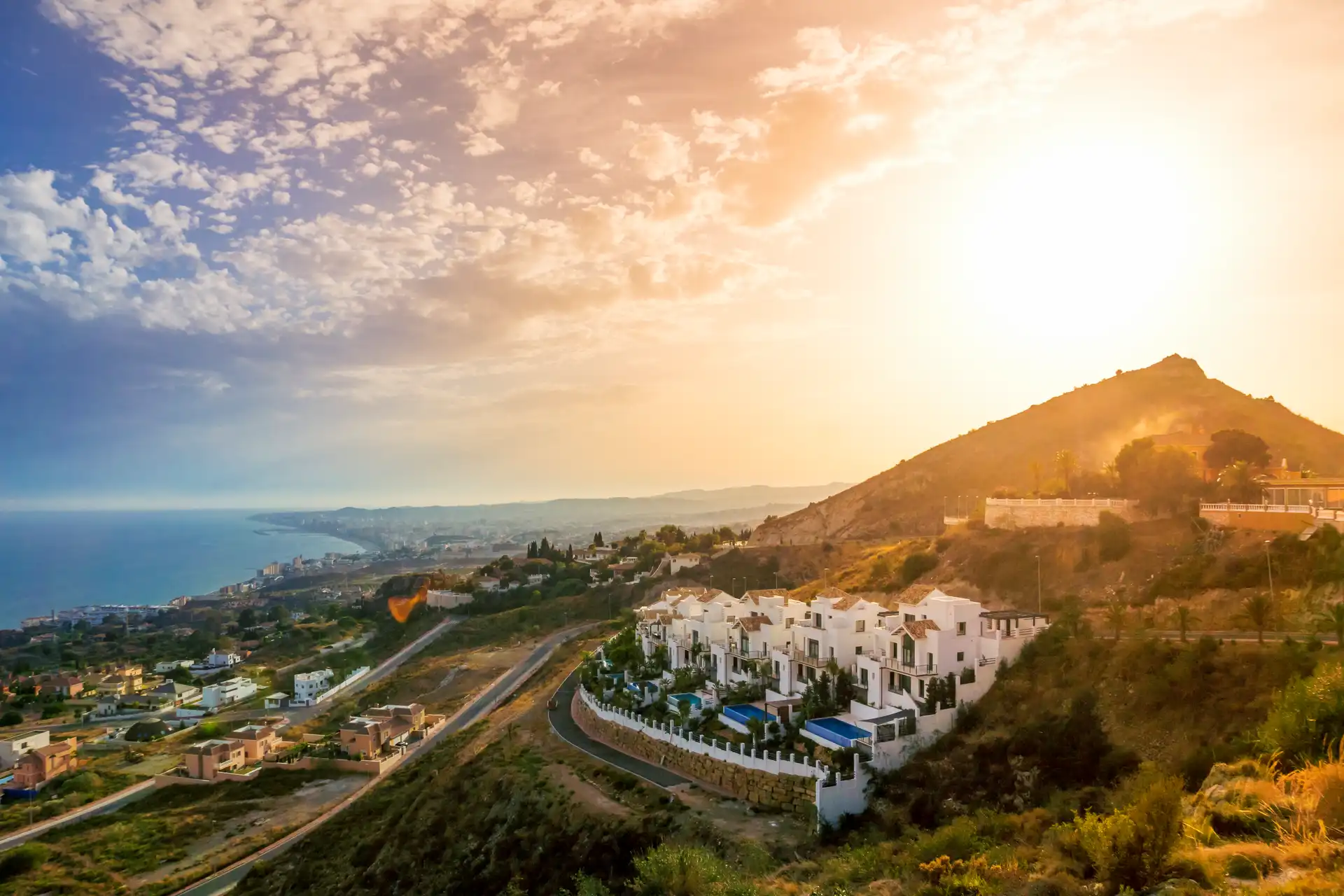
Chic Costa del Sol: Boutique Bliss
So, you’re thinking about a trip to the Costa del Sol but want to skip the mega-resorts and find something a little more… special? You’re …
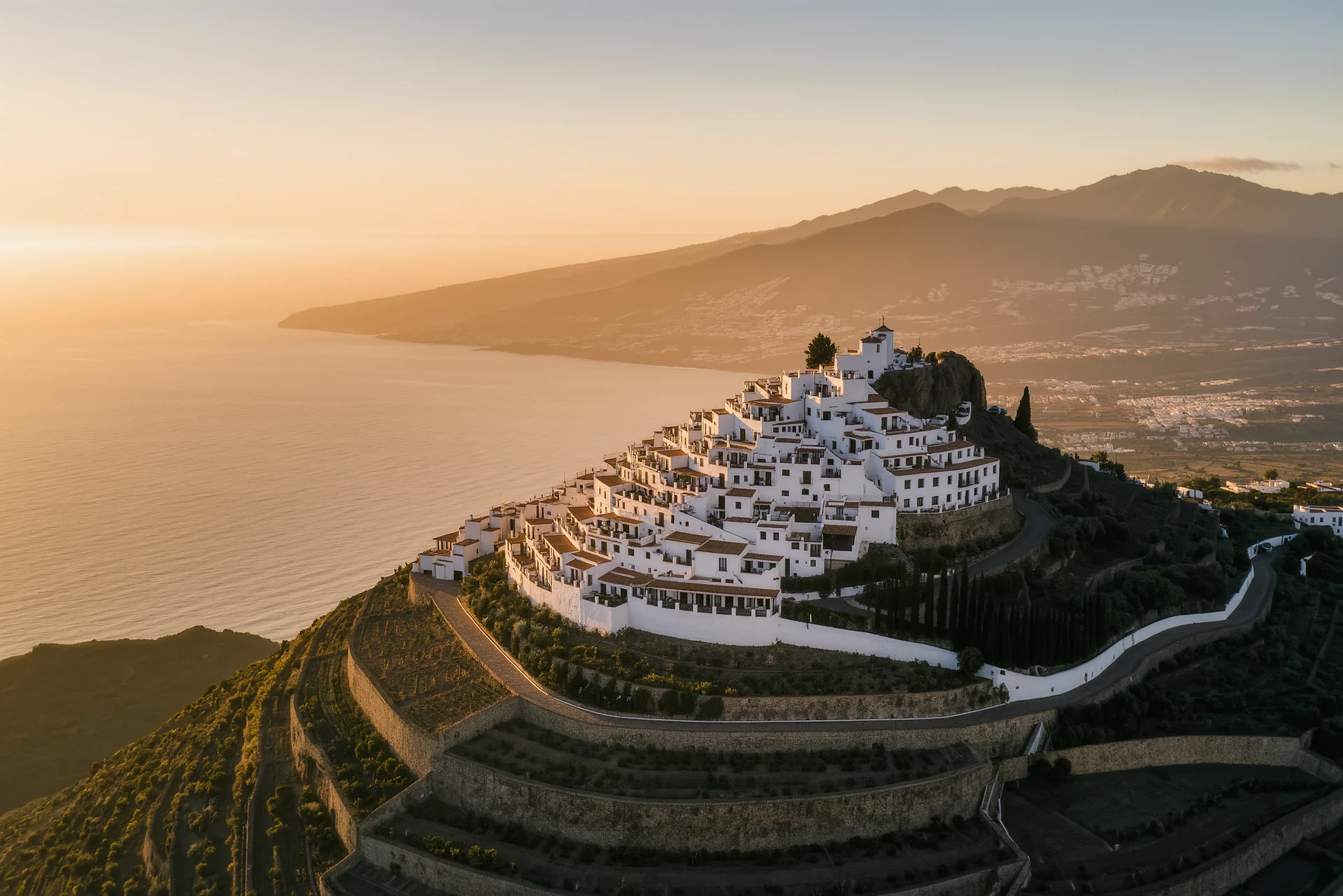
Charming Towns Near Marbella: Exploring the Costa del Sol
Looking for that quintessential Spanish charm beyond the glitz of Marbella? You’re in luck! The Costa del Sol is dotted with genuinely lovely to…
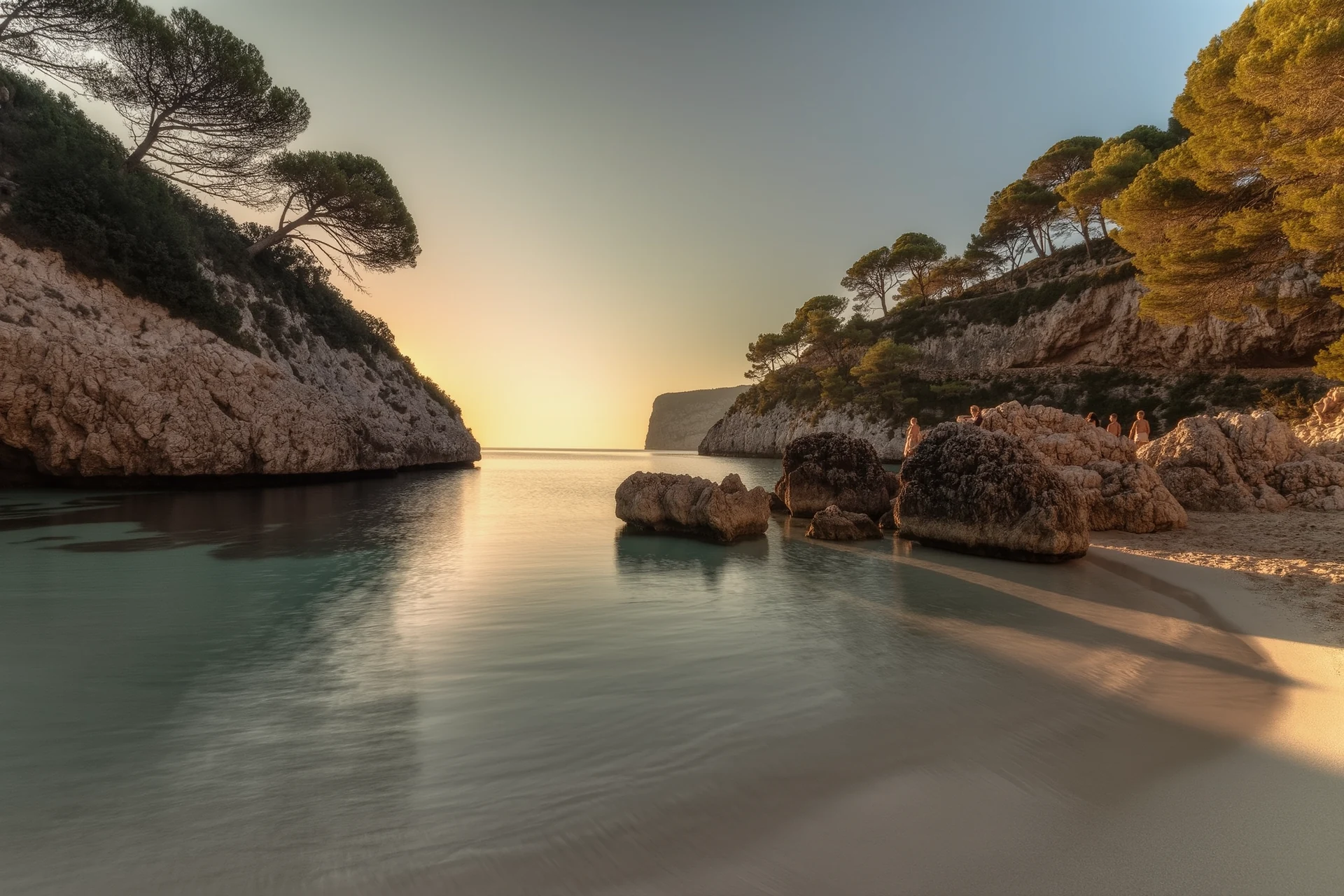
Secret Coves: Costa del Sol’s Hidden Gems
Looking for those tucked-away beaches on the Costa del Sol? While the main playas are great for families and facilities, sometimes you just want a bit…