Costa del Sol: Local Experiences for Authentic Memories
Thinking about a trip to the Costa del Sol and wondering how to peel back the layers beyond the usual tourist spots? You’ve come to the right place. While it’s famous for its…
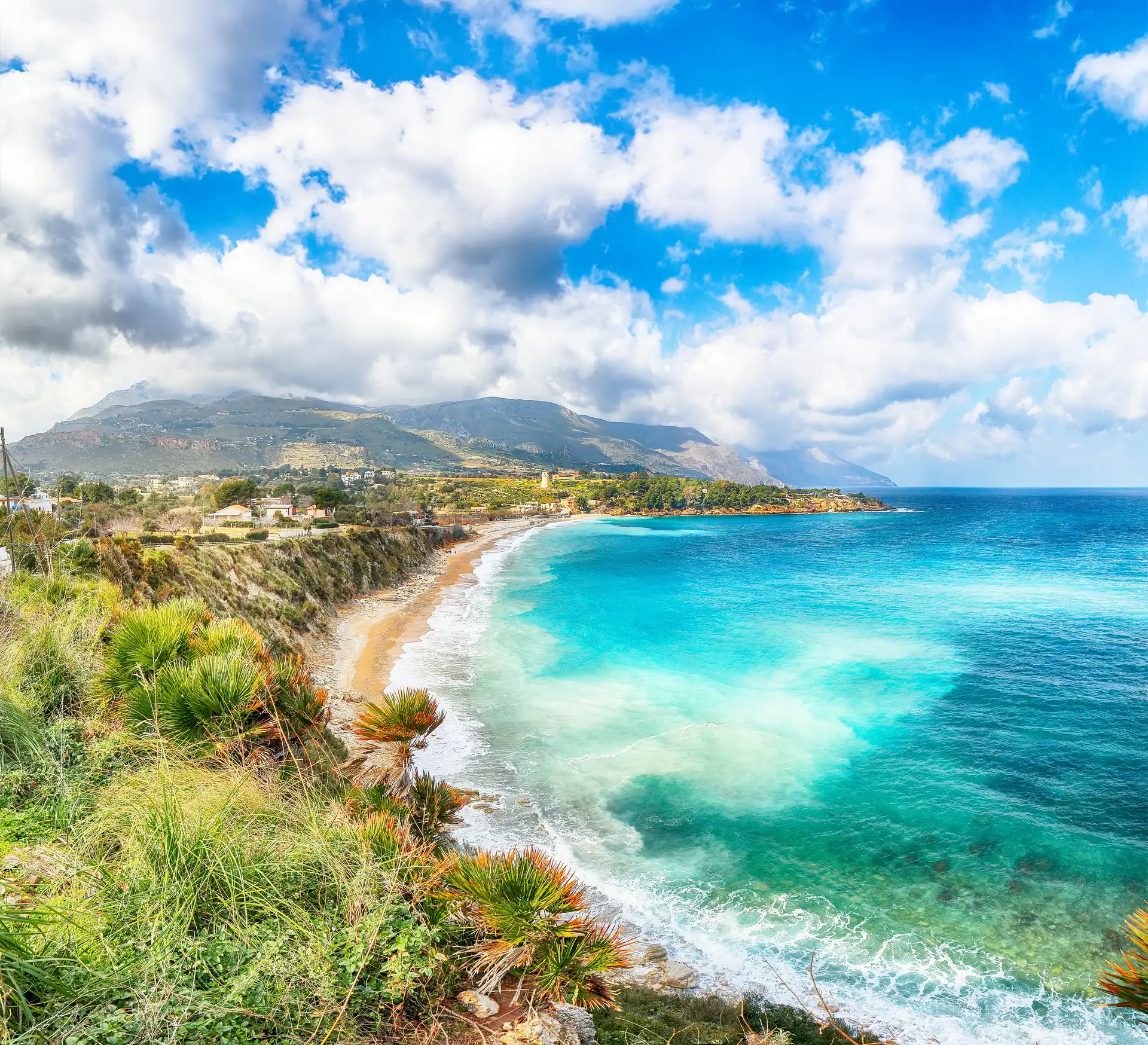
Thinking about a trip to the Costa del Sol and wondering how to peel back the layers beyond the usual tourist spots? You’ve come to the right place. While it’s famous for its sunshine and beaches, the real magic of the Costa del Sol lies in its local heart. This guide is all about digging a little deeper, finding those authentic experiences that turn a good holiday into one filled with genuine memories. It’s about swapping the crowded promenades for bustling local markets, the generic paella for a home-cooked speciality, and the packaged tours for a chat with a fisherman.
The Costa del Sol’s culinary scene is vibrant and diverse, but if you stick to restaurants with English menus and pictures of every dish, you’re missing out on a huge part of the experience. The real food, the stuff locals rave about, is often found in humble, unpretentious settings.
The Art of the Tapas Bar
Tapas aren’t just small plates; they’re a social ritual. Forget the idea of ordering a few big meals. Embrace the tapas crawl.
Discovering True Andalusian Bites
Seek out bars packed with locals, especially during the early evening. Look for handwritten menus, or even better, just point and ask, a little miming goes a long way. You’ll discover classics like gambas al pil-pil (sizzling garlic shrimp), espetos de sardinas (grilled sardines, a coastal staple), and the wonderfully simple but delicious patatas bravas. Don’t be afraid to try regional specialities.
The Best Time for Tapas
The golden hour, from about 7 pm to 9 pm, is prime time. This is when locals wind down after work, gathering for a drink and a few small bites before dinner or as their dinner. It’s a great way to experience the local rhythm of life.
Local Markets: A Feast for the Senses
Food markets are the beating heart of many Andalusian towns. They are more than just places to buy groceries; they’re social hubs, bursting with colour, sound, and the freshest produce.
Mercado Central de Atarazanas (Málaga)
This is arguably the most famous market in Málaga, and for good reason. The building itself is an architectural marvel. Inside, you’ll find an incredible array of fresh fish, vibrant fruits and vegetables, local cheeses, cured meats, and olives. Grab a fresh juice or some montadito (mini sandwich) from one of the small stalls inside.
Smaller Town Treasures
Don’t overlook the smaller markets in towns like Nerja, Marbella, or Fuengirola. These often offer a more intimate glimpse into daily life and the chance to pick up local delicacies you might not find elsewhere. Chatting with the vendors, even with limited Spanish, can be rewarding. They’re proud of their products and happy to share.
Beyond the Beachfront: Inland Gastronomy
While the coast offers fantastic seafood, venturing inland reveals a different culinary landscape, rich with the flavours of the land.
Wine Tasting in the Hills
The Ronda wine region, while a bit of a drive, is gaining international recognition. Many vineyards offer tours and tastings. Discovering the local wines, often unique varietals, paired with regional cheeses and jamón serrano, is a truly special, off-the-beaten-path experience.
The Power of Olive Oil
Andalusia is the world’s largest producer of olive oil. Many smaller producers offer tours and tastings of their aceite de oliva virgen extra. Learning about the different olive varieties and the nuances of flavour is eye-opening. Some offer picnic lunches featuring their oils, a simple yet profoundly delicious way to connect with the land.
Immersing Yourself in Andalusian Culture: Beyond the Package Tour
Authentic memories often come from stepping outside the comfort zone of pre-packaged experiences and engaging with the local rhythm and traditions.
Discovering Flamenco’s Soul
Flamenco is often presented as a tourist show, but its true power lies in its raw, emotional expression.
The Intimate Peña Flamenca
Seek out peñas flamencas. These are local flamenco clubs where the art form is kept alive by enthusiasts and performers. The atmosphere is electric, intimate, and deeply authentic. You’ll witness performances that are far more visceral and soulful than any staged show. Málaga and Granada are particularly good for finding these gems.
The Vibe of a Local Fiesta
If you happen to be visiting during a local festival, feria, you’re in for a treat. These are week-long celebrations in towns and villages, filled with music, dancing, traditional dress, and of course, plentiful food and drink. It’s a true immersion into Andalusian life, where everyone is invited to join the revelry.
Exploring Moorish Heritage: Quiet Corners and Hidden Gems
The Costa del Sol, and Andalusia as a whole, is steeped in centuries of Moorish history. While the Alhambra in Granada is world-renowned, there are many lesser-known sites that offer a more personal connection to this past.
The Alcazaba of Málaga
Málaga’s Alcazaba is a stunning Moorish fortress that predates the Alhambra. It’s beautifully preserved and offers breathtaking views over the city and the Mediterranean. Wandering its courtyards and ramparts feels like stepping back in time, and it’s often far less crowded than its more famous cousin.
The White Villages (Pueblos Blancos)
While some, like Ronda, are quite popular, many of the smaller pueblos blancos (white villages) scattered in the hills offer a glimpse into a more traditional way of life. Villages like Frigiliana, Mijas Pueblo, or Setenil de las Bodegas (famous for its houses built into cliffs) provide charming, authentic strolls through narrow, whitewashed streets, often adorned with colourful flower pots.
The Rhythm of the Siesta and Evening Stroll
Understanding and respecting local habits can enhance your experience.
The Art of the Afternoon Pause
The siesta (afternoon nap) is still a reality in many parts of Andalusia, especially in smaller towns. Shops may close from roughly 1:30/2 pm to 5 pm. Use this time to relax, enjoy a long lunch, or perhaps read a book on your balcony. It’s an opportunity to slow down and adapt to the local pace.
The Paseo Marítimo and Evening Life
As the sun begins to set, the paseo marítimo (promenade) comes alive. This is when locals, families, and friends take their evening stroll, socialize, and enjoy the cooler air. Join them for a relaxed walk, perhaps stopping for an ice cream or a drink. It’s a simple yet charming cultural practice.
Connecting with the Locals: Genuine Interactions
The warmest memories often come from unexpected conversations and genuine connections with the people you meet.
Mastering the Art of Spanglish
You don’t need to be fluent in Spanish to have meaningful interactions, but a few key phrases and a willingness to try can open doors.
Key Phrases for Connection
“Hola” (Hello), “Gracias” (Thank you), “Por favor” (Please), and “Una cerveza/un café, por favor” (A beer/coffee, please) are essential. Even better is “¿Cómo está?” (How are you?) and “¿Habla inglés? Ung sedikit” (Do you speak English? Just a little). A smile and a gesture often bridge language gaps.
Beyond the Transaction
When you’re at a market or a small shop, try to engage the vendor beyond just the purchase. Ask about their produce, their town, even if it’s through broken Spanish and hand signals. You might be surprised by their openness and kindness.
The Unscripted Moments: Chats in Cafés and on Benches
Some of the most memorable encounters happen in the most ordinary settings.
Café Culture
Spend time in local cafés, not just the ones with international chains. Order a café con leche and people-watch. You’ll likely overhear snippets of local life, observe interactions, and perhaps even strike up a conversation with a fellow patron or the barista.
Park Life
Local parks are communal spaces. Sitting on a bench and watching children play, or elderly couples chat, can be a peaceful and insightful experience. Don’t be surprised if someone initiates a conversation, especially if you appear to be a curious traveler.
Experiencing Local Life Through Activities
Participating in local activities, even as an observer, offers a deeper understanding.
Football Fever
Spanish football is a passion. If there’s a local team playing, especially in a lower league, attending a match is a fantastic way to experience local pride and a vibrant, passionate atmosphere. It’s a much more raw and authentic experience than a major international game.
Community Events
Keep an eye out for local announcements about community events, street music, or amateur theatre performances. These are often free or very low cost and offer a genuine slice of local life.
Getting Off the Beaten Path: Discovering Hidden Beaches and Quiet Towns
The Costa del Sol offers more than just the well-trodden tourist hubs. Venture a little further, and you’ll find your own personal slices of paradise.
Coastal Gems Away from the Crowds
Beyond the bustling resorts, there are quieter stretches of coastline waiting to be discovered.
The Eastern Costa del Sol: Nerja and Beyond
While Nerja is popular, its surrounding areas offer more secluded coves and beaches. Explore east towards Maro for stunning cliff faces and hidden calas (coves). The natural beauty here is striking, and the atmosphere is more laid-back.
The Western Costa del Sol: Estepona and Manilva
Heading west from Marbella, towns like Estepona retain a charming old town and have a more relaxed vibe. Further on, Manilva and Sabinillas offer beautiful beaches with a more local feel, less dominated by large resorts. Look for smaller chiringuitos (beach bars) run by families.
Inland Escapes: Exploring the Serranía de Ronda
The dramatic mountain ranges behind the coast offer a completely different, yet equally captivating, side of Andalusia.
Hiking and Nature Trails
The Serranía de Ronda is crisscrossed with hiking trails, from gentle walks through olive groves to more challenging mountain treks. The views are spectacular, and you’re likely to encounter more wildlife and serene landscapes than people.
Discovering Rural Villages
Beyond the famous pueblos blancos, you’ll find even smaller, less-visited villages where time seems to have stood still. These are places to experience true rural Andalusian life, with tiny plazas, elderly residents playing dominoes, and a profound sense of peace.
Practical Tips for Authentic Travel
Making the most of your trip involves a bit of thoughtful preparation and a flexible mindset.
Transportation: Navigating Like a Local
- Car Hire: For true freedom to explore off-the-beaten-path locations, hiring a car is often the best option. It gives you the flexibility to stop in small villages, pull over for scenic views, and discover those hidden coves.
- Public Transport: While less flexible for remote areas, buses and trains connect major towns and cities efficiently. Using them can be a good way to experience local travel and observe daily life. Consider regional buses for reaching smaller towns.
- Local Buses: Within towns and cities, local buses are inexpensive and a great way to get around like a resident.
Language: Bridging the Gap
- Translation Apps: A good translation app on your phone can be a lifesaver for understanding menus, signs, and having basic conversations.
- Phrasebook: A small, pocket-sized phrasebook can also be a handy, non-tech alternative.
- Patience and a Smile: The most effective tool is always patience and a genuine smile. Locals appreciate the effort, even if your Spanish isn’t perfect.
Accommodation: Staying Local
- Rural Houses (Casas Rurales): These are often traditional farmhouses or country homes rented out for holidays. They offer a chance to stay in charming, rustic settings and experience rural life.
- Boutique Hotels in Old Towns: Instead of large resort hotels, opt for smaller, family-run hotels or bed and breakfasts located in the historic centres of towns. These offer a more personal touch and a chance to be immersed in the local atmosphere.
- Apartment Rentals: Renting an apartment in a local neighbourhood can give you a feel for everyday living, allowing you to shop at local markets and cook some of your own meals.
Embracing the Pace: Slow Travel
- Don’t Over-Schedule: Trying to cram too much into each day leads to stress and prevents you from truly experiencing a place. Allow for spontaneity and downtime.
- Observe and Listen: Take time to simply sit in a plaza, a park, or a café and observe the ebb and flow of local life. Listen to the conversations, watch the interactions. This is where the real stories are found.
By focusing on these local experiences, you’ll find that the Costa del Sol offers a richness and depth that extends far beyond its sun-drenched beaches, creating memories that are truly authentic and deeply personal. It’s about engaging with the soul of the region, rather than just passing through.
FAQs
What are some popular local experiences in Costa del Sol?
Some popular local experiences in Costa del Sol include visiting the charming white-washed villages, exploring the local markets, indulging in traditional Spanish cuisine, and enjoying the beautiful beaches and coastline.What are some traditional dishes to try in Costa del Sol?
Some traditional dishes to try in Costa del Sol include paella, gazpacho, pescaíto frito (fried fish), and espetos de sardinas (grilled sardines). These dishes showcase the region’s fresh seafood and Mediterranean flavors.What are some cultural activities to experience in Costa del Sol?
Some cultural activities to experience in Costa del Sol include visiting the Picasso Museum in Malaga, exploring the Moorish architecture in Ronda, attending a flamenco show, and participating in a wine tasting at a local vineyard.What outdoor activities are popular in Costa del Sol?
Popular outdoor activities in Costa del Sol include hiking in the Sierra de las Nieves Natural Park, playing golf at one of the many world-class courses, water sports such as sailing and windsurfing, and horseback riding in the countryside.What are some unique experiences to have in Costa del Sol?
Some unique experiences to have in Costa del Sol include taking a day trip to the stunning Caminito del Rey, exploring the caves of Nerja, visiting the Butterfly Park in Benalmádena, and taking a boat trip to see dolphins in the Mediterranean Sea.More from Mediterranean Lifestyle
Costa del Sol Family Guide
Costa del Sol family guide: the best towns, international schools, healthcare, childcare costs, kids’ attractions and rainy-day ideas for famili…
Costa del Sol Living Guide 2026
Costa del Sol Living Guide 2026: zones, cost of living, healthcare, schools, visas and property prices from Marbella to Nerja for your move to souther…

Top 5 Best Places to Live on the Costa del Sol
Thinking about making the move to the Costa del Sol? Smart choice! It’s a fantastic part of Spain with a lot to offer. But with so many beautifu…