Creating Luxury Spaces: Interior Designers Marbella
You’re wondering how to bring that exclusive, Marbella vibe into your own home, or perhaps you’re looking for the right professionals to help you create it. It’s a grea…
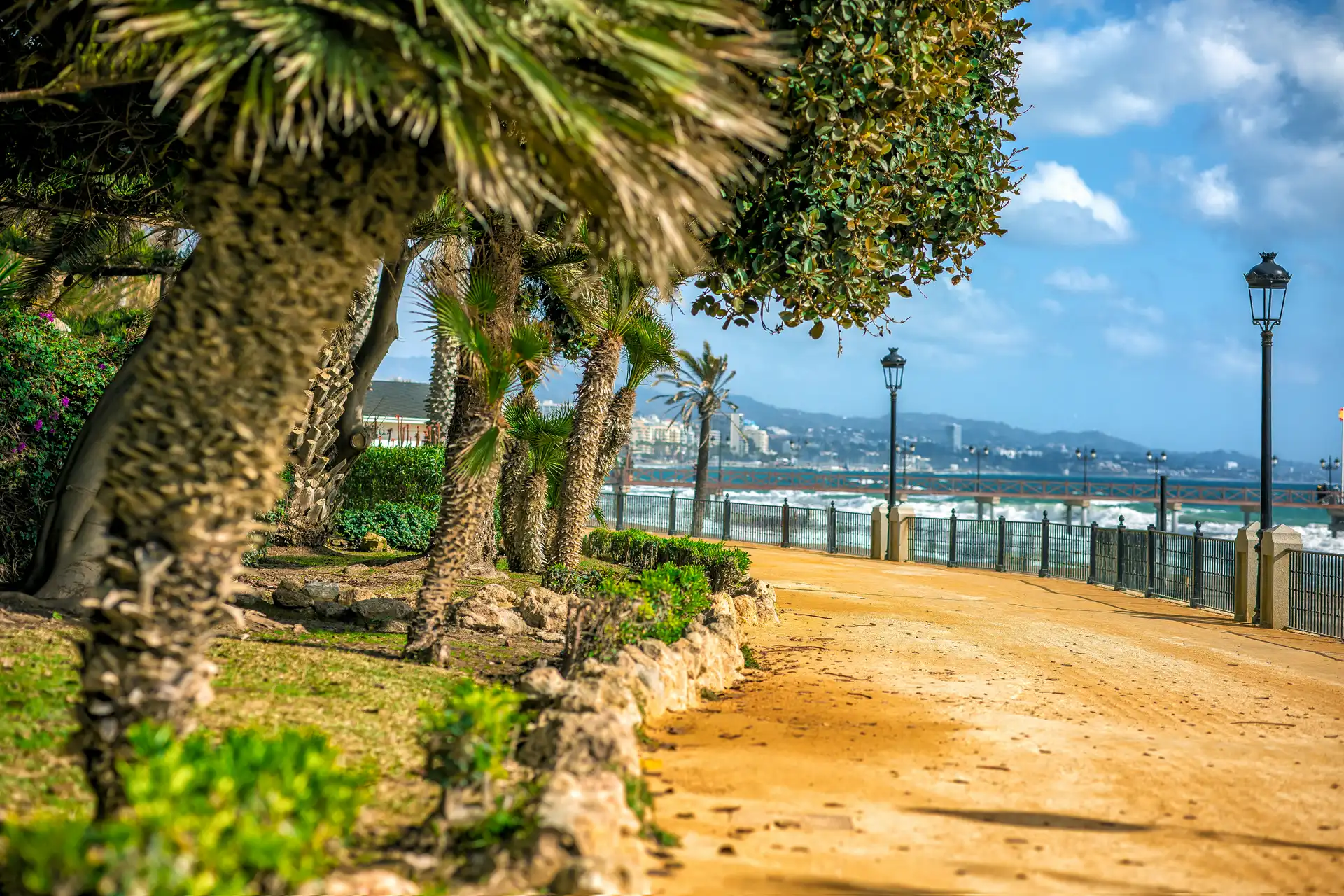
You’re wondering how to bring that exclusive, Marbella vibe into your own home, or perhaps you’re looking for the right professionals to help you create it. It’s a great question, and the short answer is: it’s absolutely achievable, and working with interior designers in Marbella is often the most effective way to get there. They understand the nuances of Mediterranean luxury, the light, the lifestyle, and the materials that give these spaces their unique appeal.
But it’s more than just picking a few expensive items. Creating a truly luxurious space is about envisioning a lifestyle and translating it into tangible design elements. It’s about flow, comfort, aesthetics, and a sense of effortless sophistication. Whether you’re aiming for a sleek modern villa or a timeless Andalusian finca, there are key principles and practical considerations that designers leverage to achieve that coveted Marbella feel.
Understanding the Marbella Aesthetic
Before diving into the specifics of working with designers, it’s worth unpacking what we mean by the “Marbella aesthetic.” It’s not a monolithic style; rather, it’s a blend of influences reflecting the region’s history, climate, and cosmopolitan appeal.
The Mediterranean Base
At its core, Marbella’s luxury is rooted in its Mediterranean setting. This means:
- Natural Light: Maximizing sunlight is paramount. Think large windows, open-plan layouts, and light-reflective surfaces. The goal is to blur the lines between indoor and outdoor living.
- Indoor-Outdoor Flow: Terraces, patios, and gardens are not afterthoughts; they are extensions of the living space. Materials and finishes often transition seamlessly from inside to out.
- Cool, Calming Palettes: Crisp whites, soft beiges, sandy tones, and muted blues dominate, creating a sense of tranquility and reflecting the sea and sky. pops of vibrant Mediterranean colours like terracotta, ochre, or fuchsia might be used as accents, but the overall feel is serene.
Influences Shaping the Look
Marbella is an international hub, and its design reflects this:
- Contemporary Sleekness: Modern, minimalist designs are prevalent in newer developments, featuring clean lines, high-quality finishes, and integrated technology.
- Classic Andalusian Charm: For those who prefer a more traditional feel, there’s inspiration from historic fincas, think beamed ceilings, wrought iron details, and rustic textures.
- Bohemian Touches: An aspirational, relaxed luxury often incorporates bohemian elements like natural fibers, artisanal crafts, and lush greenery.
The Role of Interior Designers in Marbella
So, how do interior designers actually bring this vision to life? They’re more than just decorators; they’re problem-solvers, project managers, and style arbiters.
Beyond Picking Furniture
Their expertise extends to:
- Space Planning: Optimizing the layout for functionality and flow is crucial. This might involve reconfiguring walls, creating new vistas, or ensuring every inch serves a purpose.
- Material Selection: They have an intimate knowledge of high-quality, durable, and aesthetically pleasing materials suitable for the coastal climate, from natural stone and exquisite woods to performance fabrics.
- Lighting Design: This is a critical, often overlooked aspect. Designers create layered lighting schemes that enhance mood, highlight architectural features, and ensure practical usability.
- Sourcing and Procurement: They have established relationships with a vast network of suppliers, manufacturers, and artisans, allowing them to source unique pieces and often secure better pricing.
- Project Management: From initial concept to final installation, they manage the entire process, coordinating with contractors, architects, and artisans, saving you time, stress, and costly mistakes.
Tailoring to Your Lifestyle
Luxury is personal. A designer’s key skill is understanding your definition of luxury:
- Understanding Your Needs: Are you hosting large gatherings? Do you need dedicated quiet spaces? What are your daily routines? These questions inform every design decision.
- Reflecting Your Personality: While a designer brings expertise, the space still needs to feel like you. They translate your preferences into a cohesive and authentic design.
- Ensuring Longevity: A truly luxurious space isn’t just about trends; it’s about timeless quality and a design that evolves with you.
Key Elements of Marbella Luxury Design
Let’s get granular. What are the specific elements that scream “Marbella luxury”?
Materials and Finishes That Tell a Story
The selection of materials is where true luxury often resides. It’s not just about the price tag, but the tactile quality, the origin, and how they age.
- Natural Stone: Think cool marble underfoot, rough-hewn travertine for feature walls, or elegant granite for countertops. The texture and veining add depth and sophistication.
- Exquisite Woods: From rich walnut for cabinetry to bleached oak for flooring, natural wood brings warmth and timeless elegance. Consider custom-made pieces for a truly bespoke feel.
- High-Quality Textiles: Think linen drapery that catches the breeze, plush velvet for accent chairs, or performance fabrics that are both beautiful and practical for a busy lifestyle.
- Metals and Accents: Brushed brass, polished nickel, or matte black hardware can add subtle but impactful pops of luxury. Think about custom metalwork for stair railings or decorative screens.
The Art of Natural Light and Illumination
How light plays in a space is fundamental to its perceived luxury.
- Maximizing Natural Light: Large windows, skylights, and strategically placed mirrors are essential. Designers will ensure that furniture placement doesn’t block natural light pathways.
- Layered Artificial Lighting: This involves a mix of ambient (general illumination), task (for specific activities), and accent (to highlight features) lighting.
- Ambient Lighting: Recessed ceiling lights with dimmers, elegant floor lamps casting soft glows.
- Task Lighting: Under-cabinet lighting in kitchens, beautiful pendant lights over dining tables.
- Accent Lighting: Spotlights for artwork, uplighting for plants, or decorative wall sconces.
- Smart Home Integration: Modern luxury often incorporates intelligent lighting systems that can be controlled remotely or programmed to suit different moods and times of day.
Creating Seamless Indoor-Outdoor Transitions
This is perhaps the most defining characteristic of Marbella living.
Blurring the Boundaries
The goal is to make your terraces and gardens feel like an extension of your interior, and vice-versa.
- Large Sliding Doors: Floor-to-ceiling sliding glass doors are key. When opened, they completely dissolve the wall between your living area and your outdoor space.
- Consistent Flooring: Using the same or similar flooring materials both inside and on the terrace creates a sense of continuity. Polished concrete, natural stone tiles, or high-quality outdoor-rated wood are good options.
- Integrated Outdoor Kitchens and Lounges: Designers can help plan fully equipped outdoor kitchens with barbecue facilities, sinks, and refrigeration, along with comfortable seating areas that rival indoor living rooms.
- Architectural Elements: Incorporating pergolas, open-air fireplaces, or water features can further enhance the outdoor living experience.
Landscaping as an Extension of Design
The garden isn’t just plants; it’s another room.
- Lush Greenery: Abundant, well-maintained planting is crucial. Think mature trees, colourful bougainvillea, fragrant jasmine, and lush lawns.
- Water Features: The gentle sound of a fountain or the shimmer of a pool adds a calming and luxurious ambiance.
- Comfortable Outdoor Furniture: Investing in high-quality, comfortable outdoor furniture that complements your interior style is essential for maximizing usability.
The Psychology of Color and Texture
These elements influence mood and perception of quality.
Palettes That Embrace Serenity
The typical Marbella palette is designed to be soothing and sophisticated.
- Dominant Neutrals: Whites, creams, sand tones, and soft greys form the foundation. These colours reflect light beautifully and create a spacious feel.
- Ocean and Sky Blues: Muted blues, from soft powder blue to richer navy, evoke the Mediterranean Sea and sky, adding a touch of calm.
- Earth Tones: Terracotta, ochre, and warm browns can add warmth and grounding, especially when referencing Andalusian traditions.
- Strategic Accent Colours: Vibrant pops of colour are used sparingly for impact. Think a statement cushion in fuchsia, a bold piece of art, or a vibrant mosaic tile.
The Tactile Dimension
Luxury is also felt. Texture adds depth and interest.
- Varied Surfaces: Play with smooth, polished surfaces against rough, natural textures. A sleek marble countertop juxtaposed with a textured linen sofa, for instance.
- Natural Fibers: Introduce woven rattan, sisal rugs, or chunky knit throws for a touch of organic luxury and comfort.
- Upholstery Choices: Different fabrics offer different tactile experiences, the cool smoothness of silk, the plushness of velvet, or the breathable feel of linen.
Working with Interior Designers in Marbella: A Practical Guide
So, you’re ready to enlist professional help. Here’s what you can expect and how to make the process smooth.
Finding the Right Fit
Not all designers are created equal, and finding one whose style aligns with yours is key.
- Portfolio Review: Look at their past projects. Do they showcase the kind of aesthetic you’re aiming for? Are the spaces cohesive and well-executed?
- Consultation: Most designers offer an initial consultation. Use this to gauge their personality, communication style, and understanding of your vision. Ask questions about their process.
- References and Testimonials: Speak to previous clients if possible, or read online reviews.
The Design Process Unveiled
Understanding the typical steps involved can demystify the experience.
- Initial Briefing: This is where you discuss your needs, budget, style preferences, and lifestyle. The designer will ask a lot of questions to get a comprehensive understanding.
- Concept Development: The designer will present mood boards, initial sketches, and colour palettes to establish the overall direction. This is your opportunity to provide feedback.
- Space Planning and Layouts: Detailed floor plans will be developed, showing furniture placement, room flow, and architectural modifications if any.
- Material and Finishes Selection: You’ll work together to choose fabrics, paint colours, flooring, tiles, lighting, and all decorative elements.
- Procurement and Project Management: The designer will source all items, manage orders, and oversee any construction or renovation work, liaising with contractors.
- Installation and Styling: This is the exciting part where everything comes together. The designer will oversee the installation of furniture, artwork, and accessories to complete the look.
Budgeting for Luxury
Luxury doesn’t always mean exorbitant expense, but it does mean quality.
- Be Transparent: Discuss your budget openly and honestly with your designer from the outset. They can help you allocate funds effectively and suggest solutions that fit your financial parameters without compromising quality.
- Quality Over Quantity: Investing in fewer, high-quality pieces will often yield a more luxurious and durable result in the long run than many cheaper items.
- Phased Approach: If your budget is tight, discuss with your designer the possibility of phasing the project over time. This allows you to prioritize key elements and build your luxurious space gradually.
- Contingency Fund: It’s always wise to have a contingency fund (around 10-20%) for unexpected discoveries or changes during the project.
By understanding the core principles of Marbella design, the invaluable role of interior designers, and the practicalities of the process, you can embark on a journey to create your own slice of Mediterranean luxury. It’s about more than just aesthetics; it’s about crafting spaces that enhance your lifestyle and bring a sense of sophisticated ease to everyday living.
FAQs
What is the role of an interior designer in Marbella?
Interior designers in Marbella are responsible for creating functional and aesthetically pleasing interior spaces. They work closely with clients to understand their needs and preferences, and then develop design concepts, select materials and furnishings, and oversee the implementation of the design.What qualifications do interior designers in Marbella have?
Interior designers in Marbella typically have a degree in interior design or a related field, as well as relevant work experience. They may also be certified by professional organizations such as the American Society of Interior Designers (ASID) or the International Interior Design Association (IIDA).What types of projects do interior designers in Marbella work on?
Interior designers in Marbella work on a wide range of projects, including residential homes, commercial spaces, hospitality venues, and luxury properties. They may be involved in new construction, renovations, or interior decorating projects.How do interior designers in Marbella collaborate with other professionals?
Interior designers in Marbella often collaborate with architects, contractors, and other professionals involved in the construction or renovation process. They work together to ensure that the design vision is executed properly and that the final result meets the client’s expectations.What are some popular interior design styles in Marbella?
In Marbella, interior designers often work with a range of design styles, including contemporary, Mediterranean, and minimalist. They may also incorporate elements of Andalusian or Moorish design to reflect the local culture and heritage.More from Architecture & Interior Design
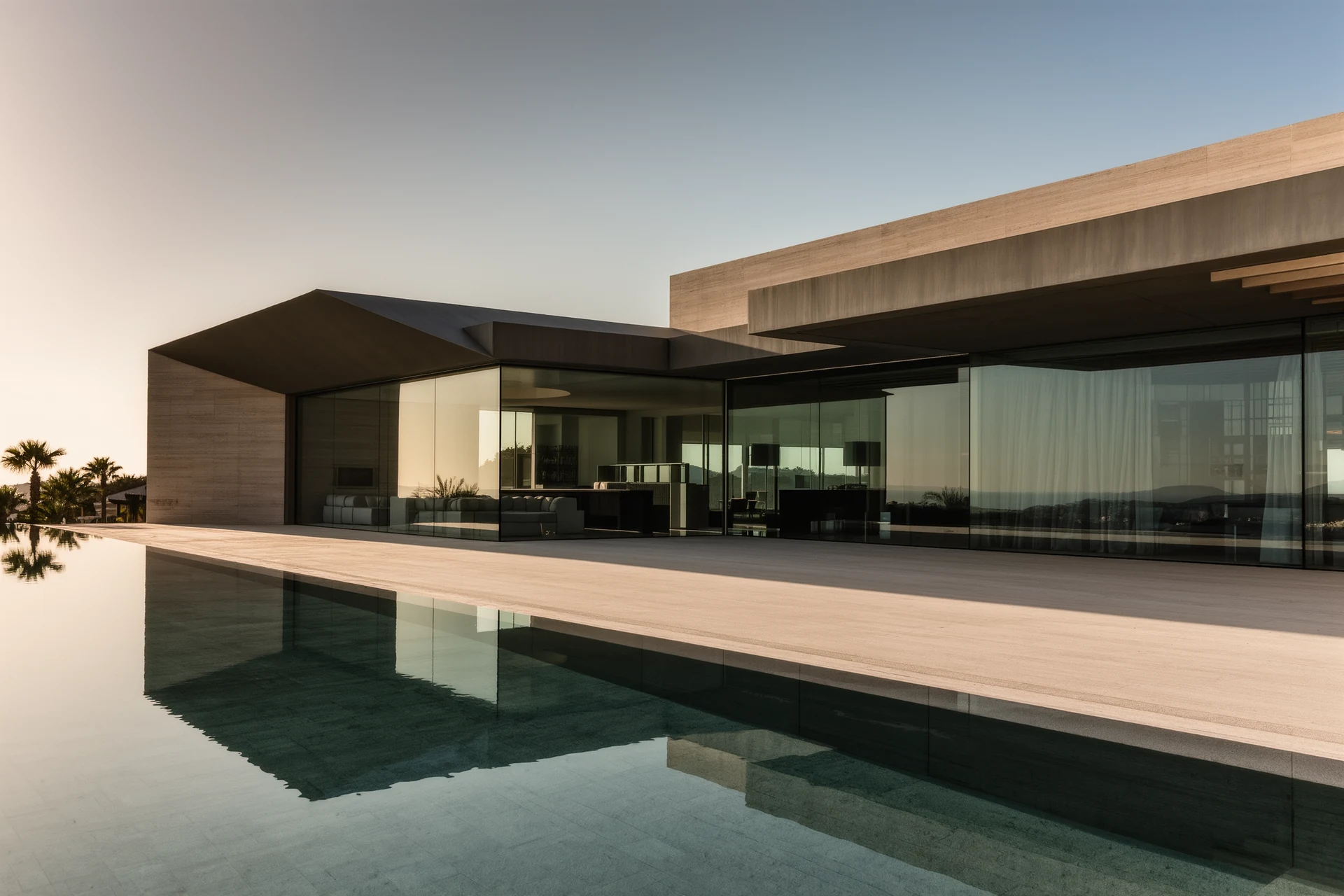
Architectural Digest Marbella: Luxury Living in Southern Spain
Marbella: A Taste of Luxury Living in Southern Spain Thinking about Marbella and wondering if it lives up to its luxury reputation? The short answer i…

Exquisite Luxury Villa Design in Spain
When it comes to exquisite luxury villa design in Spain, we’re talking about more than just big houses. It’s about blending stunning archi…
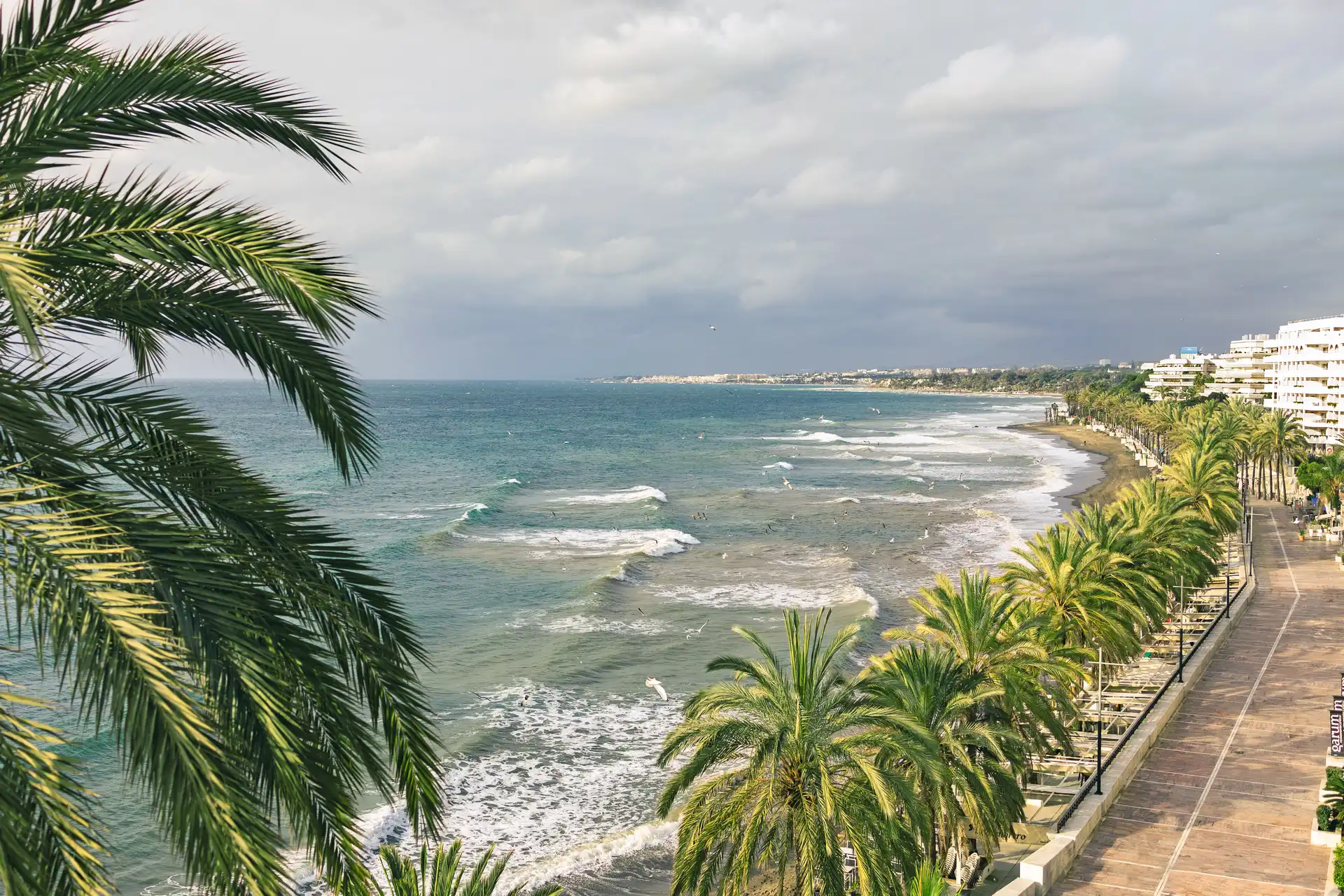
Coastal Chic: Interior Design Costa del Sol
Let’s dive into the world of Costa del Sol interior design. The ‘Coastal Chic’ style on the Costa del Sol isn’t ju…