Creating a Stunning Mediterranean Landscape
Dreaming of a Mediterranean escape right in your backyard? You’re in luck! Creating a stunning Mediterranean landscape is totally achievable and doesn’t require a passp…
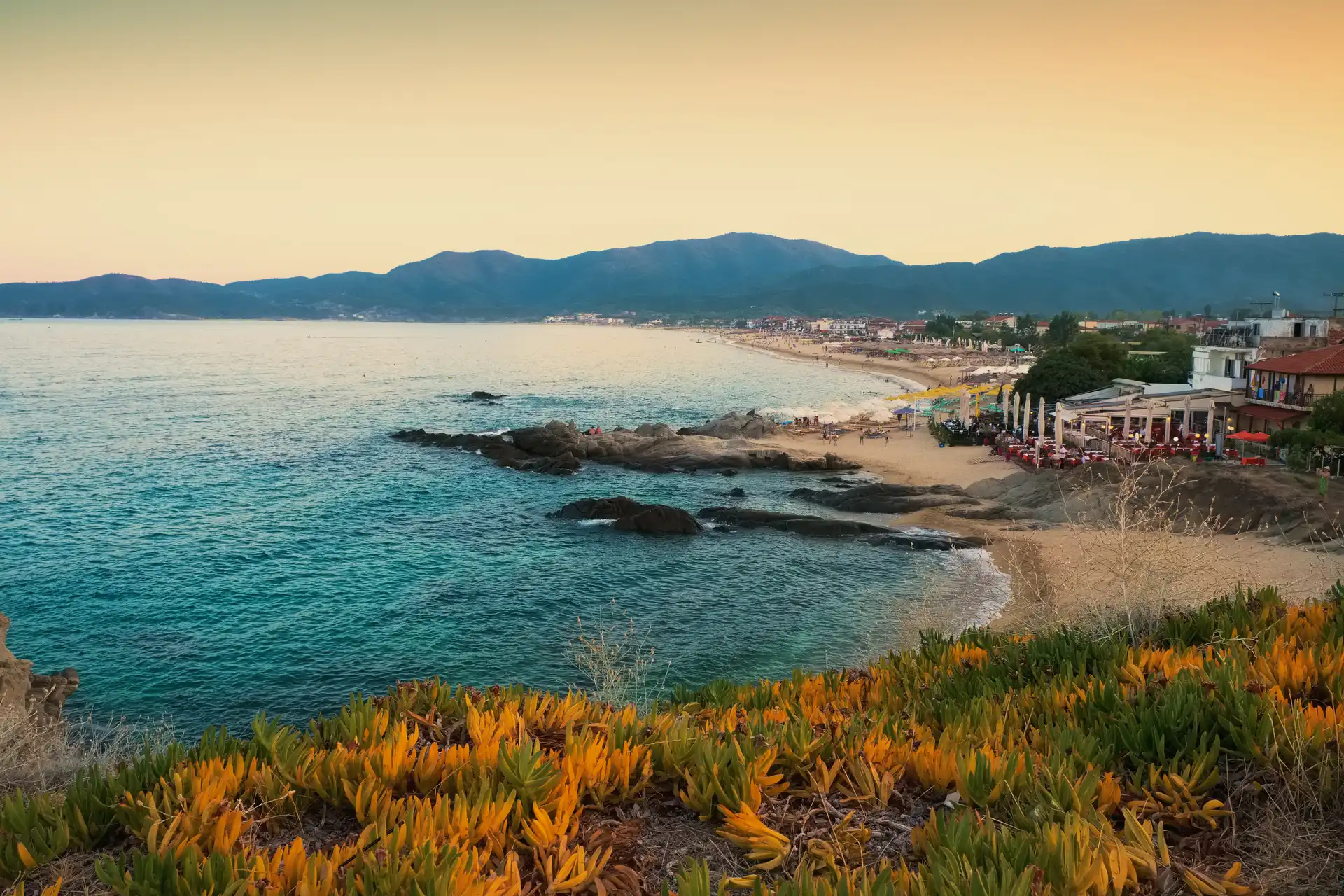
Dreaming of a Mediterranean escape right in your backyard? You’re in luck! Creating a stunning Mediterranean landscape is totally achievable and doesn’t require a passport. It’s all about capturing that relaxed, sun-drenched vibe using the right plants, materials, and design elements. Think of it as bringing the charm of coastal Italy, Greece, or Spain to your own slice of earth. We’ll walk through how to get that look, from choosing your core elements to adding those finishing touches that really make it sing.
The foundation of any Mediterranean garden lies in its flora. These plants are built for warmth, sunshine, and often, drier conditions. They bring scent, texture, and vibrant color that’s instantly recognizable.
Drought-Tolerant Stars
The Mediterranean climate is characterized by hot, dry summers. Luckily, many beautiful plants thrive in these conditions, meaning less watering for you and more resilience for your garden.
Lavender (Lavandula spp.)
- Why it works: This iconic plant is practically synonymous with the region. Its fragrant purple, blue, or pink flower spikes are a magnet for pollinators and bring a soothing scent to the air. It loves full sun and well-drained soil, making it a natural fit.
- Practical tips: Plant lavender in raised beds or on slopes if your soil tends to hold water. Prune after flowering to encourage bushy growth and prevent it from becoming leggy. Varieties like ‘Munstead’ and ‘Hidcote’ are reliable choices.
Rosemary (Salvia rosmarinus)
- Why it works: Beyond its culinary uses, rosemary offers glossy, evergreen foliage and small blue flowers. It’s incredibly hardy and tolerates drought and poor soil with ease. Its woody stems and upright or creeping forms add structural interest.
- Practical tips: Choose a sunny spot with excellent drainage. Rosemary can be pruned to maintain shape or even grown as a low hedge. Consider upright varieties for height or creeping varieties to spill over walls and containers.
Olive Trees (Olea europaea)
- Why it works: The quintessential Mediterranean tree. Even a small, container-grown olive tree can instantly evoke the region. Their silvery-green leaves and gnarled trunks have an ancient, dignified beauty. They are remarkably drought-tolerant once established.
- Practical tips: Olives need full sun and well-drained soil. In colder climates, consider planting them in pots so you can bring them indoors during winter. They don’t require heavy pruning, but occasional shaping helps maintain their form.
Drought-Tolerant Perennials
- Coneflower (Echinacea spp.): These hardy daisy-like flowers come in a range of colors and can withstand dry spells.
- Salvia spp. (Sage varieties): Many salvias, from culinary sage to ornamental varieties like Salvia leucantha (Mexican Bush Sage), are perfectly adapted to sunny, dry conditions and offer beautiful blooms and foliage.
- Sedum (Stonecrop): Succulent-like leaves store water, and their late-summer blooms provide color and attract beneficial insects.
Fragrant Foliage for Scent and Texture
The smells of the Mediterranean are as important as the sights. Incorporating plants with aromatic leaves enhances the sensory experience.
Scented Geraniums (Pelargonium spp.)
- Why it works: Available in a surprising array of scents, from rose and lemon to peppermint and apple, these plants offer more than just pretty flowers. Their textured leaves release their fragrance when brushed against, adding a delightful layer to your garden.
- Practical tips: Plant them in pots or alongside pathways where you’re likely to brush past them. They prefer full sun to partial shade and well-drained soil. Many are treated as annuals in cooler climates but can be overwintered indoors.
Thyme (Thymus spp.)
- Why it works: A low-growing, spreading herb that carpets the ground with its tiny, fragrant leaves. It’s perfect for filling gaps between pavers or spilling over the edges of containers. Its delicate flowers also add charm.
- Practical tips: Thyme needs full sun and is very forgiving of poor soil. Avoid overwatering. Different varieties offer variations in scent and growth habit.
Greek Oregano (Origanum vulgare hirtum)
- Why it works: A culinary staple, Greek oregano is also a beautiful ornamental plant with clusters of small white flowers that attract pollinators. Its potent aroma is released as you walk by.
- Practical tips: Plant in a sunny, well-drained location. It tends to spread, so give it a little room. It’s tough and low-maintenance.
Ornamental Grasses for Movement and Texture
Grasses are essential for adding a natural, flowing feel to a Mediterranean garden, mimicking the wind-swept plains and hillsides.
Fountain Grass (Pennisetum spp.)
- Why it works: Varieties like Pennisetum alopecuroides offer graceful, arching foliage and feathery plumes that catch the light and sway in the breeze. They provide year-round interest with their elegant structure.
- Practical tips: They prefer full sun and well-drained soil. Cut them back in late winter or early spring to make way for new growth.
Stipa (Feather Grass)
- Why it works: Known for its delicate, airy, and often silvery or straw-colored foliage and wispy flower panicles. Stipa grasses add a touch of wild beauty and movement.
- Practical tips: Choose a sunny spot with excellent drainage. These grasses are very drought-tolerant.
Blue Fescue (Festuca glauca)
- Why it works: This small, clumping grass offers striking, icy-blue foliage that provides a cool contrast among warmer colors. It’s perfect for edging or mass planting.
- Practical tips: Needs full sun and well-drained soil. It’s a low-maintenance option.
The Allure of the Hardscape: Materials and Features
A true Mediterranean feel goes beyond just the plants. The hardscape, the non-living elements like paths, walls, and patios, plays a crucial role in shaping the aesthetic and functionality.
Terracotta and Stone: The Building Blocks
These materials have a timeless quality that’s deeply rooted in Mediterranean architecture.
Terracotta Pots and Planters
- Why it works: Nothing screams Mediterranean quite like terracotta. The warm, earthy tones and porous nature of these pots are perfect for housing drought-tolerant plants like succulents, herbs, and small citrus trees. They age beautifully, developing a patina over time.
- Practical tips: Group pots of varying sizes together for a more dynamic display. Ensure they have drainage holes. Consider frost-resistant terracotta if you live in an area with harsh winters.
Stone Patios and Pathways
- Why it works: Cobblestones, gravel, flagstone, or even crushed limestone create that rustic, laid-back feel. These materials are durable, permeable (allowing water to drain), and blend seamlessly with the natural environment.
- Practical tips: Consider using natural stone for a more authentic look. For pathways, gravel is an economical and permeable option, but it can shift. Laying down landscape fabric underneath can help control weeds. For a more formal look, consider neatly laid flagstones.
Rendered Walls
- Why it works: Walls rendered in earthy tones, creams, ochres, terracottas, evoke Mediterranean villas. These can be used to define garden spaces, create privacy, or support climbing plants.
- Practical tips: Lime render is traditional and breathable, allowing moisture to escape. Consider textured finishes for added character.
Water Features for Serenity
The sound and sight of water bring a sense of calm and coolness, especially in hot climates.
Small Fountains and Bird Baths
- Why it works: A simple, trickling fountain or a classic stone bird bath adds a focal point and a soothing auditory element. The movement of water is also inviting to wildlife.
- Practical tips: Opt for self-contained units if a plumbed system is too complex. Ensure the water is kept clean, especially in bird baths. Solar-powered fountains are also an easy option.
Reflecting Pools
- Why it works: A simple, shallow pool of water can reflect the sky and surrounding planting, adding depth and tranquility.
- Practical tips: Keep them clean and consider aquatic plants if desired. Safety is paramount, especially if you have children or pets.
Pergolas and Arbors: Adding Verticality and Shade
These structures are not just functional; they add architectural interest and create intimate outdoor rooms.
Wooden Pergolas
- Why it works: Constructed from wood, often with a weathered or natural finish, pergolas provide dappled shade when covered with climbing plants. They are ideal for creating outdoor dining areas or tranquil seating spots.
- Practical tips: Choose durable timber like cedar or pressure-treated pine. Consider incorporating climbing plants like wisteria, jasmine, or grapes for fragrance and visual appeal.
Arbors
- Why it works: Smaller than pergolas, arbors are often used as entrances to garden areas or pathways, framing a view and enhancing the sense of discovery.
- Practical tips: Can be made from wood, metal, or even stone. They are excellent for growing climbing roses or clematis.
Bringing in the Blue and White: Color Palette and Accents
The iconic blue and white color scheme is a hallmark of many Mediterranean coastal regions. It’s fresh, clean, and instantly recognizable.
Ceramic Touches
- Why it works: Cobalt blue and crisp white are striking when used in ceramics. Think hand-painted tiles, decorative vases, or glazed planters. These pops of color can be strategically placed to draw the eye and add personality.
- Practical tips: Use these accents sparingly to avoid overwhelming the natural feel. A few well-chosen pieces can have a significant impact. Consider mosaic details on pathways or fountains.
Floral Complements
- Why it works: While lavender, rosemary, and bougainvillea (often in vibrant pinks or reds) are key, incorporating flowers with blue and white hues reinforces the theme.
- Practical tips:
- Blue: Consider hydrangeas (in acidic soil), delphiniums, or blue vervain.
- White: Jasmine, white roses, gardenias, or white hydrangeas offer fragrance and bright contrast.
Architectural Details
- Why it works: White-painted window frames, doors, or even simple picket fences contribute to the classic Mediterranean villa aesthetic.
- Practical tips: If repainting existing elements, choose durable exterior paints in a crisp white or soft off-white.
Creating Zones: Defining Your Outdoor Spaces
Just like in a Mediterranean villa, your garden can be broken down into different areas, each with its own purpose and feel. This makes the space more functional and inviting.
The Dining Terrace
- Why it works: A paved area with a table and chairs, often shaded by a pergola or a large tree. This is your outdoor room for al fresco meals.
- Practical tips: Use durable, easy-to-clean materials for the patio. Consider overhead lighting for evening ambiance. Grouping large terracotta pots around the edges can define the space.
The Herb Garden Nook
- Why it works: A dedicated spot for culinary herbs, perhaps near the kitchen entrance. This is practical, fragrant, and beautiful.
- Practical tips: Plant herbs in raised beds or containers to ensure good drainage. Mix herbs with a few flowering companions like marigolds or borage for added color. Label your herbs if they have similar appearances.
The Quiet Retreat
- Why it works: A secluded bench under a tree or in a corner, surrounded by fragrant plants, creating a peaceful escape.
- Practical tips: Use gravel or stepping stones to create a subtle path leading to this spot. Incorporate plants with soft foliage and soothing scents like lavender or lamb’s ear.
The Mediterranean Drive/Parking Area
- Why it works: Even utilitarian areas can adopt the Mediterranean style.
- Practical tips: Opt for permeable paving materials like gravel or pavers with ample gaps for planting. Edge the area with drought-tolerant plants and perhaps a few olive trees in large pots. Avoid extensive manicured lawns, which are out of place in this style.
Lighting and Ambiance: Extending the Day
Good lighting transforms your garden into an enchanting space in the evening, allowing you to enjoy it long after the sun sets.
String Lights and Lanterns
- Why it works: Overhead string lights, especially bare Edison bulbs, cast a warm, festive glow over patios and seating areas. Hanging lanterns add a touch of romantic charm.
- Practical tips: Use outdoor-rated string lights. Consider solar-powered options for easier installation. Drape them through pergolas, trees, or along fences.
Uplighting and Spotlighting
- Why it works: Strategically placed lights can highlight focal points like a specimen tree, a sculpture, or a beautiful wall. Uplighting architectural features can create dramatic shadows.
- Practical tips: Low-voltage landscape lighting is a safe and energy-efficient option. Focus on highlighting key elements rather than flooding the entire garden with light, which can feel harsh.
Path Lighting
- Why it works: Low-level path lights help guide visitors safely through the garden after dark, while also adding definition and ambiance.
- Practical tips: Ensure they are functional and provide enough visibility without being overly bright. Consider fixtures that emit a warm, downward-facing light.
Final Touches: The Little Things That Make a Big Difference
It’s often the small details that elevate a garden from nice to stunning. These are the elements that truly capture the spirit of the Mediterranean.
Outdoor Furniture
- Why it works: Choose furniture that complements the rustic, relaxed feel. Think wrought iron, weathered wood, or woven materials. Comfortable seating is key.
- Practical tips: Consider seating benches integrated into garden walls or placed beneath a flowering tree. Outdoor cushions in natural colors or with subtle patterns add comfort and style.
Sculptural Elements
- Why it works: A weathered stone statue, a terracotta urn filled with cascading flowers, or even a collection of interesting driftwood can add personality and a sense of timelessness.
- Practical tips: Don’t overdo it; one or two well-placed pieces are often more impactful than many. Consider items that have a natural patina or feel as if they’ve been there for a while.
Gravel and Stepping Stones
- Why it works: Using gravel for pathways and seating areas creates a natural, permeable surface that feels authentically Mediterranean. Stepping stones can guide the way through planted areas without disrupting the flow.
- Practical tips: Decomposed granite or pea gravel are popular choices. For longevity and weed control, consider laying down landscape fabric beneath the gravel.
Climbing Plants on Walls
- Why it works: Letting jasmine, bougainvillea, or climbing roses scramble up walls softens the architecture and adds color and fragrance.
- Practical tips: Ensure walls are sound before encouraging growth. Use discreet supports to guide them. Be mindful of plants that might damage render or stonework over time.
Creating a stunning Mediterranean landscape is a journey of thoughtful plant selection, smart material choices, and a focus on creating an atmosphere of relaxed charm. By embracing the sun-loving nature of the plants, incorporating the earthy textures of stone and terracotta, and adding those essential touches of blue and white, you can bring the idyllic Mediterranean spirit right to your doorstep. It’s about creating a space that feels like an invitation to slow down, breathe in the fragrant air, and enjoy the simple beauty of the outdoors.
FAQs
What is Mediterranean landscaping design?
Mediterranean landscaping design is a style of landscaping that is inspired by the coastal regions of Southern Europe, particularly the Mediterranean. It typically features drought-resistant plants, natural stone, and earthy colors to create a relaxed and rustic atmosphere.What are some common elements of Mediterranean landscaping design?
Common elements of Mediterranean landscaping design include olive trees, lavender, rosemary, and other drought-tolerant plants. Additionally, natural stone pathways, terracotta pots, and water features such as fountains or small ponds are often incorporated into the design.What are the benefits of Mediterranean landscaping design?
Mediterranean landscaping design is known for its low maintenance requirements, as the plants used are typically drought-resistant and well-suited to the climate. Additionally, the design can create a tranquil and inviting outdoor space that is perfect for entertaining or relaxing.How can I incorporate Mediterranean landscaping design into my own yard?
To incorporate Mediterranean landscaping design into your yard, consider using drought-tolerant plants such as succulents, lavender, and olive trees. Use natural stone or gravel for pathways and incorporate terracotta pots and other Mediterranean-inspired decor.What are some tips for maintaining a Mediterranean landscape?
To maintain a Mediterranean landscape, it’s important to water plants deeply but infrequently to encourage deep root growth. Additionally, regular pruning and deadheading of plants will help to keep the landscape looking tidy. It’s also important to use a well-draining soil and to mulch around plants to retain moisture.More from Architecture & Interior Design
Architectural Digest Marbella: Luxury Living in Southern Spain
Marbella: A Taste of Luxury Living in Southern Spain Thinking about Marbella and wondering if it lives up to its luxury reputation? The short answer i…

Exquisite Luxury Villa Design in Spain
When it comes to exquisite luxury villa design in Spain, we’re talking about more than just big houses. It’s about blending stunning archi…
Coastal Chic: Interior Design Costa del Sol
Let’s dive into the world of Costa del Sol interior design. The ‘Coastal Chic’ style on the Costa del Sol isn’t ju…