Discover the Andalusian Lifestyle: A Complete Guide
So, you’re curious about the Andalusian lifestyle, eh? In a nutshell, it’s about a deeply rooted appreciation for living in the moment, savoring good food and company, and em…
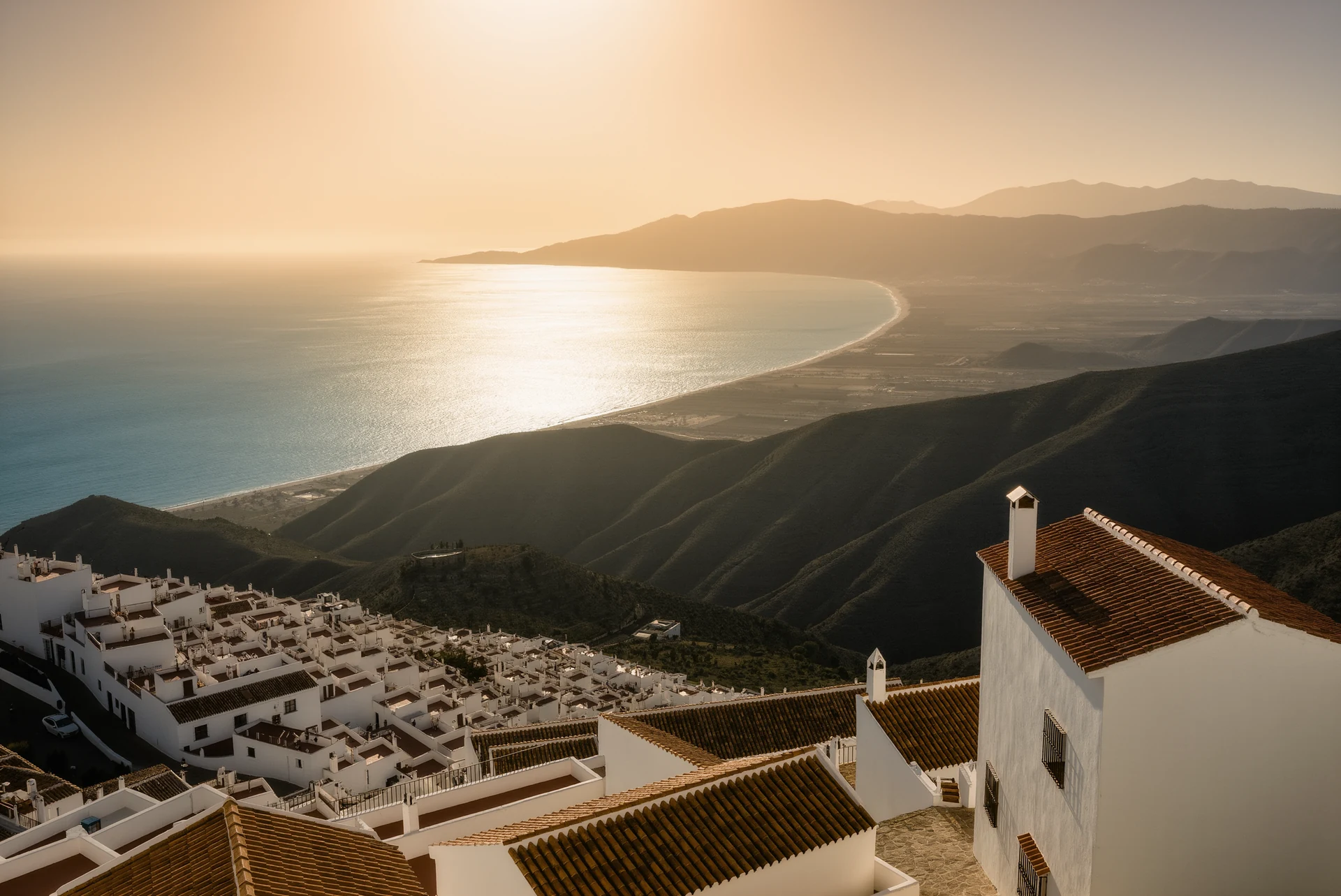
So, you’re curious about the Andalusian lifestyle, eh? In a nutshell, it’s about a deeply rooted appreciation for living in the moment, savoring good food and company, and embracing a vibrant cultural heritage that truly defines the region. It’s less about rushing and more about feeling well-connected to your community and surroundings. Think sunshine, flavourful food, and a genuine warmth from the people.
Andalusia isn’t just a geographical region in southern Spain; it’s a state of mind, a way of life forged over centuries of rich history and cultural intermingling. From its breathtaking landscapes to its soulful music, every aspect of Andalusia embodies a unique character that sets it apart. It’s a place where tradition isn’t just something to read about in books, but something you experience every single day, whether it’s in the taste of a specific dish or the rhythm of a local festival.
A Tapestry of History
Andalusia’s history is a major player in its present-day lifestyle. We’re talking Phoenicians, Romans, Visigoths, and most significantly, the Moors. For nearly 800 years, from the 8th to the 15th centuries, Islamic rule deeply influenced everything from architecture and agriculture to science and philosophy. This period, known as Al-Andalus, left an indelible mark, evident in the intricate designs of the Alhambra, the vibrant gardens of the Generalife, and even the very irrigation systems that still sustain the region’s fertile lands.
When the Catholic Monarchs retook the region, they didn’t erase everything; rather, they layered their own culture on top, creating a fascinating blend. This historical interplay led to a unique cultural synthesis, where Christian, Jewish, and Muslim influences converge to create something truly special. You see it in the Mudéjar art, the co-existence of different architectural styles, and the sheer depth of local customs. It’s a powerful reminder that cultures can borrow and build upon each other, creating something richer than the sum of their individual parts. This history isn’t just a backdrop; it’s a living, breathing part of the Andalusian fabric.
The Andalusian Climate: More Than Just Sunshine
It’s no secret that Andalusia boasts a fantastic climate, and this plays a huge role in how people live here. With over 300 days of sunshine a year in many areas, life naturally spills outdoors. This isn’t just about getting a tan; it’s about being able to enjoy plazas, terraces, and open-air events almost year-round. The long, hot summers definitely influence daily routines, leading to the famous siesta culture and later evening meals. But it’s not all blistering heat; the spring and autumn months are incredibly pleasant, perfect for exploring, hiking, and enjoying the natural beauty of the region.
The diverse geography, from the Sierra Nevada mountains to the Atlantic and Mediterranean coasts, also means a varied climate within the region. You can go skiing in the morning and be on the beach in the afternoon in some parts! This climate encourages a lifestyle focused on being outside, whether it’s for a morning coffee, an evening stroll, or a weekend hike. It also dictates what people eat and how they dress, with lighter fabrics and refreshing dishes being staples. It’s not just a nice bonus; the weather fundamentally shapes the rhythm of life.
Food, Glorious Food: The Heart of Social Life
Food in Andalusia is more than just sustenance; it’s a social event, a form of expression, and a cornerstone of family and community life. Meals are often long, leisurely affairs, meant to be shared and lingered over. Forget grabbing a quick bite; here, eating is about connection and enjoyment.
Tapas Culture: Small Bites, Big Experience
You simply cannot talk about Andalusian food without talking about tapas. This isn’t some tourist gimmick; it’s a genuine way of life. The concept is simple: small plates of food, often served with a drink, allowing you to sample a variety of dishes and socialize without committing to a full meal. Going for tapas, or “tapeando,” is a fundamental social activity. It’s about hopping from one bar to another, trying a specialty at each, and catching up with friends and family.
Each town and even each bar will have its own specialities. In Granada, many bars still offer a free tapa with each drink, a delightful tradition that makes an evening out both affordable and adventurous. You might find anything from a small plate of jamón to a mini stew, a skewer of grilled vegetables, or a fresh seafood salad. It’s a dynamic and interactive way to eat, encouraging conversation and exploration of local flavours. It truly embodies the communal spirit of the region.
The Mediterranean Diet, Andalusian Style
Andalusia embraces the Mediterranean diet wholeheartedly, but with its own regional twists. Olive oil is king here; it’s not just an ingredient but a key flavour. The region is one of the world’s largest producers of olive oil, and you’ll find it used generously in almost every dish, often drizzled over bread for breakfast, or as a base for stews and salads.
Fresh, local ingredients are paramount. Seafood from the coast, especially the Gulf of Cadiz, is incredibly popular, with dishes like fried fish (pescaíto frito) being a staple. The fertile plains yield an abundance of fresh vegetables, which are central to dishes like gazpacho (cold tomato soup) and salmorejo (a thicker, creamier version). Cured meats, particularly Jamón Ibérico, are also highly prized. Don’t forget the sherry wines from Jerez, which are often paired with specific tapas, enhancing the entire dining experience. It’s a diet rich in flavour, fresh produce, and heart-healthy oils, contributing to both enjoyment and well-being.
Fiesta and Flamenco: The Soul of Andalusia
Andalusians are known for their passion and their love of celebration. This isn’t a subdued affair; it’s vibrant, noisy, and often deeply emotional.
Flamenco: More Than Just a Dance
Flamenco is arguably the most famous cultural export of Andalusia, and it’s far more than just a dance. It’s an art form encompassing singing (cante), guitar playing (toque), and dancing (baile), often accompanied by hand-clapping (palmas) and finger-snapping (jaleo). It originates from the Romani people of Andalusia and draws on a mix of Andalusian, Romani, Byzantine, Sephardic, and Moorish influences.
Flamenco is raw, powerful, and deeply expressive. It tells stories of love, loss, joy, and sorrow. You’ll find it in dedicated tablaos, but also in more informal settings, sometimes even spontaneously in local bars or at family gatherings. Watching a live flamenco performance is an immersive experience that can be incredibly moving. It’s not just entertainment; it’s a window into the soul of Andalusia, a testament to its resilience and passionate spirit. Understanding flamenco helps you understand the emotional depth of the people.
Fiestas: A Reason to Celebrate
Andalusians love a good fiesta, and there are many throughout the year. These aren’t just one-off events; they are deeply ingrained in the local calendar and community life.
- Semana Santa (Holy Week): This is perhaps the most significant and spectacular celebration. Across Andalusia, but particularly in Seville and Málaga, elaborate processions featuring massive floats (pasos) carrying religious effigies wind through the streets, accompanied by penitents (nazarenos). The atmosphere is solemn yet incredibly moving, a blend of religious devotion and cultural spectacle. It’s an experience that really highlights historical traditions.
- Ferias (Fairs): Shortly after Semana Santa, the ferias begin. The most famous is the Feria de Abril in Seville, but almost every town has its own version. These are vibrant, colourful affairs with flamenco dancing, horse parades, sherry drinking, and casetas (private marquees) where friends and families gather to eat, drink, and socialize. They are joyous, boisterous, and a true embodiment of Andalusian conviviality. You’ll see incredible outfits, hear lively music, and witness people celebrating with pure abandon.
- Romarías: These are religious pilgrimages, often to a hermitage or shrine in the countryside, combining religious devotion with an outdoor festival. The Romería del Rocío in Huelva is by far the biggest and most famous, attracting hundreds of thousands of pilgrims on horseback, in adorned wagons, and on foot. It’s a fascinating blend of faith, tradition, and communal journey.
These fiestas are much more than just parties; they are vital expressions of community identity, where traditions are passed down, social bonds are strengthened, and the spirit of Andalusia comes alive. They offer a deep dive into the local way of life that you won’t get from guidebooks alone.
The Rhythm of Daily Life: Embracing “Tranquilidad”
If there’s one word that encapsulates a core aspect of the Andalusian lifestyle, it’s “tranquilidad”, a sense of calm, peace, and unhurriedness. This isn’t laziness; it’s a conscious choice to prioritize well-being and connection over constant rushing.
The Art of the Siesta
Yes, the siesta is still a thing, especially in the hotter months and in smaller towns. While not everyone takes a full two-hour nap, the midday break is very much ingrained. Shops often close in the early afternoon, reopening later in the evening. This tradition developed out of necessity in a hot climate; it’s a practical response to the midday sun, allowing people to rest and resume activities when it’s cooler.
More than just a nap, the siesta symbolizes a slower pace. It’s a recognition that life isn’t just about productivity; it’s also about rest, recharging, and spending quality time with family. It encourages a different rhythm, where the day is punctuated by breaks rather than a continuous grind. This definitely influences social interactions, with many main events happening later in the evening.
Later Evenings and Socializing
The Andalusian day often stretches later than in many other cultures. Lunch, typically the main meal of the day, is usually around 2 PM or 3 PM. Dinner might not happen until 9 PM or even 10 PM. This later schedule means evenings are vibrant and active. Plazas and streets come alive as people emerge after the heat of the day to socialize, stroll (el paseo), and enjoy the cooler air.
This late schedule supports a very strong social life. Friends and family gather in bars, on terraces, or simply out in the streets. Children often play outside until late, and there’s a general sense of community and shared experience. It’s about being present and connecting with those around you, rather than retreating indoors. This really is a defining feature of the lifestyle.
Connecting with Nature: From Mountains to Coast
Andalusia’s diverse geography isn’t just picturesque; it actively shapes the lifestyle, encouraging a deep connection to the natural world around it. Whether you prefer the mountains or the sea, there’s always an opportunity to step outdoors.
Coastal Charms
With hundreds of kilometres of coastline along both the Mediterranean Sea (Costa del Sol, Costa Tropical, Costa de Almería) and the Atlantic Ocean (Costa de la Luz), beach life is a significant part of the Andalusian lifestyle for many. It’s not just about sunbathing; it’s about enjoying fresh seafood, walking along promenades, and engaging in water sports.
The “chiringuitos” (beach bars) are iconic, serving up fresh fish and refreshing drinks right on the sand. Family beach trips are a common weekend activity, offering a break from daily routines and a chance to cool off. The Atlantic coast, with its wilder beaches and stronger winds, is particularly popular for surfing and kite-surfing, offering a different vibe to the calmer Mediterranean waters. It’s a huge pull for both residents and visitors, offering a constant escape.
Mountainous Majesty
Move inland, and you find a rugged, beautiful landscape dominated by mountain ranges like the Sierra Nevada, Sierra de Grazalema, and the Alpujarras. These areas offer a completely different experience. Hiking, trekking, and mountain biking are popular activities, allowing people to explore traditional white villages (pueblos blancos), ancient forests, and stunning vistas.
In the winter, the Sierra Nevada boasts Europe’s southernmost ski resort, offering the unique opportunity to ski with views of the Mediterranean Sea. The mountainous regions also provide a cooler escape during the scorching summer months. This duality, the proximity of both high mountains and warm beaches, is a rare gift and allows for a varied and active outdoor lifestyle throughout the year, depending on your preference and the season. It fosters an appreciation for the natural splendor that surrounds them.
FAQs
What is Andalusian lifestyle?
Andalusian lifestyle refers to the way of life, customs, traditions, and cultural practices of the people living in the Andalusia region of Spain. It encompasses aspects such as food, music, dance, festivals, and social interactions.What are some traditional Andalusian dishes?
Some traditional Andalusian dishes include gazpacho (cold tomato soup), salmorejo (thick tomato and bread soup), pescaíto frito (fried fish), and paella. Andalusian cuisine is known for its use of fresh, local ingredients and bold flavors.What are popular cultural events in Andalusia?
Some popular cultural events in Andalusia include the Feria de Abril in Seville, the Semana Santa (Holy Week) processions, and the Flamenco Festival in Jerez de la Frontera. These events showcase the region’s rich cultural heritage and traditions.What is the traditional music and dance of Andalusia?
Flamenco is the traditional music and dance of Andalusia. It is characterized by its passionate and expressive style, incorporating elements of singing, guitar playing, dance, and handclaps. Flamenco is an integral part of Andalusian culture.What are some common leisure activities in Andalusia?
Common leisure activities in Andalusia include visiting the beach, hiking in the Sierra Nevada mountains, exploring historic cities and towns, and enjoying outdoor dining and socializing. The region’s diverse landscapes and rich history offer a wide range of leisure options for residents and visitors alike.More from Mediterranean Lifestyle
Costa del Sol Family Guide
Costa del Sol family guide: the best towns, international schools, healthcare, childcare costs, kids’ attractions and rainy-day ideas for famili…
Costa del Sol Living Guide 2026
Costa del Sol Living Guide 2026: zones, cost of living, healthcare, schools, visas and property prices from Marbella to Nerja for your move to souther…
Top 5 Best Places to Live on the Costa del Sol
Thinking about making the move to the Costa del Sol? Smart choice! It’s a fantastic part of Spain with a lot to offer. But with so many beautifu…