Discover Malaga: Your Essential Travel Guide
So, you’re thinking about heading to Malaga? Great choice! This sunny spot on Spain’s Costa del Sol has a history stretching back thousands of years, a vibrant modern p…
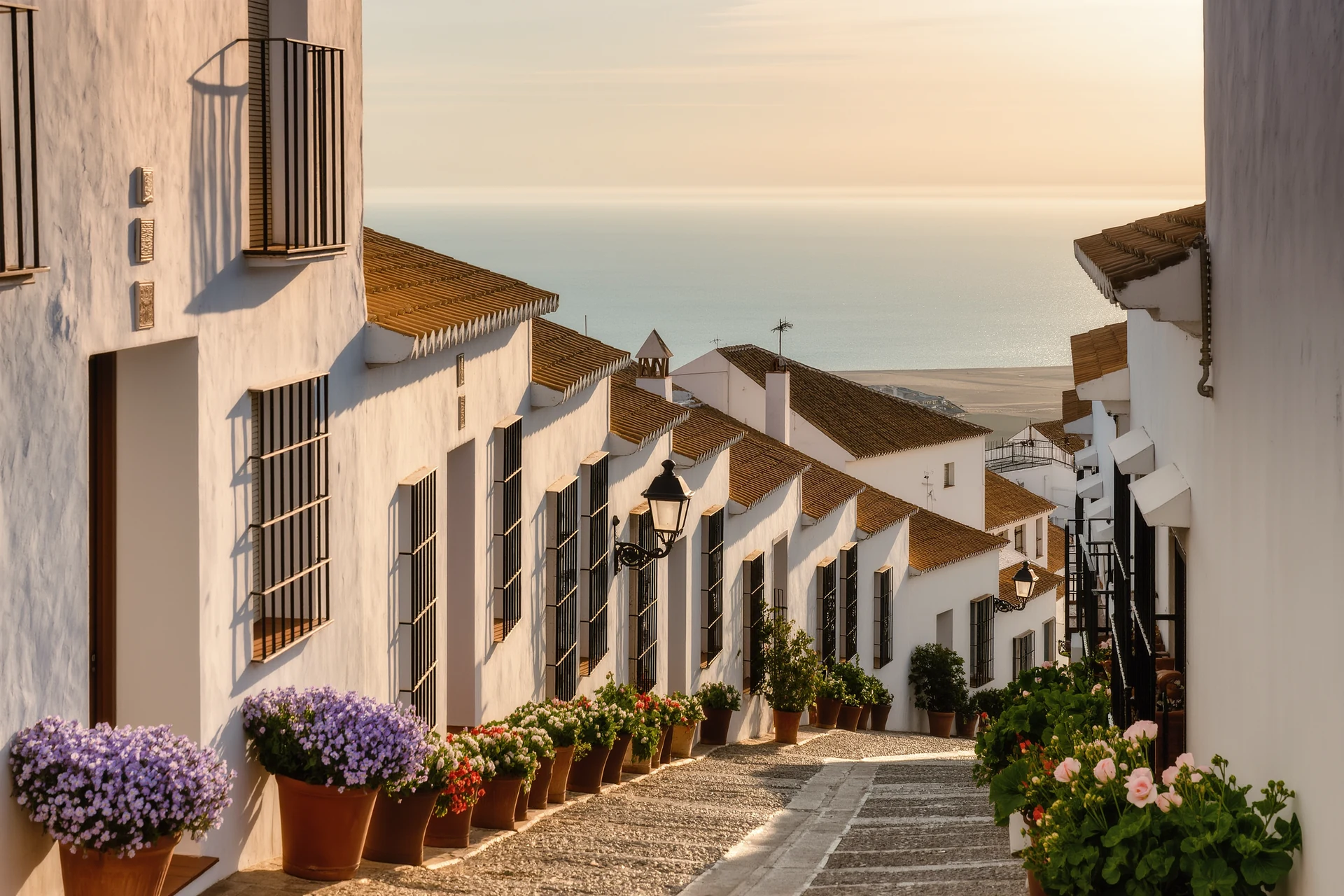
So, you’re thinking about heading to Malaga? Great choice! This sunny spot on Spain’s Costa del Sol has a history stretching back thousands of years, a vibrant modern pulse, and a surprisingly deep cultural scene. If you’re wondering what makes Malaga worth your time and what you absolutely shouldn’t miss, the short answer is: it’s a genuinely charming city that blends ancient roots with a contemporary, laid-back vibe, offering a fantastic mix of art, history, delicious food, and beautiful beaches without the overwhelming crowds of some of its neighbors.
Getting Your Bearings: Where to Base Yourself
Malaga isn’t a sprawling metropolis; it’s wonderfully walkable, especially the historic center. Figuring out where to stay can really shape your experience, so let’s break down a few popular areas.
The Historic Center (Centro Histórico)
This is where it all happens, and for good reason. You’re right in the thick of things, surrounded by centuries of history.
Must-Do’s in the Centro
- Meander through the cobbled streets: Just wandering is an activity here. You’ll stumble upon hidden plazas, charming cafes, and independent boutiques. Don’t be afraid to get a little lost, that’s part of the fun.
- Visit the Cathedral: Known affectionately as “La Manquita” (the one-handed lady) because one of its towers was never finished, it’s an impressive Renaissance masterpiece.
- Explore the Alcazaba and Gibralfaro Castle: These Moorish fortifications offer a glimpse into Malaga’s past and, crucially, provide some of the best panoramic views of the city and the Mediterranean. Hike up to the castle for the full experience.
- Picasso’s Birthplace: Malaga is where Pablo Picasso was born, and you can visit the house where he spent his early years. It’s a humble but significant spot for art lovers.
- Mercado Central de Atarazanas: This bustling market is a feast for the senses. Fresh produce, seafood, local delicacies, it’s the perfect place to grab a bite or pick up some edible souvenirs.
Vibes and Practicalities
Staying in the Centro means you’re a stone’s throw from most major attractions, countless tapas bars, and restaurants. It can also be a bit livelier at night, which is great if you enjoy being in the heart of the action. Accommodation ranges from boutique hotels to apartments.
The Port Area (Muelle Uno & Palmeral de las Sorpresas)
This is the modern face of Malaga, a sleek and stylish waterfront development that has injected a new energy into the city.
What to Expect
- Muelle Uno: This is a vibrant promenade lined with shops, restaurants, bars, and great sea views. It’s a popular spot for locals and tourists alike to stroll, dine, or just soak up the atmosphere.
- Palmeral de las Sorpresas: Adjacent to Muelle Uno, this “Palm Grove of Surprises” is a unique urban park with winding paths, water features, and an abundance of palm trees. It’s a refreshing green oasis.
- Centre Pompidou Malaga: A striking blue cube housing an outpost of the famous Parisian art museum, showcasing a rotation of modern and contemporary art.
- Museum of the Automobile and Fashion: If you’re interested in design and style, this museum offers a fascinating collection.
Why Choose the Port?
It’s a great option if you appreciate contemporary design and want easy access to waterfront dining and activities. It’s also very close to the historic center, often just a 10-15 minute walk away. The atmosphere here is generally more relaxed than the absolute heart of the Centro, especially outside of peak dining hours.
La Malagueta and El Palo (Beach Areas)
If your main goal is to hit the beach, then looking at areas closer to the sand might be your best bet.
La Malagueta
This is Malaga’s main city beach, easily accessible and popular with both locals and visitors. You’ll find plenty of chiringuitos (beachside restaurants) serving up fresh seafood.
El Palo and Pedregalejo
A little further east, these former fishing villages still retain much of their charm. They’re fantastic for authentic chiringuito experiences where you can literally eat fish cooked on boats on the sand. It’s a bit more residential and feels a step away from the tourist hustle.
Beachside Living
Staying in these areas means you wake up to the sound of the waves. You’ll have direct beach access and a more relaxed pace of life. However, you’ll be a slightly longer walk or a short bus/taxi ride away from the main historical sites.
Uncovering Malaga’s Artistic Soul: Beyond Picasso
Malaga has a rich artistic heritage, most famously being the birthplace of Pablo Picasso, but the city’s artistic offerings extend far beyond him.
The Picasso Museum Malaga
This is a must-visit for any art enthusiast. It houses a significant collection of Picasso’s works, donated by his family, spanning various periods of his prolific career.
What to Expect
- A Journey Through His Life: The collection is curated to show the evolution of his style, from his early realistic paintings to his later abstract and experimental pieces. It’s not just about the finished works, but the process and development.
- Educational Focus: The museum does a great job of providing context, making the art accessible even if you’re not an art history expert.
- Thoughtful Layout: The museum itself is housed in a beautifully restored 16th-century palace, offering a serene and elegant setting for the art.
Tips for Your Visit
- Book Tickets Online: This can save you significant time, especially during peak seasons.
- Allow Ample Time: Don’t rush. Give yourself at least a couple of hours to properly absorb the collection.
- Consider an Audio Guide: They can enhance your understanding and appreciation of the works.
Centre Pompidou Malaga
As mentioned earlier, this striking blue cube is an outpost of the iconic Parisian museum. It brings a dose of contemporary and modern art to the waterfront.
What to See
- Rotating Exhibitions: While it doesn’t have a permanent collection in the same way as the Paris original, it hosts dynamic exhibitions featuring works from the Pompidou’s vast holdings.
- Iconic Building: Even if art isn’t your primary interest, the building itself is a piece of art and offers great views from its upper levels.
A Modern Perspective
It’s a great complement to the Picasso Museum, offering a different perspective on art and creativity, and it’s conveniently located within the modern port area.
Carmen Thyssen Museum
This museum focuses on Spanish and particularly Andalusian painting from the 19th century and early 20th century. It’s a beautiful collection housed in a stunning 18th-century palace.
Highlights
- Andalusian Masters: You’ll find works by prominent artists depicting everyday life, landscapes, and portraits from the region.
- A Different Era: It provides a fascinating contrast to Picasso’s modernism, showcasing a more traditional yet equally vibrant style of art.
Location and Vibe
It’s situated right in the heart of the historic center, making it easy to slot into your itinerary alongside other historical sites. The palace itself is beautiful to explore.
Glass and Crystal Museum (Museo del Vidrio y Cristal)
This is a bit of a hidden gem, offering a unique and visually stunning collection of antique glass and crystal.
What Makes it Special
- Exquisite Artifacts: The museum showcases pieces from Roman times to Art Nouveau, demonstrating the evolution of glassmaking techniques and artistry.
- Interactive Elements: It often incorporates elements that allow you to appreciate the craftsmanship and beauty of the pieces up close. It’s a surprisingly engaging experience.
A Quirky Delight
If you’re looking for something a little different, away from the major art institutions, this museum provides a memorable and visually rich experience.
Eating Your Way Through Malaga: Tapas, Seafood, and Local Flavors
Malaga’s food scene is a huge part of its charm. It’s about fresh ingredients, traditional recipes, and that quintessential Spanish social dining experience: tapas.
The Art of Tapas
Tapas are small dishes meant to be shared, and in Malaga, they are an integral part of social life. You can either “go for tapas” (a circuit of bars) or order them as starters with your meal.
Essential Malaga Tapas
- Espeto de Sardinas: You absolutely must try this. It’s sardines grilled on skewers over charcoal, usually cooked on the beach in chiringuitos. They’re simple but incredibly flavorful.
- Boquerones en Vinagre: These white anchovies are marinated in vinegar, garlic, and parsley. A local delicacy and surprisingly delicious.
- Gambas al Pil Pil: Plump prawns cooked in a sizzling garlic and chili-infused olive oil. Served hot, it’s best mopped up with bread.
- Tortilla Española: The classic Spanish omelette with potatoes and onion. Simple, comforting, and always a good choice.
- Patatas Bravas: Fried potatoes served with a spicy tomato sauce. A staple for a reason.
Where to Find Great Tapas
- Around Plaza de la Merced: Many traditional bars are clustered here.
- Near Atarazanas Market: You’ll find some excellent spots to sample fresh produce as tapas.
- In the Soho District: This trendy area has undergone a transformation and offers a mix of traditional and modern tapas bars.
Seafood Heaven: Chiringuitos and Beyond
Being on the coast, Malaga boasts incredible seafood. The ‘chiringuitos’ (beachside restaurants) are a quintessential experience.
The Chiringuito Experience
- Freshly Caught: Many chiringuitos pride themselves on serving fish that was caught that very morning.
- Barefoot Dining: Some offer very casual, sandy ambiances where you can dine with your toes in the sand.
- The Espeto: As mentioned, this is their signature offering. Don’t leave without trying it.
Beyond the Beach
You’ll also find excellent seafood restaurants throughout the city. Look for places specializing in “pescaíto frito” (fried fish) for a mix of small, delicious fried morsels.
Local Delicacies and Drinks
- Ajoblanco: A cold soup made from almonds, bread, garlic, olive oil, and vinegar. It’s a refreshing starter, especially in warmer months.
- Málaga Virgen: A sweet fortified wine produced in the region. Perfect with dessert or cheese.
- Local Wine and Beer: Don’t hesitate to try some of the regional wines or local craft beers that are popping up.
Exploring Malaga’s History: From Phoenicians to Flamenco
Malaga’s history is layered and fascinating, evident in its architecture and cultural traditions. It’s a city that has seen empires rise and fall, leaving its mark on every corner.
Ancient Roots: Phoenicians, Romans, and Moors
Malaga was founded by the Phoenicians over 2,800 years ago, making it one of the oldest continuously inhabited cities in Europe.
Key Historical Sites
- The Roman Theatre: Discovered relatively recently, this theatre is a testament to Malaga’s Roman past, nestled at the foot of the Alcazaba. It’s a quiet spot to imagine ancient performances.
- The Alcazaba: This well-preserved Moorish fortress is a highlight. Its intricate architecture, courtyards, and stunning views are captivating. It served as a military fortification and a residence for the rulers.
- Gibralfaro Castle: Perched above the Alcazaba, this castle offers a deeper dive into military history and even more spectacular, sweeping vistas of the city, port, and coastline. The walk up is rewarding.
Understanding the Layers
As you explore, you’ll see how these different cultures, Phoenician, Roman, Moorish, Christian, have all contributed to the city’s unique character and appearance.
The Lenten Processions and Holy Week (Semana Santa)
If you’re visiting during Holy Week (the week before Easter), you’ll witness one of Spain’s most powerful cultural events.
The Spectacle
- Solemn and Grand: Malaga’s Semana Santa processions are renowned for their scale, solemnity, and devotion. Giant, elaborate floats (tronos) carrying religious imagery are carried through the streets.
- Nazarenos: Participants dressed in penitential robes and hoods add to the dramatic and somber atmosphere.
- Emotional Experience: It’s an incredibly moving and visual event, showcasing deep-rooted traditions and artistic craftsmanship.
Practicalities
It’s a very popular time to visit, so book accommodation and any tours well in advance. Be prepared for crowds and some street closures.
The Birthplace of Flamenco’s Influence
While Andalucia is the heartland of flamenco, Malaga has its own important history and influence on this expressive art form.
Where to Experience Flamenco
- Tablaos: These are venues specifically dedicated to flamenco performances. The quality can vary, so look for recommendations.
- Peñas Flamencas: These are informal clubs or societies where flamenco enthusiasts gather for performances, often more authentic and intimate.
- Local Festivals: Keep an eye out for local festivals or events that might feature flamenco performances.
What to Look For
Authentic flamenco is more than just dancing; it’s a passionate expression of emotion through singing (
FAQs
What are the top attractions in Malaga?
Some of the top attractions in Malaga include the Alcazaba, Gibralfaro Castle, Malaga Cathedral, Picasso Museum, and the Malaga Botanical Gardens.What is the best time to visit Malaga?
The best time to visit Malaga is during the spring (April to June) and fall (September to November) when the weather is pleasant and the tourist crowds are smaller.What are some popular dishes to try in Malaga?
Some popular dishes to try in Malaga include espetos (grilled sardines), gazpacho (cold tomato soup), boquerones fritos (fried anchovies), and pescaito frito (fried fish).What are the transportation options in Malaga?
In Malaga, visitors can use public transportation such as buses and the metro, as well as taxis and rental cars. The city also has a network of bike lanes for cycling enthusiasts.What are some day trips from Malaga?
Some popular day trips from Malaga include visiting the picturesque town of Ronda, exploring the historic city of Granada, and relaxing on the beaches of Nerja.More from Malaga City Guide
Exploring Malaga’s Charming Wine Bars
So, you’re thinking about hitting up Malaga and wondering about the wine bar scene? You’re in for a treat. Malaga isn’t just about sun and beaches; it…
Malaga Relocation Guide: Your Essential Move
Thinking about packing up and heading to sunny Málaga? You’re not alone! It’s a fantastic city, brimming with culture, delicious food, and…
Discover Malaga: The Perfect City Break Destination
Malaga makes for an excellent city break, blending history, culture, and fantastic food with a relaxed, coastal vibe. It’s easy to get to, compa…