Discover Malaga’s Cultural Gems
Malaga is a city brimming with history, art, and vibrant traditions, offering a rich tapestry of cultural experiences. From ancient Roman ruins to world-class art museums, there…
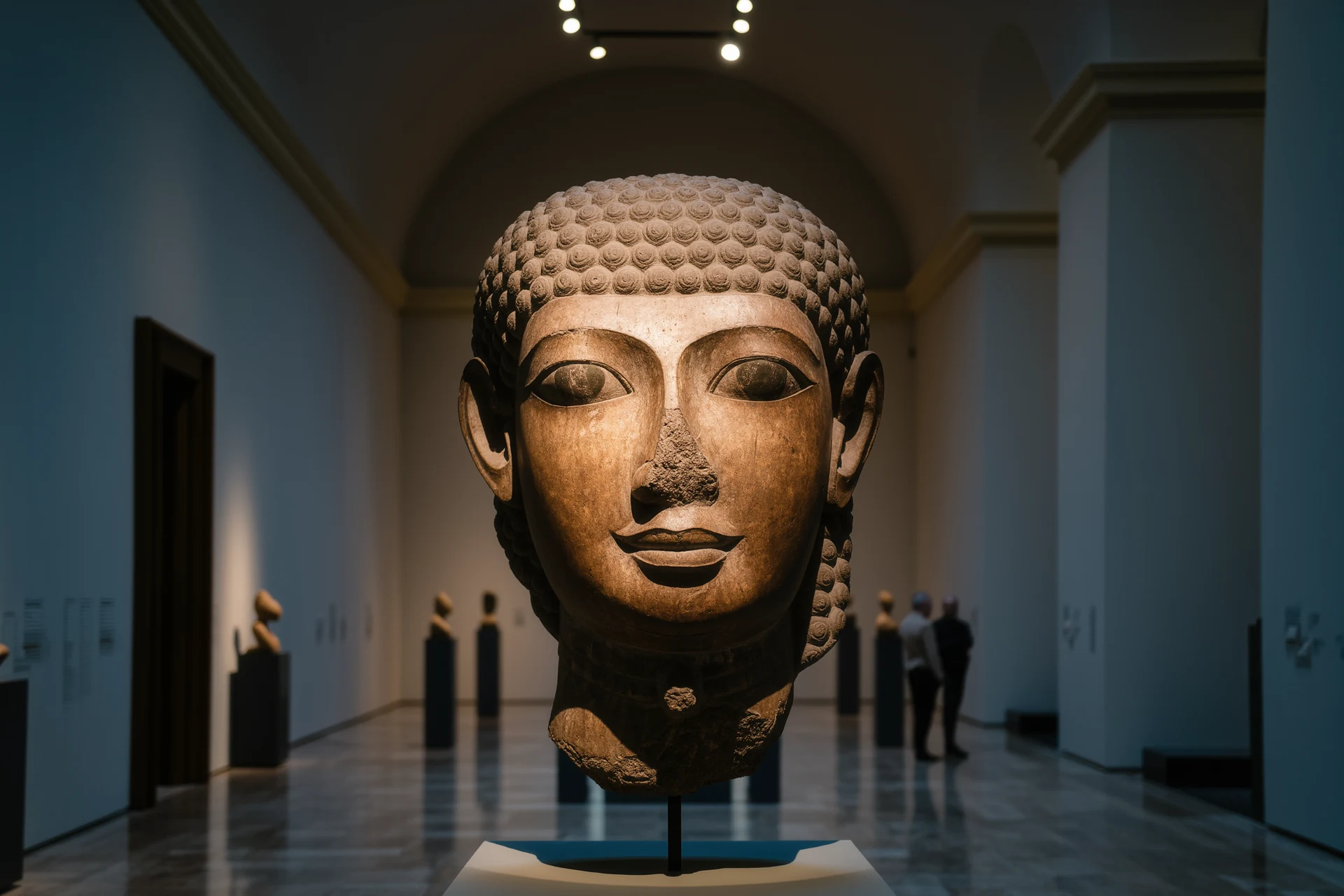
Malaga is a city brimming with history, art, and vibrant traditions, offering a rich tapestry of cultural experiences. From ancient Roman ruins to world-class art museums, there’s a surprising depth to explore beyond its sunny beaches. If you’re looking to dive into the heart of Andalusian culture, Malaga provides an accessible and rewarding journey.
Malaga’s past stretches back millennia, with layers of civilizations leaving their indelible mark. Walking through the city often feels like stepping back in time, each corner revealing another piece of its fascinating narrative.
Roman Theatre: Echoes of an Empire
Right in the heart of the city, at the foot of the Alcazaba, lies the Roman Theatre. Originally discovered in 1951, this well-preserved amphitheater dates back to the 1st century AD, during the reign of Emperor Augustus. It was used for public performances for centuries before being buried and forgotten, eventually serving as a quarry for the nearby Alcazaba.
Today, you can freely walk around parts of the theatre, imagining the spectacles that once unfolded here. The visitor center offers interesting insights into its history and the daily life of Roman Malaga. Occasionally, contemporary performances are still held here, creating a poignant link to its ancient purpose. It’s a fantastic spot for a quiet moment of reflection, contemplating the passage of time and the enduring power of human creativity.
Alcazaba: A Fortress Palace
Perched majestically above the city, the Alcazaba is a stunning Moorish fortress-palace, dating primarily from the 11th century. It’s one of the best-preserved examples of Islamic architecture in Spain, alongside Granada’s Alhambra. This isn’t just a military stronghold; it was also a residence for Moorish rulers, meaning it combines defensive structures with beautiful courtyards, fountains, and lush gardens.
Navigating its winding paths and inner patios feels like exploring a secret garden. The views from its battlements are spectacular, offering panoramic vistas of the port, the city, and the Roman Theatre below. Give yourself a good couple of hours to wander, get lost in its intricate details, and truly appreciate the craftsmanship. There are numerous strategically placed viewpoints perfect for a photo, or simply a moment to soak in the atmosphere. The combination of military might and serene beauty is truly captivating.
Gibralfaro Castle: Panoramic Views and Strategic History
Connected to the Alcazaba by a fortified walkway, Gibralfaro Castle sits on the highest hill overlooking Malaga. Built in the 14th century to protect the Alcazaba and house troops, it offers unparalleled views of the city, the bullring, and the Mediterranean Sea. The name “Gibralfaro” comes from Arabic ‘Jabal-Faruh’ meaning “lighthouse mountain,” hinting at its ancient pharaonic origins as a lighthouse.
While the interior of the castle is less ornate than the Alcazaba, its primary appeal lies in its impressive defensive walls and the breathtaking vistas it provides. A walk along the ramparts is a must, particularly around sunset when the city lights begin to twinkle. The small interpretation center provides context about its military history and strategic importance. It’s a good idea to wear comfortable shoes as there’s a fair bit of uphill walking, but the reward is undoubtedly worth the effort.
Picasso’s Enduring Legacy
Malaga holds the unique distinction of being the birthplace of one of the 20th century’s most influential artists, Pablo Picasso. His presence is woven into the fabric of the city, with dedicated museums and his childhood home open for exploration.
Picasso Museum Málaga: A Personal Collection
Opened in 2003, the Picasso Museum Málaga (MPM) is housed in the beautiful Palacio de Buenavista, a restored 16th-century palace located in the historic center. The museum boasts over 200 works donated by members of Picasso’s family, offering a personal and unique insight into his artistic journey. Unlike other Picasso museums that might focus on specific periods, this collection provides a chronological overview of his extensive career.
You’ll find early academic studies, Cubist experiments, ceramics, sculptures, and later works, showcasing his remarkable versatility and evolution. The museum deliberately avoids being exhaustive, instead aiming to give a representative glimpse into his creative genius. The audio guide is highly recommended; it provides context and interesting anecdotes that enrich the viewing experience. After exploring the galleries, take a moment in the tranquil central courtyard, another example of the blend of historical architecture and modern art.
Casa Natal de Picasso: Where it All Began
Just a short walk from the Picasso Museum, in Plaza de la Merced, you’ll find the Casa Natal de Picasso, his birthplace and first home. This museum offers a more intimate look into the artist’s beginnings, primarily focusing on his early life, family, and the cultural environment of Malaga in the late 19th century that shaped him.
The exhibition includes personal memorabilia, family photographs, and an intriguing collection of his early sketches and artworks, some created at a remarkably young age. There are also works by his father, José Ruiz Blasco, an art teacher and painter, providing insight into his initial artistic influences. It gives a tangible connection to the boy who would become a revolutionary artist, allowing visitors to glimpse the world through his nascent eyes. It’s a smaller, more focused museum, but powerful in its personal narrative.
Artistic Expressions Beyond Picasso
While Picasso undeniably dominates the art scene in Malaga, the city’s artistic offerings extend far beyond his legacy. From traditional Spanish art to contemporary installations, there’s something to appeal to every artistic palate.
Carmen Thyssen Museum: Spanish Masterpieces
Housed in the stunning 16th-century Palacio de Villalón, the Carmen Thyssen Museum presents a remarkable collection of Spanish and Andalusian art from the 19th and early 20th centuries. The Baroness Carmen Thyssen-Bornemisza, a passionate collector, has made this collection accessible to the public, focusing primarily on Spanish painting, with a particular emphasis on costumbrismo, scenes of daily life, customs, and traditions.
You’ll encounter works by artists like Sorolla, Zubarán, and Gonzalo Bilbao, depicting bullfighting, flamenco, religious processions, and captivating landscapes. The exhibition is thoughtfully organized, often exploring themes like “Old Masters,” “Romantic Landscape and Costumbrismo,” “Precieux and Naturalism,” and “Fin-de-siècle.” It offers a beautiful counterpoint to the modernism of Picasso, providing a deep dive into a significant period of Spanish art history. The building itself, with its ornate decoration and peaceful courtyard, is also a work of art.
Centre Pompidou Málaga: A Modernist Cube
A vibrant and unmistakable landmark on the waterfront, the Centre Pompidou Málaga is the first international outpost of the renowned Parisian art center. Known locally as ‘El Cubo’ (The Cube) due to its distinctive multi-coloured glass structure, it houses a rotating selection of works from the Pompidou’s vast collection, covering 20th and 21st-century art.
The museum features influential artists such as Frida Kahlo, René Magritte, Max Ernst, Francis Bacon, and Joan Miró. The exhibitions are curated to explore key themes and movements in modern and contemporary art, from Surrealism to Pop Art. It brings a fresh, contemporary edge to Malaga’s art scene and its location by the port makes it a dynamic cultural hub. Expect thought-provoking installations and a lively atmosphere that reflects the pioneering spirit of its Parisian parent.
Contemporary Art Center (CAC Málaga): Free and Cutting-Edge
For those interested in the very latest trends in contemporary art, the CAC Málaga is a must-visit. Housed in a beautifully converted former wholesale market building from the 1940s, the center offers a dynamic program of exhibitions by both established and emerging international artists. And here’s a bonus: entry is free.
CAC Málaga focuses on art from the 1980s to the present day, with a particular emphasis on site-specific installations, photography, painting, and sculpture. The spacious, industrial-chic interior provides an excellent backdrop for large-scale works and experimental pieces. The exhibitions rotate regularly, so there’s always something new to discover. It’s a great place to engage with current artistic dialogues and see art that pushes boundaries, offering a vital contrast to the city’s historical collections.
Flavours of Andalusian Culture
Malaga isn’t just about ancient stones and painted canvases; it’s a living culture that you can taste, hear, and feel. Engaging with its traditions offers a deeper connection to the city’s spirit.
Mercado Central de Atarazanas: A Feast for the Senses
The Mercado Central de Atarazanas is more than just a market; it’s a vibrant cultural institution. Housed in a stunning 19th-century iron structure that incorporates a surviving 14th-century Nasrid arch from the old shipyard (the ‘atarazanas’), this market is a bustling hub of daily life.
Inside, you’ll find an incredible array of fresh produce: glistening seafood caught that morning, vibrant fruits and vegetables, local cheeses, cured meats, and fragrant spices. It’s a sensory overload in the best possible way. Even if you’re not planning to buy groceries, simply walking through the aisles, observing the locals, and soaking in the atmosphere is an experience in itself. Many stalls also offer delicious tapas and fresh juices, allowing you to sample local delicacies right on the spot. It’s an authentic slice of Malaga life, pulsating with energy.
Flamenco: Soulful Expression
While Granada and Seville are often considered the epicenters of flamenco, Malaga also has a strong tradition and offers several excellent venues to experience this passionate art form. Flamenco is more than just a dance; it’s a profound expression of emotion, combining soulful singing (cante), intricate guitar playing (toque), and powerful, rhythmic dancing (baile).
Look for a “Tablao Flamenco” for an authentic experience. These venues offer intimate settings where you can truly appreciate the raw intensity and improvisational nature of flamenco. Performances typically involve a singer, a guitarist, and one or two dancers, creating a powerful synergy. Do a little research to find a reputable venue, as the quality can vary. Seeing a live flamenco show is an unforgettable experience, tapping into the deep emotional wellspring of Andalusian culture. Prepare to be moved.
Religious Traditions: Semana Santa and Beyond
Malaga’s cultural identity is deeply intertwined with its religious traditions, most notably Semana Santa (Holy Week). While this spectacular event only occurs once a year (the week leading up to Easter), its impact resonates throughout the city year-round, visible in the numerous churches and the devotion of its people.
During Semana Santa, massive “tronos” (processional floats) carrying intricate sculptures of Christ and the Virgin Mary are paraded through the streets by hundreds of penitents (‘nazarenos’) and bearers (‘hombres de trono’). The atmosphere is a unique blend of solemnity, devotion, and community celebration, accompanied by mournful live music and the scent of incense. Even outside of Holy Week, visiting the city’s cathedrals and churches, like the stunning Malaga Cathedral, affectionately known as ‘La Manquita’ (the one-armed lady) due to one unfinished tower, offers insight into the religious art and history that permeates the region.
Gardens, Parks, and Green Spaces
Amidst the historical buildings and bustling streets, Malaga also offers serene green spaces, perfect for a moment of quiet reflection or a refreshing break. These gardens are cultural gems in their own right, showcasing the region’s botanical diversity and landscape design.
La Concepción Historical Botanical Garden: A Tropical Oasis
Just a short trip from the city center, La Concepción Historical Botanical Garden is an absolute gem and a true escape. Established in 1855 by a wealthy industrialist family, it’s one of Europe’s finest tropical and subtropical gardens. Boasting thousands of species from around the world, including palms, bamboo, and exotic plants, it feels like stepping into a lush, vibrant jungle.
The garden is meticulously maintained and offers themed routes, including a historical route that winds past charming stately homes, fountains, and even a romantic gazebo. Don’t miss the Mirador viewpoint for stunning panoramic views of Malaga. It’s a fantastic place to spend a half-day, exploring the diverse flora, enjoying the peaceful atmosphere, and learning about botany. It also showcases how natural beauty and human design can come together to create something truly magnificent.
Parque de Málaga: Urban Green Lung
Stretching between the historic center and the port, the Parque de Málaga is a beautiful 19th-century park, designed in a typical Mediterranean style. It’s a long, narrow strip of lush greenery that serves as the city’s main urban park, perfect for a leisurely stroll.
The park is characterized by its wide variety of exotic and tropical plants, sculptures, fountains, and charming pathways. You’ll find benches to rest, shaded areas for a picnic, and playgrounds for children. It’s also home to several important cultural institutions, including the bandstand where events are sometimes held, and it connects directly to the Paseo del Parque, a vibrant promenade. It’s a testament to urban planning, providing a vital green lung that enhances the quality of life and offers a pleasant transition between different parts of the city.
FAQs
What are some popular cultural attractions in Malaga?
Some popular cultural attractions in Malaga include the Alcazaba, Gibralfaro Castle, the Picasso Museum, the Carmen Thyssen Museum, and the Malaga Cathedral.What is the Alcazaba in Malaga?
The Alcazaba is a historical fortress in Malaga, Spain, that was built in the 11th century by the Moors. It is one of the city’s most important cultural attractions and offers stunning views of the city and the Mediterranean Sea.What can visitors expect to see at the Picasso Museum in Malaga?
The Picasso Museum in Malaga houses a collection of works by the famous artist Pablo Picasso, who was born in the city. Visitors can expect to see a wide range of Picasso’s paintings, drawings, and sculptures, providing insight into the artist’s life and work.What is the significance of the Malaga Cathedral?
The Malaga Cathedral, also known as the Cathedral of the Incarnation, is a stunning example of Renaissance architecture and is one of the city’s most iconic landmarks. It is known for its impressive interior and exterior design, as well as its historical and cultural significance.Are there any cultural events or festivals in Malaga worth attending?
Malaga hosts several cultural events and festivals throughout the year, including the Malaga Film Festival, the Malaga Fair, and the Malaga Flamenco Festival. These events showcase the city’s rich cultural heritage and provide visitors with unique experiences.More from Malaga City Guide
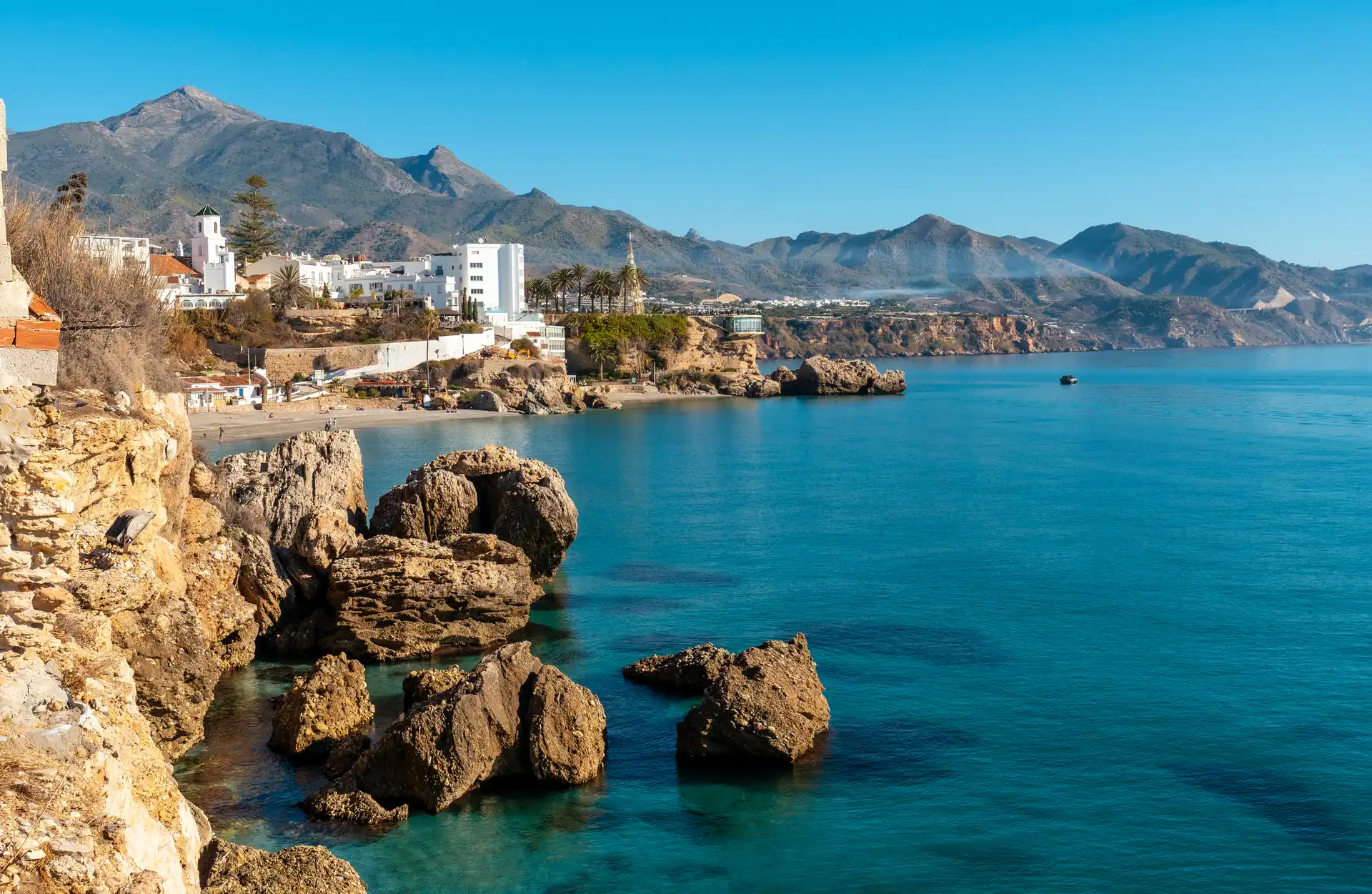
Exploring Malaga’s Charming Wine Bars
So, you’re thinking about hitting up Malaga and wondering about the wine bar scene? You’re in for a treat. Malaga isn’t just about sun and beaches; it…
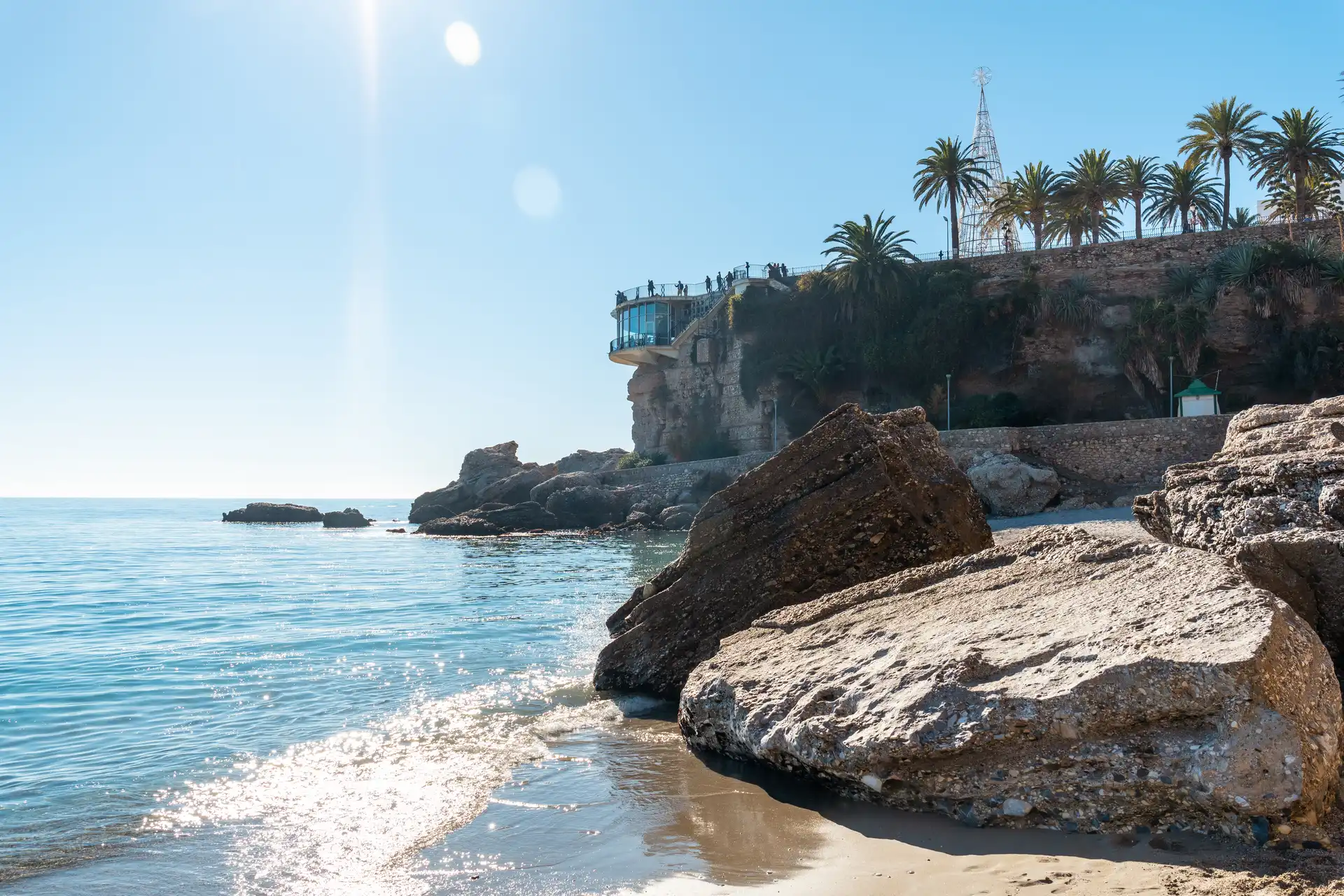
Malaga Relocation Guide: Your Essential Move
Thinking about packing up and heading to sunny Málaga? You’re not alone! It’s a fantastic city, brimming with culture, delicious food, and…
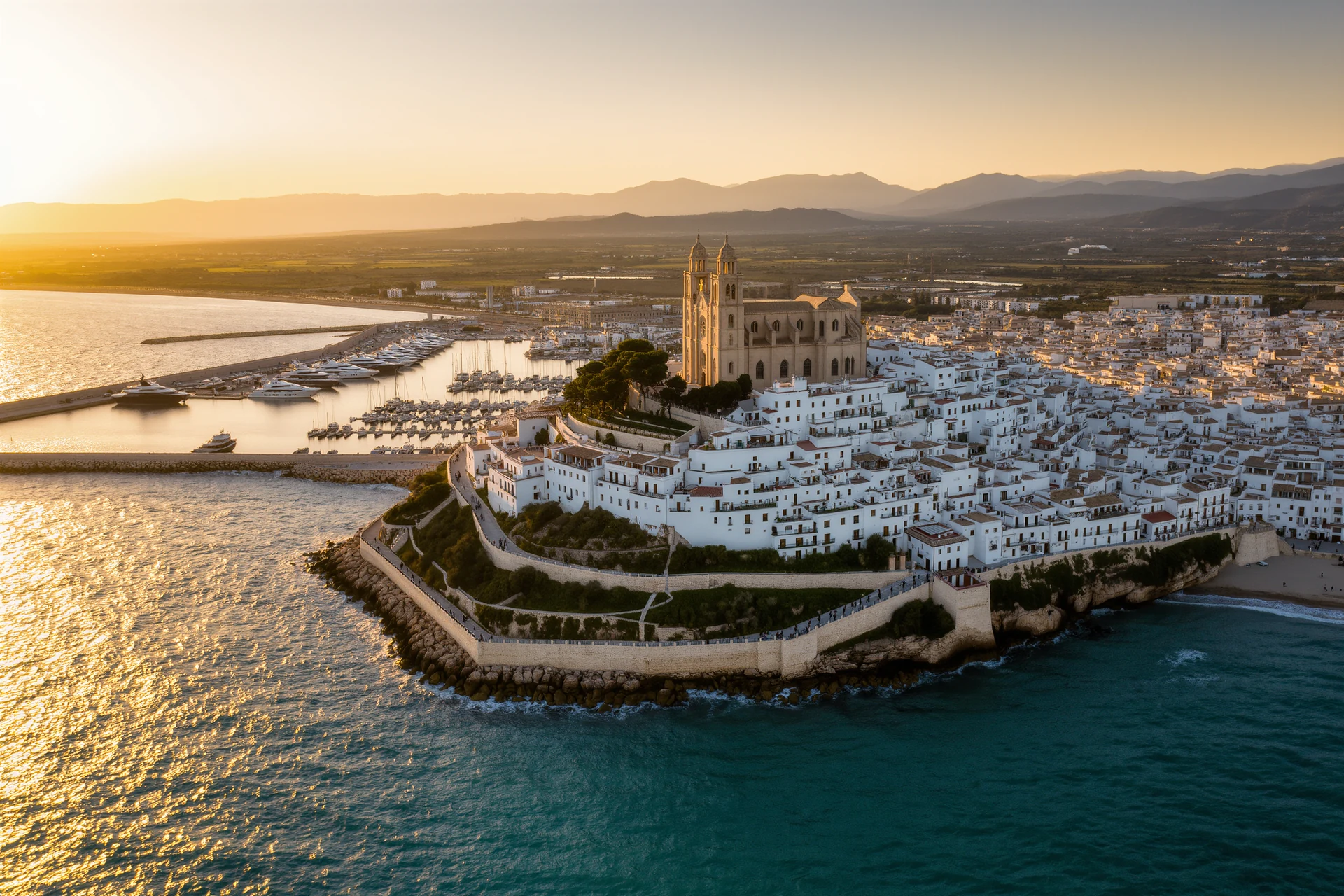
Discover Malaga: The Perfect City Break Destination
Malaga makes for an excellent city break, blending history, culture, and fantastic food with a relaxed, coastal vibe. It’s easy to get to, compa…