Discover Picasso Museum Malaga: A Complete Guide
Thinking about a visit to the Picasso Museum in Malaga? Good call! It’s one of Spain’s most significant cultural institutions and a real gem in his birthplace. This gui…
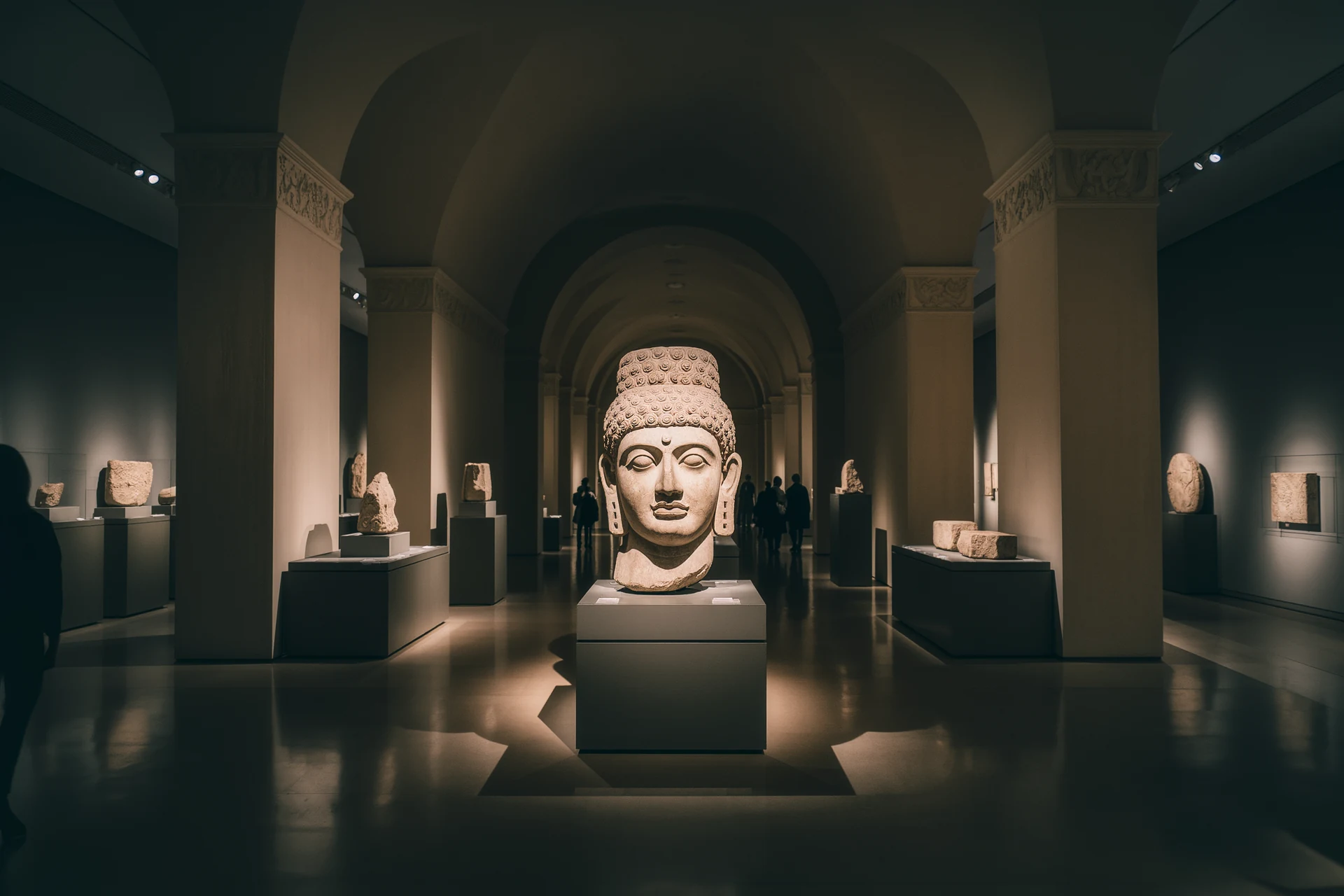
Thinking about a visit to the Picasso Museum in Malaga? Good call! It’s one of Spain’s most significant cultural institutions and a real gem in his birthplace. This guide will walk you through what to expect, how to make the most of your visit, and uncover some lesser-known tips.
First things first, let’s get you to the museum and sorted with the basics.
Location and Address
The Picasso Museum Malaga (Museo Picasso Málaga) is nestled right in the historic heart of the city at Palacio de Buenavista, Calle San Agustín, 8. It’s super central, making it easy to weave into a day of exploring Malaga’s old town.
Opening Hours and Best Times to Visit
Generally, the museum opens daily from around 10:00 AM, closing between 6:00 PM and 8:00 PM depending on the season. Always double-check their official website for the most up-to-date hours, especially around holidays.
To avoid the biggest crowds, aim for early mornings right when they open, or later afternoons about an hour or two before closing. Weekdays are almost always less busy than weekends. Tuesdays after 4 PM often offer free entry (check their website for current policies, as these can change), which is fantastic but also means it gets very busy. If you’re not a fan of crowds, you might want to skip the free entry slot in favor of a quieter experience.
Ticket Information and Booking
Buying your tickets online in advance is highly recommended. It saves you time queuing, especially during peak season. You can usually choose a specific entry time slot, which helps with crowd management.
- Standard Admission: This gets you into the permanent collection.
- Combined Tickets: Sometimes they offer combined tickets with special temporary exhibitions. If there’s one that catches your eye, it’s usually good value.
- Concessions: Remember to check if you qualify for any discounts (students, seniors, children, large families). You’ll typically need to show ID.
- Audio Guide: An audio guide is available for a small extra cost. For a deeper dive into Picasso’s work and life context, it’s definitely worth considering. It provides excellent background on selected pieces.
What to Expect Inside the Museum
The museum’s collection primarily focuses on Picasso’s different periods and influences, giving you a comprehensive overview of his artistic journey.
The Permanent Collection
The collection houses over 200 works, primarily from the artist’s family, especially Christine and Bernard Ruiz-Picasso (his daughter-in-law and grandson). It’s thoughtfully arranged to guide you chronologically and thematically through Picasso’s development.
- Early Works: You’ll see his formative years and academic training, revealing his prodigious talent even as a young man. Look for portraits and landscapes that showcase his mastery of traditional techniques before he started experimenting.
- Blue and Rose Periods: While not as extensively represented as in some other major Picasso collections, you’ll find examples that hint at his melancholic Blue Period and the more optimistic, circus-themed Rose Period.
- Cubism and Beyond: A good selection of works illustrate his groundbreaking Cubist phase, though perhaps not the sheer volume you’d find in Paris or New York. Instead, it focuses on the diverse applications of the style.
- Ceramics and Sculptures: This is an area where the Malaga collection shines. You’ll find a fantastic array of his ceramic works, which demonstrate his playful and experimental side. His sculptures also offer a different dimension to his artistic output.
- Late Works: The museum offers a solid representation of his later, often more vibrant and energetic works, showing that his creativity never really waned. These pieces often feature bold colors and expressive brushstrokes.
The museum isn’t huge, but it’s curated well, allowing for an intimate look at his work. It’s designed to be digestible in a few hours without feeling rushed.
Temporary Exhibitions
The Picasso Museum consistently hosts high-quality temporary exhibitions. These often explore specific aspects of Picasso’s work, his influences, or his contemporaries.
- Check Ahead: Before your visit, check the museum’s website to see what temporary exhibitions are running. Some are truly exceptional and are worth planning your visit around.
- Combined Tickets: As mentioned, you might need a combined ticket to access these temporary shows, so plan accordingly when booking.
The Buenavista Palace Itself
The museum is housed in the beautiful 16th-century Palacio de Buenavista, which is a work of art in itself.
- Moorish Influences: As you walk through, notice the subtle Moorish architectural details, like the elegant arcades and the central courtyard.
- Roman and Phoenician Ruins: In the basement, you’ll find fascinating archaeological remains (Roman, Phoenician) discovered during the palace’s renovation. It’s a neat historical bonus that connects you to Malaga’s deep past.
Making the Most of Your Visit: Practical Tips
To ensure you have a smooth and enjoyable experience, keep these practical tips in mind.
How Long to Allocate
Plan for 1.5 to 3 hours for the permanent collection. If there’s a temporary exhibition that interests you, add another 30-60 minutes. If you’re really delving deep with the audio guide or spending a lot of time in certain rooms, you could extend that.
Facilities Available
- Restrooms: Located conveniently throughout the museum.
- Cloakroom: Handy for coats and larger bags, usually free of charge. This is a good idea to avoid lugging things around, especially if it’s crowded.
- Museum Shop: As expected, there’s a well-stocked shop with books, prints, and Picasso-themed souvenirs. It’s a nice place to pick up a memento.
- Café/Restaurant: There’s a pleasant café with an outdoor patio area (Café at the Museo Picasso Málaga) where you can grab a coffee, snack, or light lunch. It’s a lovely spot to rest and reflect after seeing the art.
Photography Policy
Generally, photography without flash is permitted in the permanent collection for personal, non-commercial use. However, policies for temporary exhibitions can vary, so always look for signs or ask staff if you’re unsure. Be respectful of other visitors and the art, no flash, please!
Accessibility
The museum is largely accessible for visitors with reduced mobility, including elevators and ramps. Check their website or contact them directly for specific accessibility information if you have particular needs.
Understanding Picasso’s Connection to Malaga
It’s easy to forget that while Picasso is a global icon, he was very much rooted in Malaga.
His Birthplace
He was born Pablo Ruiz Picasso in a building in Plaza de la Merced, just a short walk from the museum, in 1881. You can even visit his actual birth home, which is now the Museo Casa Natal de Picasso (Picasso’s Birthplace Museum). This is a separate, smaller museum, but fascinating as it gives you a sense of his early life. It houses personal items, family photos, and some early works from his father, who was also an artist.
Why the Museum Here?
For many years, despite his immense fame, there wasn’t a dedicated Picasso museum in his hometown, a significant oversight to many. It was his daughter-in-law, Christine Ruiz-Picasso, who spearheaded the effort to establish a permanent collection in Malaga. She understood the importance of connecting the artist to his roots. The museum finally opened its doors in 2003, filling this cultural void.
The creation of the museum wasn’t just about showing his art; it was about bringing a piece of Picasso back home, allowing visitors to understand the origins of his genius in the very city that nurtured his early years.
Beyond the Museum: More Picasso in Malaga
Your Picasso experience doesn’t have to end at the museum doors.
Museo Casa Natal de Picasso (Picasso’s Birthplace Museum)
- What it is: The actual house where he was born and lived for his first few years.
- Why visit: It offers a more intimate, biographical look at the artist, featuring family portraits, personal effects, and early sketches. It really helps you connect with the boy before he became the legend.
- Location: Plaza de la Merced, 15. Easily walkable from the Picasso Museum.
Parish of Santiago Apóstol
- What it is: The church where Picasso was baptized.
- Why visit: A beautiful historic church, and an interesting point of connection to his early life and Malaga’s religious heritage. It’s just a few minutes’ walk from the museum.
Exploring the Surrounding Area
The area around the Picasso Museum is filled with other attractions that complement your visit.
- Malaga Cathedral: A stunning architectural marvel, just moments away.
- Alcazaba and Roman Theatre: Climb up to the Alcazaba (Moorish fortress) for incredible views and explore the ancient Roman Theatre at its base.
- Plaza de la Merced: A lively square, perfect for a coffee or a meal, and home to Picasso’s birthplace.
Final Thoughts
A visit to the Picasso Museum Malaga is more than just seeing famous paintings; it’s about connecting with the origins of an artistic legend. It’s a well-curated space that offers a comprehensive journey through his life and work, set within a beautiful historic palace. Take your time, absorb the history, and enjoy the rich cultural tapestry of Malaga. Enjoy your visit!
FAQs
What is the Picasso Museum Malaga?
The Picasso Museum Malaga is a museum dedicated to the life and work of the renowned artist Pablo Picasso. It is located in the city of Malaga, Spain, where Picasso was born.What can visitors expect to see at the Picasso Museum Malaga?
The museum houses a collection of over 200 works by Picasso, including paintings, sculptures, ceramics, and drawings. Visitors can also explore the artist’s personal archives and learn about his life and artistic development.What are the opening hours and admission fees for the museum?
The museum is open from Tuesday to Sunday, with varying hours depending on the season. Admission fees also vary, with discounts available for students, seniors, and children. It is recommended to check the museum’s official website for the most up-to-date information.Are there guided tours available at the museum?
Yes, the museum offers guided tours in multiple languages, providing visitors with in-depth insights into Picasso’s life and art. These tours can be booked in advance or upon arrival at the museum.Is photography allowed inside the museum?
Photography is not permitted inside the museum, in order to preserve the artworks and maintain a respectful environment for all visitors. However, there are designated areas where photography is allowed, such as the museum’s courtyard.More from Malaga City Guide
Exploring Malaga’s Charming Wine Bars
So, you’re thinking about hitting up Malaga and wondering about the wine bar scene? You’re in for a treat. Malaga isn’t just about sun and beaches; it…
Malaga Relocation Guide: Your Essential Move
Thinking about packing up and heading to sunny Málaga? You’re not alone! It’s a fantastic city, brimming with culture, delicious food, and…
Discover Malaga: The Perfect City Break Destination
Malaga makes for an excellent city break, blending history, culture, and fantastic food with a relaxed, coastal vibe. It’s easy to get to, compa…